Table of Contents >> Show >> Hide
- What Makes a Great Hummus (And Why Some Hummus Tastes Like Paste)
- Ingredients for Classic Hummus
- Hummus Recipe: Two Methods
- The “Creaminess Toolkit” (Small Tricks, Big Upgrade)
- Flavor Dial: How to Adjust Your Hummus Like a Pro
- Variations: The “Same Hummus, Different Outfit” Collection
- How to Serve Hummus (Beyond “Pita and Done”)
- Storage, Make-Ahead, and Food Safety
- Troubleshooting: Common Hummus Problems (And How to Fix Them)
- Final Thoughts
- Experience Notes: Real-Life Hummus Moments (500-ish Words of Wisdom)
Hummus is the rare food that can be both a party dip and a weekday “I forgot to meal prep” survival tool. It’s creamy, bright, nutty, and endlessly customizableplus it makes raw vegetables feel like they’re having more fun than they deserve. If you’ve ever bought a tub of hummus and thought, “This tastes like beige sadness,” good news: homemade hummus fixes that in about 10 minutes.
This guide gives you a classic hummus recipe (with two paths: ultra-smooth from dried chickpeas, or fast-and-fantastic from canned), then shows you how to dial in flavor, texture, and toppings like you own a tiny Mediterranean caféwithout actually having to own a café.
What Makes a Great Hummus (And Why Some Hummus Tastes Like Paste)
At its best, hummus is a balance of four things: creamy chickpeas, toasty tahini, fresh lemon, and garlicall held together with salt and loosened with cold water until it turns light and scoopable. When hummus is “meh,” it’s usually because the chickpeas are too firm, the tahini is bitter or old, or everything is blended for approximately three seconds. (Three seconds is not blending. Three seconds is “introducing the ingredients to each other.”)
The secret to restaurant-style texture is simple: very soft chickpeas, whipped tahini first, and a longer blend than you think you need. Hummus isn’t shy; it wants commitment.
Ingredients for Classic Hummus
This is the core lineup for a traditional chickpea dip. Choose the dried-chickpea route for the smoothest result, or canned for speed. Either way, don’t skip the tahiniunless you truly must (allergy, dislike, or the jar is hiding from you).
Base Ingredients (Makes about 2 to 2 1/2 cups)
- Chickpeas: 1 1/2 cups cooked (or 1 can, 15 ounces, drained and rinsed)
- Tahini: 1/3 to 1/2 cup, stirred well
- Lemon juice: 3 to 5 tablespoons (fresh tastes brighter)
- Garlic: 1 to 2 cloves, minced (or more if you’re fearless)
- Kosher salt: 3/4 to 1 teaspoon, to taste
- Ground cumin (optional): 1/4 teaspoon for warmth
- Ice-cold water: 2 to 6 tablespoons, for a fluffy, creamy texture
- Extra-virgin olive oil: for serving (and optionally a tablespoon in the blend)
Optional “Make It Fancy” Toppings
- Paprika or smoked paprika
- Za’atar or sumac
- Chopped parsley
- Toasted pine nuts or sesame seeds
- Spiced meat, roasted chickpeas, or sautéed mushrooms (a.k.a. hummus with benefits)
Hummus Recipe: Two Methods
Method A: Ultra-Smooth Hummus from Dried Chickpeas (Best Texture)
If you want hummus that looks like it was ironed, start with dried chickpeas. The payoff is a silkier texture and cleaner flavor. Bonus: your kitchen smells like you’re doing something impressively adult.
1) Soak
- In a large bowl, combine 1 cup dried chickpeas with plenty of water (at least 3 inches above the beans).
- Add 1/2 to 1 teaspoon baking soda. Soak overnight (8–12 hours). Drain and rinse well.
2) Cook Until “Almost Too Soft”
- Add soaked chickpeas to a pot and cover with fresh water by a couple inches.
- Simmer gently until the chickpeas are very tenderthink “falls apart if you glare at it,” 45–90 minutes depending on age of beans.
- Drain (reserve a little cooking water if you like) and cool slightly.
3) Blend Like You Mean It
- In a food processor, blend lemon juice + garlic for 10–20 seconds. Let it sit 2–5 minutes to mellow the garlic bite.
- Add tahini and blend 30–60 seconds until it looks whipped and lighter in color.
- Add chickpeas, salt, and optional cumin. Blend 2–4 minutes, scraping down as needed.
- With the machine running, drizzle in ice-cold water, 1 tablespoon at a time, until smooth and fluffy.
- Taste and adjust: more lemon for brightness, more salt for pop, more tahini for richness, more water for a lighter dip.
Method B: Fast Creamy Hummus from Canned Chickpeas (Best Speed)
Canned chickpeas can make excellent homemade hummusespecially if you soften them first. Many cans include firming agents, which is great for salads and not-so-great for dreamy dips. The fix takes about 5–7 minutes.
1) Quick-Soften the Chickpeas (Worth It)
- Drain and rinse 1 can chickpeas.
- Simmer in water with 1/4 teaspoon baking soda for 5–7 minutes, until the chickpeas look a little ragged and feel very tender.
- Drain and rinse again to remove any baking soda taste.
2) Blend
- Blend lemon juice + garlic briefly; rest 2 minutes.
- Add tahini and blend until creamy and whipped.
- Add chickpeas, salt, optional cumin. Blend 2–3 minutes.
- Add ice-cold water (or a couple spoonfuls of aquafaba) until the texture is smooth and scoopable.
The “Creaminess Toolkit” (Small Tricks, Big Upgrade)
1) Start by Whipping Tahini + Lemon
Blending tahini with lemon juice first does two things: it emulsifies the mixture and lightens it, which helps the final hummus taste smoother and feel fluffier. If your tahini is thick, stir it well before measuringgood tahini separates like it’s practicing for a science fair.
2) Mellow the Garlic
Raw garlic can be sharp enough to make your hummus taste like a vampire deterrent. Letting minced garlic sit in lemon juice for a few minutes softens the edge while keeping the aroma. You still get garlic flavorjust without the “I can’t speak to anyone for 48 hours” aftertaste.
3) Use Ice-Cold Water (or an Ice Cube)
Cold water helps hummus turn lighter and creamier as it blends, and it’s an easy way to control texture without adding more oil. Add it slowly so you don’t accidentally create chickpea soup (which is not a dip, it’s a mood).
4) Blend Longer Than You Think
A full 2–4 minutes (sometimes more) can be the difference between “grainy” and “restaurant-style.” Stop once to scrape the bowl. Hummus loves attention.
5) Consider Peeling (Optional, Slightly Meditative)
Removing chickpea skins can make hummus smoother, but it’s not mandatory. If you’re chasing maximum silkiness, peel a handful and see if you care. If you don’t, congratulationsyou have better things to do.
Flavor Dial: How to Adjust Your Hummus Like a Pro
If it tastes flat
- Add a pinch more salt (salt wakes up tahini).
- Add a splash more lemon juice for brightness.
If it tastes bitter
- Your tahini may be low quality or old. Try a fresher brand and stir thoroughly.
- Balance with a touch more lemon and salt.
If it’s too thick
- Add ice-cold water, 1 tablespoon at a time, and keep blending.
If it’s too loose
- Add a few more chickpeas or a spoonful more tahini, and blend.
- Chill ithummus firms up a bit in the fridge.
Variations: The “Same Hummus, Different Outfit” Collection
Once you have the classic recipe down, variations are just add-ins. Keep the base balanced (chickpeas + tahini + lemon + salt), then layer flavors.
Roasted Red Pepper Hummus
- Add 1/2 cup roasted red peppers (patted dry), plus a pinch of smoked paprika.
Spicy Harissa Hummus
- Add 1–2 teaspoons harissa (or chili paste), plus extra lemon to keep it lively.
Roasted Garlic Hummus
- Swap raw garlic for 4–6 roasted garlic cloves. Sweeter, gentler, dangerously snackable.
Herb Hummus (Green Goddess-ish)
- Blend in a handful of parsley and/or cilantro, plus a small handful of spinach for color.
Beet Hummus
- Add 1/2 cup roasted beets for a bright pink dip that looks like it has its own skincare routine.
How to Serve Hummus (Beyond “Pita and Done”)
Yes, hummus loves pita. But it also loves being the creamy backbone of quick meals. Try these ideas when you want your fridge to feel more exciting:
Classic snacks
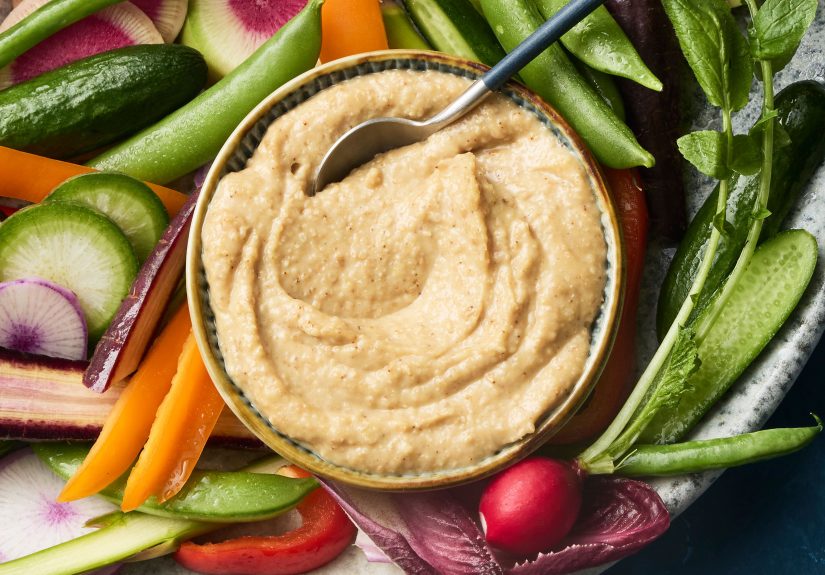
- Warm pita wedges, pita chips, cucumbers, carrots, bell peppers
- Olives, pickles, feta (if not vegan), cherry tomatoes
Lunch upgrades
- Spread on sandwiches instead of mayo
- Swirl into grain bowls with roasted vegetables
- Use as a base under grilled chicken, tofu, or falafel
Turn it into a quick dressing
- Thin hummus with lemon juice and olive oil (or water), then toss with greens or drizzle over roasted veggies.
Storage, Make-Ahead, and Food Safety
Refrigerator
Store hummus in an airtight container for about 4–5 days. For the best texture, add a thin layer of olive oil on top (optional) and stir before serving.
Freezer
Hummus can be frozen for up to 3 months. Thaw overnight in the fridge, then re-blend or stir vigorously with a splash of cold water to bring back the creamy texture.
Troubleshooting: Common Hummus Problems (And How to Fix Them)
“My hummus is grainy.”
- Blend longer.
- Soften chickpeas more (especially canned).
- Try the whipped-tahini step before adding chickpeas.
“It tastes bland.”
- Add salt first, then lemon.
- Finish with a drizzle of good olive oil and a sprinkle of paprika or za’atar.
“It’s bitter.”
- Check tahini freshness and quality; stir it thoroughly.
- Balance with lemon and saltbitterness often needs brightness.
“It’s too garlicky.”
- Blend in extra chickpeas and a splash of water.
- Next time, mellow the garlic in lemon juice or use roasted garlic instead.
Final Thoughts
A great homemade hummus recipe is less about strict rules and more about smart little choices: soft chickpeas, good tahini, enough lemon, and the patience to blend until it’s creamy. Once you nail the classic, you can spin off endless variationsspicy, smoky, herby, roastedwithout losing that signature hummus comfort. And if anyone asks why you made hummus again this week, tell them it’s because you’re practicing self-care in dip form.
Experience Notes: Real-Life Hummus Moments (500-ish Words of Wisdom)
Most people’s first homemade hummus experience goes like this: you toss everything in a food processor, blend for 20 seconds, taste it, and think, “Oh no. I’ve created an edible sandbox.” This is normal. It’s not a failure. It’s simply your hummus asking politely for more blending time and a little cold waterlike a tiny chickpea spa appointment.
Another common moment: you add garlic with confidence, then you taste the hummus and realize you’ve made a dip that can probably reverse-engineer a vampire’s DNA. Raw garlic is powerful, especially if it’s fresh. The good news is that hummus is forgiving. A few extra chickpeas, more tahini, and an extra squeeze of lemon can calm it down. The better news is that mellowing garlic in lemon juice for a couple minutes often keeps the flavor fragrant instead of aggressive. It’s like the garlic still shows up to the party, but it stops yelling over the music.
Texture is where home cooks learn the most. You’ll notice that when chickpeas are truly soft, the hummus becomes creamy almost effortlessly. When chickpeas are firm, you can blend forever and still end up with tiny gritty bitsbecause you’re essentially trying to puree pebbles into velvet. That’s why the quick simmer-with-baking-soda trick for canned chickpeas can feel like a cheat code. Suddenly the same can of beans transforms into something closer to the fluffy hummus you’d get at a good Middle Eastern restaurant.
Then there’s the tahini lesson. Many people buy tahini once, use a couple spoonfuls, shove the jar into the back of the fridge, and meet it again months later when it’s separated into “solid concrete” and “mysterious oil layer.” Stirring tahini well before measuring changes everything. So does choosing a tahini that tastes pleasantly nutty instead of bitter. If your hummus tastes harsh no matter what you do, it’s often the tahini waving a red flag like, “Hi, I’m the problem.”
Serving hummus teaches another delightful truth: the toppings matter. A drizzle of good olive oil, a sprinkle of paprika or za’atar, and a few chopped herbs make homemade hummus feel like an event instead of “something beige I ate over the sink.” And once you’ve served hummus as part of a little mezze spreadpita, cucumbers, tomatoes, olivesyou’ll understand why people keep making it. It’s not just a dip; it’s a low-effort way to turn snacking into a tiny celebration.
Finally, the most relatable hummus experience: you make it “for the week,” put it in the fridge, and then it mysteriously disappears in two days. That’s not a storage issue. That’s your household discovering that homemade hummus is the kind of snack that makes you wander back to the kitchen with a spoon “just to taste it,” six separate times, purely for quality control. Very responsible. Very scientific.