Table of Contents >> Show >> Hide
- What is hyperbaric oxygen therapy?
- How HBOT works in the body
- When is hyperbaric oxygen therapy medically recommended?
- Potential benefits of hyperbaric oxygen therapy
- Unproven or experimental uses: Where hype gets ahead of science
- Risks and side effects of hyperbaric oxygen therapy
- What a typical HBOT session is like
- Key questions to ask before starting hyperbaric oxygen therapy
- Bottom line: Is hyperbaric oxygen therapy right for you?
- Experiences and stories around hyperbaric oxygen therapy
Hyperbaric oxygen therapy (often shortened to HBOT) sounds a little like science fiction:
you lie in a pressurized chamber, breathe 100% oxygen, and doctors use physics to help your
body heal. It’s real medicine, not a plot from a medical drama, and in the right situations
it can be life-saving. In the wrong situationsor in the wrong handsit can be expensive,
disappointing, or even dangerous.
In this guide, we’ll unpack what hyperbaric oxygen therapy is, how it works, which benefits
are backed by solid evidence, where the hype gets ahead of the science, and what risks you
should know about before agreeing to climb into a chamber. Think of this as a friendly walk-through
before you say “yes” to high-pressure oxygen.
What is hyperbaric oxygen therapy?
Hyperbaric oxygen therapy is a medical treatment in which you breathe 100% oxygen while
inside a sealed chamber that’s pressurized to higher than normal atmospheric pressure
usually about two to three times the pressure at sea level. In this environment, your lungs
can absorb far more oxygen than they can at normal pressure.
There are two main types of chambers:
- Monoplace chambers: A clear, tube-like chamber designed for one person at a time.
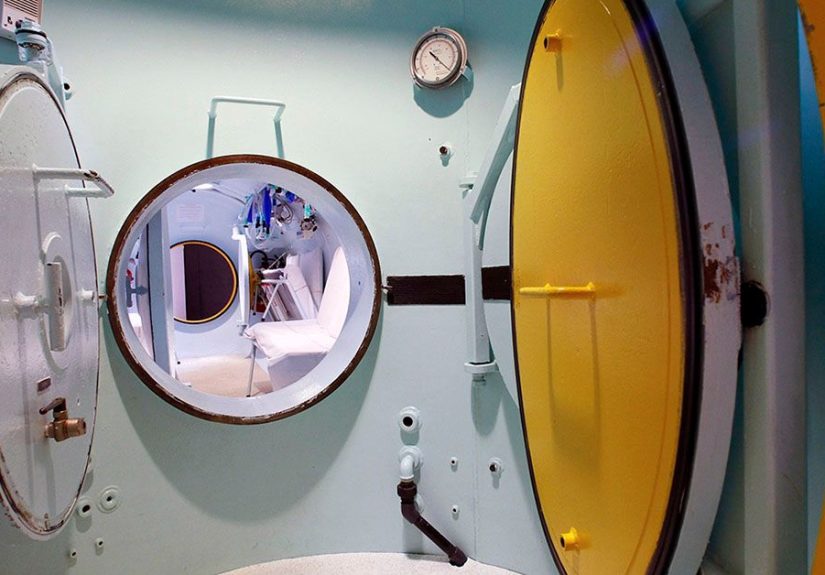
- Multiplace chambers: A larger room-style chamber that can treat several people at once, often found in hospitals and major wound centers.
A typical HBOT session lasts about 60–120 minutes. You lie or sit inside the chamber,
pressure is gradually increased, and you breathe either the oxygen in the chamber or oxygen
delivered through a mask or hood. A health-care team monitors your vital signs and how
you’re feeling throughout the treatment.
How HBOT works in the body
Supercharging oxygen delivery
Under normal conditions, red blood cells carry most of the oxygen in your body. When you’re
in a hyperbaric chamber, the combination of pure oxygen and higher pressure dissolves
much more oxygen directly into your blood plasmathe liquid part of your blood. That means
oxygen can reach injured or poorly perfused tissues that don’t get enough blood flow under
normal circumstances.
Reducing swelling and inflammation
Hyperbaric oxygen therapy can temporarily constrict blood vessels (vasoconstriction) while
still delivering plenty of oxygen. This can reduce tissue swelling in areas of injury or
infection. Less swelling can mean less pain and better circulation in the long run, which
helps damaged tissues clear waste products and start repairing themselves.
Fighting infection and supporting healing
Many harmful bacteria don’t love oxygenespecially not high levels of it. HBOT can help
the immune system kill certain types of bacteria and may make some antibiotics work more
effectively. It also supports the activity of cells that build new blood vessels and
connective tissue, which is why HBOT is used in some complex wound-healing programs.
When is hyperbaric oxygen therapy medically recommended?
In the United States, hyperbaric oxygen therapy is used for a specific list of conditions
where research shows clear or strong benefit. Professional organizations and federal
agencies recognize HBOT as an important treatment for conditions such as:
- Decompression sickness (also called “the bends”) in divers.
- Arterial gas embolism (dangerous air bubbles in blood vessels).
- Carbon monoxide poisoning, sometimes combined with smoke inhalation injuries.
- Chronic, hard-to-heal wounds, such as certain diabetic foot ulcers.
- Delayed radiation injuries, including damage to soft tissue or bone after cancer radiation.
- Serious infections such as necrotizing soft-tissue infections (sometimes called “flesh-eating” infections) or gas gangrene.
- Compromised skin grafts or flaps that are struggling to survive.
- Crush injuries and acute traumatic ischemias in which tissues suddenly lose blood supply.
These uses are typically offered in hospital-based hyperbaric centers or accredited wound
care programs with trained staff, emergency equipment, and strict safety protocols. For
these conditions, HBOT is usually one part of a bigger treatment plannot a standalone cure.
Potential benefits of hyperbaric oxygen therapy
1. Faster healing of complex wounds
For patients with diabetic foot ulcers or other stubborn wounds, HBOT can sometimes mean the
difference between healing and amputation. Increasing oxygen delivery helps tissues form new
blood vessels, control infection, and rebuild healthy skin and soft tissue. Studies have
shown that, in properly selected patients, HBOT can reduce the risk of major amputation and
improve wound closure rates when combined with good wound care, blood sugar control, and
other standard treatments.
2. Better outcomes in radiation-related tissue damage
Radiation therapy can save lives but sometimes causes long-term damage to nearby tissues
think painful sores, bone damage, or fragile tissue in the jaw, pelvis, or bladder.
Hyperbaric oxygen therapy helps bring oxygen back into these damaged areas, encouraging
new blood vessel growth and tissue repair. Many patients notice reduced pain, fewer bleeding
episodes, and improved function after a course of HBOT, especially when combined with other
therapies recommended by their specialists.
3. Life-saving help in emergencies
In emergencies like carbon monoxide poisoning or decompression sickness, HBOT isn’t
“nice to have”it’s often essential. In carbon monoxide poisoning, the therapy helps remove
carbon monoxide from hemoglobin more quickly and floods tissues with oxygen, reducing
the risk of long-term brain or heart damage. For divers or patients with gas emboli, HBOT
helps shrink dangerous bubbles and restores blood flow to endangered tissues.
4. Possible quality-of-life improvements
Some people receiving HBOT for approved indications report less pain, better mobility, and
more energy as their underlying condition improves. While “feeling better” is hard to
measure in a study, it’s often a very real and important benefit for patients who have
been struggling with chronic wounds or post-radiation symptoms for years.
The key point: for properly selected, evidence-based uses, hyperbaric oxygen therapy can
be a powerful tool in modern medicineespecially when it’s delivered in a well-run,
accredited facility as part of a comprehensive treatment plan.
Unproven or experimental uses: Where hype gets ahead of science
If you search “hyperbaric oxygen therapy” online, you’ll quickly find facilities claiming
HBOT can help almost everything: autism, ADHD, long COVID, dementia, chronic Lyme disease,
anti-aging, sports performance, and more. Some claims are based on early or limited research;
others are marketing first and science… maybe later.
Here’s the reality:
- Some conditions are still being studied. Research is ongoing for HBOT in areas like traumatic brain injury, stroke recovery, long COVID, and certain inflammatory conditions. There may be promise, but the evidence is not strong enough yet to say “this works for most patients.”
- Many advertised uses are not FDA-cleared. In the U.S., the FDA has repeatedly warned that using HBOT for unapproved conditionsespecially when marketed as a curecan mislead patients, delay appropriate treatment, and expose them to unnecessary risk.
- “Mild” or soft chambers may not deliver the same effect. Some wellness centers offer low-pressure “mild” hyperbaric sessions that don’t reach the pressures used in medical HBOT. The science supporting these devices is much more limited.
None of this means HBOT could never help outside the standard list of indications. It does
mean you should be skeptical of big promises, especially if they come from a sales brochure
instead of your specialist. If a condition isn’t clearly supported by major medical
organizations or the FDA, consider HBOT strictly experimental and weigh the cost and risk
accordingly.
Risks and side effects of hyperbaric oxygen therapy
Hyperbaric oxygen therapy is often described as “generally safe” when used for approved
conditions in accredited facilitiesbut that doesn’t mean it’s risk-free. Like any medical
treatment, HBOT has potential side effects and complications you should understand.
Common, usually mild side effects
The most frequently reported issues are related to pressure changes and temporary shifts in
how your eyes focus:
- Ear and sinus pressure or pain: Similar to what you might feel during airplane takeoff or landing. Learning how to “equalize” your ears (like chewing, swallowing, or gently blowing against a pinched nose) usually helps.
- Fatigue and lightheadedness: Some people feel tired or a little off for a short time after a session.
- Temporary vision changes: Nearsightedness (myopia) can worsen slightly during a course of HBOT but usually returns to baseline a few weeks after treatment ends.
More serious but less common complications
Rarely, HBOT can cause more significant problems, including:
- Middle ear barotrauma or eardrum rupture: If pressure in the middle ear doesn’t equalize properly, tissues can stretch or tear, which may be painful and, in severe cases, affect hearing.
- Sinus damage or pain: Blocked sinuses can make pressure changes more uncomfortable and increase the risk of injury.
- Lung barotrauma and lung collapse (pneumothorax): Pre-existing lung disease with trapped air pockets can increase this risk, which is why careful screening is important.
- Oxygen toxicity seizures: Breathing high-pressure oxygen for too long or under certain conditions can trigger seizures. Fortunately, these are usually reversible and don’t typically cause long-term brain damage, but they’re serious events that require immediate attention.
- Worsening of certain eye conditions: Long courses of HBOT may affect cataract progression in some people.
Fire and explosion risk
High-pressure oxygen is extremely supportive of combustion. It doesn’t cause fire by itself,
but it makes anything that does ignite burn far more intensely. That’s why hyperbaric
centers have strict rules: no unapproved electronics, no lighters, no petroleum-based
skin products, no synthetic fabrics that generate static, and so on. When facilities
ignore or relax these rules, the risk of fires and explosions increases.
Serious accidents are rare, but they do happen. Tragic incidentsincluding fatal hyperbaric
chamber explosionshave led to renewed warnings from regulators and safety organizations.
This is one of the biggest reasons you want treatment only in an accredited, well-regulated
center that takes fire safety very seriously.
Who should avoid HBOT or use extra caution?
Not everyone is a good candidate for hyperbaric oxygen therapy. HBOT may be unsafe or require
special precautions if you have:
- An untreated pneumothorax (collapsed lung).
- Certain types of severe chronic lung disease with air trapping or large lung bullae.
- Recently received specific chemotherapy drugs that interact poorly with high oxygen levels (your oncologist will know which).
- Uncontrolled high fever or certain uncontrolled seizure disorders.
- Ongoing ear or sinus infections, or recent ear surgery.
Your health-care team should review your full medical history, medications, and imaging
(like chest X-rays) before clearing you for treatment. If this evaluation seems rushed
or incomplete, that’s a red flag.
What a typical HBOT session is like
Wondering what actually happens when you go for hyperbaric oxygen therapy? Here’s a quick tour:
- Check-in and prep: Staff review your vital signs, ask about symptoms, and confirm there are no new issues (like a cold, fever, or ear pain) that might make today’s session unsafe.
- Changing clothes: You’ll usually change into 100% cotton garments provided by the facility. Jewelry, watches, phones, and other potential ignition sources stay outside the chamber.
- Entering the chamber: You lie down (or sit in a chair, depending on the system). The door closes, and the pressure begins to increase gradually. You’ll feel fullness in your ears, like descending in an airplane.
- Therapy time: Once at the target pressure, you’ll spend most of the session simply breathing and relaxing. Some centers let you watch TV or listen to music. Staff monitor you through windows and intercom.
- Decompression: At the end, the pressure is slowly brought back to normal. You may again need to clear your ears. Afterward, someone will check your vital signs and how you feel before you go home.
Most people receive a series of treatments over days or weeks. Emergency conditions may only
require a few sessions, while chronic wound care or radiation injuries might involve 20–40 or
more sessions.
Key questions to ask before starting hyperbaric oxygen therapy
Before you agree to a treatment plan, ask your care teamand the facilitysome direct questions:
- What exact condition are you treating with HBOT? Is this an FDA-cleared, evidence-based indication or an experimental use?
- Is this facility accredited? Ask whether it’s accredited by recognized organizations (such as those recommended by major hospital systems) and staffed by clinicians with hyperbaric training.
- Who will be monitoring me during treatment? There should be trained staff present and watching you the entire time.
- What are the realistic goals? Are we aiming to save a limb, heal a wound, reduce pain, or prevent a specific complication? What does success actually look like?
- What are the risks in my particular case? For example, do I have lung disease, ear problems, or other factors that increase my risk?
- How much will this cost, and is it covered? HBOT for approved conditions is often covered by insurance; experimental or wellness uses usually are not.
A reputable team should be happy to answer these questions without pressure or sales tactics.
If you feel rushed, confused, or “sold to,” that’s your cue to slow down and get a second opinion.
Bottom line: Is hyperbaric oxygen therapy right for you?
Hyperbaric oxygen therapy is not a miracle cure, but it is a powerful tool when used in the
right situations. For conditions like decompression sickness, carbon monoxide poisoning,
certain diabetic wounds, and delayed radiation injuries, HBOT can literally save lives
and limbs. For many of the highly advertised “off-label” uses, the science simply isn’t
there yetno matter how impressive the testimonials sound.
The benefits have to be weighed against real risks: ear and sinus injuries, rare lung or
neurologic complications, and the serious fire hazard in any high-oxygen environment.
Choosing an accredited center, working with experienced specialists, and making sure
you’re being treated for an evidence-based indication dramatically improves both safety
and the likelihood that you’ll actually see a benefit.
As always, this article is for general information only. If you’re considering hyperbaric
oxygen therapy, talk with your health-care provider or a specialist in hyperbaric medicine
who can review your specific situation, your other medical conditions, and your goalsand
help you decide whether stepping into the chamber is truly the right move for you.
Experiences and stories around hyperbaric oxygen therapy
Statistics and risk tables are helpful, but they don’t always capture what HBOT feels like
in real life. While every person’s story is unique, certain themes show up again and again
in patient experiences. The following examples are composites based on typical reports,
not descriptions of any one individual.
A diver’s race against the clock
Imagine an experienced scuba diver who surfaces too quickly after a deep dive and starts
to feel joint pain, dizziness, and odd tingling in the legs. In the emergency department,
doctors suspect decompression sickness. Within hours, the diver is in a hyperbaric chamber
receiving high-pressure oxygen.
The first session is intensethe diver describes feeling anxious in the enclosed spacebut
staff are in constant communication, and the symptoms gradually ease as the treatment
progresses. Over the next day or two, with additional HBOT sessions and careful monitoring,
the neurologic symptoms improve. Months later, the diver has returned to most normal
activities, now a vocal advocate for safe diving and early hyperbaric treatment when things
go wrong.
Living with a stubborn diabetic foot ulcer
Another common story comes from someone with long-standing diabetes and a chronic foot
ulcer that just will not heal. They’ve tried wound dressings, off-loading, blood sugar
control, and antibiotics. The wound clinic brings up hyperbaric oxygen therapynot as a
magic fix, but as a way to give the tissues a stronger push toward healing and, hopefully,
avoid amputation.
At first, the time commitment feels overwhelming: daily trips to the clinic, more than an
hour in the chamber, then back again the next day. But after a few weeks, the wound looks
healthier. The ulcer gradually gets smaller, and the constant fear of “I might lose my foot”
starts to ease. By the time the HBOT course is finished, the patient is still managing
diabetes, but walking more comfortably and rethinking foot care as a long-term priority.
Healing after radiation treatment
A third scenario: someone treated for head and neck cancer years ago, now dealing with
painful sores and tissue breakdown in the jaw or mouth from radiation damage. Eating is
difficult, and even talking can hurt. Their specialist recommends hyperbaric oxygen therapy
to improve blood flow and tissue health, often alongside dental or surgical procedures.
The patient isn’t thrilled about spending dozens of hours in a chamber, but over time they
notice gradualsometimes subtleimprovements: less pain, fewer bleeding episodes, and
better tolerance for dental work. Life doesn’t revert to “before cancer,” but HBOT helps
move things in a more manageable direction.
When expectations don’t match reality
On the flip side, there are people who are drawn to hyperbaric oxygen therapy by glossy
marketing for off-label uses. A parent might hope HBOT will dramatically change a child’s
autism symptoms; an adult with brain fog after an illness may invest thousands of dollars
in a private center that promises “restored brain function.” After a long series of sessions,
they may notice only subtle changesor none at all.
In these cases, the issue isn’t that HBOT is inherently bad; it’s that expectations were
inflated, the science was thin, and the financial and emotional investment was huge. Many
of these patients later say they wish they’d had a more balanced conversation about the
limited evidence and the possibility that they might finish an entire course of therapy
without meaningful improvement.
Common emotional themes
Across many stories, several emotional themes repeat:
- Claustrophobia: The idea of lying in an enclosed tube makes some people anxious. Good centers help with gradual acclimation, relaxation strategies, and constant reassurance.
- Fatigue and disruption: Daily or near-daily sessions can be exhausting, especially when they’re added on top of work, caregiving, or other medical appointments.
- Hope and fear: Patients sometimes feel torn between excitement that “this might finally help” and worry about risks, costs, and whether it’s all worth it.
- Reliefwhen it works: For those who experience clear benefitslike a healing wound or reduced radiation painthere’s often deep gratitude for a therapy they had never even heard of before their diagnosis.
If you’re considering HBOT, it can help to talk with people who’ve gone through it for
a similar condition, ideally through reputable patient support groups or hospital programs.
Their experiences won’t predict exactly what will happen for you, but they can give you a
more grounded sense of what life inside (and outside) the chamber is really like.