Table of Contents >> Show >> Hide
- Why Mermaid Dollsand Why Mohair?
- Designing a Mermaid Doll That Looks Alive
- Working With Natural Mohair Hair
- Styling Mohair on a Mermaid Doll
- Materials That Pair Well With Mohair
- Safety and Compliance If You Plan to Sell
- Pricing, Positioning, and Storytelling
- Common Problems (And How Makers Typically Handle Them)
- Afterword: From the Workbench
- Conclusion
- SEO Tags
Mermaid dolls have existed for agespart toy, part folklore, part “please don’t ask where the glitter came from.”
But if you’ve ever held a mermaid doll and thought, “This is cute… but the hair looks like it survived a wind tunnel and a snack time”,
you’re not alone.
That’s exactly why I started experimenting with natural mohair (yes, real fiber) for mermaid-doll hair:
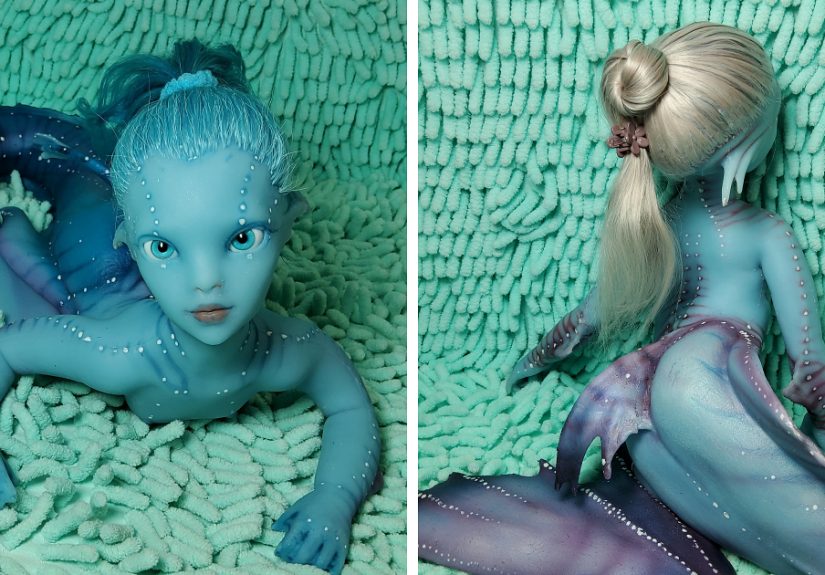
to get a look that’s soft, luminous, and believablelike it belongs to a sea creature who moisturizes and minds her business.
This article breaks down the idea, the design choices, the materials logic, and the practical considerations (including safety and compliance)
that come with making mermaid dolls with mohair hair.
Why Mermaid Dollsand Why Mohair?
Mermaids are a cheat code for creativity. You get permission to combine realism and fantasy: human expressions plus ocean textures,
fashion that can be “ancient treasure” or “beach day,” and color palettes that would look suspicious on a regular doll but feel
totally normal underwater. Mermaid dolls also invite storytellingcollectors love a character, and kids love a creature with a tail.
Hair, though, is the detail that makes or breaks the illusion. Doll hair is often synthetic (nylon, saran, kanekalon),
and it can be gorgeousbut it can also read as shiny-plastic, tangle easily, or fight styling unless you treat it like a tiny wig
with a full-time union contract. Mohair changes the vibe: it reads as a natural fiber because it is one.
Mohair in plain English
Mohair is a natural, protein-based fiber from Angora goats. It’s famous for its shine (it’s often nicknamed the “diamond fiber”),
its strength, and how well it takes dye. In fiber terms, it has that “light-catching” quality that makes colors look deeper and more alive,
which matters when you’re aiming for oceanic tonessea-glass green, stormy gray-blue, coral blush, or pearl-blonde.
Another detail doll artists care about: mohair comes in different “personalities.” Finer kid mohair (from younger goats) is often softer
and more baby-hair-like, while coarser mohair can create bolder texture for dramatic styles. Mohair can also include “kemp” (a coarser, brittle fiber)
in lower-quality fleeces; avoiding that matters for dye consistency and a smoother finished look.
Why mohair beats “regular” doll hair for a mermaid aesthetic
Mermaid hair is supposed to look like it has a relationship with waterfloating, clinging, curling, and moving in soft, natural clumps.
Mohair behaves more like real hair because it’s a natural animal fiber. It can form gentle ringlets, soft waves, or airy volume without looking like a
plastic Halloween wig. And because it dyes richly, you can build multi-tonal hairroots slightly deeper, ends slightly lighterwithout the color looking flat.
Mohair also brings “micro-storytelling.” A mermaid with pearl-white mohair and silver tips feels moonlit and ethereal. A mermaid with copper mohair feels
like a sunset. A mermaid with inky black mohair and teal streaks feels like deep oceanmysterious, unbothered, and probably the owner of several shipwrecks.
Designing a Mermaid Doll That Looks Alive
Mermaid dolls can be whimsical, realistic, or somewhere in between. But no matter the style, the design choices need to agree with each other:
hair texture, face sculpt, tail materials, color palette, and accessories should feel like they come from the same universe.
Scale, silhouette, and “the sea-breeze posture”
A mermaid doll’s silhouette is half the magic. A subtle S-curve through the torso makes the doll feel like it’s drifting. A slight tilt to the head
gives personality (curious, shy, regal, “I saw something sparkle”). The tail shape matters too: long and sleek reads elegant; wide and finned reads bold.
If the hair is natural and soft, the body should avoid looking too rigid or toy-like unless that contrast is intentional.
Skin tones, fins, and finishes
If you’re using mohair, you’re already leaning into realismso consider finishes that support it. Matte skin tones can feel more lifelike;
pearlescent highlights can suggest “sea shimmer” without turning the doll into a disco ball. For tails, layering colors (a base tone plus
translucent glazes, subtle speckles, or scale-like patterns) creates depth. If you add glitter, treat it like seasoning: a pinch, not a blizzard.
Hair color palettes inspired by the ocean
Mohair shines with complex color stories. Instead of one solid shade, think in palettes:
- Sea-glass ombré: pale aqua to soft mint to sandy blonde
- Storm tide: charcoal roots with steel-blue mid-lengths
- Coral reef: warm copper with a rosy highlight
- Moonlit kelp: deep black with subtle green undertones
These choices make the hair feel like a living element, not just “the stuff on the head.”
Working With Natural Mohair Hair
Natural fibers are wonderful… and also occasionally dramatic. Mohair can be soft and obedient, or it can decide it’s auditioning for a shampoo commercial
where it flips itself into your face mid-sentence. The key is choosing the right mohair and matching your attachment method to your doll’s construction.
Choosing the right mohair: kid vs. adult, curls vs. straight
If your mermaid is meant to look young, delicate, or “storybook sweet,” finer mohair (often sold as kid mohair) can create a baby-soft hairline and gentle texture.
If you want a bold, editorial mermaidbig curls, high volume, dramatic silhouetteslightly coarser or more textured mohair can hold shape and presence.
Curl pattern matters too. Tight curls create a wild, reef-like halo. Loose curls and waves create “just surfaced from the sea” softness.
Straight mohair can look sleek and elegant, especially when styled into braids or half-up looks.
Prep and shed management without losing your mind
Because mohair is a natural fiber, it may shed a bitespecially if it’s loose locks rather than pre-made wefts.
Many makers gently shake out or lightly brush fibers before attaching them, and they keep styles that work with the fiber’s natural behavior
rather than forcing it into a shape it hates.
A practical tip: treat mohair like a tiny creature. If you yank it, it complains. If you support it, it cooperates.
Attachment options: wefts, wig caps, and rooting
There are three common ways artists attach mohair hair, and each has a “best use” scenario:
- Wefts (strips of hair): Great for cloth dolls, art dolls, and heads where you want controlled placement. Wefts help you build layers and
manage thickness without bulk. - Wig cap + wefts: Ideal when you want a removable or replaceable hair piece, or when the head material doesn’t suit rooting.
Wig caps can also help you create a clean hairline without fighting the base material. - Rooting (inserting fibers into the head): Common for vinyl-style heads in the doll world. It can look incredibly realistic,
but it’s also the most technique-sensitive option and needs careful planning to avoid stress on the scalp material.
For mermaid dolls specifically, the “best” method depends on the story you’re telling. A collector-grade mermaid with a highly styled updo might benefit from
wefts and a wig cap so the style stays crisp. A softer, childlike mermaid can look charming with a rooted or lightly layered look that feels natural and touchable.
Styling Mohair on a Mermaid Doll
Styling is where mohair becomes magic. The goal is movement: hair that looks like it’s floatingeven when it’s sitting on a shelf.
Gentle styling: finger-shaping and light misting
Many artists rely on finger styling (yes, literally shaping with your hands) and minimal tools. Mohair can respond well to light moisture and gentle guidance,
especially if you’re enhancing its natural wave. Heavy, aggressive brushing can puff it out or make it frizzylike your doll just walked through a static field.
Creating “underwater” texture
Underwater hair doesn’t behave like “fresh blowout hair.” It clumps, separates, and forms soft strands. You can design for that:
loose braids that suggest sea currents, half-up knots that look like “collected seaweed,” or soft curls that frame the face like a tide moving in slow motion.
Care tips for collectors and gift-givers
If the doll is meant to be collectible, include care guidance. Mohair appreciates:
- gentle handling (no aggressive tugging)
- light detangling only when needed
- storage away from crushing pressure
- keeping hair away from sticky residues (lotions, oils, or accidental snack hands)
In other words: treat her like a tiny museum exhibit, not a lint roller.
Materials That Pair Well With Mohair
Mohair looks best when the rest of the doll supports its organic feel. If the hair is soft and natural, ultra-glossy plastic skin can feel mismatched unless
you’re going for a stylized “toy-chic” contrast. Many makers pair mohair with:
- Cloth bodies for warmth and charm
- Resin or polymer-clay faces for crisp expression detail
- Soft matte finishes to keep the overall look cohesive
- Natural accessories like tiny shells, pearls, or fabric sea-flowers (secured safely for the intended age group)
The mermaid tail can be sculpted, sewn, or cast, but the best versions carry depthlayered color, subtle texture, and fins that feel designed rather than
pasted on at the last second like a group project at 11:59 p.m.
Safety and Compliance If You Plan to Sell
If you’re making mermaid dolls for personal art, you can focus purely on creativity. If you plan to sell dolls intended for children,
you’ll also need to think about U.S. consumer product safety rules, including how products are age-graded, tested, and labeled.
Why this matters even for small makers
In the U.S., children’s products (generally products intended for kids 12 and under) can trigger requirements related to lead, phthalates,
third-party testing, certification, and tracking labels. The toy safety standard ASTM F963 is treated as a key baseline for toy safety in the U.S.
Even small-batch manufacturers can have specific obligations depending on the product and materials.
Mohair-specific considerations
Mohair itself is a fiber, but a doll is a system: hair attachment, adhesives, small accessories, and any coatings or finishes may influence safety.
If your mermaid has tiny shells, beads, or removable accessories, you’ll need to consider choking hazards for younger children.
And if the doll is aimed at collectors (teen/adult), you can label it clearly as a collectible rather than a child’s toy.
Age grading and honest labeling
A practical approach many makers take: decide who the doll is for, then design and label accordingly. A “collector art doll” can prioritize delicate detail.
A “toy for young kids” must prioritize durability and safetysecure attachments, no small parts for under-3, and materials that meet applicable rules.
If you’re unsure, consult official guidance and a qualified compliance professional, especially if you’re selling at scale.
Pricing, Positioning, and Storytelling
Natural mohair costs more than many synthetic doll hair options, and it takes more time to handle well. That’s not a downsideit’s a positioning opportunity.
You’re not selling “a doll with hair.” You’re selling:
- materials with a real origin (Angora goats, carefully processed fiber)
- a hand-finished aesthetic (layered color, texture, softness)
- a character with a story (name, sea region, personality, “found object” accessories)
In marketing terms, mohair becomes a feature: “natural mohair hair” is a premium phrase that communicates both craft value and sensory appeal.
Collectors understand it immediately. Casual buyers feel it even if they don’t know the fiber sciencethey see softness and realism.
Common Problems (And How Makers Typically Handle Them)
“The hair looks too fluffy.”
Mohair can puff if over-brushed. Many makers lean on gentle finger styling and minimal combing, letting the fiber settle into soft strands.
“The color looks flat.”
Ocean palettes come alive with tonal variation: a slightly deeper root, subtle highlights, or blended shades that mimic sea-light.
Even a small shift in tone can make the doll look more dimensional.
“My mermaid looks great… until the accessories take over.”
Mermaid accessories are fun, but too many can turn “mythical beauty” into “craft store explosion.” Pick one hero detaillike a shell crown or pearl belt
and let the mohair be the main character.
Afterword: From the Workbench
The first time I tried mohair on a mermaid doll, I learned a humbling truth: natural fiber has opinions.
I had a clear mental imagelong, silky, sea-witch glamour hair, drifting like it was suspended in water.
What I got, at first, was… “electrified dandelion with dreams.” The mermaid looked like she’d just swum through a thunderstorm.
But that early chaos taught me what synthetic hair doesn’t: you can’t bully mohair into behaving. You have to collaborate.
When I stopped trying to force perfect symmetry and started working with the fiber’s natural clumping and curl pattern, everything changed.
The hair began to look believablelike it had weight, texture, and a quiet softness. Instead of “wig,” it became “hair.”
One of my favorite moments was discovering how mohair catches light. Under warm indoor lighting, it looks soft and romantic.
Under cooler daylight, it suddenly reads more oceanicalmost misty. That glow is what makes mohair feel magical on a mermaid theme.
A synthetic fiber can shine, sure, but mohair shimmers. It’s the difference between plastic sparkle and “moonlight on waves.”
Styling became a creative ritual. I started planning hair like costume design: “Is she a shallow-water mermaid with sunlit highlights,
or a deep-sea mermaid with dark roots and a few unexpected teal strands?” Sometimes I’d build the hair color story first,
then match the tail paint and accessories to it. When the palette lined up, the doll felt cohesivelike a character you could write a whole book about.
The biggest surprise was how mohair influenced the doll’s expression. I didn’t change the face sculpt,
but the hair framing made her look gentler, older, bolder, or more mysterious depending on the style.
A soft wave made her look approachable, like she’d offer you sea-glass and good advice.
Tight curls made her look mischievous, like she knows where the shipwreck treasure is and won’t tell you unless you bring snacks.
And yes, there were practical lessons too. Mohair asks for patience. It rewards you for slow decisionsplacing layers thoughtfully,
building volume gradually, and stopping to check the silhouette from different angles. When I rushed, it looked rushed.
When I took my time, the doll looked expensive (even if I was working on my kitchen table with a mug of cold coffee nearby).
Now, when I see a finished mohair-haired mermaid doll, it feels like a tiny victory: art and material science holding hands.
The doll doesn’t just look “cute.” She looks like she has a world. And honestly? That’s the whole point.
Conclusion
Creating mermaid dolls whose hair is made of natural mohair is a blend of imagination and intentional design.
Mohair brings softness, shimmer, and realism that fits the mermaid aesthetic perfectlyespecially when you treat hair as a core design element,
not an afterthought. When you match the mohair’s texture and color story to the face, tail, and accessories, the doll becomes more than a craft:
it becomes a character. And if you plan to sell, it’s worth respecting the safety and compliance side so your artistry can travel confidently into the real world.