
Table of Contents >> Show >> Hide
- Why Lemon Actually Works as a Cleaner
- My Lemon Cleaning Toolkit
- Test #1: Lemon vs. Greasy Stove and Oven Door
- Test #2: Sink, Faucet, and Cutting Boards
- Test #3: The Lemon Steam Microwave Spa
- What Lemon Cleaned Beautifullyand Where It Failed
- Is Lemon Really Disinfecting My Kitchen?
- How to Add Lemon to Your Kitchen Cleaning Routine
- Final Verdict: Did I Love Cleaning My Kitchen With Lemon?
- Extra: What I Learned After a Month of Cleaning With Lemon
I’ve tried just about every fancy spray bottle the cleaning aisle can throw at me. Some smell like a swimming pool, some smell like a perfume counter, and some smell like “chemical citrus” that never met a real lemon in its life. So one weekend, after scrolling past yet another post about cleaning your kitchen with lemon, I decided to ditch the harsh stuff and give the real fruit a chance.
Spoiler: my kitchen smelled like a spa, my sink sparkled, and I may or may not now judge people by how many lemons they keep on their counter.
Why Lemon Actually Works as a Cleaner
Lemons aren’t just cute yellow props for food photos. They’re little cleaning powerhouses. The secret is citric acid, which gives lemon juice its low pH. That acidity helps break down grease, dissolve mineral deposits, and loosen crud on kitchen surfaces. It also has mild antibacterial properties, which is why lemon shows up in a lot of “natural cleaner” recipes.
Several studies on citric acid and lemon extracts show they can inhibit the growth of certain bacteria, although they’re still not as strong as dedicated disinfectants like bleach or some commercial cleaners. So lemon is great for day-to-day freshening and light cleaning, but it’s not your one-stop solution for sanitizing raw-chicken cutting boards.
On the practical side, lemon juice is amazing at:
- Cutting through greasy film on stovetops and ranges
- Deodorizing sinks, trash cans, and fridge shelves
- Helping lift stains (especially when mixed with salt or baking soda)
- Leaving a fresh, clean, not-overwhelming scent
Armed with this knowledge (and a bag of lemons), I went all in on a lemon cleaning experiment in my kitchen.
My Lemon Cleaning Toolkit
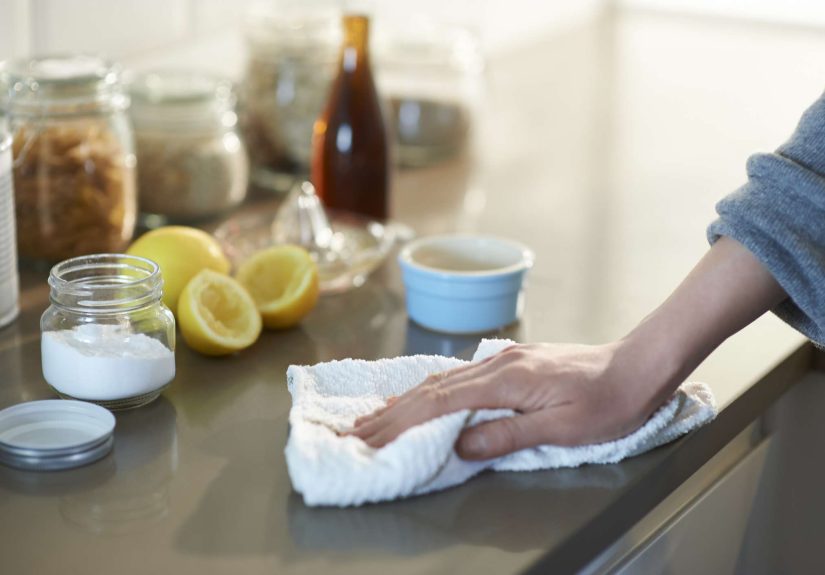
I didn’t overcomplicate it. Here’s what I used for my “clean the kitchen with lemon” day:
- Fresh lemons (I ended up using about six for a full clean)
- Coarse salt (for scrubbing and scouring)
- Baking soda (for stubborn grease)
- White vinegar (to boost cleaning power on some surfaces)
- Warm water
- Microfiber cloths and a non-scratch sponge
- A spray bottle for lemon-based all-purpose spray
Most natural-cleaning guides recommend combining lemon with baking soda or vinegar to make it more effective on tough messes, especially grease and soap scum.
Test #1: Lemon vs. Greasy Stove and Oven Door
My stove was… let’s say “visually busy.” A mix of oil splatters, old sauce, and that mysterious crust you only notice when guests are coming over.
The Method
- I sliced a lemon in half and sprinkled baking soda directly onto the cut surface.
- I used the lemon half as a scrubber, rubbing it over the stovetop and the oven door.
- For extra stubborn spots, I made a paste of lemon juice and baking soda and let it sit for about 10 minutes before scrubbing.
- I wiped everything down with a damp microfiber cloth, then buffed dry.
The Results
The combination of lemon and baking soda worked like a charm. The acid loosened the grease while the baking soda acted like a mild abrasive. A lot of natural cleaning guides suggest this exact combo for cooked-on grime and stuck-on grease, and now I understand why.
The best part? No chemical fumes. Just a bright citrus smell that made the whole kitchen feel fresher. It didn’t remove absolutely everything in one swipereally baked-on, ancient stains still needed elbow greasebut it handled 90% of the mess without a single harsh cleaner.
Test #2: Sink, Faucet, and Cutting Boards
Next up: my stainless steel sink, the faucet, and my battle-scarred wooden cutting board.
Lemon and Salt on the Cutting Board
I followed a popular method many kitchen experts recommend: sprinkle coarse salt on a wooden cutting board, then scrub with half a lemon.
- Sprinkle a generous layer of coarse salt on the board.
- Use a lemon half (cut side down) to scrub in circles, pushing the salt around and working it into the wood.
- Let the lemon-salt mixture sit for about 5 minutes.
- Rinse with warm water and let the board dry upright.
The board looked brighter and smelled cleanno lingering onion vibes. The salt acted like a gentle scrub, and the lemon helped lift stains and neutralize odors. However, it’s worth noting that while lemon can reduce bacteria, experts still recommend using a stronger disinfectant or very hot, soapy water for boards that touch raw meat.
Lemon on the Sink and Faucet
For the sink and faucet, I sprinkled a little baking soda around the basin, then used half a lemon to scrub around the drain, edges, and fixtures. The combination did a good job removing water spots and grease and left the stainless steel looking brighter after I rinsed and buffed it dry.
One caution: cleaning experts warn that lemon’s acidity can damage certain finishes over time, especially if it sits too long on some metals. So I made sure to rinse thoroughly and not leave the lemon juice hanging out on the surface.
Test #3: The Lemon Steam Microwave Spa
My microwave is basically a museum of past meals. There are splatters in there from food I can’t even remember making. Luckily, the internet is obsessed with cleaning the microwave with lemon, so I followed the most common method.
The Method
- Fill a microwave-safe bowl with about 1 cup of water.
- Add the juice of one lemon, plus the lemon halves.
- Microwave on high for 3–5 minutes until the liquid boils and steams.
- Leave the door closed for another 3–5 minutes to let the steam loosen grime.
- Carefully remove the bowl, then wipe down the inside with a cloth.
The Results
This might have been my favorite part of the whole experiment. After steaming, gunk that used to require aggressive scrubbing just wiped right off. The lemon didn’t just mask smellsit genuinely neutralized that weird “old food plus leftovers” scent microwaves love to hold onto.
If you try only one lemon cleaning hack, make it this one. It’s low effort, low cost, and feels absurdly satisfying.
What Lemon Cleaned Beautifullyand Where It Failed
The Wins
- Light grease on stovetops and oven doors: Lemon + baking soda took care of most of it.
- Odors in the sink and garbage disposal: Lemon slices plus hot water helped cut lingering smells.
- Stains and smells on wooden cutting boards: Lemon and salt made a very visible difference.
- Microwave crud and odors: The steam method worked incredibly well.
The So-So Moments
- Heavy, baked-on oven grime: Lemon helped soften it, but it didn’t replace a dedicated oven cleaner.
- Old discoloration on pans: Lemon brightened things a little, but years of scorch marks didn’t vanish overnight.
Surfaces You Shouldn’t Clean With Lemon
This is important. Just because lemon is “natural” doesn’t mean it’s safe for every surface. Cleaning experts warn that lemon can:
- Etch and dull natural stone like marble, granite, and limestone
- Damage some stainless steel finishes if left on too long
- Lighten or discolor delicate fabrics or finishes (it can act like a mild bleach)
Recent home-care advice from cleaning professionals suggests avoiding lemon on natural stone, electronic screens, painted surfaces, and some metals unless you know it’s safe and rinse quickly.
So yes, lemon is amazingbut it’s not an all-purpose cleaner for every surface in your kitchen.
Is Lemon Really Disinfecting My Kitchen?
Here’s where we need to be honest. Lemon does have antibacterial effects thanks to its citric acid and other natural compounds. But research comparing different natural antimicrobials finds that vinegar often performs better as a sanitizer, with lemon coming in behind it.
That means lemon is great for:
- Everyday cleaning and freshening
- Helping reduce some bacteria on surfaces
- Complementing other cleaners like soap or vinegar
But for high-risk zones (think raw-meat cutting boards, spills from raw eggs, or anything that could cause foodborne illness), you still want a proven disinfectantwhether that’s a properly diluted bleach solution, a certified disinfecting cleaner, or very hot soapy water followed by thorough drying.
In my kitchen, I’ve decided lemon is perfect for “maintenance cleaning,” while the heavy hitters only come out when there’s a real germ situation.
How to Add Lemon to Your Kitchen Cleaning Routine
After my experiment, I ended up creating a simple lemon-based routine that’s easy to keep up with:
Daily or Every Few Days
- Wipe down counters with a mild all-purpose spray (water, a bit of vinegar, and a splash of lemon juice).
- Scrub the sink quickly with lemon and baking soda when it starts to look dull.
- Toss lemon slices into the garbage disposal with hot water to keep odors down.
Weekly
- Do the microwave steam treatmenttakes 10 minutes and makes a big difference.
- Give wooden cutting boards a lemon-and-salt spa day.
- Spot-clean the oven door with a lemon and baking soda paste for grease splatters.
Safety Tips
- Always do a small spot test before using lemon on a new surface.
- Don’t leave lemon juice sitting too long on metal or stone.
- Rinse and dry surfaces well to avoid corrosion or dullness.
Used wisely, lemon becomes a versatile part of an eco-friendly kitchen cleaning routineespecially when paired with other natural staples like vinegar and baking soda.
Final Verdict: Did I Love Cleaning My Kitchen With Lemon?
By the end of the weekend, here’s what I noticed:
- My kitchen smelled incrediblefresh, not fake.
- The stove, sink, and microwave looked genuinely brighter.
- I used far fewer synthetic cleaners and didn’t miss the fumes at all.
Is lemon a miracle cleaner that replaces every product under your sink? No. But as a daily or weekly go-to for grease, smells, and light grime, it’s surprisingly powerful. And there’s something oddly satisfying about cleaning with real food instead of a neon-blue liquid.
So yes, I tried cleaning my kitchen with lemonand I really did love it. My citrus habit is here to stay.
Extra: What I Learned After a Month of Cleaning With Lemon
I didn’t stop after that first weekend. I kept using lemon as part of my kitchen routine for a full month, and a few interesting things happened.
1. I Started Cleaning More Often (Without Hating It)
There’s this tiny mental hurdle when cleaning involves harsh smells or gloves and mask-level fumes. With lemon, that barrier almost disappeared. I’d slice a lemon for tea, notice a few crumbs on the counter, and think, “Eh, I’ll just wipe this down real quick.”
Because it felt simple and pleasant, I cleaned in smaller burstsand my kitchen stayed consistently tidier. The big weekend deep cleans turned into faster touch-ups.
2. I Became Weirdly Protective of My Cutting Boards
Once I started doing the lemon-and-salt scrub weekly, my wooden cutting boards looked so much better that I became one of those people who side-eye anyone trying to soak them in water. The lemon treatment helped lift stains and keep lingering odors under control, so I didn’t feel the need to replace my boards just because they looked “tired.”
It also turned into a little self-care ritual: sprinkle salt, scrub with lemon, rinse, stand them up to dry. Very “cozy homemaker,” in the best way.
3. I Used Fewer Paper Towels
Because I was working with real juice and not a sticky commercial spray, I defaulted to microfiber cloths and washable sponges. Lemon rinses off easily, and I didn’t feel like I needed half a roll of paper towels to chase away soap residue.
After a month, my trash can filled up more slowly, and my cleaning cabinet was noticeably less crowded. I had my lemon, my baking soda, my vinegar, and a couple of backup store-bought cleaners for specific jobs. That was it.
4. I Learned Where Lemon Is Not the Hero
Nothing teaches you respect for a cleaning ingredient like watching it almost sabotage your stone-look countertop. After reading up on what not to clean with lemon, I got very careful about where that juice landed.
I started using designated areas: lemon for the sink, microwave, and boards; gentle, pH-neutral cleaners for anything that looked like it might be sensitive. That balance kept things safe while still letting lemon shine where it really excels.
5. Cleaning Felt Less Like a Chore and More Like a Habit
Weirdly enough, the more “homemade” my cleaning became, the more I felt in control of my space. Instead of grabbing a bottle of mystery ingredients, I knew exactly what was going onto my surfacesand into the air I was breathing.
By the end of the month, using lemons in my kitchen stopped feeling like an “experiment” and started feeling normal. Now, if I don’t smell that quick burst of fresh citrus at least once or twice a week, my kitchen feels… unfinished.
So yes, it started as a curious, slightly skeptical test: Can I really clean my kitchen with lemon and not regret it? A month later, I’m a convertwith a permanent spot in the fruit bowl reserved for my favorite natural cleaner.







Acid Nitric in lemon: Why Lemon Actually Works as a Cleaner