Table of Contents >> Show >> Hide
- What Makes Indian Crab Curry Special?
- Choosing the Best Crab for Curry
- Ingredients for Indian Crab Curry
- Step-by-Step: How to Make Indian Crab Curry
- How to Serve Indian Crab Curry
- Tips for Perfect Crab Curry Every Time
- Variations You Can Try
- Storage and Reheating
- Extra : Real-Life Experiences with Indian Crab Curry
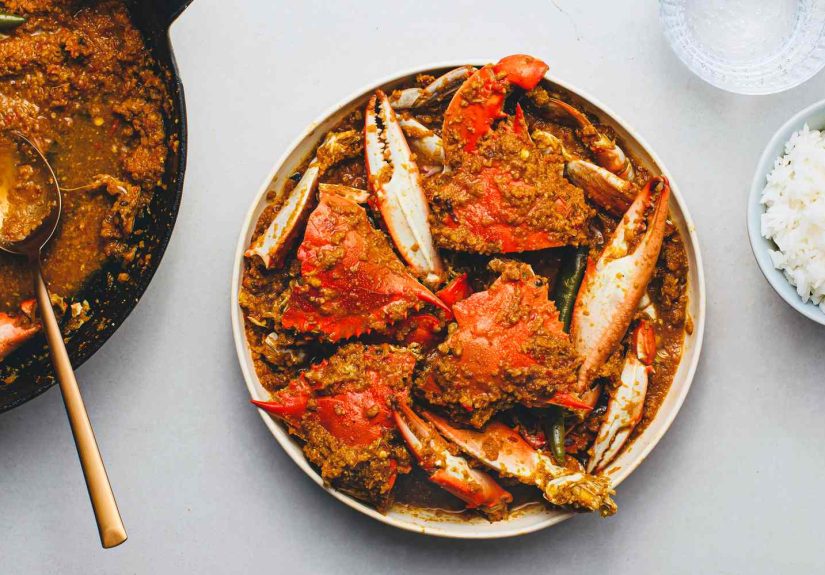
Few dishes feel as luxurious and cozy at the same time as a bowl of Indian crab curry.
Sweet, tender crab meat bathing in a fragrant gravy of coconut, tomatoes, and warm spices,
spooned over fluffy basmati rice… it’s the kind of meal that makes everyone at the table go quiet
for a moment and then say, “Okay, who made this and can we be friends?”
The good news: Indian crab curry is absolutely doable in a home kitchen, even if you’re working
with Dungeness or blue crab from your local grocery store in the U.S. The key is understanding
a few basicshow to prep the crab safely, how to build a balanced masala, and how to finish the curry
so it tastes restaurant-level, not “mystery seafood soup.”
What Makes Indian Crab Curry Special?
Indian crab curry combines the natural sweetness of crab with layers of spice and tang.
Many coastal regions of IndiaGoa, Kerala, Tamil Nadu, and pockets of the Konkan coasthave
their own signature versions. Some are bright and tangy with tamarind, others rich and creamy with coconut,
and some are fiery with dried red chiles and peppercorns. What they all share is big flavor and a
generous amount of sauce, because the whole point is to scoop that gravy up with rice, naan, or soft bread rolls.
This recipe leans into a Goan–South Indian style: crab simmered in a coconut-based gravy with onions,
tomatoes, garlic, ginger, and a bold spice blend, plus a touch of tamarind or lime for acidity.
It’s designed for home cooks in the U.S., so you can use commonly available crabs and pantry spices.
Choosing the Best Crab for Curry
Traditionally, Indian coastal cooks use fresh sea crab, often sold live and cleaned at home.
In the U.S., you’ll usually find:
- Dungeness crab – Meaty, sweet, and perfect for curry.
- Blue crab – Smaller but intensely flavorful; great if you like to work for your food.
- Snow or king crab legs – Less traditional but still delicious if that’s what you can get.
The most important rule: never use a crab that’s already dead unless it was cooked and chilled immediately.
Many seafood safety guides emphasize that dead, uncooked crab spoils quickly and can be unsafe to eat.
Live vs. Pre-Cleaned Crabs
If working with live crab feels intimidating, ask the fishmonger to clean and section them for you.
Many grocery seafood counters in the U.S. will do this on request. If you do bring live crabs home,
common cleaning tutorials show a similar method:
- Remove the under flap and top shell.
- Pull off the gills (“dead man’s fingers”).
- Rinse away any yellowish membranes while keeping the white meat and any bright orange roe, if present.
- Cut the body into 2–4 pieces and lightly crack the claws so the curry penetrates the meat.
Ingredients for Indian Crab Curry
This recipe serves 4 hungry people (or 3 very enthusiastic crab fans).
Main Ingredients
- 2–2.5 pounds (900–1,100 g) crab, cleaned and cut into pieces
- 2 tablespoons neutral oil (canola, sunflower, or avocado)
- 1 tablespoon ghee (optional, for extra flavor)
- 1 large onion, finely chopped
- 2 medium tomatoes, finely chopped
- 2–3 green chiles, slit lengthwise (jalapeño or serrano)
- 10–12 fresh curry leaves (optional but very traditional)
- 1 cup full-fat coconut milk
- 1/2–1 cup water or seafood stock (adjust for gravy thickness)
- Salt to taste
- Juice of 1/2–1 lime or 1–2 teaspoons tamarind paste
- Fresh cilantro leaves, chopped, for garnish
Spice & Aromatic Mix
- 1.5 teaspoons ground turmeric
- 2 teaspoons ground coriander
- 1 teaspoon ground cumin
- 1–2 teaspoons Kashmiri chili powder (for color and mild heat)
- 1/2 teaspoon hot red chili powder or cayenne (optional, for extra spice)
- 6–8 cloves garlic, minced
- 1.5-inch piece fresh ginger, grated
- 1 teaspoon garam masala, added at the end
- Optional whole spices: 1 cinnamon stick, 3–4 cloves, 3–4 green cardamom pods
This combination is inspired by Goan and Chettinad crab curries that layer roasted spices, coconut,
and aromatics to create a deep, rounded flavor.
Step-by-Step: How to Make Indian Crab Curry
Step 1: Prep the Crab
- If using live crabs, cook and clean them following a reputable guide or your fishmonger’s instructions.
- Rinse the cleaned crab pieces briefly under cold water and drain well.
- Lightly crack the claws with the back of a heavy knife or a crab cracker. This helps the gravy seep in.
Step 2: Build the Masala Base
- Heat the oil (and ghee, if using) in a wide, heavy-bottomed pot over medium heat.
- Add the whole spices (cinnamon, cloves, cardamom), if using, and let them sizzle for 30 seconds.
- Add the chopped onions and sauté until deep golden brown. This can take 8–10 minutes and is worth the patience.
- Stir in the ginger and garlic and cook for 1–2 minutes until the raw smell disappears.
- Add the green chiles and curry leaves and sauté briefly.
- Add the tomatoes and a pinch of salt. Cook down until the tomatoes break down into a thick, jammy base and the oil separates slightly from the mixture.
Step 3: Toast the Ground Spices
- Turn the heat to low.
- Sprinkle in turmeric, coriander, cumin, Kashmiri chili powder, and hot chili powder (if using).
- Cook the spices with the tomato-onion mixture for 1–2 minutes, stirring constantly so nothing burns.
You want the spices fragrant, not scorched.
Step 4: Add the Crab and Simmer
- Add the crab pieces to the pan and gently toss to coat them in the masala.
- Pour in 1/2–1 cup water or stockjust enough to create a loose gravy.
- Bring to a gentle simmer, cover, and cook for 8–10 minutes, stirring once or twice.
The crab should turn bright orange/red and start releasing its juices. - Pour in the coconut milk, stir, and simmer uncovered for another 5–7 minutes.
Avoid boiling violently, as that can split the coconut milk. - When the crab meat is opaque and cooked through and the gravy is slightly thickened,
taste for salt and heat.
Step 5: Finish with Acid and Aroma
- Stir in the garam masala.
- Add lime juice or tamarind paste a little at a time, tasting as you go.
You’re aiming for a pleasant tang that lifts the richness of the coconut and crab without turning the dish sour. - Turn off the heat and let the curry rest for 5–10 minutes. Curries often taste even better after a short rest as the flavors settle.
- Garnish with chopped cilantro and an extra squeeze of lime at the table if desired.
How to Serve Indian Crab Curry
Indian crab curry is a bit of a hands-on affairthis is not a “polite first date” dish unless your idea of romance
includes cracking claws and licking your fingers (no judgment, honestly).
- With rice: Steamed basmati rice is the classic pairing. The grains soak up the gravy beautifully.
- With bread: Serve with naan, roti, or crusty bread to mop up the sauce.
- With sides: A simple cucumber-onion salad with lime, or a basic kachumber, adds freshness and crunch.
Tips for Perfect Crab Curry Every Time
1. Don’t Rush the Onion Base
Golden-brown onions are the backbone of many Indian curries. If you rush this step and leave them pale,
the flavor will taste flat, no matter how much spice you add later.
2. Balance Heat, Sweetness, and Tang
Good crab curry isn’t just “spicy.” The natural sweetness of the crab and coconut should be balanced with
gentle heat from chiles and a bright edge from tamarind or lime. Taste at the end and adjust:
- Add more lime/tamarind if it feels heavy or overly rich.
- Add a pinch of sugar if it tastes too sharp.
- Add a splash of coconut milk if you went a little too hard with the chili powder.
3. Avoid Overcooking the Crab
Most crab pieces cook through in about 10–15 minutes of gentle simmering. If you cook them much longer,
the meat can become stringy and dry. Aim for just-done: firm, opaque meat that pulls away in chunks.
4. Use Fresh or Good-Quality Frozen Coconut Milk
Full-fat coconut milk gives the gravy body and a silky mouthfeel. Low-fat versions tend to be watery and can split more easily.
Shake the can well before opening, and add it toward the end of cooking.
5. Plan for the Mess (and Enjoy It)
Crab curry is famously messy to eat. Provide plenty of napkins, a big bowl for shells, and maybe a finger bowl with warm water and lemon slices.
When your guests are happily elbow-deep in curry, you’ll know you did it right.
Variations You Can Try
- Extra-tangy Goan style: Add more tamarind and a bit of grated coconut, and emphasize Kashmiri chiles for color.
- Chettinad-inspired: Toast whole coriander, cumin, fennel, and black peppercorns, then grind them into a spice paste with coconut before adding.
- Creamier version: Add a bit more coconut milk and simmer slightly longer for a richer, thicker gravy.
- Leaner version: Use less coconut milk and more tomatoes and stock for a lighter, brothier curry.
Storage and Reheating
If you somehow have leftovers (rare, but it happens):
- Cool the crab curry quickly and transfer it to an airtight container.
- Refrigerate for up to 2 days. Seafood is best eaten sooner rather than later.
- Reheat gently over low heat, adding a splash of water or coconut milk to loosen the gravy.
The flavor often deepens overnight, but the crab meat can firm up slightly. This makes leftovers perfect for picking the meat out
and using it in crab fried rice or a crab masala toast.
Extra : Real-Life Experiences with Indian Crab Curry
Cooking Indian crab curry isn’t just about following steps; it tends to turn into an experiencepart cooking project, part group activity,
part “why is there curry on the ceiling” mystery. If you’ve never made it before, here’s what it actually feels like in a real kitchen.
The adventure usually begins at the seafood counter. You stand there, staring at live crabs, trying to look confident while internally
Googling “how to handle live crab without screaming.” The fishmonger casually scoops them up like it’s no big deal and asks if you want them
cleaned. If this is your first time, saying “yes, please” is not cheating; it’s smart. Many Indian and Asian recipes assume you grew up
watching someone do this, but most home cooks in the U.S. did not have “crab butchery” in their childhood curriculum.
Back in the kitchen, once you’ve crossed the crab-cleaning hurdle, the rest of the recipe feels grounding and familiar if you’ve ever made
any kind of Indian curry. The onions slowly turn golden, the garlic and ginger release that unmistakable aroma, and suddenly your whole
home smells like a seaside restaurant somewhere along the Konkan coast. This is usually when someone in your household wanders in and asks,
“What are you making and when is it ready?”
Adding the crab to the pot is the moment where the dish stops being a generic curry and becomes crab curry. The shells turn
bright orange, a little steam carries the scent of the ocean up to your face, and the gravy starts to pick up that sweet, briny dimension
that no amount of fish sauce or stock cubes can fake. Taste the sauce about halfway through cooking and you’ll notice a transformationwhat
started as a spiced tomato-onion base suddenly tastes layered, fuller, and somehow more “complete.”
The first time many people serve Indian crab curry, they underestimate how much of a social event it becomes. Nobody eats quietly.
There is slurping, cracking, laughing, and friendly arguments over who gets the last claw. People roll up their sleeves, lean over their plates,
and forget their phones exist for a while. If you’re used to dinner parties where everyone politely eats boneless chicken breast with a knife and fork,
crab curry feels like a small rebellion in the best possible way.
Hosting with crab curry also teaches you practical lessons. For example: always set out more napkins than you think you need.
Put a large bowl in the center of the table for shells, and don’t use your best white tablecloth unless you enjoy living dangerously.
If kids are eating, expect them to either (a) fall completely in love with the dish or (b) declare that they’re naming the crab claws and can’t eat them.
Either way, it’s memorable.
Many people who grew up in coastal Indian households talk about crab curry as a “special occasion” dishsomething cooked when relatives visited,
when someone came home after a long time away, or for lazy Sunday lunches that stretched well into the afternoon. Recreating that feeling in a U.S. kitchen
can be surprisingly powerful. The recipe becomes more than just instructions; it’s a way to channel memories of family gatherings, or to build new ones
if this is your first time making it.
Over time, you’ll probably develop your own signature version. Maybe you add a touch more coconut milk because your family loves a creamier gravy.
Maybe you swap tamarind for lime because that’s what you usually have on hand. Maybe you use Dungeness crab one time and blue crab the next and decide
you prefer the flavor of one but the meatiness of the other. That’s the beauty of Indian crab curry: it’s flexible enough to adapt to your preferences
while still feeling deeply rooted in tradition.
Most importantly, making Indian crab curry at home gives you a reason to slow down and embrace the mess and the ritual of cracking shells,
fishing out sweet pieces of meat, and savoring every drop of gravy. It’s not fast food. It’s not neat food. But it is the kind of food people talk about long after the dishes are doneand usually follow up with, “So… when are you making that crab curry again?”
Sources: