Table of Contents >> Show >> Hide
- What “information overload” really looks like in modern medicine
- Inside the KevinMD panel: Who’s at the table and what are they seeing?
- How information overload feeds physician burnout
- Solutions from the panel: Less noise, more meaning
- Can AI actually help with information overload?
- Key takeaways for listeners and health leaders
- Real-world experiences: what information overload feels like on the front lines
- Conclusion: Turning down the volume so care can be heard
If you’ve ever watched your doctor stare at a computer screen more than at your face, you’ve seen
the problem this KevinMD podcast tackles head-on: information overload and physician burnout.
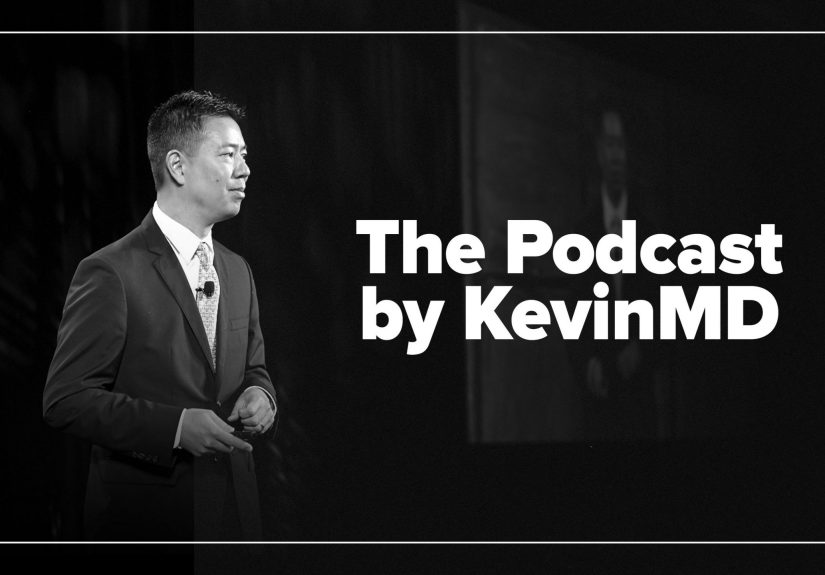
In a special episode of The Podcast by KevinMD, host Kevin Pho, MD, teams up with health
IT company DrFirst and a panel of front-line physicians and digital health leaders to unpack why
doctors are drowning in dataand what it will realistically take to pull them back to the surface.
This isn’t just about a few extra emails. It’s about a daily avalanche of electronic health record
(EHR) clicks, inbox messages, test results, guideline updates, payer rules, and patient portal
pings that collectively push physicians toward exhaustion, cynicism, and, ultimately, burnout.
Mix in long hours and a never-ending documentation queue, and you’ve got a recipe for a workforce
crisis that touches every patient who walks through the door.
What “information overload” really looks like in modern medicine
In the abstract, “information overload” sounds like a tech buzzword. On the ground, it’s brutally
concrete. Physicians must juggle lab results, imaging, consult notes, pharmacy messages, prior
authorizations, inbox notifications, clinical decision support alerts, and an ever-growing pile
of clinical guidelines. Every piece might be important; together, they can overwhelm the brain’s
ability to prioritize and act.
Research on clinicians’ cognitive load backs up what many doctors describe anecdotally. Studies
show that when the volume and complexity of data exceed working memory capacity, error rates rise
and performance drops. In simulated clinical scenarios, information overload has been linked to
missed abnormal results, delayed responses, and higher cognitive strain.
And the information isn’t just clinical. There are messages from colleagues, insurance rules,
quality metrics, billing requirements, and a constant stream of health system announcements.
Many physicians describe their normal workday as a kind of permanent “multi-tab mode,” with
attention constantly yanked from patient to portal, from phone to prior auth, from EHR alert to
email. That level of fragmentation isn’t just annoyingit’s exhausting.
Inside the KevinMD panel: Who’s at the table and what are they seeing?
A mix of front-line clinicians and digital health leaders
The KevinMD panel brings together physicians who see the overload from multiple angles:
front-line clinicians who spend their days in the exam room, and health IT leaders who design
and implement digital tools. The episode, produced in partnership with DrFirst, features
voices like Sameer Badlani, MD, a chief digital officer in a large Midwestern health system,
and Colin Banas, MD, a chief medical officer for DrFirst, along with other physicians who live
in the intersection of patient care and technology.
That combination matters. The panelists have written orders at 2 a.m. in a chaotic emergency
department, and they’ve also sat in conference rooms making decisions about EHR builds and
data flows. They’re painfully aware that a single design decisionsay, whether a certain message
is auto-CC’d to a physiciancan translate into hundreds of extra clicks a week.
Themes from the discussion: drowned by data, starved for time
Several core themes emerge from the conversation:
- The inbox that never sleeps. Primary care doctors can receive hundreds of
EHR inbox messages per weekrefill requests, portal messages, test results, FYI notifications,
and more. Many physicians now spend hours after clinic, often late into the evening, catching
up on these messages. - Documentation drag. National survey data show U.S. physicians report heavy
documentation burden from EHRs, with many feeling that charting is excessive and takes away
from patient care. Documentation burden has been repeatedly identified as a key driver of
burnout. - Alert fatigue. Clinical decision support is supposed to help clinicians,
but too many low-value alerts lead to “click-through” behavior, where providers override or
dismiss pop-ups just to move forward. Over-alerting can paradoxically undermine safety by
training clinicians to ignore warnings. - Emotional spillover. It’s not just the time; it’s the mental load. The
panelists describe feeling constantly “behind,” worried that they may miss something buried
in the digital haystack. That chronic anxiety is fertile ground for burnout.
How information overload feeds physician burnout
Physician burnout isn’t a personality flaw or a resilience problem. It’s a systems problem, and
information overload is one of the system’s loudest alarm bells. Burnout typically shows up as
emotional exhaustion, depersonalization (“I feel numb toward my patients”), and a reduced sense
of professional accomplishment. The digital deluge supercharges all three.
The EHR as a second (unpaid) job
Large studies of office-based physicians in the United States have found that many clinicians
spend substantial portions of their dayand often their eveningcompleting documentation and
managing EHR tasks. Some report feeling that they do “a full clinic day twice”: once in the
exam room, and again in their kitchen after dinner.
It’s not surprising, then, that physicians with more EHR time often report higher burnout scores.
In some settings, doctors who reduce their clinical hours aren’t doing so because they love
leisure; they’re trying to get their EHR workload down to something survivable.
From cognitive overload to safety risks
When physicians operate under constant information pressure, mistakes are more likely. Studies
have linked electronic information overload with increased cognitive load, more frequent task
switching, and higher error rates in simulated patient-care scenarios. Too many competing
alerts or messages can cause critical detailslike a dangerously abnormal test resultto be
overlooked or addressed late.
The panel emphasizes that this isn’t about blaming individual doctors. When you ask any human
to process more data than their brain can safely handle, the systemnot the workeris broken.
Solutions from the panel: Less noise, more meaning
Thankfully, the KevinMD discussion isn’t just a 60-minute vent session. The panelists come with
practical ideas, some already in use in health systems across the country, to tame information
overload and protect clinicians’ mental health.
1. Team-based inbox management
One of the clearest strategies is to redesign how EHR inbox work is shared. Rather than assuming
every message must be handled by a physician, leading organizations use team-based workflows:
nurses, medical assistants, and pharmacists help triage, respond to routine messages, and prep
orders for physician signature.
Toolkits from professional groups such as the American Medical Association outline ways to measure
inbox volume, remove unnecessary auto-CCs, and build protocols so that the right team member,
not necessarily the doctor, handles each type of message.
2. Smarter alerts, fewer pop-ups
The panel also calls for more thoughtful alert design. Rather than bombarding physicians with
endless low-priority warnings, health systems can:
- Turn off nonessential alerts that rarely change care.
- Prioritize high-risk, high-impact alerts and make them visually distinct.
- Engage clinicians in regular reviews of decision support rules to remove outdated or
redundant triggers.
Research and industry experience both suggest that reducing low-value alerts can restore trust
in the remaining ones, improving both workflow and patient safety.
3. Redesigning schedules and expectations
Several panelists underscore a hard truth: if a clinic schedule is booked to the minute with
back-to-back visits, there simply isn’t time to thoughtfully process information. Some health
systems have responded by:
- Building “admin blocks” into schedules specifically for inbox and documentation work.
- Protecting no-meeting times so physicians can catch up without being pulled into more Zoom calls.
- Recognizing after-hours EHR work as real labor when setting productivity expectations and compensation.
These changes may not be glamorous, but they send a powerful message: the cognitive and clerical
work of managing information is real work, not invisible “extra credit.”
4. Culture change: It’s okay to say “this is too much”
A subtle but important theme from the podcast is permission. For years, physicians have felt
pressured to quietly absorb whatever the system throws at themmore alerts, more metrics, more
inbox channelswithout pushing back. The panel argues that health care organizations must make
it normal for clinicians to speak up when information demands exceed safe limits.
That might mean tracking inbox volumes transparently, surveying clinicians about cognitive load,
and involving physicians in any new digital rollout from day one. It also means leaders openly
naming burnout risk, not treating it as a private failing or a taboo topic.
Can AI actually help with information overload?
Any conversation about digital overload eventually bumps into another buzzword: artificial
intelligence. The panel touches on the promiseand the limitsof AI as a potential relief
valve for physicians buried in data.
One of the most promising developments is “ambient AI” documentation tools: smartphone or
room-based systems that passively listen (with consent) to clinical visits and automatically
generate notes, orders, and follow-up instructions. Reports from early adopters in large
systems suggest these tools can significantly reduce documentation time and after-hours
charting, while freeing physicians to make eye contact with patients again.
On a broader level, researchers are exploring whether AI “guardians” could help filter and
prioritize the flood of health informationfor both clinicians and patientsso that people
see what they need, when they need it, without being overwhelmed.
Still, the panelists are appropriately cautious. AI can either reduce or worsen overload
depending on how it’s implemented. A poorly designed system that creates yet another inbox
or generates unreviewable automated messages is not a solution; it’s a new problem with
better branding.
Key takeaways for listeners and health leaders
The KevinMD podcast episode doesn’t pretend that there’s a single magic fix for physician
burnout. But it does leave listenerswhether you’re a clinician, administrator, or patient
with several clear takeaways:
- Information overload is real, measurable, and dangerous. It drives
burnout and can compromise safety when critical signals get lost in the noise. - Technology design matters. EHR features, inbox rules, and alert logic
are not neutralthey directly shape clinicians’ daily experience and mental health. - Burnout is a system issue, not a grit issue. You can’t yoga your way out
of 300 inbox messages per day. - Team-based workflows and AI tools can help, but only if they are designed
with clinician input and backed by cultural and scheduling changes. - Listening to clinicians is non-negotiable. The people living in the data
flood are best positioned to help redesign the riverbed.
For patients, the message is sobering but hopeful. Yes, your doctor may be wrestling with
serious information overload. But there is growing recognitionfrom professional societies,
researchers, health systems, and voices like KevinMDthat the current situation is not
sustainable, and that serious work is underway to change it.
Real-world experiences: what information overload feels like on the front lines
To really understand physician burnout, it helps to zoom in to the level of one clinic day.
Imagine a composite clinician we’ll call Dr. Lee, a primary care physician in a busy multispecialty
group. Dr. Lee starts the morning not with coffee, but with the EHR inbox: 57 new messages since
yesterday evening. There are three abnormal lab results that arrived overnight, a handful of
refill requests, several portal messages about new symptoms, a few CC’d notes from specialists,
multiple insurance portal notifications, and a series of “for your information” messages that
may or may not require action.
Before the first patient even sits down, Dr. Lee has already made dozens of micro-decisions:
open or defer, reply now or later, forward to a nurse or handle personally. Each action seems
small, but the brain is already in high-gear processing mode. By 9 a.m., the schedule is in
full swing, with fifteen- or twenty-minute visit slots stacked back to back. Each visit brings
new data: vital signs, medication lists, old records to reconcile, diagnostic uncertainty to
navigate. The human side of the encounterlistening to fears, explaining trade-offs, negotiating
care planscompetes with the digital side: documenting enough to meet legal, billing, and quality
requirements while not falling hopelessly behind.
At lunch, instead of leaving the building, Dr. Lee grabs a protein bar and sits back down at
the computer. There’s a new batch of messages, plus a few chart notes that need to be finished
before the afternoon session. The tension is familiar: if the notes aren’t finished now, they
will pile up later; if the inbox isn’t addressed, something important might be missed. Even
when the work is meaningful, the sheer volume turns it into a blur.
Now imagine multiplying this pattern across weeks and months. Weekends include “just a quick
check” of the inbox that turns into an hour of work. Vacations start with a frantic attempt
to clear as many messages as possible before handing things off. Family dinners share space
with laptops and phones, as physicians try to reduce the red notification badges that seem to
judge them for not being caught up.
Many clinicians, including those who speak on KevinMD and other platforms, describe a moment
when they realize the load has become unbearable: snapping at a patient, feeling nothing during
a heartbreaking conversation, or dreading a clinic day that once felt like a calling. The sense
of moral injuryknowing what patients deserve but feeling unable to provide it within the limits
of time and attentioncan be intense.
Yet there are also stories of hope. Some physicians describe how small but deliberate changes
have made a real difference: a practice that hired additional medical assistants to manage
routine messages; a department that turned off several low-value alerts after clinicians
provided feedback; a health system that piloted ambient AI documentation and saw its doctors
reclaim their evenings. Others found that simply naming the problemsaying out loud in a staff
meeting, “This level of inbox volume is not safe or sustainable”opened the door to creative
solutions.
For many clinicians, listening to panel discussions like this KevinMD episode offers both
validation and practical ideas. It’s reassuring to hear leaders say, in plain language, that
the current digital environment is too noisy and that redesign is not a luxury, but a safety
requirement. The more these stories are shared, the harder it becomes to treat physician
burnout as an individual weakness instead of a predictable response to chronic overload.
Ultimately, the experiences collected in podcasts, articles, and research papers all point in
the same direction: when health systems invest in smarter technology, realistic workloads, and
genuine listening, physicians rediscover the part of medicine that brought them in to begin
withbeing fully present with patients. And that’s good news for everyone on both sides of the
exam table.
Conclusion: Turning down the volume so care can be heard
“Information overload and physician burnout” may sound like a niche topic for health policy wonks,
but the stakes are personal. If your doctor is exhausted, distracted, and buried under digital
noise, your care is affected. The KevinMD panel pulls the curtain back on what that overload
feels like for physicians and offers concrete ways to fix itfrom smarter EHR design and
team-based inbox workflows to emerging AI tools and honest conversations about burnout.
The big message: we don’t need more heroic doctors; we need healthier systems. Turning down the
informational volume so physicians can truly listen isn’t just a wellness perkit’s the foundation
of safe, human-centered care.