Table of Contents >> Show >> Hide
- What Is an Ingrown Hair Cyst?
- Symptoms: What an Ingrown Hair Cyst Looks and Feels Like
- Why Do Ingrown Hair Cysts Happen?
- Safe At-Home Care: What You Can (and Shouldn’t) Do
- Medical Treatments: When Professionals Step In
- When to See a Doctor or Dermatologist
- Prevention: How to Lower Your Risk of Ingrown Hair Cysts
- Ingrown Hair Cyst or Something Else?
- Frequently Asked Questions About Ingrown Hair Cysts
- Real-Life Experiences: Living With and Learning From Ingrown Hair Cysts
- Conclusion
You shave, wax, or pluck to get silky-smooth skin… and instead, you win a red, painful bump that feels like it’s pulsing with its own tiny heartbeat. Surprise: you may be dealing with an ingrown hair cyst.
The good news? These cysts are usually not dangerous. The less-good news? They can be uncomfortable, stubborn, and confusing (“Is this a pimple? A cyst? An alien?”). In this guide, we’ll break down exactly what an ingrown hair cyst is, how to recognize the symptoms, what treatments actually help, and how to prevent them from crashing your next shave or wax session.
What Is an Ingrown Hair Cyst?
An ingrown hair cyst is a fluid-filled sac that forms around a hair that got trapped under the skin instead of growing out normally. When a hair curls back or grows sideways into the skin, it can block the hair follicle. Fluid, keratin (a protein that makes up your hair and skin), and dead skin cells can collect around that blocked follicle and form a cyst-like bump.
Unlike a simple ingrown hair bump that sits close to the surface, an ingrown hair cyst often extends deeper under the skin. It may feel firm or squishy, and it can be painless at firstbut if it becomes irritated or infected, it can turn into a sore, angry lump.
These cysts commonly show up in areas where people remove hair:
- Face and neck (especially beard area)
- Armpits
- Pubic and bikini area
- Legs
- Chest, back, and shoulders
- Scalp or nape of the neck
Symptoms: What an Ingrown Hair Cyst Looks and Feels Like
Not every bump after shaving is an ingrown hair cyst. Here are common signs that you might be dealing with one instead of a regular razor bump or pimple:
- A raised bump that starts small but may slowly get bigger
- Firm, rubbery, or soft texture (like a small marble or blister under the skin)
- Color changes – red, pink, brown, yellowish, or darker than your natural skin tone
- Itching, burning, or tenderness around the area
- Warmth or swelling if there’s irritation or infection
- Occasionally, a visible hair trapped inside the bump
Many ingrown hair cysts are mild and more annoying than painful. But if bacteria join the party, the cyst can become infected, leading to more dramatic symptoms.
Signs an Ingrown Hair Cyst Might Be Infected
Call a healthcare professional if you notice:
- Increasing redness or warmth around the cyst
- Throbbing or significant pain
- Pus or foul-smelling drainage
- Red streaks or rapidly spreading redness
- Fever or feeling generally unwell
These can be signs of a skin infection that may need prescription antibiotics or drainage by a doctor, not a DIY “bathroom surgery” moment.
Why Do Ingrown Hair Cysts Happen?
An ingrown hair cyst starts with one simple problem: the hair never makes it cleanly out of the follicle. Instead, it curls, gets trapped, or grows sideways under the skin. That trapped hair plus dead skin cells and oil can clog the follicle and form a pocket where a cyst develops.
Common risk factors include:
- Curly, thick, or coarse hair – more likely to curl back into the skin
- Frequent shaving, waxing, or tweezing, especially against the grain
- Tight clothing that causes friction in areas like the bikini line, thighs, or underarms
- Dry or flaky skin that clogs pores and follicles
- Previous ingrown hairs or cysts – once your skin is prone, it may happen again
- Conditions that affect hair growth or skin turnover
Safe At-Home Care: What You Can (and Shouldn’t) Do
Good news: many mild ingrown hair cysts improve with gentle self-care. The key word there is gentle. If your plan involves needles, knives, or “just squeezing it a little,” please retire that plan immediately.
1. Pause Hair Removal in the Area
Give your skin a break. Shaving, waxing, or plucking over a cyst can make inflammation worse and raise the risk of infection. Switch to trimming with scissors or an electric clipper (on a higher guard) if you need to manage hair while the area heals.
2. Use Warm Compresses
A classic, boring, but surprisingly effective move: warm compresses. Soak a clean washcloth in warm (not scalding) water, wring it out, and apply it to the cyst for 10–15 minutes, a few times per day. This can:
- Soften the skin
- Improve blood flow
- Help the trapped hair move closer to the surface
3. Gently Cleanse and (Later) Exfoliate
Keep the area clean with a mild, fragrance-free cleanser. Once the area is less tender and you’ve done a day or two of warm compresses, you can add gentle exfoliation around the cyst. Examples include:
- Soft washcloth in small, circular motions
- Mild exfoliating products with low-strength salicylic acid or glycolic acid (avoid broken skin)
The goal is to remove dead skin that might be trapping the hair, not to scrub like you’re polishing a cast iron pan. If it hurts or makes the skin more irritated, back off.
4. Hands Off: No Popping, Digging, or “Performing Surgery”
Tempting as it is, do not squeeze, pop, or cut into an ingrown hair cyst. This can:
- Push bacteria deeper into the skin
- Increase pain and swelling
- Cause scarring and dark spots
- Make the cyst more likely to come back
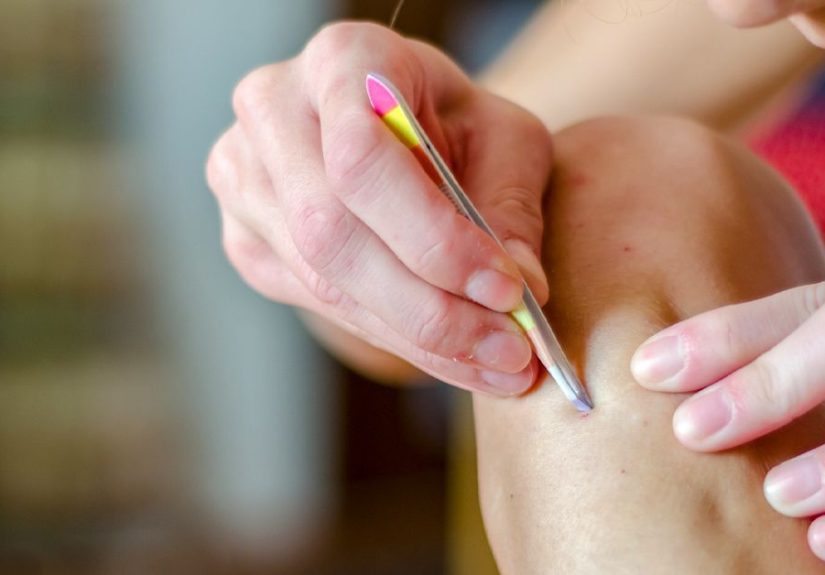
In some cases, if a hair loop is clearly visible at the surface, a professional may gently lift it with sterile tools. At home, even with tweezers, it’s easy to overdo it and cause more harm than good. When in doubt, leave it alone or see a dermatologist.
5. Over-the-Counter Helpers
Depending on your skin and health conditions, a healthcare professional may suggest:
- 1% hydrocortisone cream short-term to reduce itching and mild inflammation (not for long-term or large areas without medical guidance)
- Benzoyl peroxide or salicylic acid products around, but not inside, broken skin to help prevent new ingrown hairs
- Soothing moisturizers with ingredients like aloe vera or ceramides to support the skin barrier
Always follow package directions and talk with a healthcare provider or pharmacist if you’re unsure whether a product is safe for you, especially if you’re pregnant, breastfeeding, or have sensitive skin.
Medical Treatments: When Professionals Step In
If your ingrown hair cyst is painful, large, recurrent, or infected, it’s time to involve a healthcare professional. Possible treatments include:
- Prescription antibiotic creams or oral antibiotics for infected cysts
- Topical or injected corticosteroids to calm significant inflammation
- Incision and drainage, where a clinician carefully opens and drains the cyst using sterile technique
- Complete removal of the cyst wall in stubborn or recurrent cases, to reduce the chance of it returning
- Laser hair removal or other long-term hair reduction methods when frequent ingrown hairs or cysts are an ongoing problem
These procedures should only be done by trained medical professionals. Trying to mimic them at home is a quick way to trade one problem for several more.
When to See a Doctor or Dermatologist
An occasional small bump that improves with gentle care is usually not an emergency. However, you should seek medical advice if:
- The cyst is very painful, rapidly enlarging, or hard to ignore
- You see pus, spreading redness, or warmth
- You develop a fever or feel sick
- The bump is near your genitals or you’re not sure what it is (you don’t want to self-diagnose herpes, cysts, or other conditions)
- You have diabetes, immune system problems, or poor circulation
- The area keeps getting recurrent ingrown hairs or cysts
A doctor can confirm whether it’s actually an ingrown hair cyst, another type of cyst (like an epidermoid or pilar cyst), or a different skin condition completely.
Prevention: How to Lower Your Risk of Ingrown Hair Cysts
You may not be able to avoid ingrown hairs forever, but you can definitely tilt the odds in your favor.
Upgrade Your Shaving Routine
- Prep the skin with warm water and a moisturizing shave gel or cream.
- Use a sharp, clean razor; replace blades regularly.
- Shave in the direction of hair growth instead of against it, especially in sensitive areas.
- Avoid stretching the skin or going over the same spot repeatedly.
- Rinse the blade between strokes and clean it after use.
Consider Alternatives to Shaving
If you constantly battle ingrown hairs and cysts, consider:
- Electric trimmers that cut hair slightly above the skin’s surface
- Hair removal creams (after a patch test and following instructions carefully)
- Professional laser hair removal or intense pulsed light (IPL) treatments for longer-term reduction
A dermatologist can help you decide which option is safest for your skin type and hair texture.
Keep Skin Smooth, Not Stripped
- Gently exfoliate regularly to help prevent clogged follicles.
- Moisturize with non-comedogenic lotions to support the skin barrier.
- Wear breathable, not-too-tight clothing around areas prone to ingrown hairs.
Ingrown Hair Cyst or Something Else?
Many skin bumps look suspiciously similar. A few possibilities that can mimic ingrown hair cysts include:
- Cystic acne: deep, painful pimples often tied to oil production and hormones.
- Boils (furuncles): painful lumps caused by bacterial infection of hair follicles.
- Epidermoid or pilar cysts: slow-growing, usually harmless cysts that don’t always involve an ingrown hair.
- Genital herpes or other STIs near the pubic area, which may present as painful blisters or sores rather than a single cyst.
Because these conditions can overlap in appearance, it’s smart to get a professional opinion if you’re unsure about what you’re seeing, especially in sensitive areas.
Frequently Asked Questions About Ingrown Hair Cysts
How long does an ingrown hair cyst last?
Some small cysts improve over days to a couple of weeks with warm compresses and gentle care. Others can stick around longer, especially if they’re deeper, irritated, or repeatedly traumatized by shaving or tight clothing. If a cyst isn’t improving after one to two weeks, or it seems to be getting worse, check in with a healthcare professional.
Can an ingrown hair cyst be dangerous?
Most ingrown hair cysts are not dangerous, just uncomfortable or cosmetically bothersome. The main concern is infection, which can spread and may need prescription treatment. Rarely, very deep or chronic cysts (such as certain pilonidal cysts) can lead to more significant complications if ignored.
Is tea tree oil, aloe, or other “natural” remedies safe?
Some people find relief using diluted tea tree oil or aloe-based products for mild irritation. The key is dilution and patch testing first to make sure your skin doesn’t react badly. Natural doesn’t always mean gentle or safe for everyone. If a product increases burning, redness, or itching, stop using it and talk to a professional.
Can I prevent these forever?
Probably not 100%, especially if you have curly or coarse hair, but you can significantly reduce your risk with smart shaving habits, regular gentle exfoliation, moisturizing, and considering alternative hair-removal methods if you’re prone to ingrown hair cysts.
Real-Life Experiences: Living With and Learning From Ingrown Hair Cysts
Let’s be honest: few things ruin the confidence of a fresh shave faster than discovering a painful, swollen bump exactly where you were hoping for smooth skin. The emotional side of an ingrown hair cyst doesn’t get talked about much, but it’s realwhether the bump is on your bikini line before a beach day, on your neck before a big meeting, or in your armpit right when you decided to buy that sleeveless top.
Imagine someone who has always shaved their bikini line before vacations. One week, they notice what they assume is a “regular ingrown hair,” but it gradually becomes a larger, more tender lump. Sitting is uncomfortable, walking in tight jeans feels like punishment, and every online search makes them worry it might be something far more serious. By the time they see a healthcare provider, they’re not just uncomfortablethey’re anxious.
The visit usually goes more smoothly than people expect. A clinician examines the area, confirms it’s an ingrown hair cyst, and explains what’s going on in plain language: the hair got trapped, the follicle clogged, inflammation kicked in, and now the skin is basically holding a tiny, irritated storage unit of fluid and debris. Often, the provider will recommend warm compresses, prescribe antibiotics if infection is present, and, in some cases, drain the cyst safely in the office. The patient walks out relieved that it wasn’t something life-threateningand now has a plan.
Another common storyline involves facial hair. Someone who shaves daily for work might develop recurring ingrown hairs on their neck or lower jaw. Over time, one of those bumps transforms into a deeper cyst that won’t quit. It’s frustrating: they feel like they’re doing their best to look professional, yet shaving is causing visible skin problems. A dermatologist might suggest switching to an electric trimmer that leaves hair slightly longer, using a single-blade razor, or shaving less often if possible. Topical treatments like retinoids, benzoyl peroxide, or salicylic acid may be added to reduce clogged pores and improve skin turnover. The result? Fewer ingrown hairs, less irritation, and a shaving routine that doesn’t feel like a daily battle.
There’s also the gym-goer whose inner thighs and bikini line take a beating from sweat, friction, and tight leggings. After repeated waxes, ingrown hairs start popping up. One bump becomes a cyst that rubs painfully with every step on the treadmill. They might assume they just need to “tough it out,” but once they learn about ingrown hair cysts, they start changing habits: switching to breathable fabrics, taking a break from waxing, gently exfoliating before workouts, and using a moisturizing lotion afterward. Those small changes can make a huge difference in comfort and confidence.
Across these different experiences, a few themes show up again and again:
- You’re not alone. Ingrown hair cysts happen to people of all ages, genders, and skin types, especially in areas where hair removal is common.
- Shame is common but unnecessary. Many people delay care because they feel embarrassed. Healthcare professionals see these issues all the time and are there to help, not judge.
- Small habit changes add up. Tweaking your shaving routine, clothing choices, and skincare can dramatically reduce flare-ups.
- Professional help is worth it. When home care isn’t enough, a short visit with a clinician can provide clarity, relief, and a prevention plan.
If you’re dealing with a stubborn ingrown hair cyst right now, it can feel like a big dealand it’s okay to be annoyed or worried. But with the right mix of gentle self-care, smart prevention, and medical support when needed, most people can get things back under control and go back to focusing on more exciting things than a single cranky hair follicle.
Conclusion
An ingrown hair cyst starts with something very smalla hair that goes the wrong waybut it can cause big discomfort and plenty of confusion. Understanding what it is, recognizing the symptoms, using safe at-home care, and knowing when to call a professional gives you back control. Combine that with better shaving and grooming habits, and you can greatly reduce how often these cysts show up in your life.