Table of Contents >> Show >> Hide
- What Are Spider Veins, Exactly?
- What Is IPL?
- Does IPL Work for Spider Veins?
- Why IPL Is Not Always the Best Treatment for Leg Spider Veins
- How Many IPL Sessions Are Usually Needed?
- What Does IPL Feel Like?
- Who Is a Good Candidate for IPL Spider Vein Treatment?
- Who Should Be More Cautious?
- IPL vs. Laser vs. Sclerotherapy
- What Results Can You Realistically Expect?
- How to Prepare for IPL
- Possible Side Effects and Risks
- So, Does Intense Pulsed Light Work for Removing Spider Veins?
- Experiences With IPL for Spider Veins: What People Commonly Report
- SEO Tags
Spider veins are tiny, stubborn, and weirdly confident for something so small. They show up on cheeks, around the nose, across the legs, and suddenly act like they pay rent. If you have been eyeing intense pulsed light treatment and wondering whether it can actually erase those little red, blue, or purple branch-like lines, the honest answer is this: yes, sometimes very well, but not in every case and not for every body part.
That nuance matters. A lot. In the beauty-and-procedures world, nuance is not always invited to the party. Yet when it comes to IPL for spider veins, the details determine whether you walk out thrilled, mildly impressed, or muttering, “So I paid for warm flashes of light and a lecture about sunscreen?”
This guide breaks down how intense pulsed light for spider vein removal works, where it tends to work best, when it falls short, and how it compares with other treatments like sclerotherapy and vascular lasers. The goal is not to sell you magic. The goal is to help you understand what IPL can realistically do.
What Are Spider Veins, Exactly?
Spider veins, also called telangiectasias, are small visible blood vessels just beneath the skin. They often look like little webs, thin tree branches, or spilled pen ink with commitment issues. They can appear on the face or legs and are usually a cosmetic issue, though sometimes leg spider veins can show up alongside deeper vein problems.
That distinction matters because facial spider veins and leg spider veins do not always behave the same way, and they definitely do not always respond to the same treatment with equal enthusiasm.
What Is IPL?
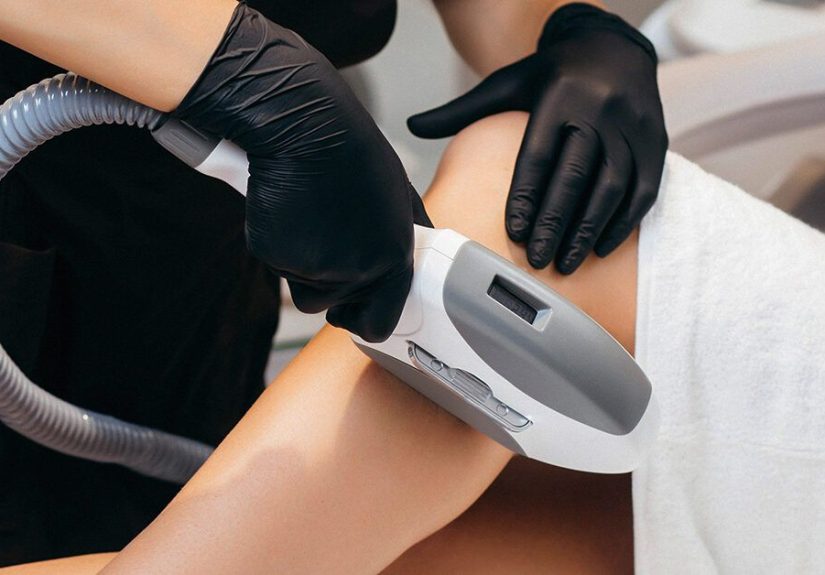
Intense pulsed light, or IPL, is a light-based treatment that uses broad-spectrum flashes of light rather than a single laser wavelength. In plain English, it is not one sharply focused beam with one job. It is more like a very trained multitasker that can be adjusted to target pigment, redness, and some superficial blood vessels.
For vascular concerns, the light energy is absorbed by blood in the tiny vessel. That heat damages the vessel wall so the body can gradually clear it away. Over time, the treated vein fades or becomes much less noticeable.
This is why IPL often shows up in conversations about:
- facial redness,
- broken capillaries around the nose,
- rosacea-related visible vessels,
- sun damage, and
- some small spider veins.
It is popular because it is noninvasive, relatively quick, and can sometimes improve more than one issue at once. A person may come in wanting help with visible facial veins and leave with improved redness and a slightly more even complexion too. IPL likes a side quest.
Does IPL Work for Spider Veins?
Yes, IPL can work for spider veins, especially when the veins are small, superficial, and located on the face. It can also help certain tiny leg vessels, but that is where the fine print gets bigger.
Where IPL tends to work best
IPL is usually more successful for:
- small red facial spider veins,
- broken capillaries around the nose,
- diffuse redness with visible tiny vessels,
- superficial vascular changes paired with sun damage.
These are the situations where the light can target shallow vessels more effectively. The vessel is close to the surface, the treatment area is often smaller, and the blood vessel pattern may respond nicely to repeated sessions.
Where IPL is less impressive
IPL is usually not the first choice for leg spider veins, especially when those veins are larger, blue, widespread, or tied to deeper venous insufficiency. In many of those cases, sclerotherapy is considered the more reliable treatment.
Sclerotherapy involves injecting a solution directly into the vein so it collapses and fades over time. It sounds more dramatic than IPL, but for many leg veins, it is the more effective move. Think of it as less glamorous but more efficient, like the friend who brings snacks, a charger, and actual directions.
Why IPL Is Not Always the Best Treatment for Leg Spider Veins
If your spider veins are on your legs, IPL may still be an option, but it is often not the all-star that marketing pages make it sound like. Here is why:
1. Leg veins are often deeper or larger
Facial vessels are typically tiny and close to the skin’s surface. Leg veins can be wider, darker, or fed by deeper veins. That makes them harder for IPL to treat effectively.
2. The underlying cause may matter
If leg spider veins are connected to venous reflux or deeper vein issues, treating only the visible surface vessels may not give the best long-term result. New veins can appear, or the cosmetic improvement may be incomplete.
3. Other treatments may outperform it
For leg spider veins, providers often favor:
- sclerotherapy for classic small leg spider veins,
- vascular lasers for select tiny vessels or needle-averse patients,
- medical vein evaluation when symptoms suggest a deeper circulation issue.
So if your question is, “Does IPL work?” the smartest answer is: it can, but the best treatment depends on the vein’s size, color, depth, and location.
How Many IPL Sessions Are Usually Needed?
One treatment is sometimes enough for a noticeable improvement, but many people need a series. That is especially true when the vessels are numerous, redness is diffuse, or the problem has been hanging around longer than your least favorite group chat.
Improvement is usually gradual rather than instant. Some vessels darken before fading. Others lighten slowly over several weeks. And some stubborn ones decide to stay until another session convinces them to move out.
This is one reason consultations matter. A good clinician should explain whether your veins are likely to respond to IPL, how many treatments may be reasonable, and when another modality would probably be better.
What Does IPL Feel Like?
Most people describe IPL as a quick snapping or warming sensation. A common comparison is a rubber band lightly flicking the skin, which sounds small until it happens near your nose. Cooling gel, chilled tips, or topical numbing may be used depending on the device and the area being treated.
After treatment, you may have temporary:
- redness,
- swelling,
- a sunburn-like feeling,
- mild darkening of treated vessels before they fade.
For many patients, downtime is limited. But “limited” does not mean “invisible.” If you have an event the same day and want to look like a perfectly airbrushed magazine cover, your calendar may need a little strategy.
Who Is a Good Candidate for IPL Spider Vein Treatment?
You may be a good candidate for IPL spider vein treatment if:
- your visible veins are small and superficial,
- they are mostly on the face,
- you want a noninvasive option,
- you can commit to sun protection,
- your provider believes the vessel pattern fits IPL well.
IPL may be especially appealing if you also want to address redness, mild sun damage, or uneven tone in the same general area. That “two birds, one appointment” factor is part of its popularity.
Who Should Be More Cautious?
IPL is not a casual beauty gadget. It is a real procedure using light energy, and candidate selection matters.
You may need more caution or a different approach if you:
- have a darker skin tone and are seeing an inexperienced provider,
- have a recent tan or sunburn,
- take medications that increase light sensitivity,
- have larger blue leg veins,
- have symptoms such as swelling, warmth, skin changes, heaviness, or pain in the legs,
- have a history that suggests deeper vein disease.
In darker skin, the risk of pigment changes or burns can be higher if the treatment settings are not chosen carefully. That does not automatically rule IPL out, but it does raise the importance of seeing someone experienced with your skin type.
IPL vs. Laser vs. Sclerotherapy
This is where many people get confused, because all three are used for visible vessels, but they are not interchangeable.
IPL
Best for small superficial facial vessels, diffuse redness, and patients who also want improvement in overall skin tone. Good versatility. Less ideal for classic leg spider veins that need more direct treatment.
Vascular laser
Often better for targeted facial veins or certain vessels that need a more specific wavelength. Some lasers are built like specialists. They do fewer things, but they do them with impressive focus.
Sclerotherapy
Often the preferred treatment for spider veins on the legs. It directly treats the vein from the inside and is frequently considered the standard cosmetic treatment for leg telangiectasias.
If you are treating leg veins, the most productive question may not be “Should I get IPL?” but rather “Why is my provider recommending IPL instead of sclerotherapy, and what outcome should I expect?”
What Results Can You Realistically Expect?
Realistic expectations make all the difference. The best outcomes usually look like:
- fewer visible vessels,
- lighter or less obvious redness,
- clearer-looking skin overall,
- gradual improvement over several weeks.
The worst expectations are the all-or-nothing kind. Some people hope every single vein will disappear after one appointment and never return. Skin rarely signs that agreement.
Even when treatment works well, new spider veins can develop over time due to genetics, sun exposure, hormones, aging, or venous pressure. So the better mindset is often management and improvement, not permanent immunity from future tiny squiggles.
How to Prepare for IPL
If you are considering IPL for spider veins, basic prep matters:
- avoid tanning before treatment,
- use diligent sun protection,
- tell your provider about all medications and supplements,
- be clear about whether your veins are on the face or legs,
- ask if you need a vein evaluation first for leg symptoms.
Do not undersell your symptoms during the consultation. If your concern is not just appearance, say so. Burning, swelling, heaviness, and skin changes can shift the conversation from cosmetic cleanup to medical vein assessment.
Possible Side Effects and Risks
No honest article about IPL treatment for spider veins should pretend it is all glow and no consequences. Side effects can include:
- temporary redness,
- swelling,
- stinging or tenderness,
- blistering in rare cases,
- burns,
- light or dark pigment changes,
- incomplete clearing of veins.
The risk is usually lower in experienced hands, which is why choosing the right provider matters so much. A board-certified dermatologist or a qualified vascular or laser specialist should be able to tell you not just what can be done, but what should be done.
So, Does Intense Pulsed Light Work for Removing Spider Veins?
Yes, IPL works for some spider veins, especially small superficial facial vessels and redness-related vascular changes. But if you are mainly trying to treat spider veins on the legs, IPL is often not the first or most effective option. In those cases, sclerotherapy is frequently the better-established choice, and some patients may also benefit from vascular lasers or a deeper vein evaluation.
The smartest takeaway is not “IPL is amazing” or “IPL is useless.” The smartest takeaway is this: IPL is a useful tool when matched to the right vein, the right skin, and the right provider.
In other words, it works best when someone knowledgeable is steering the ship and not when you are choosing a treatment the way people choose takeout at 11:47 p.m.
Experiences With IPL for Spider Veins: What People Commonly Report
People’s experiences with intense pulsed light for spider veins tend to follow a few very recognizable patterns. The happiest patients are often the ones who go in with the right target and the right expectations. Someone with small red vessels around the nose or cheeks may notice that the skin looks calmer, cleaner, and less flushed after a short series of treatments. They often say the biggest surprise is not just that the tiny veins faded, but that the whole face looks more even and rested. It is the kind of improvement that makes people say, “You look good,” without being able to identify exactly why.
Another common experience is the “IPL works, but not instantly” story. A lot of people expect light-based treatment to behave like an eraser. In reality, treated vessels may darken slightly, then fade gradually over days or weeks. Patients sometimes feel nervous right after the appointment because the area looks pink or mildly swollen. Then a week or two later, they start seeing the payoff. That delayed gratification can be emotionally annoying, but it is normal.
People who use IPL for leg spider veins often have more mixed reviews. Some report modest improvement in very fine superficial vessels, especially when the veins are tiny and red. Others feel underwhelmed because the blue or larger leg veins they wanted gone did not respond as dramatically as they hoped. This is where provider guidance matters. Many disappointed experiences begin with a mismatch between the vein type and the treatment selected.
There is also the “I chose IPL because I hate needles” group. For some patients, especially those nervous about sclerotherapy, IPL feels easier psychologically. They like that it is noninvasive and quick. Even when the results are not perfect, they may still prefer it because the process feels more manageable. Comfort counts too. A treatment you can actually go through is better than the theoretically perfect one you avoid forever.
Then there are the sunscreen converts. Many patients say the consultation and aftercare instructions changed how they think about sun exposure. Once they realize that tanning and unprotected sun can raise the risk of pigment problems and encourage new visible vessels, they become much more serious about daily SPF, hats, and post-treatment care. It is not the most glamorous takeaway, but it may be one of the most useful.
Finally, many people describe IPL as part of a maintenance plan rather than a once-and-done miracle. They appreciate the improvement, accept that new vessels can appear over time, and return for occasional touch-ups or combine IPL with other treatments when needed. That mindset usually leads to the best satisfaction. The people least happy are often the ones promised perfection. The people most happy are the ones promised honesty.