Table of Contents >> Show >> Hide
- What Is the “Internal Shower” Drink, Exactly?
- Why Chia Seed Water Might Help (The Science Behind the Slurp)
- Potential Benefits: What’s Realistic vs. What’s Hype
- How to Safely Drink Chia Seed Water
- Rule #1: Don’t eat dry chia seeds and chase them with water
- Rule #2: Start smaller than TikTok, especially if you’re new to fiber
- Rule #3: Use enough water and give it time
- Rule #4: If you take medications, separate timing
- Rule #5: Know who should skip it or talk to a clinician first
- Rule #6: Pay attention to food safety (yes, even for “health” foods)
- A Safe “Internal Shower” Recipe That Doesn’t Feel Like Punishment
- How Much Chia Seed Water Should You Drink?
- Common Side Effects (and How to Fix Them)
- Better-Than-TikTok Gut Habits (Because Your Body Loves Basics)
- Conclusion
- Real-World Experiences: What People Typically Notice (About )
TikTok has a special talent: it can turn anything into a “hack,” including your digestive system. Enter the
“Internal Shower” drinka viral chia seed water recipe that promises to “clean you out,” flatten your
stomach, and basically make your gut sparkle like a freshly detailed car.
Here’s the good news: chia seed water can support regularity for some people because chia seeds are
loaded with fiber and form a gel when mixed with liquid. Here’s the less fun news: if you do it wrong (like downing
dry chia seeds), you can create a not-so-cute situation in your throat or digestive tract. This guide breaks down
what the trend is, what it can realistically do, and exactly how to drink chia seed water safelywith
enough practical detail to keep you out of “I tried TikTok wellness and now I regret everything” territory.
What Is the “Internal Shower” Drink, Exactly?
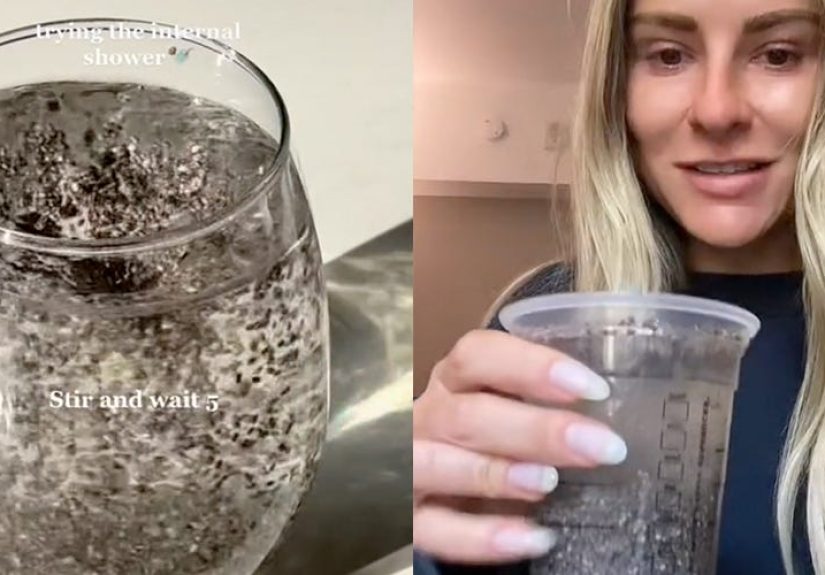
The “Internal Shower” drink is basically chia seed water with a squeeze of lemon. Most versions use
about 1–2 tablespoons of chia seeds in a glass of water, stirred and left to gel up a bit, then
drankoften on an empty stomach. Poison Control notes it’s essentially a modern viral remix of
agua de chia, a traditional Mexican chia drink.
The nickname comes from the drink’s reputation for helping people poop. TikTok, being TikTok, sometimes upgrades that
to “detox,” “cleanse,” or “flat tummy in 24 hours.” Spoiler: your body is not a clogged shower drain, and chia seeds
are not a magic plumber.
Why Chia Seed Water Might Help (The Science Behind the Slurp)
1) Chia turns into gel, and gel changes the “traffic flow”
When chia seeds hit water, they absorb a lot of it and form a slick, gel-like coating (often called
mucilage). Cleveland Clinic explains that this gel can add bulk and weight to stool, which may help
soften it and move it along. Think of it less as an “internal shower” and more as… adding a little lubrication and
structure to the conveyor belt.
2) Fiber works better when you actually drink fluid
Fiber is famously helpful, but it’s also famously dramatic when it shows up uninvited in large amounts. The NIH’s
NIDDK recommends drinking plenty of water and other liquids to help fiber do its jobotherwise, your “constipation
solution” can backfire and turn into “constipation with attitude.”
3) It’s not a detox (and you don’t need one)
Poison Control is blunt here: there’s no evidence that chia seeds “detoxify” the body or work as a hangover cure.
Your liver and kidneys already handle detoxification. What chia water can do is support bowel regularity for some
peoplebecause fiber and fluids affect stool consistency and transit time. That’s it. That’s the “magic.”
Potential Benefits: What’s Realistic vs. What’s Hype
More regular bowel movements (especially if you’re low on fiber)
This is the main reason the trend has legs. Chia seeds are a high-fiber food, and a typical serving (often around
two tablespoons / about one ounce) can provide roughly ~10 grams of fibera big chunk of the daily
target. For reference, widely used U.S. guidance commonly cites about 25 g/day for women and
38 g/day for men (varies by age and calorie needs). If you’re currently living the “beige diet”
lifestyle (crackers, cheese, vibes), a fiber boost can be noticeable.
Feeling fuller (and maybe eating a little less)
Harvard Health notes that chia’s gel-forming effect may increase fullness. That can be helpful if you’re trying to
manage appetitebut it’s not a fat-melting potion. If your overall diet is chaotic, chia water can’t out-hustle that.
Nutrition perks that are realbut not instant miracles
Chia seeds bring more than fiber: they contain protein and omega-3 fats (ALA), plus minerals like calcium and
magnesium. Harvard’s nutrition coverage and other clinical resources generally describe chia as nutrient-dense.
That said, “nutrient-dense” doesn’t mean “instantly fixes your cholesterol, skin, mood, and love life.” Keep your
expectations in the same universe as reality.
How to Safely Drink Chia Seed Water
Rule #1: Don’t eat dry chia seeds and chase them with water
If you only remember one thing, remember this: chia expands in liquid. That’s the whole pointand
also the whole risk. The American College of Gastroenterology has warned against consuming dry chia seeds because they
can expand and become lodged in the esophagus, especially in people with swallowing issues. Poison Control also
describes real cases where dry seeds plus liquid led to an esophageal blockage that required medical care.
Translation: the “cinnamon challenge” was not meant to evolve into the “chia challenge.” Let the seeds expand
before they go anywhere near your throat.
Rule #2: Start smaller than TikTok, especially if you’re new to fiber
A lot of internal shower recipes use 1–2 tablespoons. If your diet is already fiber-rich, you may tolerate that fine.
If not, start with 1 teaspoon for a few days. Then move to 2 teaspoons. Then
(maybe) to 1 tablespoon. Mayo Clinic guidance on fiber generally recommends increasing fiber
gradually to reduce gas, bloating, and cramping.
Rule #3: Use enough water and give it time
Chia needs space and liquid to gel properly. A practical starting ratio:
1 tablespoon chia seeds + 12–16 oz water. Too little water can turn it into sludge. Too much chia can
make it feel like you’re drinking a science experiment.
Rule #4: If you take medications, separate timing
High-fiber foods can sometimes affect how quickly your body absorbs certain medications. Some health resources advise
caution with interactions (especially for diabetes meds, blood pressure meds, and blood thinners) and with overall
medication absorption. A simple, conservative approach: drink chia water at least
1–2 hours away from medications unless your clinician has told you otherwise.
Rule #5: Know who should skip it or talk to a clinician first
Chia seed water is likely fine for many healthy adults in reasonable amounts, but “likely fine” is not universal.
Consider extra caution or professional guidance if you:
- Have trouble swallowing, a history of esophageal narrowing/strictures, or frequent food “sticking.”
- Have GI conditions where added bulk could worsen symptoms (ask your clinicianespecially if you have ongoing bowel disease).
- Take anticoagulants (blood thinners) or have a bleeding disorder.
- Use diabetes or blood pressure medications and are prone to low readings.
- Have kidney disease or a history of kidney stones (chia contains minerals like phosphorus and may not be ideal in large amounts for some patients).
- Have seed allergies, especially if you’ve reacted to sesame or similar foods.
- Are pregnant or breastfeeding and planning a big daily fiber jump (a quick check-in with a clinician is smart).
Rule #6: Pay attention to food safety (yes, even for “health” foods)
Chia seeds are shelf-stable, but they’re still foodand food can get recalled. There have been U.S. recalls involving
chia seeds due to potential contamination. The common-sense move: buy from reputable brands, store them sealed in a
cool, dry place, and keep an eye out for FDA recall notices if you’re a frequent buyer.
A Safe “Internal Shower” Recipe That Doesn’t Feel Like Punishment
Basic Chia Seed Water (Beginner-friendly)
- Pour 12–16 oz of water into a glass or shaker bottle.
- Add 1 teaspoon to 1 tablespoon chia seeds (start with 1 teaspoon if you’re new).
- Stir aggressively for 20–30 seconds. (Chia clumps are sneaky.)
- Wait 10–15 minutes, then stir again.
- Add lemon juice (optional). Sip slowly.
- Follow with more water later in the dayfiber likes company.
Optional upgrades (because you deserve joy)
- Taste: A little honey or maple syrup, or a splash of 100% juice.
- Gentle spice: A pinch of cinnamon or ginger.
- Texture hack: Use a shaker bottle so it stays drinkable instead of becoming chia wallpaper paste.
- More of a snack: Stir into yogurt or make chia pudding (often easier on beginners than chugging gel-water).
How Much Chia Seed Water Should You Drink?
For most people trying this trend for constipation or regularity, once per day is plenty. More is not
“more effective”it’s usually just more gas, more bloating, and more time thinking about your abdomen like it’s a
weather app.
A reasonable range:
- New to fiber: 1 teaspoon daily for 3–5 days, then increase as tolerated.
- Comfortable with fiber: 1 tablespoon daily.
- Very fiber-adapted: up to 2 tablespoons daily, if you tolerate it and your overall diet supports it.
Common Side Effects (and How to Fix Them)
Bloating or gas
This is the most common “why did I do this” moment. Fix: reduce the amount, increase slowly, and drink more water.
Your gut microbes are basically throwing a house party when you suddenly dump fiber on them. Ease them into it.
Constipation gets worse
Ironically possible if you increased fiber but didn’t increase fluids. Fix: scale back chia, increase water, and aim
for fiber from a mix of foods (fruits, vegetables, whole grains, beans). If constipation is severe, persistent, or
accompanied by alarming symptoms (blood, fever, intense pain, unexplained weight loss), don’t DIY your way through it.
Too thick to drink
Add more water, shake again, and let it loosen. Or switch to chia pudding where “thick” is the point and not an
unexpected personality trait.
Better-Than-TikTok Gut Habits (Because Your Body Loves Basics)
If chia water helps, great. But the biggest wins usually come from the unsexy stuff:
- Hit daily fiber targets through whole foodschia can be a helper, not the whole plan.
- Hydrate consistently, not just during a viral moment.
- Move your body (walking helps gut motility more than doom-scrolling wellness videos).
- Keep a routineyour colon loves a schedule almost as much as your dog does.
Conclusion
The “Internal Shower” drink is basically chia seed watera fiber-and-fluid combo that can help some
people with regularity. It’s not a detox. It’s not a miracle. And it’s definitely not something you should do with
dry seeds unless you enjoy flirting with chaos (and potential medical bills).
If you want to try it, soak first, start small, drink enough water,
and be extra cautious if you have swallowing issues or take certain medications. Treat it like a helpful toolnot a
personality.
Real-World Experiences: What People Typically Notice (About )
Let’s talk about the part TikTok leaves out: the experience. Not the highlight reel. The actual day-to-day
“how does this feel in a human body that also has meetings, stress, and maybe lactose intolerance” reality.
Day 1–2: Most people notice the texture first. Chia water is not “water.” It’s water with tiny
gelatinous passengers. Some folks love it. Others feel like they’re drinking a very polite frogspawn smoothie. If you
start with a teaspoon and enough water, it’s usually manageable. If you start with two tablespoons in a small glass,
you may discover new emotions, including “why is it thick?” and “is this legal?”
Digestively, the first couple days can go either way. If you’re normally low-fiber, your gut might respond quickly
with more bowel movement “activity.” Or it might respond with gurgling and bloating while your microbiome adjusts.
That adjustment period is common when you increase fiber too fastso if you feel puffy, it doesn’t mean chia “isn’t
for you.” It may mean you speed-ran the dose like it was a video game.
Day 3–5: This is where people often report the most noticeable change in regularityespecially if
they also increase water intake throughout the day. The key detail is that chia works best in the context of hydration.
If your day is 90% coffee and 10% vibes, chia will not magically moisturize your intestines. Water is the supporting
actor that ends up stealing the whole show.
Appetite-wise, some people feel fuller after chia water because the gel sits in the stomach a bit. That can be helpful
if you’re trying to reduce snackingbut it can also be annoying if you drink it right before a meal you actually want
to enjoy. A common “real-world” strategy is timing it mid-morning or mid-afternoon rather than right before your
favorite lunch.
Day 6–7: By the end of the first week, people who tolerate it well usually describe it as
“surprisingly normal.” That’s the ideal outcome: chia water becomes a small routine, not a dramatic event. The ones
who don’t tolerate it tend to report persistent bloating, cramps, or constipation that got worseoften because they
increased fiber without increasing fluids, or because they started with too much. The fix is usually boring:
cut the dose, slow down, hydrate, and consider getting fiber from a variety of foods instead of putting all your
digestive hopes into one tablespoon of seeds.
One more very real experience: some people get overly focused on “results.” If you find yourself judging your health
by whether you had a cinematic bowel movement that morning, take a breath. Regularity is important, but the goal is
consistent habits, not daily digestive fireworks. If symptoms are severe, if swallowing feels difficult, or if you
have red-flag signs (blood, fever, intense pain), skip the experiment and talk to a clinician. Your body deserves
better than a viral trial-and-error plan.