Table of Contents >> Show >> Hide
- What Are Invisalign Attachments?
- Benefits of Invisalign Attachments
- The Invisalign Attachment Procedure
- Care and Maintenance of Invisalign Attachments
- Common Questions About Invisalign Attachments
- Personal Experiences with Invisalign Attachments
- Tips for a Smooth Experience with Invisalign Attachments
- Conclusion
- Additional Experiences and Insights ()
Invisalign has revolutionized the way people straighten their teeth, offering a clear, comfortable alternative to traditional braces. While many are familiar with the transparent aligners themselves, fewer understand the role of Invisalign attachments in achieving precise dental movements. These small, tooth-colored shapes might seem minor, but they can make a significant difference in your orthodontic journey. In this comprehensive guide, we’ll dive into the benefits, procedure, care, and personal experiences related to Invisalign attachments.
What Are Invisalign Attachments?
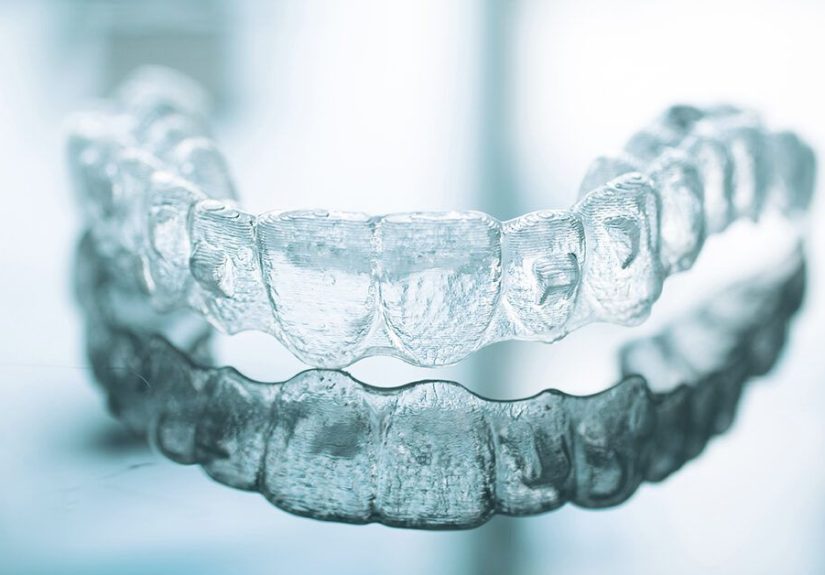
Invisalign attachments, sometimes called buttons or bumps, are small composite shapes bonded to your teeth. They act like anchors or handles that help your aligners grip the teeth and apply controlled forces to move them in specific directions. Attachments come in different shapessuch as ellipsoids, rectangles, or teardropsdepending on the type of movement your dentist or orthodontist is targeting.
These attachments are designed to blend with your natural tooth color, making them discreet while significantly enhancing the effectiveness of your treatment.
Benefits of Invisalign Attachments
1. Enhanced Tooth Movement
Some tooth movements are difficult to achieve with aligners alone. Attachments provide extra leverage, allowing for rotations, vertical movements, and extrusion or intrusion of teeth that wouldn’t move as efficiently without them.
2. Shorter Treatment Time
By improving the aligner’s grip and precision, attachments can help teeth move more predictably, potentially reducing overall treatment time. Patients often notice faster progress compared to aligners without attachments in complex cases.
3. Predictable Outcomes
Attachments allow your orthodontist to control tooth movements with greater precision, leading to more predictable results. This predictability is especially crucial for rotations of rounded teeth, like canines or premolars.
4. Improved Aligner Fit
Attachments help the aligners sit snugly on your teeth. A better fit means more consistent force application, which not only makes treatment more effective but also increases comfort and reduces the need for repeated adjustments.
The Invisalign Attachment Procedure
Step 1: Dental Assessment
Your orthodontist will perform a thorough evaluation of your teeth, including digital scans or molds, to create a custom treatment plan. This plan determines the size, shape, and location of each attachment.
Step 2: Tooth Preparation
Before attaching the composite, your teeth are cleaned and lightly etched to help the bonding material adhere effectively. This process is painless and takes only a few minutes per tooth.
Step 3: Placement of Attachments
The orthodontist places a small amount of tooth-colored composite material on each designated tooth, then cures it using a special light to harden it. This procedure usually takes about 20–30 minutes, depending on the number of attachments.
Step 4: Fitting Aligners
Once the attachments are in place, your Invisalign aligners are fitted. The aligners will now “snap” over the attachments, applying precise forces to achieve the planned movements.
Care and Maintenance of Invisalign Attachments
Oral Hygiene
Attachments do not prevent you from brushing or flossing, but they do require a bit more attention. Use a soft-bristled toothbrush and fluoride toothpaste to gently clean around each attachment. Interdental brushes or floss threaders can help remove debris from hard-to-reach areas.
Avoid Certain Foods
Sticky or hard foods can dislodge or damage attachments. Chewing gum, caramel, and hard candies should be avoided, and biting directly into foods like apples or corn on the cob is discouragedcut them into smaller pieces instead.
Aligner Care
Always clean your aligners and avoid wearing them while eating. Attachments make it crucial that aligners fit correctly, so a snug fit without gaps is necessary for effective treatment.
Monitoring Progress
Regular check-ups with your orthodontist are essential. Attachments can sometimes break or wear down, so any issues should be reported immediately to maintain treatment effectiveness.
Common Questions About Invisalign Attachments
Do Attachments Hurt?
The placement itself is painless. You may experience mild pressure or discomfort during the first few days after wearing new aligners over the attachments, but this is normal and indicates that the teeth are moving.
How Long Do Attachments Stay On?
Attachments typically remain in place for the duration of your Invisalign treatment, which can range from several months to over a year. They are removed easily once treatment is complete, leaving your teeth smooth and intact.
Are Attachments Visible?
They are subtle and designed to match your tooth color, making them far less noticeable than traditional braces. However, because they add texture to your teeth, observant individuals may notice them up close.
Personal Experiences with Invisalign Attachments
Many Invisalign users share that attachments were a game-changer in achieving results that aligners alone couldn’t provide. For example, rotating stubborn premolars or extruding a slightly misaligned canine often requires the extra grip that attachments offer.
Sarah, a 29-year-old professional, noted: “I was hesitant about attachments at first, thinking they’d be uncomfortable or obvious, but they were hardly noticeable. My orthodontist placed them quickly, and my teeth started moving exactly as planned.”
Mark, a 35-year-old teacher, shared: “The attachments were a little weird at first, but after a few days, I forgot they were there. The real benefit was seeing my teeth shift in ways I didn’t think aligners alone could achieve.”
Many patients also mention that maintaining oral hygiene becomes more critical. Small brushes and flossing aids become invaluable tools for keeping attachments clean, but most find the minor extra effort well worth the payoff of a straighter, healthier smile.
Tips for a Smooth Experience with Invisalign Attachments
- Keep a small oral hygiene kit handy for brushing and flossing while on the go.
- Follow your orthodontist’s instructions for aligner weartypically 20–22 hours per day.
- Avoid biting directly into hard or sticky foods to prevent dislodging attachments.
- Attend all scheduled check-ups for monitoring and adjustments.
- Be patientattachments are part of a precise process that ensures the best possible results.
Conclusion
Invisalign attachments may be small, but they play a big role in achieving a perfectly aligned smile. From enhancing tooth movement and predictability to potentially reducing treatment time, these discreet composite shapes are essential for tackling complex dental adjustments. Proper care, maintenance, and regular orthodontic check-ups ensure that attachments remain effective and your Invisalign journey is smooth. With the right guidance and patience, attachments help turn a clear aligner treatment into a precise, customized orthodontic success story.
sapo: Invisalign attachments are small composite shapes bonded to teeth, enhancing the effectiveness of clear aligners. Learn how they improve tooth movement, shorten treatment time, and ensure predictable results. This guide covers the procedure, care tips, common questions, and real patient experiences, giving you everything you need to understand attachments and achieve a beautifully aligned smile with Invisalign.
Additional Experiences and Insights ()
Patients frequently share a mix of excitement and apprehension when attachments are introduced into their Invisalign treatment. Some initially worry that attachments will make their teeth look unnatural or feel uncomfortable, but most report that the adjustment period is short. For many, the most noticeable effect occurs during the first few days after a new set of aligners is worn over attachments. There may be mild pressure or soreness, but this is a positive sign indicating that the teeth are responding to the treatment.
Long-term experiences show that attachments provide a sense of reassurance. When teeth are stubborn or unevenly spaced, attachments give aligners the leverage necessary to rotate or elevate teeth accurately. Without attachments, certain movementssuch as tipping molars or extruding lateral incisorsmight be slow, unpredictable, or ineffective. This precision not only speeds up treatment but also minimizes the risk of needing refinements later on.
Another common insight is the learning curve for oral hygiene. Attachments can create small nooks where food and plaque accumulate, making careful brushing and flossing essential. Many patients find that investing in tools like interdental brushes, floss threaders, or water flossers improves comfort and oral health. Over time, maintaining attachments becomes second nature and doesn’t interfere with daily routines.
Socially, attachments are hardly noticeable. While close inspection may reveal their presence, the majority of people do not notice them, especially when paired with clear aligners. This discretion allows patients to maintain confidence in professional or social settings without feeling self-conscious about their orthodontic treatment.
Psychologically, attachments can boost motivation. Knowing that these small devices are actively contributing to faster, more precise results encourages consistent aligner wear. Many patients report a greater sense of control over their treatment and satisfaction in watching incremental improvements in their smile.
Some patients share creative tips for coping with the adjustment period. Eating soft foods initially, using orthodontic wax for any irritation, and gradually reintroducing harder foods can make the transition smoother. Additionally, tracking progress with photos can help patients visually appreciate how attachments contribute to noticeable changes over time, reinforcing commitment to the treatment plan.
Ultimately, experiences highlight that attachments are a critical component of successful Invisalign treatment, especially for complex cases. They enhance precision, reduce treatment time, and provide confidence that teeth are moving as intended. While they require a bit of care and adjustment, the payoff is a straighter, healthier smile that can be achieved efficiently and discreetly. Patients who embrace attachments as part of their Invisalign journey often find the process more predictable, satisfying, and ultimately rewarding.