Table of Contents >> Show >> Hide
- Why Iron Matters (Beyond “Because Your Doctor Said So”)
- How Much Iron Do You Need?
- Heme vs. Non-Heme Iron (The Plot Twist of Vegetarian Nutrition)
- Iron-Rich Vegetarian Foods: Options to Try
- 1) Fortified cereals and grains (the “easy button”)
- 2) Beans and lentils (cheap, cozy, and powerful)
- 3) Soy foods: tofu and tempeh (iron + protein in one)
- 4) Leafy greens and vegetables (yes, spinachjust don’t make it do all the work)
- 5) Nuts, seeds, and spreads (small foods, big contribution)
- 6) Dried fruit (the backpack-friendly option)
- 7) Dark chocolate and blackstrap molasses (yes, really)
- Make Non-Heme Iron Absorb Better (Without Becoming a Nutrition Robot)
- A One-Day Iron-Rich Vegetarian Menu (Realistic Edition)
- When Food Isn’t Enough: A Quick Word on Supplements
- Quick FAQ
- Final Takeaway
- Experiences With Iron-Rich Vegetarian Eating (The 500-Word Real-Life Add-On)
Iron is one of those nutrients that sounds boring until you realize it’s basically your body’s delivery service for oxygen.
(No pressure, iron. Just, you know, keep every cell from feeling like it’s running a marathon in flip-flops.)
The good news: you can absolutely get enough iron on a vegetarian diet. The slightly trickier news: plant iron is mostly
non-heme iron, which your body absorbs less efficiently than the heme iron found in meat.
The solution isn’t “panic” or “eat a pound of spinach like a cartoon sailor.” It’s strategy.
In this guide, you’ll find iron-rich vegetarian foods to try, realistic serving ideas, and simple “absorption hacks” that make
plant-based iron work harder for youwithout turning your kitchen into a science fair project.
Why Iron Matters (Beyond “Because Your Doctor Said So”)
Iron is a key part of hemoglobin (in red blood cells) and myoglobin (in muscles). Those proteins help move oxygen around your body.
Iron also supports growth, brain development, and normal cellular function. When iron runs low for a long time, you can develop
iron-deficiency anemiameaning your body can’t move oxygen as efficiently as it wants to.
Common signs you might be running low
Symptoms vary, and plenty of other issues can cause similar feelings, but iron deficiency is often associated with fatigue,
low energy, shortness of breath with activity, headaches, irritability, dizziness, and looking paler than usual. Some people
also experience pica (craving non-food items like ice). If any of this sounds familiar, it’s worth talking to a clinician
and getting labs rather than guessing.
Who’s more likely to need an iron game plan?
- People who menstruate (especially with heavy periods)
- Pregnant people (needs rise a lot during pregnancy)
- Teens (growth +, for many, menstruation = higher demand)
- Frequent blood donors
- Vegetarians/vegans who don’t regularly include iron-rich staples
- People with certain gastrointestinal conditions that affect absorption
How Much Iron Do You Need?
Iron needs depend on age, sex, and life stage. For many adults, a common reference point is:
8 mg/day for adult men and 18 mg/day for many premenopausal adult women, and
27 mg/day during pregnancy. (Your needs may differespecially for teens, pregnancy, and medical conditions.)
Here’s the vegetarian-specific twist: because non-heme iron is less bioavailable, some expert guidance notes that people following
vegetarian diets may need about 1.8 times more iron than people who eat meat. That sounds dramatic, but it mostly
means you should (1) choose iron-rich vegetarian foods more intentionally and (2) pair them smartly.
One more important note: more is not always better. High-dose iron supplements can cause side effects, and accidental overdose is
dangerousespecially for children. Food-first is usually the safest starting point unless a clinician tells you otherwise.
Heme vs. Non-Heme Iron (The Plot Twist of Vegetarian Nutrition)
Iron from food comes in two forms:
- Heme iron: found in meat/seafood/poultry (higher absorption).
- Non-heme iron: found in plant foods and fortified foods (absorption varies more).
Non-heme iron absorption is heavily influenced by what else is in the meal. Vitamin C can boost it. Tea and coffee can reduce it.
Calcium can interfere. Phytates (in some grains/legumes) and polyphenols (in tea, coffee, cocoa, some plants) can also reduce absorption.
This isn’t a reason to fear healthy foodsit’s just a reason to be a little… sneaky-smart.
Iron-Rich Vegetarian Foods: Options to Try
Let’s get practical. Below are vegetarian (often vegan) foods that can meaningfully contribute iron, plus easy ways to use them.
Iron content varies by brand and preparation, so consider these as strong optionsnot a math test.
1) Fortified cereals and grains (the “easy button”)
Fortified breakfast cereals can be iron heavy-hitters. Some cereals provide 100% of the Daily Value in a serving.
Translation: one bowl can deliver a big chunk of your daily iron target before you’ve even answered your first email.
- Try it: Fortified cereal + strawberries or orange slices (vitamin C boost) + milk or non-dairy milk.
- Pro tip: If you drink coffee or tea, consider having it between meals instead of with your iron-rich breakfast.
- Label check: Choose options lower in added sugar when possible.
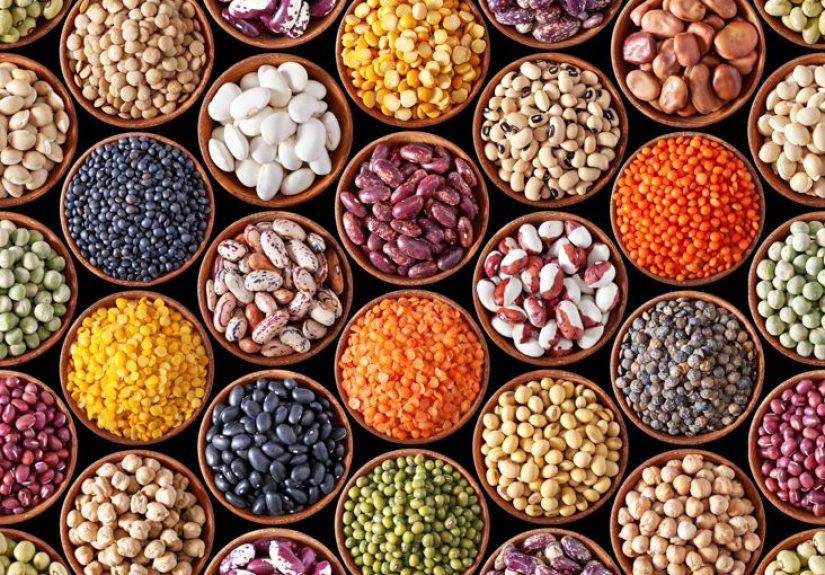
2) Beans and lentils (cheap, cozy, and powerful)
Legumes are MVPs for vegetarian ironplus they bring protein and fiber. Examples include lentils, chickpeas, kidney beans,
black beans, and white beans.
- Try it: Lentil soup with a squeeze of lemon, or bean chili topped with diced tomatoes.
- Try it: White bean “smash” on toast with a side of bell peppers or citrus.
- Shortcut: Canned beans count. Rinse them to reduce sodium and get cooking.
3) Soy foods: tofu and tempeh (iron + protein in one)
Firm tofu is a well-known vegetarian iron source, and tempeh adds a fermented option with a nutty bite.
- Try it: Tofu stir-fry with broccoli and red bell peppers.
- Try it: Tempeh tacos with lime juice, cabbage, and salsa.
- Meal-prep win: Bake or pan-sear tofu/tempeh once, then use it all week.
4) Leafy greens and vegetables (yes, spinachjust don’t make it do all the work)
Greens like spinach, chard, kale, and collards contain iron, but some (like spinach) also contain compounds that reduce iron absorption.
The move here is not “avoid greens.” The move is “pair greens with vitamin C and don’t rely on them as your only iron source.”
- Try it: Sautéed greens with garlic + a squeeze of lemon.
- Try it: Spinach in a tomato-based pasta sauce (tomatoes = vitamin C bonus).
- Try it: Baked potato topped with black beans and salsa.
- Bonus idea: Tomato paste is a sneaky way to add iron and flavor to soups and stews.
5) Nuts, seeds, and spreads (small foods, big contribution)
Seeds and nuts can help “top off” iron intake across the day. Think pumpkin seeds, sesame (including tahini),
hemp seeds, cashews, pistachios, and almonds.
- Try it: Oatmeal topped with pumpkin seeds + kiwi or berries.
- Try it: Tahini-lemon dressing over chickpea salad.
- Try it: Trail mix snack with dried fruit and seeds.
6) Dried fruit (the backpack-friendly option)
Raisins, prunes, dates, and figs can add ironplus they’re easy to stash in a bag or desk drawer.
They also pair well with vitamin C-rich fruit if you want to be extra strategic.
- Try it: Dates stuffed with nut butter.
- Try it: Prunes chopped into oatmeal, plus orange slices on the side.
7) Dark chocolate and blackstrap molasses (yes, really)
Dark chocolate can contain iron, and blackstrap molasses is a classic iron-containing ingredient.
These aren’t “eat candy for health” passesbut they can be useful supporting players.
- Try it: A tablespoon of blackstrap molasses stirred into oatmeal or a smoothie (flavor is boldstart small).
- Try it: A square of dark chocolate after a meal (just don’t pair it with tea if iron is your focus).
Make Non-Heme Iron Absorb Better (Without Becoming a Nutrition Robot)
Boosters: what helps
- Add vitamin C to iron-rich meals: citrus, strawberries, kiwi, bell peppers, tomatoes, broccoli, potatoes.
- Use cast iron cookware sometimes: it can increase iron content of foods, especially acidic dishes.
- Mix and match: variety matters more than obsessing over one “superfood.”
Blockers: what can reduce absorption
- Tea and coffee with meals: consider drinking them between meals if iron is a concern.
- Calcium around iron-rich meals: calcium may interfere, so spacing can help (especially for supplements).
- Phytates/polyphenols: found in some grains/legumes/cocoastill healthy foods, but pairing with vitamin C helps.
The goal is not perfection. If you love morning coffee, keep itjust try moving it away from your most iron-focused meal.
Tiny timing tweaks can make a real difference.
A One-Day Iron-Rich Vegetarian Menu (Realistic Edition)
Breakfast: Fortified cereal + strawberries (or orange slices). If you can, coffee later.
Lunch: Lentil soup with lemon + side salad with bell peppers, or a chickpea salad sandwich with tomato.
Snack: Pumpkin seeds + dried fruit, or hummus with red pepper strips.
Dinner: Tofu stir-fry with broccoli and red peppers over enriched rice or quinoa; finish with kiwi or citrus.
When Food Isn’t Enough: A Quick Word on Supplements
If a clinician diagnoses iron deficiency, they may recommend supplements. Follow their guidancedose and timing matter, and side effects
like nausea or constipation can happen. Do not start high-dose iron “just in case.” Too much iron can be harmful, and supplements
must be stored safely away from children.
Quick FAQ
Is spinach a good iron source or a myth?
Spinach contains iron, but it also contains compounds that can reduce absorption. It’s still nutritious, but it works best as part of
a bigger iron plan (beans, tofu, fortified foods, seeds) rather than as your only strategy.
Do vegetarians really need 1.8× more iron?
Some guidance suggests higher needs because non-heme iron is less bioavailable. Practically, this means choosing iron-rich vegetarian foods
more often and pairing them with vitamin Cnot necessarily eating giant portions of everything.
Can cast iron cookware actually help?
It can increase the iron content of some foods, especially acidic foods cooked in cast iron. Think tomato sauce, chili, and stews.
Final Takeaway
Getting enough iron as a vegetarian isn’t about one magic ingredient. It’s about building a routine of iron-rich staples (beans, lentils,
tofu, fortified grains, seeds) and adding a few smart pairings (hello, vitamin C) while keeping tea/coffee timing in mind.
Do that consistently, and iron becomes a lot less mysteriousand a lot more manageable.
Experiences With Iron-Rich Vegetarian Eating (The 500-Word Real-Life Add-On)
If you’ve ever tried to “eat more iron” as a vegetarian, you’ve probably had at least one of these very human experiences:
(1) you bought a bag of spinach the size of a throw pillow, (2) you felt extremely proud of yourself, and (3) it turned into
green sludge in the back of the fridge by Thursday. You’re not alone. One of the most common learning curves is realizing that
iron-rich vegetarian eating works best when it’s built into your normal mealsnot treated like a temporary spinach internship.
A lot of people notice the biggest difference when they stop relying on “side dish iron” (a little salad here, a sprinkle of seeds there)
and start upgrading the center of the plate. That’s when lentils become a weekly habit instead of a once-a-year soup,
tofu becomes a reliable protein instead of a mysterious white block, and fortified cereal becomes a toolnot just a nostalgia snack.
It’s also when meal prep suddenly feels like a superpower: cook a pot of lentils on Sunday, and you’ve got salad toppers, taco filling,
soup starters, and grain-bowl upgrades all week long.
Another very real experience: the “coffee timing realization.” Many vegetarian eaters have a moment where they connect the dots:
“Wait… I’m doing a fortified cereal breakfast…and washing it down with coffee…and wondering why my iron intake feels like it’s not
‘sticking.’” Moving coffee or tea to between meals can feel oddly annoying for about three days, and then it becomes normal.
You don’t have to ban caffeinejust avoid letting it crash the exact party where iron is trying to show up.
People also tend to discover that vitamin C pairing is the easiest win. It’s not fancy. It’s not expensive. It’s just consistent.
Lemon on lentil soup. Salsa on beans. Bell peppers with hummus. Berries with cereal. Citrus with a bean-and-greens salad.
This is the moment where “nutrition advice” turns into “oh, this is just how I season my food now,” which is exactly the point.
When it becomes automatic, you don’t feel like you’re constantly doing nutrient math.
And then there’s the cast iron phase. Someone buys a cast iron skillet, cooks a tomato-y dish in it, and suddenly feels like they’ve
joined a secret society of practical adults. Is it the single reason your iron improves? Probably not. But as part of the bigger pattern,
it’s a helpful nudgeplus cast iron makes great crispy edges, and crispy edges improve morale, which is an underrated health outcome.
Finally, many people find that the “best” iron-rich vegetarian foods are the ones they’ll actually eat repeatedly. If lentils are your
nemesis, try chickpeas. If tofu feels intimidating, start with tempeh crumbles or a pre-marinated tofu. If big salads aren’t your thing,
make a warm bowl with beans, grains, and a lemony dressing. Iron-rich vegetarian eating doesn’t need to be perfect. It needs to be
repeatable. Build a short list of go-to meals you genuinely like, and you’ll be far more consistent than someone forcing down spinach
with a grim expression and a heroic backstory.