Table of Contents >> Show >> Hide
- Cholesterol 101: The Quick, Non-Boring Version
- So… Is High Cholesterol Hereditary?
- The “Big One” in Hereditary Cholesterol: Familial Hypercholesterolemia (FH)
- Not FH? Genes Still Matter: Polygenic and Multifactorial High Cholesterol
- Clues That Your High Cholesterol Might Be Hereditary
- How Doctors Figure It Out: Testing and “Cholesterol Sleuthing”
- If It’s Hereditary, What Can You Do?
- A Practical Example: When “Family History” Becomes Actionable
- Frequently Asked Questions
- Real-World Experiences: What People Often Notice When High Cholesterol Runs in the Family
- Conclusion
If high cholesterol runs in your family, you’re not imagining itand no, it’s not because your family
secretly seasons everything with “extra genetics.” The truth is both simpler and more useful:
high cholesterol can be hereditary, but it’s often a team sport involving your genes,
your lifestyle, and sometimes a few medical curveballs.
In this article, we’ll unpack what “hereditary cholesterol” really means, how to tell when genes are
doing the heavy lifting, what testing looks like, and what you can do about itwithout turning every
meal into a sad salad audition.
Cholesterol 101: The Quick, Non-Boring Version
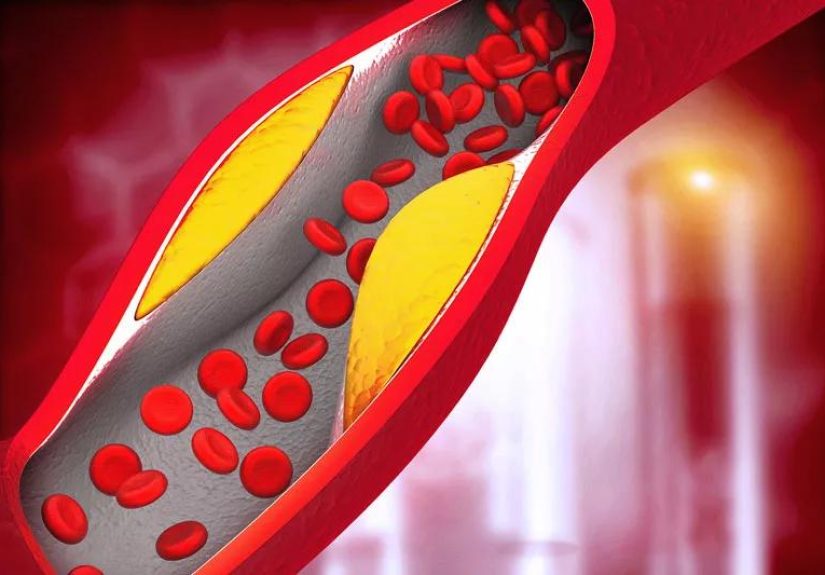
Cholesterol is a waxy substance your body uses to build cells and make hormones. You also get some
from food. The “problem” isn’t cholesterol existingit’s cholesterol piling up in the wrong places
for the wrong reasons.
LDL vs. HDL: The Labels You Actually See on Lab Results
-
LDL (low-density lipoprotein) is often called “bad” cholesterol because higher
levels are linked to plaque buildup in arteries over time. -
HDL (high-density lipoprotein) is often called “good” cholesterol because it helps
carry cholesterol away from the bloodstream. -
Triglycerides are another type of fat in the blood that can matter for heart risk,
especially when elevated alongside other issues.
Here’s the key point: you can have high cholesterol and feel completely fine.
That’s why it’s sometimes called a “silent” risk factorno drama, no symptoms, just a lab value that
quietly deserves your attention.
So… Is High Cholesterol Hereditary?
Yescholesterol can be influenced by genetics. Sometimes the inherited effect is mild
(you’re more “prone” to higher LDL). Other times it’s strong and direct, like an inherited condition
called familial hypercholesterolemia (FH) that can cause very high LDL starting in
childhood.
Think of heredity like a thermostat setting. Some people inherit a “higher default setting” for LDL,
meaning their body holds onto LDL more stubbornly even with decent habits. In FH, it’s more like the
thermostat is broken and the heat is blasting year-round unless you actively fix it.
Family History vs. A Single Gene Condition: What’s the Difference?
“Runs in the family” can mean a few different things:
- Shared genes that slightly raise LDL or lower HDL.
- Shared environment (similar diet, activity patterns, stress, sleep habits).
-
A specific inherited disorder like familial hypercholesterolemia, where the body
struggles to clear LDL effectively.
Most real-life situations are a mix: genetics loads the gun, lifestyle aims it, and medical conditions
sometimes add a laser pointer you never asked for.
The “Big One” in Hereditary Cholesterol: Familial Hypercholesterolemia (FH)
Familial hypercholesterolemia is an inherited condition that affects how the body recycles or clears
LDL cholesterol. People with FH often have high LDL from birth, and levels can climb
higher over time if untreated.
How Common Is FH?
FH isn’t rare in the “medical unicorn” sense. Estimates often land around
1 in 200 to 1 in 250 people. That means it’s common enough that many families have
it and simply don’t knowespecially because high cholesterol doesn’t usually come with warning lights.
How FH Is Inherited
In many cases, FH follows an autosomal dominant pattern. Translation: inheriting one
altered gene from one parent can be enough to cause FH. In some rarer scenarios, a person can inherit
two altered copies (one from each parent), which tends to cause a more severe form that shows up early.
If you’ve heard “50/50 chance,” that’s often the shorthand used when one parent has an autosomal
dominant condition: each child may have a 50% chance of inheriting the altered gene. Real life can be
messier (because not every family history is documented clearly), but the inheritance concept matters
for family screening.
The Genes Involved (Without Turning This Into a Biology Final)
FH can involve changes in genes that affect LDL clearanceoften genes related to LDL receptors or LDL
processing. The practical takeaway isn’t memorizing gene names; it’s understanding that
FH is a “clearance problem”, not just a “diet problem.”
Not FH? Genes Still Matter: Polygenic and Multifactorial High Cholesterol
Many people don’t have FH but still inherit a tendency toward higher LDL or triglycerides. This is
sometimes described as polygenic (many small genetic effects) or
multifactorial (genes plus lifestyle and health factors).
This is why two people can eat roughly the same diet, and one gets a gold star lab report while the
other gets a “we should talk” voicemail. Biology is not always a meritocracy.
Clues That Your High Cholesterol Might Be Hereditary
You don’t need to play detective alone, but these patterns often make clinicians think
“genetics might be involved.”
1) LDL Is Very High (Especially Without an Obvious Explanation)
Persistently high LDL can raise suspicion for FH or another inherited pattern. Some clinical references
use thresholds like:
- Adults: LDL around 190 mg/dL or higher
- Children/teens: LDL around 160 mg/dL or higher
These are not DIY diagnostic rulesmore like “this deserves a closer look” signals, especially if
repeated tests show similar numbers.
2) Early Heart Disease in Close Relatives
If a parent, sibling, or other close relative had coronary artery disease or a heart event at a
relatively young age, it’s a strong hint that inherited risk factors (including cholesterol issues)
could be involved.
3) Multiple Family Members on Cholesterol Meds (or “We Don’t Talk About That Uncle”)
Sometimes the biggest clue is simply repetition: multiple relatives have been told their cholesterol
is high, or many started statins “earlier than expected.” Even if the family lore is vague, it’s worth
bringing up.
4) Occasionally: Physical Findings
Severe inherited cholesterol disorders can sometimes cause cholesterol deposits in specific areas
(like certain tendons or around the eyes). These findings aren’t common and aren’t something to
self-diagnose from a mirror. But they’re part of why clinicians do a real physical exam and ask
detailed questions.
How Doctors Figure It Out: Testing and “Cholesterol Sleuthing”
Step 1: A Lipid Panel (The Starting Line)
A standard blood test measures total cholesterol, LDL, HDL, and triglycerides. If results are high,
clinicians often repeat testing to confirm patterns rather than reacting to a single number.
Step 2: Check for Secondary Causes
Cholesterol can rise due to other health conditions (like hypothyroidism, diabetes, kidney disease,
and more) or certain medications. That’s why “hereditary” doesn’t mean “nothing else matters”it means
genetics may be a major driver once other causes are considered.
Step 3: Family History (Yes, the Awkward Phone Calls Matter)
Clinicians may ask:
- Who in your family has high cholesterol?
- Has anyone had early heart disease or stroke?
- Did anyone need cholesterol treatment early in life?
Step 4: Consider FH Evaluation and Sometimes Genetic Testing
A diagnosis of FH can be based on LDL levels, family history, and clinical findings. Genetic testing
may be used in some situations to confirm a diagnosis or guide family (cascade) screening. Not everyone
with FH-like cholesterol levels will have an identifiable mutation, and not everyone needs genetic
testing to begin appropriate treatmentthis is a decision made with a healthcare professional.
Cascade Screening: The “Help Your Family” Strategy
If one person is diagnosed with FH or a strong inherited cholesterol issue, clinicians often encourage
screening close relatives. It’s one of the rare times “family business” is genuinely lifesaving rather
than just group-chat chaos.
If It’s Hereditary, What Can You Do?
The best plan depends on your numbers, your overall risk, your age, and whether FH is suspected or
diagnosed. But there’s good news: hereditary risk is not the same thing as hereditary destiny.
1) Lifestyle Still Matters (Even in FH)
For inherited cholesterol issuesespecially FHlifestyle changes may not be enough on their own to
reach target LDL reductions. But they still help and can reduce overall cardiovascular risk.
-
Food patterns that tend to help LDL: more soluble fiber (oats, beans, lentils),
more unsaturated fats (olive oil, nuts, avocado), and fewer saturated/trans fats. -
Activity: consistent movement supports heart health and can improve triglycerides
and HDL. - Smoking: avoiding tobacco matters a lot for artery health, especially when LDL is high.
-
Weight, sleep, and stress: not because they’re magic, but because they influence
metabolic health and risk factors that travel with cholesterol issues.
2) Medication: When Genes Require More Than “Good Vibes”
If LDL is very highespecially with suspected or confirmed FHmedications are often important.
Common options include:
- Statins: often first-line to lower LDL and reduce cardiovascular risk.
- Ezetimibe: can be added if LDL remains high.
- PCSK9 inhibitors: injectable medications that can lower LDL substantially for some people.
- Bile acid sequestrants: sometimes used as add-on therapy in certain cases.
-
Other LDL-lowering agents: may be considered depending on the individual situation
and guideline-based recommendations.
For severe cases of FH, specialized treatments (like LDL apheresis) may be considered in select
situations under specialist care. Most people won’t need that level of intervention, but it’s part
of why early identification matters.
3) What About Kids and Teens?
When FH is diagnosed in childhood, clinicians may recommend early intervention. In some guidance,
statin therapy can be considered during childhood for certain cases (often around late childhood),
but this is highly individualized and requires pediatric expertise. If you’re a parent reading this:
the goal isn’t to panicit’s to get accurate evaluation and follow evidence-based care.
A Practical Example: When “Family History” Becomes Actionable
Let’s say Maria (age 34) gets routine labs and her LDL comes back at 212 mg/dL. She’s active, doesn’t smoke,
and her diet is “pretty normal”not perfect, but not deep-fried-everything either. She mentions that her dad
had a heart attack at 49 and her older brother has been “on cholesterol meds since his twenties.”
That pattern raises suspicion for an inherited cholesterol condition. Her clinician repeats the lipid panel,
checks for secondary causes (like thyroid issues), and discusses next steps: aggressive LDL lowering, and
screening first-degree relatives. The power move here is not the lab resultit’s the family-wide prevention
plan that can follow.
Frequently Asked Questions
If my parent has high cholesterol, will I definitely have it?
Not definitely. Your risk is higher with family history, but lifestyle and other factors matter. If FH is
present in a parent, inheritance patterns can make your risk much higherso screening is especially important.
Can I have hereditary high cholesterol even if I’m young and fit?
Yes. FH can cause high LDL from childhood, and inherited tendencies can show up early. Fitness is great for
your health, but it doesn’t cancel genetics. Think of exercise as powerful supportnot a genetic eraser.
Does “hereditary” mean diet doesn’t matter?
Diet still matters for overall risk and can improve cholesterol profiles. In FH, lifestyle alone may not
lower LDL enough, but it’s still part of a strong planespecially alongside medication when needed.
What should I bring up at my appointment?
Bring your family history (who has high cholesterol or early heart disease), prior lab results, medications,
and questions about whether your pattern suggests FH or another inherited issue. If you can, ask relatives
about ages at diagnosis or heart eventsit helps clinicians evaluate risk more accurately.
Real-World Experiences: What People Often Notice When High Cholesterol Runs in the Family
Because high cholesterol rarely “feels like” anything, the most common lived experience is ironically
emotional, not physical: surprise. People often describe getting routine labs and thinking,
“Wait… how is my LDL that high? I run. I eat vegetables. I have a water bottle with motivational stickers.”
That shock is especially common when hereditary factors are involved, because effort doesn’t always map
neatly to lab numbers.
One frequent story goes like this: someone finds out their LDL is elevated, then calls a parent, who says,
“Oh yeah, our cholesterol’s always been high,” in the same tone they’d use to mention the family’s tendency
to burn toast. Suddenly, the puzzle pieces line upgrandma’s “heart problems,” an uncle who had a stent
“kind of young,” a sibling who was told to watch their numbers in their twenties. People often describe that
moment as equal parts helpful and mildly annoying, like discovering your family has a genetic hand-me-down
you can’t return.
Parents of kids with suspected familial hypercholesterolemia often talk about a different kind of shock:
the whiplash of hearing “high LDL” and “child” in the same sentence. Many describe feeling guilty at first,
as if they personally mailed LDL to their kid. Clinicians typically work hard to reframe this: genetic risk
is nobody’s fault, and finding it early is a huge advantage. Families often say the most empowering part is
the planclear next steps, repeat testing, specialist input when needed, and family screening that can help
siblings and relatives.
Another common experience is frustration with “one-size-fits-all” advice. People with strong hereditary
patterns often say they tried the obvious stepscutting back on saturated fats, increasing fiber, exercising
consistentlyonly to see LDL fall a little but stay stubbornly high. This can feel unfair, but it’s also an
important signal: some bodies require medication to get LDL down enough to meaningfully reduce long-term risk.
Many people describe a turning point when they stop treating medication as a personal failure and start
treating it like glasses: a tool that corrects a built-in mismatch.
On the bright side, people often report that once they understand the “why,” the day-to-day becomes easier.
Instead of chasing random internet hacks, they focus on what actually moves the needle: consistent meals that
support heart health (without banning joy), sustainable activity, and evidence-based treatment. Some say their
biggest win was learning to read labels for saturated fat with a calmer mindsetless “food police,” more
“informed shopper.” Others mention small swaps that feel painless over time: oatmeal or bean-heavy meals for
more soluble fiber, using olive oil more often, choosing nuts as snacks, and building a routine where movement
is a default, not a punishment.
Finally, there’s the social experience: talking to family. People often share that the hardest part wasn’t
the lab testit was calling relatives to ask about heart history. But those conversations can be the most
impactful. Many families describe a ripple effect: one diagnosis leads to multiple screenings, earlier
treatment, and a new family culture where heart health is discussed openly. And yes, sometimes it also leads
to a group chat named “Team LDL,” because humor is how humans cope with inconvenient biology.
Conclusion
High cholesterol can be hereditary, especially when conditions like familial hypercholesterolemia are involved.
But even when genetics plays a major role, there are effective ways to lower risk: smart screening, solid
lifestyle foundations, and medication when appropriate. The most important move is simpleknow your
numbers, and if cholesterol runs in your family, treat that as a reason to get informed (not a reason
to feel doomed).