Table of Contents >> Show >> Hide
- What Counts as Sparkling Water (And What Doesn’t)
- When Sparkling Water Is Good for You
- When Sparkling Water Might Be Bad for You (Or Just Annoying)
- Common Myths, Answered
- How to Choose the Healthiest Sparkling Water
- How Much Sparkling Water Is Too Much?
- Who Should Be Cautious?
- Quick FAQ
- So… Is Sparkling Water Good or Bad for You?
- Real-Life Experiences: What People Notice When They Drink Sparkling Water Regularly (About )
Sparkling water has one job: make water feel like a party. And honestly, it’s great at it.
But if you’ve ever stared at a can of seltzer and wondered, “Is this helping my health… or quietly plotting against my teeth?”
you’re not alone.
The good news: for most people, plain sparkling water is a perfectly healthy way to hydrate and a smart replacement for soda.
The “bad news” (in air quotes): a few details matterlike acidity, additives, sodium, and whether your stomach reacts to bubbles
like it just heard a jump-scare soundtrack.
What Counts as Sparkling Water (And What Doesn’t)
“Sparkling water” is a big umbrella. Some drinks under it are basically just water + carbon dioxide. Others are… sugar in a trench coat.
Here’s the quick decode:
Seltzer
Plain water carbonated with CO2. Usually no sodium, no calories, no sugar. This is the clean, simple option.
Sparkling mineral water
Naturally carbonated (or re-carbonated) water that contains minerals like calcium, magnesium, and sodium in varying amounts.
Can be a nice bonus, but check the labelsome mineral waters are surprisingly salty.
Club soda
Carbonated water with added minerals (often including sodium bicarbonate or sodium salts). Tastes a little “sharper.”
If you’re watching sodium, this one deserves a label check.
Tonic water
Not really “sparkling water,” health-wise. Tonic is carbonated, but it typically contains added sugar (or sweeteners) and quinine.
Great for cocktails; not a free pass for everyday hydration.
When Sparkling Water Is Good for You
1) It helps you hydrate (and hydration is kind of a big deal)
If plain water bores you into dehydration, sparkling water can be the upgrade that actually gets you drinking.
From a hydration standpoint, unsweetened sparkling water counts as fluid just like still water.
And getting enough fluids supports everything from temperature regulation to digestion and kidney function.
In real life, “the best water” is the one you’ll drink consistently. If bubbles are your motivation,
that’s not a character flawthat’s a strategy.
2) It’s a strong “swap” for soda and sugary drinks
Public health guidance is crystal clear on one thing: sugary drinks are linked with health problems like weight gain,
type 2 diabetes, heart disease, and cavities. Swapping soda for unsweetened sparkling water can significantly cut added sugar
and calories without feeling like punishment.
Translation: if sparkling water keeps you away from daily soda, it’s almost certainly a net win.
(Your pancreas sends a thank-you note. Your dentist nods approvingly. Your future self high-fives you in slow motion.)
3) It can be a “bridge habit” that makes healthy routines stick
Many people quit soda successfully by replacing the ritualcold can, fizzy sensation, “treat” vibe
not just the liquid itself. Sparkling water scratches the itch without the sugar crash.
Behavioral science loves a good substitution because it’s easier than “just stop.”
4) It may help some people with digestion or constipation (sometimes)
Research in specific groups suggests carbonated water can improve constipation symptoms in some cases,
and certain mineral waters rich in magnesium/sulfates have been studied for bowel regularity.
This isn’t a universal cure, but if your gut likes it, sparkling water can be part of your comfort toolkit.
When Sparkling Water Might Be Bad for You (Or Just Annoying)
1) Your teeth: it’s usually fine, but “usually” has conditions
Carbonation creates carbonic acid, which lowers pH a bitso sparkling water is more acidic than still water.
The reassuring part: plain sparkling water is generally much less erosive than sugary soda,
and many dental organizations consider it okay for teeth in moderation.
The caveat is the “extras.” Citrus flavors, added citric acid, and anything with sugar can raise the risk for enamel wear
or cavities. Also, how you drink it matters: sipping acidic drinks all day keeps your teeth in a constant “acid bath” situation.
Enamel does not enjoy long, lingering exposure.
Teeth-friendly tips (without killing the vibe):
- Choose plain or lightly flavored options with no added sugar.
- If it’s highly acidic (citrus-heavy), drink it with meals instead of nursing it all afternoon.
- Rinse with plain water afterward if you’re sipping something tart.
- Don’t brush immediately after acidic drinkswait a bit so you’re not scrubbing softened enamel.
2) Bloating, gas, and reflux: bubbles can bully sensitive stomachs
Carbonation means gas. Some of it will come right back out as a burp (classy), and some can contribute to bloating or discomfort,
especially if you drink quickly, use a straw, or already struggle with IBS, GERD, or frequent heartburn.
If sparkling water makes you feel puffy, crampy, or refluxy, that’s not you “doing it wrong.”
It’s just your body filing a complaint. You can reduce symptoms by drinking more slowly, choosing smaller servings,
or switching to still water when your gut is having a dramatic day.
3) Sodium can sneak up (hello, club soda and some mineral waters)
If you’re on a sodium-restricted plan for blood pressure, kidney issues, or heart conditions,
check labelsclub soda and certain mineral waters can contain meaningful sodium.
It may not be a deal-breaker, but it should be a conscious choice, not a surprise plot twist.
4) “Flavored” doesn’t always mean harmless
Many flavored sparkling waters are perfectly fine: “carbonated water + natural flavor” and nothing else.
But some products add sweeteners, acids, caffeine, botanicals, or “energy” ingredients.
Those turn your innocent bubbles into something closer to a functional beveragewhich may be great, or may be a bad fit for you.
Red flags on the label (depending on your goals):
- Added sugar (including syrups, juices, concentrates)
- Sugar alcohols (can cause gas/diarrhea for some people)
- High sodium
- Caffeine (if you’re sensitive or drinking it late)
- Citric acid listed early (often means more tartness and potentially more enamel risk if sipped frequently)
Common Myths, Answered
Myth: “Carbonation pulls calcium from your bones.”
This one has hung around like a catchy song you didn’t ask for. The evidence does not support plain sparkling water causing bone loss.
Concerns about bone health have been more strongly associated with cola intake in some studies, likely due to the overall dietary pattern,
caffeine, and other factorsnot carbonation itself.
Myth: “Sparkling water dehydrates you.”
Unsweetened sparkling water hydrates. Full stop. If you’re drinking a caffeinated, sugary, diuretic-ish beverage, that’s different.
But plain sparkling water contributes to your daily fluid intake.
Myth: “All sparkling waters are equally healthy.”
Nope. Plain seltzer? Generally great. Tonic water? Often sugary. Club soda? Can be salty.
“Sparkling water beverage” with sweeteners and acids? It depends.
The label is the truth-teller here.
How to Choose the Healthiest Sparkling Water
If you want the benefits without the “why does my stomach hate me?” or “what happened to my enamel?” concerns, use this simple checklist:
The 10-second label scan
- Ingredients: ideally “carbonated water” (and maybe “natural flavor”).
- Sugars: aim for 0g added sugar.
- Sodium: especially if you drink multiple cans daily, keep an eye on it.
- Acids: citrus flavor + citric acid can be more tart; fine sometimes, less ideal to sip all day.
Make it taste fancy without turning it into dessert
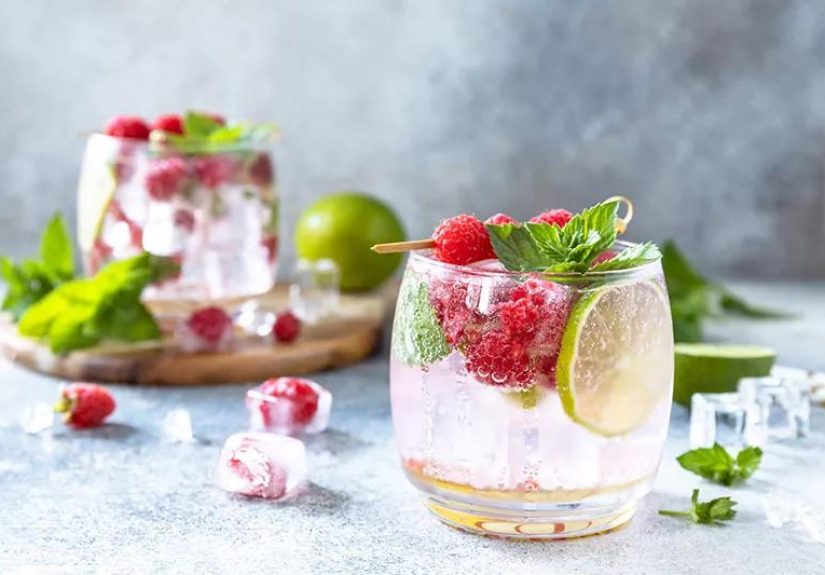
Want flavor without added sugar? Try:
- A squeeze of lemon or lime (small amounts, and not all day long if you’re enamel-sensitive)
- Cucumber slices + mint
- Frozen berries (they chill your drink and thaw into a mild flavor)
- A splash of 100% juice (think 1–2 tablespoons, not half the glass)
How Much Sparkling Water Is Too Much?
There’s no universal “sparkling water limit” for healthy adults, because the main concerns are individual:
teeth sensitivity, reflux, bloating, and what’s in the can.
A practical rule: if it’s unsweetened and your body tolerates it, a few cans a day can fit into a healthy routine.
If you notice heartburn, persistent bloating, or dental sensitivity, scale back and rotate in still water.
Your body is excellent at giving feedbackoften loudly.
Who Should Be Cautious?
- People with frequent GERD/heartburn: carbonation may aggravate symptoms.
- People prone to bloating/IBS flare-ups: bubbles can be a trigger.
- Those on a low-sodium plan: watch club soda and salty mineral waters.
- Anyone with enamel erosion or severe tooth sensitivity: choose plain options and avoid all-day sipping of acidic flavors.
- Kids who primarily drink bottled water: remember that many bottled waters lack fluoride, which matters for cavity prevention.
Quick FAQ
Is sparkling water better than soda?
Unsweetened sparkling water is typically far better than sugar-sweetened soda because it lacks added sugar and calories.
It’s one of the easiest “upgrade swaps” you can make.
Is flavored sparkling water healthy?
Often yesif it’s just carbonated water plus flavor and no added sugar. But check for added acids, sweeteners, sodium, or caffeine.
“Flavored” can mean anything from “hint of lime” to “surprise chemistry set.”
Does sparkling water cause cavities?
Plain sparkling water does not contain sugar, so it’s not a cavity-driver like soda. The bigger concern is enamel erosion from frequent acid exposure,
especially with more acidic flavors or added sugar.
Can sparkling water help with constipation?
Some studies suggest carbonated water may improve constipation symptoms in certain people, and some mineral waters with specific mineral content
have shown benefits in research. Results varyconsider it a “maybe,” not a guarantee.
So… Is Sparkling Water Good or Bad for You?
For most people, plain, unsweetened sparkling water is good for youmainly because it helps you hydrate and can replace sugary drinks.
It becomes “bad” when it’s loaded with sugar, sipped constantly in highly acidic forms, triggers reflux/bloating, or quietly adds lots of sodium.
If you keep it simple (water + bubbles), sparkling water is basically a healthy habit wearing a fun outfit.
Real-Life Experiences: What People Notice When They Drink Sparkling Water Regularly (About )
Let’s talk about the part science doesn’t always capture well: the day-to-day experience.
While everyone’s body reacts differently, people who switch to sparkling water often report a handful of predictable patterns.
These aren’t medical guaranteesjust common, practical “this is what it feels like” observations that can help you decide if bubbles belong in your routine.
1) “I finally drink enough water” (the most common win)
A lot of folks don’t dislike hydrationthey dislike plain hydration. Sparkling water makes water feel like a treat,
especially when it’s ice-cold in a can. Many people say it helps them hit their fluid goals because it’s satisfying in a way still water isn’t.
If you’ve ever opened a sparkling water at 3 p.m. and felt emotionally refreshed, congratulations: you’ve discovered beverage-based motivation.
2) “It replaced my soda habit without the misery”
People who used to drink daily soda often describe sparkling water as a “ritual replacement.”
The crack of a can, the fizz, the flavor hintthose cues matter. Over time, many notice fewer sugar cravings,
fewer afternoon energy crashes, and a general feeling of not being held hostage by sweet drinks.
The biggest success stories usually come from choosing truly unsweetened options and keeping a few favorite flavors on hand
so the habit is easy to maintain.
3) “My stomach has opinions”
This is the most common downside people mention: bloating, burping, or feeling “full of air.”
Some people love that fizzy fullness because it keeps snacking in check; others feel uncomfortable after one can.
Many find that small tweaks help: drinking more slowly, avoiding straws, choosing fewer cans per day,
or sticking to sparkling water earlier in the day rather than late at night (when reflux likes to show up uninvited).
4) “My teeth feel fine… until I go heavy on citrus”
People who drink mostly plain seltzer often report no noticeable dental changes.
But those who sip tart, citrusy flavors all day sometimes mention tooth sensitivityespecially if they already have enamel wear.
A common “I fixed it” move is switching to plainer flavors, drinking sparkling water with meals, and using still water between cans.
Another frequent lesson: brushing right after an acidic drink can feel “extra clean,” but it’s not always the kindest timing for enamel.
5) “It’s my alcohol ‘off-ramp’ at night”
Some people use sparkling water in a fancy glass as a replacement for beer, cocktails, or sugary mocktails.
The bubbles provide a similar sensory experience, and adding lime, berries, or mint makes it feel special without turning it into a sugar bomb.
If your goal is “less alcohol, more hydration,” sparkling water is a surprisingly effective wingman.
Bottom line from real-life experience: sparkling water works best when it’s simple, unsweetened, and used intentionally
as hydration support, soda replacement, or a “treat” that doesn’t come with a sugar invoice. If your stomach or teeth complain,
adjust the type, timing, and frequency. You don’t have to break up with bubblesyou might just need better boundaries.