Table of Contents >> Show >> Hide
- The quick answer (because you’re busy)
- Why Medicare usually doesn’t cover Wegovy for weight loss
- The important exception: FDA-approved indications beyond weight management
- What about the Wegovy pill?
- Which part of Medicare would cover Wegovy (if it’s covered at all)?
- How to check if Wegovy is covered under your Medicare plan
- How much does Wegovy cost with Medicare?
- Can you use a Wegovy savings card if you have Medicare?
- Ways to lower Wegovy costs (or your overall drug costs) with Medicare
- What if your plan denies Wegovy?
- FAQ: fast answers to common Medicare + Wegovy questions
- Conclusion: your best game plan
- Real-World Experiences : what people run into with Wegovy + Medicare
If you’ve ever tried to decode Medicare drug coverage, you already know the rules sometimes feel like they were written by a committee of squirrels on espresso.
Wegovy (semaglutide) is one of the biggest “wait…will my plan pay for this?” medications out therebecause it’s highly effective, highly talked-about, and (without coverage) highly expensive.
This guide breaks down what Medicare can cover, what it generally won’t, how costs work under Part D in 2026, and what you can do if your first answer is “nope.”
We’ll also add real-world experiences at the endbecause the fine print is one thing, but the pharmacy counter is another.
The quick answer (because you’re busy)
- For weight loss alone: Medicare generally does not cover Wegovy when it’s prescribed only for chronic weight management.
-
For certain heart-related risk reduction: Some Medicare drug plans may cover Wegovy when it’s prescribed for an FDA-approved, medically accepted indication
other than weight lossmost notably cardiovascular (heart) risk reduction in qualifying patients. - Bottom line: Coverage depends on your exact plan, the exact indication, and whether your plan places Wegovy on its formulary with prior authorization or other rules.
Why Medicare usually doesn’t cover Wegovy for weight loss
Medicare Part D has legal “excluded categories” of drugsclasses and uses that plans typically can’t cover under the standard benefit.
One of the biggest frustrations in this area is the long-standing exclusion for drugs “used for weight loss.”
Translation: even if your doctor says obesity is a chronic disease (which modern medicine recognizes), Medicare’s rules historically drew a hard line between
treating conditions like diabetes and using medication primarily for weight management.
That’s why many people with Medicare see GLP-1 drugs covered for type 2 diabetes (like Ozempic) but not the weight-loss-branded versions.
This is also why you’ll sometimes hear: “Medicare covers semaglutide… just not that semaglutide.”
Same general molecule, different FDA indication, different coverage reality.
The important exception: FDA-approved indications beyond weight management
Here’s where things get more interesting (and occasionally more hopeful).
Medicare Part D coverage is tied to whether a drug is used for a medically accepted indication.
If a medication used for weight management also has an FDA-approved indication for another medical condition, Medicare drug plans can treat it differentlybecause it’s not being used
solely “for weight loss.”
Wegovy and cardiovascular risk reduction
Wegovy received an FDA-approved indication related to reducing the risk of major adverse cardiovascular events (think heart attack and stroke) in certain adults with
overweight or obesity and established cardiovascular disease. That label change is the key reason you’ll see articles saying Medicare “can” cover Wegovy nowwith caveats.
Caveats matter. Medicare Part D plans typically still:
- Require prior authorization (proof you meet the criteria)
- Limit coverage to the approved indication (not general weight management)
- Apply tiering (specialty tier) and coinsurance instead of a small copay
What about the Wegovy pill?
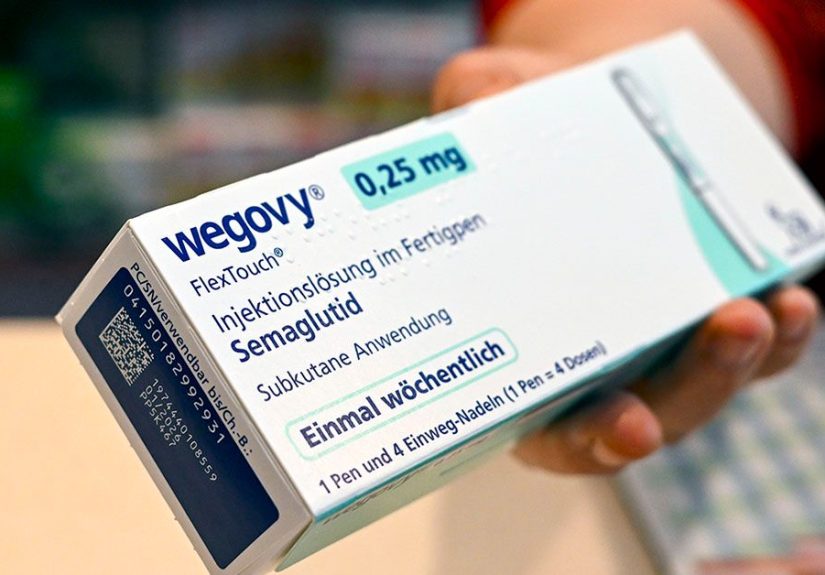
As of late 2025/early 2026, Wegovy isn’t just a once-weekly injection story anymore. Novo Nordisk has also introduced an oral “Wegovy pill” option in the U.S.
If you’re thinking, “Greatsurely that makes coverage simpler,” please enjoy this gentle laugh with me.
Medicare coverage rules generally follow the indication, not the needle situation.
That means the same big questions still apply:
- Is your plan covering Wegovy for an allowed, medically accepted indication?
- Is it on-formulary, and what utilization management requirements apply?
- Are you being prescribed it for weight management only, or for a qualifying non-weight-loss indication?
The “pill vs. shot” difference may matter for convenience and potentially pricing strategies, but it doesn’t automatically rewrite Medicare’s coverage rulebook.
Which part of Medicare would cover Wegovy (if it’s covered at all)?
In most cases, Wegovy is considered an outpatient prescription drug. That points to:
- Medicare Part D (standalone prescription drug plans)
- Medicare Advantage plans with drug coverage (MA-PD plans), which follow Part D drug rules
Medicare Part B generally covers drugs that are administered in a clinical setting or are tied to durable medical equipment.
Wegovy is typically self-administered and processed like a pharmacy benefit, so Part D is the usual lane.
How to check if Wegovy is covered under your Medicare plan
If you only take one thing from this article, let it be this:
“Is Wegovy covered by Medicare?” is really “Is Wegovy covered by my Part D formulary for my diagnosis?”
Step-by-step checklist
-
Find your plan’s formulary (the drug list). Search for “Wegovy” and confirm:
- Is it listed at all?
- What tier is it on?
- Does it require prior authorization, step therapy, or quantity limits?
-
Check the coverage criteria (often a PDF or portal rule sheet).
Plans may require documentation of established cardiovascular disease and other clinical details if coverage is tied to that indication. -
Call the plan (or have your doctor’s office call) and ask the direct question:
“Is Wegovy covered for the FDA-approved cardiovascular risk reduction indication, and what documentation is required?” -
Ask the pharmacy to run a test claim (if your prescriber is willing to send it).
Sometimes the fastest way to learn your real out-of-pocket cost is to see what the claim adjudication returns.
Pro tip: when you call, write down the date, time, and the representative’s name or reference number.
Medicare advice is best served with receipts.
How much does Wegovy cost with Medicare?
Wegovy’s retail price without coverage has historically been well over $1,000 per month for many patients.
Even if your plan covers it, GLP-1 medications are often placed on a specialty tier where you pay coinsurance (a percentage) rather than a flat copay.
The 2026 Part D cost “guardrails” you should know
-
Annual out-of-pocket cap: In 2026, Part D has a yearly out-of-pocket cap for covered drugs.
Once you reach it, you generally pay $0 for covered Part D drugs for the rest of the calendar year. - Deductible ceiling: Plans can have a deductible, but there’s a maximum allowed deductible amount each year.
-
Medicare Prescription Payment Plan (cost “smoothing”): If you have high costs early in the year, you may be able to spread out out-of-pocket payments across months instead of paying a big chunk at the pharmacy counter.
It doesn’t reduce the total cost, but it can reduce the financial whiplash.
A realistic cost example (numbers made simple on purpose)
Let’s say your plan covers Wegovy on a specialty tier with 33% coinsurance and the pharmacy-negotiated price is roughly similar to the retail market.
Your monthly share could land in the hundreds of dollars.
But if Wegovy is covered under Part D, your total annual out-of-pocket spending for covered drugs can’t exceed the 2026 cap.
That sounds amazinguntil you hit the classic Medicare plot twist:
If Wegovy is not covered for your indication (or not on formulary), your spending may not count toward the cap.
In other words, the cap helps only if the drug is processed as a covered Part D benefit.
Can you use a Wegovy savings card if you have Medicare?
Usually, no. Manufacturer savings cards and copay coupons typically exclude people with government-funded insurance like Medicare.
Even when you see splashy “as low as $25” marketing, there’s almost always a line in the terms that says government beneficiaries aren’t eligible.
That doesn’t mean you’re out of optionsit just means the “coupon shortcut” is usually blocked for Medicare enrollees.
Ways to lower Wegovy costs (or your overall drug costs) with Medicare
1) Confirm whether you qualify under the covered indication
If your prescriber is using Wegovy for cardiovascular risk reduction in a qualifying patient, make sure the diagnosis and documentation match the coverage criteria.
A prior authorization that’s missing one key phrase can come back denied faster than you can say “please hold.”
2) Apply for Extra Help (Low-Income Subsidy)
If your income and resources are limited, Extra Help can significantly reduce Part D premiums and out-of-pocket costs.
For people who qualify, it can be one of the biggest levers for affordabilitysometimes bigger than switching plans.
3) Use the Medicare Prescription Payment Plan (if high costs hit early)
If you face high coinsurance costs at the start of the year, the payment plan may let you spread those costs across the calendar year.
This can make budgeting feel less like getting tackled by a surprise expense.
4) Compare plans during Open Enrollment
Formularies and tiers change. Even if your plan didn’t cover Wegovy last year, another plan might cover it this yearespecially for the cardiovascular indication.
Review options during the Medicare Open Enrollment period (October 15–December 7) if you’re planning ahead.
5) Consider covered alternatives when the diagnosis is different
If you have type 2 diabetes, a semaglutide product that is FDA-approved for diabetes (like Ozempic or Rybelsus) may be covered under Part D.
If you’re seeking weight management without the covered indication, coverage becomes much less likely under current rules.
What if your plan denies Wegovy?
A denial isn’t always the end of the road. Common next steps include:
- Requesting a coverage determination (especially if the plan says it’s not covered at all)
- Requesting a formulary exception (if medically necessary and no alternatives work)
- Submitting an appeal with supporting clinical documentation from your prescriber
The most successful appeals tend to be very specific:
they cite the exact FDA-approved indication, the patient’s qualifying conditions, and why alternatives are not appropriate or have failed.
FAQ: fast answers to common Medicare + Wegovy questions
Is Wegovy covered by Original Medicare?
Original Medicare (Parts A and B) doesn’t typically cover outpatient prescription drugs you pick up at the pharmacy. That’s the role of Part D.
So the real question is whether your Part D plan (or MA-PD plan) covers Wegovy for your indication.
Will Medicare ever cover Wegovy for weight loss?
There have been ongoing policy debates and proposed legislation that would expand Medicare coverage of anti-obesity medications.
But as of 2026, broad coverage for weight management alone still isn’t the default Medicare rule.
If that changes, it will likely require federal policy action and updated implementation guidance.
Does the 2026 out-of-pocket cap mean Wegovy becomes “affordable”?
It can help a lotif Wegovy is covered under Part D for your medically accepted indication.
If it’s not covered, you may still pay the full cost and those payments may not count toward the cap.
Conclusion: your best game plan
Wegovy coverage under Medicare isn’t a simple yes-or-no. It’s more like a “yes, but only if…” and the “if” lives inside your plan’s formulary rules.
The most important takeaway is that Medicare still generally doesn’t cover Wegovy for weight management alone,
but coverage may be available when Wegovy is prescribed for certain FDA-approved, medically accepted indications beyond weight lossespecially cardiovascular risk reduction.
If you’re exploring Wegovy and Medicare, your smartest next step is practical (not poetic): check your plan’s formulary, ask about the specific indication,
and prepare for prior authorization paperwork. It’s not glamorousbut neither is paying cash price for a GLP-1.
Real-World Experiences : what people run into with Wegovy + Medicare
Let’s talk about what this looks like in real lifebecause “policy” sounds tidy, but the real world is messy, human, and occasionally involves hold music.
These are common experiences reported by Medicare beneficiaries, caregivers, and clinic staff navigating Wegovy coverage decisions.
The “formulary treasure hunt” experience
Many people start by searching their plan formulary online and can’t find Wegovy at all. Sometimes it’s genuinely not listed.
Other times it’s listed under a slightly different format (brand name only, dosage-specific entries, or a specialty-drug section that’s easy to miss).
A common lesson: the formulary search bar is helpful, but it’s not a truth oraclecalling the plan or having the pharmacy run a test claim often reveals the real answer.
The “my doctor said it should be covered” moment
Some beneficiaries hear from friends, news reports, or even a well-meaning clinician: “Medicare covers Wegovy now.”
Then they hit the wall: coverage may be limited to a specific FDA-approved indication (like cardiovascular risk reduction in established heart disease),
and the plan still has the discretion to manage access through prior authorization.
This can feel like moving the goalpostsuntil you realize Medicare coverage isn’t just about the medication; it’s about the documented reason for using it.
The prior authorization paper chase (a fan favorite)
Prior authorization is where optimism goes to do paperwork. People often describe a back-and-forth that includes:
verifying diagnosis codes, confirming medical history (like established cardiovascular disease), documenting weight-related criteria,
and sometimes explaining why other therapies aren’t appropriate.
When it goes well, it’s a one-and-done form. When it goes poorly, it becomes a loop:
“Missing documentation” → resubmit → “needs additional clinical notes” → resubmit → “please fax again.”
Pro tip from those who’ve lived it: asking the prescriber’s office what exactly the plan needs (and making sure it’s in the chart notes) can speed things up.
Sticker shock… even with “coverage”
Another common experience: Wegovy gets approved, and the beneficiary celebrates… right up until the pharmacy quotes the coinsurance.
Specialty-tier coinsurance can still mean hundreds of dollars per month early in the year.
This is where the 2026 Part D out-of-pocket cap can feel like a life raftbecause, after enough spending on covered drugs, the costs drop to $0 for the rest of the year.
But beneficiaries often say they wish someone had told them the real challenge isn’t only the total annual cost; it’s the timing of costs.
If you’re hit with big expenses early, the Medicare Prescription Payment Plan (monthly smoothing) can be the difference between “possible” and “nope.”
The “coupon disappointment” experience
People frequently discover (sometimes at the register) that manufacturer coupons don’t apply with Medicare.
That can be frustrating, especially when ads and headlines highlight low monthly prices.
Beneficiaries often pivot to other strategies: Extra Help, plan comparison during Open Enrollment, or discussing covered therapeutic alternatives with their clinician.
Plan shopping becomes a yearly ritual
A surprisingly common takeaway is that Medicare drug coverage isn’t “set it and forget it.”
Formularies change, tiers change, and utilization rules change. People who rely on expensive medications often treat Open Enrollment like an annual maintenance appointment:
they compare plans, verify that their drugs are still covered, and double-check that the costs still make sense for their budget.
It’s not the most fun tradition, but it beats being surprised in January.