Table of Contents >> Show >> Hide
- What Is Lemon Barley Water?
- Ingredients
- Recipe: Classic Lemon Barley Water (Stovetop)
- Easy Variations (With Specific Examples)
- Pearl Barley vs. Hulled Barley
- Nutrition Notes (Practical, Not Preachy)
- Make-Ahead, Storage, and Food Safety
- What to Do With the Cooked Barley
- FAQ
- Experience-Based Notes: What People Usually Notice (And How to Nail It)
- Conclusion
- SEO Tags (JSON)
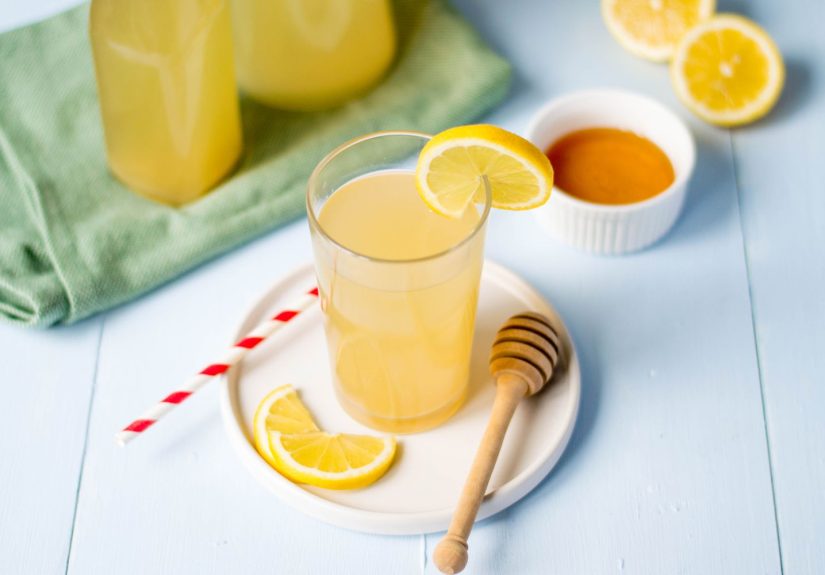
Lemon barley water is what happens when a cozy grain decides it wants to be a refreshing drink.
It’s lightly citrusy, gently sweet, and has a clean, almost “spa water” vibeexcept this one
actually has some body thanks to barley’s natural starch and soluble fiber. Traditionally, you
simmer barley, strain it, then brighten the liquid with lemon zest and juice and sweeten to taste.
The result is a hydrating sipper you can serve cold, over ice, or even warm on a chilly day.
In this guide, you’ll get a reliable, modern lemon barley water recipe (with smart variations),
plus practical tips on flavor balance, make-ahead storage, and how to avoid common pitfalls like
“why does this taste like lemon dish soap?” (Answer: too much pith. We’ll fix that.)
What Is Lemon Barley Water?
Barley water is a beverage made by simmering barley in water and then straining out the grains.
When you add lemon (usually zest + juice) and a sweetener, you’ve got lemon barley water: a
lightly thickened, pleasantly tart drink. The subtle viscosity is normalbarley releases starch
and beta-glucan–rich soluble fiber into the liquid, giving it a smoother mouthfeel than plain
lemonade.
Ingredients
Core ingredients (classic version):
- Pearl barley (rinsed well)
- Water
- Lemons (zest + juice)
- Honey or sugar (or maple syrup)
- Pinch of salt (optional, but it makes lemon taste more “lemony”)
Optional add-ins (choose your adventure):
- Fresh mint or basil
- Ginger slices
- Orange zest (half lemon, half orange is a great twist)
- Cucumber slices (for peak “fancy pitcher” energy)
- Sparkling water (to turn it into a bubbly refresher)
Recipe: Classic Lemon Barley Water (Stovetop)
Yield, Time, and Equipment
- Yield: About 6 cups (roughly 6–8 servings)
- Active time: 10 minutes
- Total time: 40–60 minutes (plus chilling)
- Equipment: Medium pot, fine-mesh strainer, microplane/zester, pitcher
Ingredients (Exact Measurements)
- 3/4 cup pearl barley, rinsed
- 6 cups water
- 2 medium lemons (zest of both; juice of both, about 1/3 to 1/2 cup)
- 1/3 to 1/2 cup honey (or sugar), to taste
- 1 small pinch of salt (optional)
Step-by-Step Instructions
- Rinse the barley. Put barley in a fine-mesh strainer and rinse under cool
water for 20–30 seconds. This helps remove dust and reduces foaming. - Start the simmer. Add barley and 6 cups water to a pot. Bring to a boil,
then reduce to a gentle simmer. - Cook until the liquid looks slightly cloudy. Simmer partially covered
for 30 minutes, stirring once or twice. The water should turn pale gold and lightly opaque.
(If you simmer longer, you’ll get a thicker drinkgreat if you like more body.) - Strain. Pour through a fine-mesh strainer into a heat-safe bowl or pitcher.
Let the hot liquid cool for 10 minutes. - Zest smartly. While it’s still warm (not boiling hot), add lemon zest.
Warm liquid pulls aromatic oils from zest more effectively than cold liquid. - Sweeten while warm. Stir in honey or sugar. Start with 1/3 cup, then adjust later.
(Warm liquid dissolves sweetener faster, so you don’t end up whisking like you’re training for a marathon.) - Add lemon juice after cooling a bit. Once the mixture is warmnot hotstir in lemon juice.
This keeps the flavor bright and reduces any “cooked lemon” taste. - Pinch of salt (optional). Add a tiny pinch, stir, and taste. If the lemon suddenly pops,
you’ve done it right. - Chill. Refrigerate for at least 2 hours. Serve over ice.
Flavor Balancing: How to Make It Taste “Right”
- Too tart? Add sweetener 1 teaspoon at a time, or dilute with a splash of water.
- Too sweet? Add a little more lemon juice, or top each glass with sparkling water.
- Tastes bitter? You likely got too much white pith or boiled the peel too aggressively.
Next time, zest only the yellow part and keep peels minimal. - Tastes bland? Add more zest, a pinch of salt, or steep fresh mint while it chills.
Easy Variations (With Specific Examples)
1) Mint Lemon Barley Water
Add a handful of mint leaves to the warm strained barley water. Let steep 10–15 minutes,
then remove the mint before chilling. This tastes like summer vacation, minus the sunburn.
2) Ginger Lemon Barley Water
Add 6–8 thin slices of fresh ginger to the pot during the last 10 minutes of simmering,
then strain. Ginger adds gentle heat that makes the drink feel extra “reviving.”
3) Honey-Lemon “Sports Drink” Style
Keep it lightly sweet (about 1/3 cup honey), add the pinch of salt, and serve very cold.
This version is popular because it’s refreshing without tasting like a neon chemistry experiment.
4) Sparkling Lemon Barley Spritz
Fill a glass halfway with chilled lemon barley water and top with sparkling water.
Add a lemon wheel and a few cucumber slices. Suddenly, you’re hosting a rooftop party.
Pearl Barley vs. Hulled Barley
Pearl barley cooks faster and is the most common for barley water. It’s polished,
so it tends to release starch easily, which helps create that smooth mouthfeel.
Hulled barley is less processed and can take closer to 45–60 minutes to simmer.
If you use hulled barley, plan for extra cooking time and a slightly nuttier taste.
Nutrition Notes (Practical, Not Preachy)
Barley is known for its soluble fiber (including beta-glucan), which is studied for effects on
cholesterol and blood sugar response as part of an overall healthy diet. Lemon barley water isn’t a
magic potion, but it can be a smarter alternative to sugary drinksespecially if you control the sweetness.
It’s also naturally caffeine-free.
Quick reality check: barley contains gluten, so this drink is not suitable for people with
celiac disease or those avoiding gluten for medical reasons.
Make-Ahead, Storage, and Food Safety
- Refrigerator: Store in a covered pitcher for up to 3–4 days.
- Separation is normal: A little settling or cloudiness can happen.
Just stir or shake before serving. - Serving idea: Freeze some into ice cubes so your drink doesn’t dilute as fast.
What to Do With the Cooked Barley
Don’t toss ityour cooked barley still has plenty of life left. Try one of these:
- Stir into soup for extra texture
- Toss into a salad with cucumbers, herbs, and a lemony vinaigrette
- Mix into yogurt with honey and fruit for a chewy breakfast moment
FAQ
Can I use bottled lemon juice?
Yes, but fresh tastes brighter. If you use bottled, consider adding extra zest (from fresh lemons)
to bring back the citrus aroma.
Can I reduce the sugar?
Absolutely. Start with less sweetener and adjust at the end. Serving it extra cold and over ice
also makes it taste naturally sweeter.
Why is my barley water thick?
You probably simmered longer or used a higher barley-to-water ratio. Dilute with cold water
until it tastes right. (You didn’t ruin ityou just made “barley water concentrate.”)
Can I add lemon while it boils?
You can, but it may taste a bit cooked or slightly bitter if peel/pith is involved.
For the freshest lemon flavor, add zest and juice after straining.
Experience-Based Notes: What People Usually Notice (And How to Nail It)
Let’s talk about the “experience” of lemon barley waterthe part no one tells you until you’re
standing over a pot thinking, “Is this supposed to look… hazy?” Yes. It’s supposed to look hazy.
In fact, that gentle cloudiness is part of the charm: it signals the barley has released starches
and soluble fiber that give the drink its signature smoothness. If you’re expecting crystal-clear
lemonade, lemon barley water can feel like the plot twist in a cozy mystery. The good news is
it’s a delicious plot twist.
One of the most common first-timer moments is tasting it warm and feeling underwhelmed. Warm
lemon barley water can taste subtlealmost shy. But once chilled, the lemon sharpens, the sweetness
feels more balanced, and the texture reads as refreshing instead of “wait, what is this?” If you’re
testing flavors, do it twice: once warm to check sweetness dissolves, and once cold to decide if it
needs a tiny squeeze more lemon.
Another classic experience: you zest the lemon like a champ, but the drink still tastes “flat.”
That’s usually an aroma problem, not a lemon-juice problem. Citrus aroma lives in the zest oils,
and those oils can get lost if you barely zested or zested too early and let it sit uncovered.
Try adding the zest to warm (not boiling) barley water and covering the pitcher as it cools.
You’ll trap more of that bright, lemony smell that makes the drink feel lively.
If you’re the type who likes “barely sweet,” here’s what people often discover: lemon barley water
wants at least a little sweetness to keep the grain flavor from tasting overly earthy. The sweetness
doesn’t have to be loud; it just needs to show up like a good friend who helps you move (and doesn’t
complain about stairs). A few tablespoons of honey can be enough, especially if you serve it with
lots of ice and a lemon slice for extra aroma.
Then there’s the texture preference debate. Some people want it light and almost like infused water;
others love it slightly thickermore like a delicate citrus tea. If you’re in Team Light, simmer the
barley for about 25–30 minutes and strain promptly. If you’re in Team Silky, let it go 40 minutes.
Either way, if it gets thicker than you like, dilution is your best friend. Add cold water a splash
at a time until it’s perfect for you.
Finally, there’s the “I made this and now I’m weirdly proud of myself” experience. Because it’s true:
turning a humble bag of barley into a refreshing drink feels like discovering a secret level in the
kitchen. Serve it in a clear glass, toss in mint, and you’ll get that satisfying moment where someone
says, “Wait, what is this?” and you get to reply, “Lemon barley water,” like you casually do this
all the time. (Even if you don’t. Yet.)
Conclusion
Lemon barley water is simple, adaptable, and surprisingly elegant for something that starts with
“boil barley.” With the classic methodsimmer, strain, zest, sweeten, and chillyou get a drink that’s
refreshing, not overly sugary, and easy to customize with mint, ginger, or bubbles. Keep the lemon
bright by adding juice after straining, adjust sweetness gradually, and don’t panic about the haze:
that’s the barley doing its thing. Make a pitcher, chill it down, and enjoy a glass that tastes like
summer decided to be practical.