Table of Contents >> Show >> Hide
- What Is Leukemia, Exactly?
- Common Leukemia Symptoms
- When Symptoms Should Not Be Ignored
- How Leukemia Is Diagnosed
- What Causes Leukemia?
- Leukemia Treatments: The Big Picture
- Treatment by Leukemia Type
- Possible Side Effects of Leukemia Treatment
- What Prognosis Looks Like Today
- Questions Patients May Want to Ask Their Care Team
- What Living Through Leukemia Can Feel Like
- Conclusion
Leukemia is one of those words that can make a perfectly ordinary day go sideways in a hurry. One minute you are blaming your exhaustion on work, parenting, stress, or a suspicious relationship with caffeine, and the next minute a blood test sends you into the world of bone marrow, blast cells, and hematology appointments. It is a lot. The good news is that leukemia treatment has changed dramatically over the years. Doctors now understand much more about the disease, and many people have far more treatment options than they would have had a generation ago.
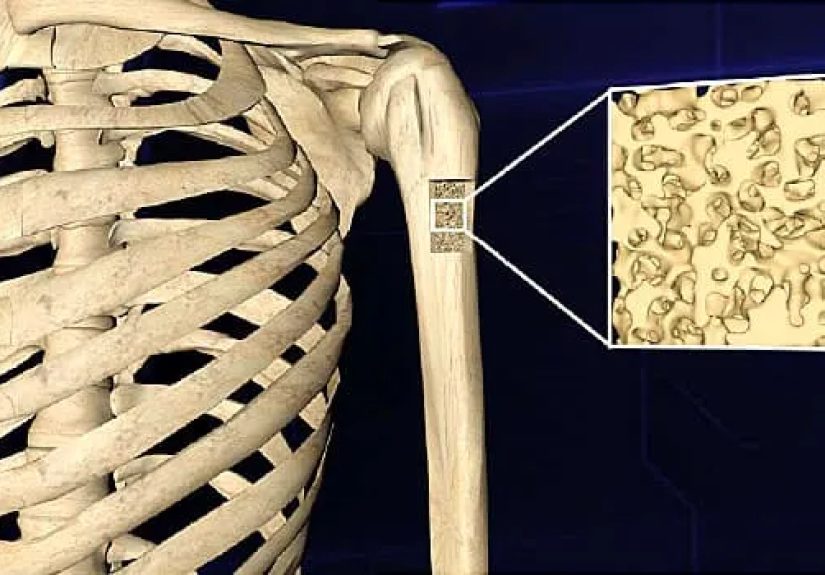
At its core, leukemia is a cancer of the body’s blood-forming tissues, especially the bone marrow. Instead of producing healthy, balanced blood cells, the marrow begins making abnormal cells that crowd out the ones your body actually needs. That crowding effect is why leukemia symptoms can seem so random at first: fatigue, bruising, infections, bone pain, night sweats, or a strange feeling that something is off but you cannot quite name it.
This guide breaks down what leukemia is, the symptoms that often show up first, how doctors diagnose it, and the treatments commonly used today. No fluff, no robotic medical wallpaper, and no pretending the topic is light. But we will keep it readable, because nobody needs a side of confusion with their oncology vocabulary.
What Is Leukemia, Exactly?
Leukemia begins in the bone marrow, the soft tissue inside bones where blood cells are made. Normally, the marrow produces red blood cells, white blood cells, and platelets in a careful assembly line. Leukemia disrupts that process. Abnormal white blood cells, or immature blood-forming cells, multiply when they should not. They do not work properly, and they can crowd out healthy red cells, healthy infection-fighting cells, and platelets that help stop bleeding.
Doctors usually classify leukemia in two main ways. First, they look at how quickly it grows. Acute leukemia develops fast and usually needs treatment quickly. Chronic leukemia tends to grow more slowly and may be found before it causes obvious symptoms. Second, doctors look at which blood-forming cells are involved: lymphoid cells or myeloid cells.
The four main types people hear about most often
- ALL (acute lymphoblastic leukemia): A fast-growing leukemia that starts in lymphoid cells. It is common in children but can also affect adults.
- AML (acute myeloid leukemia): A fast-growing leukemia that begins in myeloid cells. It is more common in adults, especially older adults.
- CLL (chronic lymphocytic leukemia): A slower-growing leukemia that affects lymphocytes and is often found in older adults.
- CML (chronic myeloid leukemia): A leukemia that starts in myeloid cells and is strongly linked to a specific genetic change known as BCR-ABL.
There are also less common forms, including hairy cell leukemia and other rare subtypes. That is one reason leukemia treatment is never really one-size-fits-all. Even two patients with “the same leukemia” may have very different treatment plans.
Common Leukemia Symptoms
Many leukemia symptoms happen because there are not enough healthy blood cells. When red blood cells drop, people can become anemic and feel wiped out. When platelets are low, bruising and bleeding become more likely. When normal white blood cells are crowded out, infections can show up more often or linger longer than they should.
Most common signs and symptoms of leukemia
- Fatigue that does not improve with rest
- Weakness, dizziness, or feeling run-down
- Frequent infections or fevers that keep coming back
- Easy bruising or unusual bleeding, including nosebleeds or bleeding gums
- Petechiae, which are tiny red or purple spots under the skin
- Pale skin or shortness of breath
- Bone pain or joint pain
- Swollen lymph nodes
- Pain or fullness under the ribs from an enlarged liver or spleen
- Night sweats
- Unexplained weight loss or reduced appetite
Acute leukemia often causes symptoms quickly. A person may feel noticeably worse over days or weeks, not months. Chronic leukemia can be sneakier. Some people with CLL or CML learn they have leukemia after a routine blood test, long before they feel sick. In other words, leukemia does not always arrive with dramatic movie-trailer music. Sometimes it just strolls in through lab work.
It is also important to say this clearly: these symptoms can happen with many conditions besides leukemia. Fatigue can be caused by iron deficiency, viral infections, stress, sleep loss, or a dozen other things. But persistent symptoms, especially when they come in clusters, deserve medical attention.
When Symptoms Should Not Be Ignored
You do not need to panic every time you find a bruise or feel tired after a bad week. You should, however, pay attention when symptoms feel persistent, unusual, or out of proportion. A good example is repeated infections plus fatigue plus easy bruising. Another is bone pain paired with fevers and weight loss. That combination is not your body “being dramatic.” That is your cue to get checked.
If a child develops unexplained fever, extreme tiredness, bone pain, pale skin, frequent bruising, or petechiae, it is especially important to call a doctor promptly. Childhood leukemia is still the most common cancer in children, and early evaluation matters.
How Leukemia Is Diagnosed
Diagnosing leukemia usually starts with blood tests, but it rarely ends there. Doctors want to know whether leukemia is present, what type it is, how aggressive it appears to be, and whether specific gene or chromosome changes could affect treatment.
Tests doctors may use
- Complete blood count (CBC): Checks red cells, white cells, and platelets.
- Peripheral blood smear: Looks at blood cells under a microscope.
- Bone marrow aspiration and biopsy: Removes a sample of marrow, often from the hip bone, to confirm diagnosis and study the cells.
- Flow cytometry or immunophenotyping: Helps identify the exact type of leukemia.
- Genetic and chromosome testing: Includes tests such as FISH, PCR, cytogenetics, or next-generation sequencing to look for mutations and rearrangements.
- Lumbar puncture: Sometimes used to check whether leukemia has reached the central nervous system, especially in certain acute leukemias.
- Imaging: Not always needed, but sometimes used to evaluate enlarged organs or complications.
That genetic testing piece is a big deal. It is one reason modern leukemia care is more precise than it used to be. Doctors do not just ask, “Is this leukemia?” They ask, “Which leukemia, with which markers, and which treatment is most likely to work?”
What Causes Leukemia?
Leukemia happens when blood-forming cells develop changes in their DNA. Those changes tell the cells to keep multiplying, avoid normal cell death, or stop maturing properly. In many cases, there is no single clear reason why that happened. That can be frustrating, especially for patients who want a neat answer and get the medical version of a shrug with better footwear.
Still, doctors do know about some risk factors. These do not guarantee that someone will develop leukemia, and many people diagnosed with leukemia have no obvious risk factors at all.
Known or possible leukemia risk factors
- Older age, especially for many adult leukemias
- Previous chemotherapy or radiation treatment
- Exposure to high levels of radiation
- Exposure to certain chemicals, including benzene
- Smoking, especially for AML
- Certain inherited genetic conditions, such as Down syndrome
- Some family history patterns in specific leukemias
- Prior blood disorders in certain cases, especially before AML
Risk factor lists are helpful, but they are not destiny charts. Plenty of people with leukemia never smoked, never worked around chemicals, and have no family history. Cancer is often rude that way.
Leukemia Treatments: The Big Picture
Leukemia treatment depends on the specific type and subtype, the patient’s age, overall health, genetic findings, symptoms, how advanced the disease is, and how the leukemia responds to early therapy. For some patients, the goal is cure. For others, it is long-term control, remission, or symptom relief with the best quality of life possible.
1. Watchful Waiting or Active Surveillance
This surprises many people, but some leukemias are not treated immediately. In certain cases of CLL and some rare slower-moving leukemias, doctors may monitor the disease closely with blood work, exams, and follow-up visits. If there are no troubling symptoms and the disease is stable, starting treatment right away may not help. “Watchful waiting” sounds like a phrase invented by a very calm owl, but it is a real medical strategy.
2. Chemotherapy
Chemotherapy remains a backbone of treatment, especially for acute leukemias. It uses drugs to kill fast-growing cancer cells. In acute leukemia, treatment is often divided into phases. An induction phase aims to get the disease into remission. A consolidation or post-remission phase is meant to wipe out any remaining leukemia cells and lower the risk of relapse. In some forms of ALL, maintenance therapy may continue for a longer period.
Chemotherapy can be given through a vein, by mouth, and in some cases directly into the fluid around the brain and spinal cord if there is concern about central nervous system involvement.
3. Targeted Therapy
Targeted therapy has changed the leukemia landscape in major ways. These drugs are designed to attack specific molecules or pathways that help leukemia cells survive.
- In CML, tyrosine kinase inhibitors, or TKIs, target the BCR-ABL protein and have dramatically improved outcomes.
- In CLL, targeted drugs such as BTK inhibitors or BCL2 inhibitors are often central parts of therapy.
- In AML and some cases of ALL, targeted drugs may be chosen when the leukemia has certain mutations or chromosome changes.
This is why mutation testing matters so much. The leukemia’s molecular profile can help determine which targeted therapy makes sense and which one would be about as useful as bringing a spoon to a snowstorm.
4. Immunotherapy
Immunotherapy helps the immune system find or attack cancer cells more effectively. Depending on the leukemia type, this may include monoclonal antibodies, bispecific antibodies, or other immune-based treatments.
One of the most talked-about options is CAR-T cell therapy, which uses a patient’s own T cells after they have been engineered to recognize cancer. CAR-T is not used for every leukemia, but it can be an important option in selected relapsed or refractory cases, especially some B-cell leukemias.
5. Stem Cell Transplant
A stem cell transplant, often called a bone marrow transplant, may be used for higher-risk leukemia, leukemia that comes back, or leukemia that does not respond well enough to initial treatment. Patients usually receive very intensive therapy first to destroy leukemia cells, followed by infusion of healthy blood-forming stem cells.
Transplant can offer a chance at long-term remission or cure for some patients, but it is also one of the most demanding treatments in cancer care. It is not the right choice for everyone, and the decision depends on many medical factors.
6. Radiation Therapy
Radiation is not the main treatment for most leukemias, but it may be used in special situations. For example, doctors may use it when leukemia has affected the brain, spinal fluid, testes, or an enlarged spleen, or as part of preparation for transplant.
7. Supportive Care
Supportive care is not “extra.” It is part of leukemia treatment. Because leukemia and its treatment can lower blood counts and weaken the immune system, many patients need red blood cell transfusions, platelet transfusions, antibiotics, antifungals, or other medications to prevent complications. Symptom management, nutrition support, pain control, and palliative care may also be part of the plan.
Palliative care, by the way, does not mean giving up. It means helping patients feel and function better during treatment. Medicine has enough confusing terminology already. That one deserves a better public relations team.
Treatment by Leukemia Type
ALL treatment
ALL is usually treated quickly and aggressively. Standard care often includes multi-phase chemotherapy, and many patients may also receive targeted therapy or immunotherapy depending on the subtype. Some higher-risk or relapsed cases may be treated with transplant or CAR-T therapy.
AML treatment
AML treatment often starts with induction therapy. Some patients receive intensive chemotherapy, while others may receive lower-intensity regimens combined with targeted drugs, especially if age or other health conditions make intensive treatment harder. Stem cell transplant may be recommended in some cases after remission.
CLL treatment
CLL may be monitored without immediate treatment if it is not causing problems. When treatment is needed, targeted therapy is often central. Immunotherapy, chemotherapy combinations, or other options may also be considered depending on risk features and prior treatment history.
CML treatment
CML is one of the clearest examples of precision medicine doing something genuinely impressive. Many patients are treated with oral TKIs that target the disease’s hallmark genetic driver. Some people live for years with good disease control on these medications, though they still need close monitoring.
Possible Side Effects of Leukemia Treatment
Side effects depend on the treatment, the leukemia type, and the individual patient. Common issues may include fatigue, nausea, hair loss, low blood counts, infections, mouth sores, fertility concerns, diarrhea, nerve problems, and emotional strain. Targeted therapy and immunotherapy have their own possible side effects too, including heart, liver, immune, or neurologic complications in some settings.
The important point is this: side effects are real, but many are manageable. Oncologists do not just hand patients treatment and disappear into a cloud of clipboard dust. Monitoring, supportive medications, and follow-up testing are all part of the plan.
What Prognosis Looks Like Today
There is no single leukemia prognosis. Outcomes vary widely depending on the type of leukemia, the patient’s age, chromosome and gene changes, how much disease is present at diagnosis, and how well the leukemia responds to therapy. Some forms are often curable. Others can sometimes be controlled for many years. New targeted drugs and immune-based treatments continue to improve options for many patients.
That is why the best question is not, “What is the prognosis for leukemia?” but rather, “What is the prognosis for this exact leukemia, in this exact patient, with this exact set of features?” That is the level where useful answers live.
Questions Patients May Want to Ask Their Care Team
- What type and subtype of leukemia do I have?
- Do my test results show any important gene or chromosome changes?
- Do I need treatment right away?
- What is the goal of treatment: cure, remission, or control?
- What side effects are most likely with this treatment?
- Would a stem cell transplant or CAR-T therapy ever be part of my options?
- Should I consider a clinical trial?
- What symptoms require an urgent call, especially fever or bleeding?
- How will treatment affect work, school, fertility, travel, and daily life?
What Living Through Leukemia Can Feel Like
Leukemia is not just a diagnosis. It is an experience, and often a long one. For many patients, the emotional timeline starts before the medical timeline makes sense. First there is confusion. Why am I this tired? Why am I bruising so easily? Why do I keep getting sick? Then comes testing, waiting, more testing, and the surreal moment when a doctor says the word “leukemia” out loud and the room suddenly feels too small.
Patients often describe the first days after diagnosis as a blur of lab numbers, family phone calls, internet searches, and a mental tug-of-war between wanting answers immediately and not wanting to hear any more bad news. Even highly organized people can feel like their brain has been replaced by a browser tab with 37 windows open. That is normal. Cancer has a way of turning ordinary decision-making into an Olympic event.
During treatment, the experience can vary a lot depending on the type of leukemia. Someone with acute leukemia may go from diagnosis to hospital admission very quickly. The days can become structured around blood draws, medications, scans, transfusions, and strict attention to infection risk. Time starts to behave strangely. A single afternoon can feel endless, yet whole weeks disappear into a cycle of appointments and recovery.
People with chronic leukemia sometimes face a different challenge: living with uncertainty. When the plan is watchful waiting, friends may think, “No treatment? Great news.” But patients often describe it as emotionally complicated. They know cancer is there, yet they are told not to start therapy right away. That can feel unsettling, even when it is medically appropriate. Sometimes the hardest part is not action but suspense.
Physical symptoms can be exhausting, but the emotional ones deserve equal attention. Many people deal with fear, anger, grief, isolation, and treatment fatigue. Some worry about infections every time they leave the house. Some feel guilty for needing help. Others struggle with the loss of routine, privacy, energy, appetite, or independence. Hair loss or changes in appearance can affect confidence. Repeated fevers, mouth sores, or low blood counts can make daily life feel smaller than it used to.
Family members and caregivers go through their own version of the experience too. They become drivers, medication trackers, note takers, insurance navigators, snack smugglers, and amateur interpreters of cryptic lab results. They also get scared. A lot. Sometimes the patient is trying to be strong for the family while the family is trying to be strong for the patient, and everyone is quietly exhausted. It is a loving system, but not always a restful one.
And yet, leukemia experiences are not defined only by fear. Many patients talk about the relationships that deepen during treatment, the strange humor that shows up in infusion rooms, the relief of finally understanding what is happening, and the power of a care team that explains things clearly. Small victories become huge. A good blood count. A hospital discharge. A fever that turns out to be nothing dangerous. A meal that finally tastes normal again. A scan or marrow result that says remission.
Life after treatment, or life during long-term disease control, can also be complicated. Some people feel grateful and energized. Others feel anxious before every follow-up visit. Many feel both at once. Recovery is not always a straight line, and survivorship is not just a cheerful ribbon tied around a finished chapter. For a lot of people, it is more like learning to trust their body again one appointment at a time.
The most helpful message may be the simplest one: there is no “correct” way to experience leukemia. Some patients want every detail. Others prefer the short version. Some stay upbeat. Others do not, and that is fine too. The goal is not to become inspirational on command. The goal is to get good care, make informed decisions, protect quality of life, and keep moving through the process with as much support as possible.
Conclusion
Leukemia is a complex group of blood cancers, not a single disease with a single path. Symptoms often begin because abnormal blood cells crowd out healthy ones, leading to fatigue, infections, bruising, bleeding, bone pain, and other warning signs. Diagnosis usually involves blood tests, bone marrow testing, and genetic analysis. Treatment may include watchful waiting, chemotherapy, targeted therapy, immunotherapy, stem cell transplant, radiation, and supportive care, depending on the exact type of leukemia and the patient’s overall condition.
The most important takeaway is that leukemia treatment is more personalized than ever. A modern leukemia diagnosis still feels frightening, but it is no longer a story with only one script. There are more tools, more precision, and more reason for informed hope than many people realize.