Table of Contents >> Show >> Hide
- What “Plexiglas” Actually Means (And Why You Should Care)
- Why Light-Diffusing Shutters Are Worth the Hype
- How Light Diffusion Works (No Lab Coat Required)
- Design Options That Look Like You Planned This On Purpose
- Choosing the Right Plexiglas Sheet for Diffusing Shutters
- Build Details That Separate “Custom” From “Craft Fair Energy”
- Cleaning and Maintenance (AKA How Not to Make It Cloudy)
- Room-by-Room Examples: Where Plexiglas Diffusing Shutters Shine
- Cost, Longevity, and Sustainability Considerations
- DIY or Pro Install? A Fast Decision Guide
- Conclusion: Soft Light, Sharp Style, Better Privacy
- Real-World Notes: What People Learn After Living With Light-Diffusing Plexiglas Shutters
Sunlight is greatuntil it turns your living room into a squinting contest and your bathroom window into a reality show. If you’ve ever wanted soft, glowy daylight without sacrificing privacy, you’re going to like light-diffusing shutters made from Plexiglas.
The idea is simple: combine the crisp architecture of shutters with translucent acrylic panels that scatter light like a professional photography diffuseronly this one doesn’t yell, “Hold still, I’m chasing the golden hour.” Done right, these shutters brighten a space, reduce harsh glare, and keep silhouettes from becoming accidental modern art.
What “Plexiglas” Actually Means (And Why You Should Care)
“Plexiglas” is commonly used as a catch-all term for clear plastic panels, but it’s really a well-known brand of acrylic sheet (PMMA). Acrylic is prized for high clarity, weatherability, and being lighter than glass. It’s also more impact-resistant than glassso you get fewer heart-stopping moments when something bumps the window area.
Quick reality check: acrylic isn’t the same as polycarbonate (often sold under different brand names). Polycarbonate is generally tougher, while acrylic typically offers better optical clarity and a more “glass-like” look. For interior window shutters that need to look clean and elegant, acrylic is often the sweet spot.
Why Light-Diffusing Shutters Are Worth the Hype
Traditional shutters are fantastic for controlling light direction and privacy, but they still allow “beam-y” sunlight bright stripes on floors, glare on screens, and that one sunbeam that somehow finds your eyeball from across the room. Adding a diffusing acrylic layer changes the vibe completely.
- Privacy without living in a cave: You get daylight, not a front-row view of your life.
- Glare control: Softer light helps screens, mirrors, and glossy surfaces behave.
- More consistent brightness: Diffusion spreads light more evenly across the room.
- Design flexibility: Frosted, opal, satin, textureddiffusers can be subtle or statement-making.
- Easy pairing with shutter styles: Works with plantation, café, tier-on-tier, and solid panel looks.
How Light Diffusion Works (No Lab Coat Required)
Clear acrylic is like a window: it transmits light in a straight path. Diffusing acrylic is different. Its surface texture or internal formulation scatters incoming light, spreading it out so you see a soft glow instead of sharp rays and hotspots.
Think of it like turning a flashlight beam into lantern light. You still get illumination, but it’s gentler, more even, and less likely to spotlight every dust bunny like it’s auditioning for Broadway.
Diffusion styles you’ll actually see in the real world
- Frosted/satin finishes: A textured surface that blurs visibility and softens light.
- Opal/white diffuser sheets: Translucent “milky” acrylic that glows while hiding detail.
- Decorative textures: Subtle patterns that add interest and help mask fingerprints.
- Films and etching: A clear sheet can be upgraded with diffuser film or etched effects.
Design Options That Look Like You Planned This On Purpose
1) Solid-panel shutters with translucent acrylic inserts
This is the cleanest, most “architectural” approach: a shutter frame (wood or composite) with a floating acrylic panel where a solid wood panel would normally go. It reads classic from a distance, but functions like a privacy window up close. Great for bathrooms, street-facing bedrooms, and rooms where you want brightness without feeling exposed.
2) Plantation shutters with a diffusing backer
Plantation shutters are famous for adjustable louversand they’re still useful here. Add a diffusing acrylic panel behind the louvers (inside the shutter frame) and you get a double win: louvers manage direction and airflow; the panel softens light and blocks visibility.
Practical perk: you can keep louvers slightly open for airflow while the diffuser keeps the privacy level high. It’s like having “open” and “private” at the same timean emotional support shutter, if you will.
3) Café and tier-on-tier layouts for smarter privacy
If you love sunlight but hate feeling like you live in a fishbowl, café-style shutters are a classic: cover the lower portion of the window and leave the top open. Add a diffusing acrylic insert to the café section, and the room stays bright while passersby stay politely uninformed.
Tier-on-tier takes it further: top and bottom shutter sections operate independently. Pairing diffusion on one tier (often the bottom) gives you privacy where you need it and clearer views where you want them.
4) Sidelights and transoms (the overlooked MVPs)
Entryways often have sidelights and transoms that invite beautiful daylightand equally beautiful opportunities for strangers to learn far too much about your interior decorating choices. Diffusing Plexiglas shutters or inserts in these areas keep the foyer bright while turning visibility into a soft blur. Your guests still find the door; your privacy stays intact.
Choosing the Right Plexiglas Sheet for Diffusing Shutters
Start with the finish: satin/frosted for “soft light, low fuss”
Satin or frosted acrylic sheets are popular for good reason. They diffuse light, reduce clear visibility, and often hide fingerprints better than high-gloss surfaces. If the shutters will be touched frequently (kids, pets, adults who gesture dramatically while telling stories), satin textures can save your sanity.
Pick your glow level: translucent whites and opal diffusers
White translucent acrylic is where things get funand surprisingly specific. Different diffuser grades can transmit noticeably different amounts of light. Some are bright and airy; others are moodier and more private.
A practical way to choose: think in “rooms.” Bathrooms and street-facing windows usually want more privacy and softer glow. Home offices might want higher transmission (more daylight) but with diffusion to control screen glare.
Thickness: balance rigidity, weight, and “don’t warp on me” confidence
For shutter inserts, you typically want a panel thick enough to stay flat in the frame without bowing. Larger spans usually benefit from thicker sheet or additional internal supports (muntins or mid-rails). If you’re using a backer behind louvers, thickness can be slimmer because it’s supported on more sides.
Consider abrasion-resistant options for high-touch areas
Acrylic can scratchespecially if it’s cleaned with something that should never touch acrylic (like paper towels or ammonia-based glass cleaner). If your project is in a high-traffic space, ask about coated or abrasion-resistant acrylic varieties that are made to handle more wear.
Build Details That Separate “Custom” From “Craft Fair Energy”
Allow for expansion: acrylic moves more than wood thinks is polite
Acrylic expands and contracts with temperature changes more than glass does. Even indoors, sun exposure at a window can heat materials unevenly. The key is not to clamp acrylic so tightly that it can’t move. A panel that’s trapped can stress, bow, or crack over time.
The fix is straightforward: design the insert like a “floating” paneluse frame grooves, soft gaskets, or glazing tape, and leave a small clearance so the sheet can expand without binding. If you must use fasteners, oversized holes and washers help reduce stress concentrations.
Mounting methods that work well
- Groove-and-gasket: Route a shallow groove in the shutter frame and seat the acrylic with a flexible gasket.
- Glazing tape + stops: Use tape for cushioning and secure with thin wood stops (like picture frame trim).
- Captured backer panel: For plantation shutters, capture a diffuser panel behind louvers with removable stops for serviceability.
Cutting and drilling: do it calmly, and acrylic will be calm back
If you’re DIY-ing, treat acrylic like a material that prefers confidence and good manners. Use sharp tools, avoid aggressive pressure, and support the sheet to prevent vibration. When drilling, gentle feeds and the right bit geometry reduce the chance of crackingespecially near edges.
If that sounds stressful, remember: many plastics suppliers will cut panels to size for you. Let the pros do the straight lines; you do the “look how fancy my house is now” part.
Heat, flames, and code reality
Acrylic is a thermoplastic. That means it can soften with heat and it’s combustible. For interior shutters, this usually isn’t a daily concern, but it does mean you should keep panels away from direct heat sources and follow local building and safety requirementsespecially in multi-family buildings or commercial spaces. If you’re doing anything beyond standard residential use, check the specs and local codes.
Cleaning and Maintenance (AKA How Not to Make It Cloudy)
The gentle cleaning routine
The safest default is: mild soap + lukewarm water + a soft microfiber cloth. Rinse and blot dry gently. Avoid dry-wiping dusty acrylic, because dust can act like sandpaper at a microscopic level.
What to avoid
- Ammonia-based glass cleaners: They can haze or damage acrylic surfaces over time.
- Abrasives: Rough sponges, scouring pads, and paper towels can create fine scratches.
- Random solvents: Some chemicals can cause crazing (tiny stress cracks) or clouding.
Scratch management
Light surface scratches can sometimes be polished out with plastic polish systems designed for acrylic. Deeper scratches may need more intensive polishingor a panel replacement if the insert is meant to look perfectly uniform. If you’re building shutters, ordering one extra panel (or at least enough extra material) can be a smart insurance policy.
Room-by-Room Examples: Where Plexiglas Diffusing Shutters Shine
Bathrooms
Bathrooms are the classic use case: privacy is non-negotiable, but nobody wants to do their morning routine under interrogation lighting. Diffusing shutters provide bright, flattering daylight while obscuring detail. Pair them with moisture-resistant shutter frames (composite or well-finished wood) for longevity.
Home offices
Video calls love soft light. Monitors hate glare. Diffused daylight helps you look human and keeps screens readable. A tier-on-tier approach can give you a clear upper section for view and a diffused lower section for privacy.
Street-facing bedrooms
For rooms facing sidewalks or neighbors, diffusion provides “lights on, life on” comfort. You can maintain brightness during the day without feeling like you’re living in a storefront display.
Entryways with sidelights
Diffusing shutters in sidelights make entry spaces feel welcoming and bright while reducing visibility from outside. It’s especially useful if your front door area aligns with a hallway (aka the “straight shot into your home” problem).
Cost, Longevity, and Sustainability Considerations
Cost depends on shutter style, frame material, panel type, and customization. In general, a light-diffusing acrylic insert can be more affordable and lighter than decorative glass, while still delivering a premium look.
Longevity comes down to three things: choosing the right sheet (diffuser grade and thickness), building in expansion allowances, and cleaning with acrylic-safe methods. Done right, acrylic inserts can stay attractive for years.
On sustainability: acrylic is a durable material, and durability is its own form of resource efficiency. Recycling options vary by region and supplier, so if end-of-life recycling is a priority, ask your local plastics supplier what programs exist in your area.
DIY or Pro Install? A Fast Decision Guide
DIY makes sense if:
- You’re comfortable measuring precisely (and re-measuring when reality disagrees).
- Your shutters are simple rectangles (no arches, no trapezoids, no “surprise, this wall is crooked”).
- You can get panels cut to size by a supplier, minimizing tool risk.
Hire a pro if:
- You want plantation shutters with a hidden diffuser backer and perfect alignment.
- The windows are large, oddly shaped, or historically significant.
- You’d rather spend Saturday doing literally anything else.
Conclusion: Soft Light, Sharp Style, Better Privacy
Light-diffusing Plexiglas shutters are one of those upgrades that feels both practical and a little luxurious. They solve real problemsprivacy, glare, harsh lightwithout sacrificing the clean, structured look shutters are known for. Choose the right diffuser sheet, design for expansion, clean gently, and you’ll get a window treatment that makes daylight behave like it went to finishing school.
Real-World Notes: What People Learn After Living With Light-Diffusing Plexiglas Shutters
If you’re wondering what it’s like day-to-day, here are the experiences homeowners and installers tend to reportminus the dramatic reality TV music, plus a few lessons you’ll be happy to learn the easy way.
The light feels “bigger” than you expect
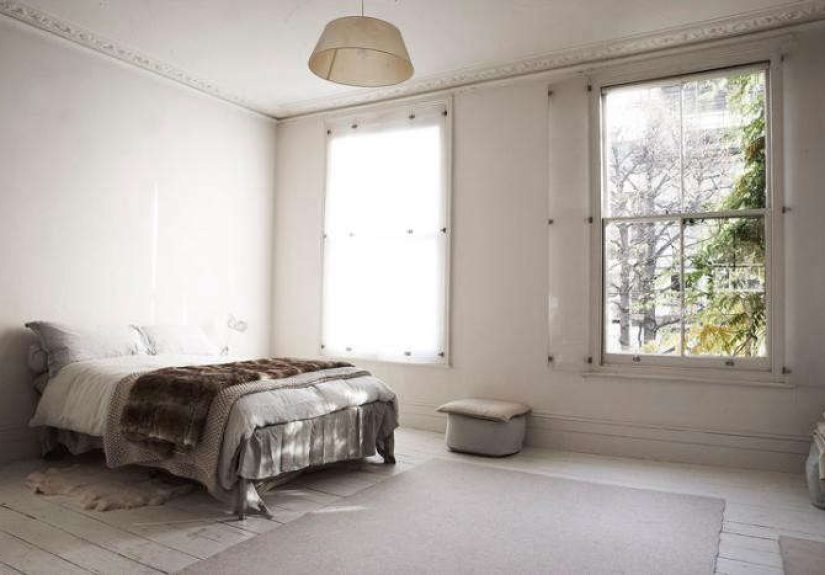
The first surprise is how much diffusion changes a room’s mood. Clear windows deliver directional light, which can be bright but also unevenhot spots on the floor, shadowy corners, and the occasional beam that turns your couch into a tanning bed. Diffusing shutters spread that same daylight around, so the room looks evenly lit. People often describe it as “brighter,” even when the total light is technically lower. It’s the difference between a bare bulb and a lamp shade: the lamp shade is kinder to your eyeballs.
Choosing “too private” is a real thing
Many first-timers default to the most opaque-looking diffuser because privacy is the goal. Then they install it and realize the room now feels like it’s wearing sunglasses indoors. The better approach is matching diffusion level to the room. Bathrooms and street-facing windows can handle a stronger diffuser, but living rooms and offices usually benefit from a higher-transmission option that still softens glare. In other words: pick “soft daylight,” not “permanent overcast.”
Fingerprints are inevitableplan for them like an adult
If your shutters are frequently opened and closed, the inserts will be touched. The lived experience here is simple: textures are forgiving; glossy surfaces are honest. Satin/frosted sheets tend to hide smudges better, while high-gloss acrylic will document every handprint like a crime scene investigator. If you have kids, a dog with opinions, or a household that uses windows the way they were intended, the “low-fuss finish” pays off fast.
Static dust is the sneaky enemy
Acrylic can attract dust through static, especially in dry seasons or homes with lots of airflow. People often notice that inserts look great right after cleaning… and then dust reappears like it has a subscription. The fix isn’t complicated: clean gently, avoid dry-wiping (which can build static), and consider an acrylic-safe anti-static product if dust drives you up the wall. It’s not high dramajust a small maintenance habit that keeps the glow looking fresh.
The “expansion gap” is not optional
The most common installation mistake is clamping the acrylic too tightly into a frame. Everything looks perfect on day one. Then seasons change, sunlight heats the panel, and suddenly there’s bowing, creaking, or stress lines. Experienced installers treat acrylic inserts like floating panels: cushioned edges, small clearances, and room to move. Homeowners who inherit poorly installed inserts often describe the fix as “we loosened it a little and all the weirdness stopped.” Which is also good advice for some meetings.
“One extra panel” is the best low-cost peace of mind
If you’re custom-ordering inserts, consider buying one spare (or at least enough extra material for one). Life happens: a ladder slips, a drill bit grabs, someone cleans with the wrong chemical, or your cousin decides to “help.” Having a backup means you’re not re-ordering custom material under pressure. People who do this rarely regret it. People who don’t do this often become passionate speakers on the topic later.
The end result feels quietly premium
The biggest day-to-day payoff is how the shutters make a room feel finished. Diffused light is flattering; privacy is calm; glare is reduced; and the shutter lines add architecture. The overall experience is not “look at my fancy plastic panels.” It’s “this room feels good all day.” That’s the real winand the reason these shutters keep showing up in bathroom remodels, entryway upgrades, and home office refreshes.