Table of Contents >> Show >> Hide
- What Is Limbo, Exactly?
- Where Limbo Ranks on “Best Indie Game” Lists
- Critics vs. Players: Two Very Different Scoreboards
- Limbo vs. Inside: The Eternal Sibling Rivalry
- Why Limbo Still Matters in 2025
- Common Opinions About Limbo (The Good, the Bad, and the Spidery)
- How to Interpret Limbo Rankings Without Losing Your Mind
- of Limbo Experiences: What It Actually Feels Like to Play
- Conclusion: So Where Should Limbo Sit on Your List?
If you’ve spent any time in gamer spaces, you already know that asking “So what do you think about Limbo?” is like tossing a match into a room full of dry kindling. Some people will call it a masterpiece. Others will shrug and say, “Cool spider, mid puzzles.” And somewhere between those two extremes lies the truth a grayscale world of rankings, hot takes, and very strong feelings about a little silhouetted boy running through a deadly forest.
In this guide, we’ll walk through how Limbo ranks on critic lists, fan scoreboards, and among indie game historians and why opinions about it are still all over the place more than a decade after release. Think of this as a tour through gaming’s collective brain, with fewer traps and slightly less falling to your doom.
What Is Limbo, Exactly?
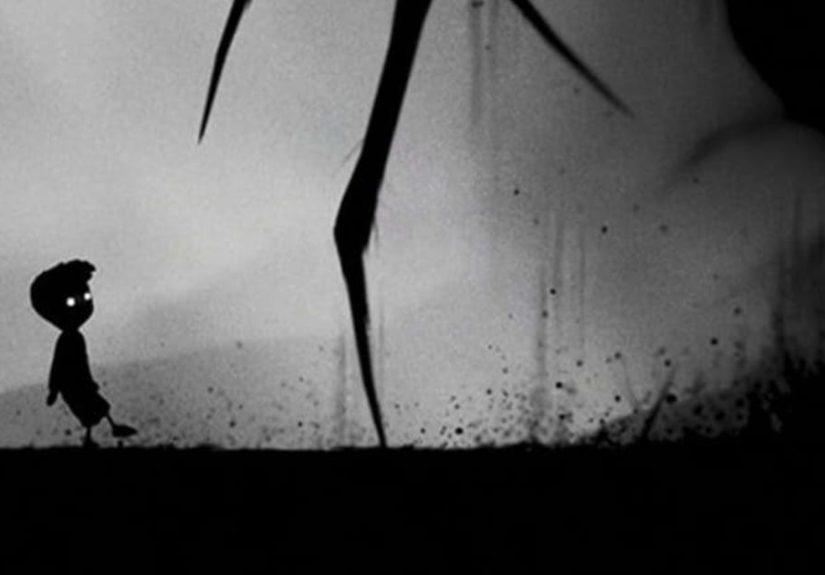
Limbo is a 2D puzzle-platformer developed by Danish indie studio Playdead and first released in 2010 on Xbox Live Arcade before spreading to PC, PlayStation, Switch, and mobile platforms. You play as a nameless boy searching for his sister in a bleak, monochrome world full of buzz saws, gravity puzzles, mind-control worms, and one very iconic giant spider. The story is wordless and deliberately ambiguous no text, no dialogue, just atmosphere and implication.
From the start, critics praised the game’s minimalist art and eerie sound design. On Metacritic, the original Xbox 360 version holds a Metascore of 90 based on overwhelmingly positive critic reviews, with 99% of those reviews rated “positive.” Steam’s store page highlights breathless blurbs like “as close to perfect as a game can get” from Destructoid and “The game is a masterpiece” from Giant Bomb, reinforcing its early “must-play” status.
So from a fact-check perspective, the baseline is clear: Limbo launched as a critical darling and immediately landed in the indie hall of fame.
Where Limbo Ranks on “Best Indie Game” Lists
Game rankings are never truly objective, but they’re a great way to see how a title holds up over time. Even years after release, Limbo keeps showing up when people list the best indie games of all time.
Top 10 Territory
On some fan-driven and curated lists, Limbo doesn’t just show up it lands near the top. One large community-driven roundup of “best indie games of all time” places Limbo in the top 10, right alongside juggernauts like Stardew Valley, Celeste, Hollow Knight, and Spelunky. It’s not just nostalgia; players still see it as an essential foundational indie title, especially for fans of moody puzzle platformers.
Other editorial lists that spotlight influential or “must-play” indies consistently name-drop Limbo as one of the games that defined the early 2010s indie boom often mentioned alongside titles like Braid and Journey for its artistic impact, not just its sales.
Atmosphere With a Capital A
One recurring theme in these rankings is that Limbo doesn’t just have atmosphere it practically invented a subgenre of “Limbo-likes.” A level-design analysis on GameDeveloper (formerly Gamasutra) describes Limbo as one of the first puzzle platformers with capital-A Atmosphere, inspiring a long line of similarly shadowy, minimalist games.
When you see other titles marketed as “perfect if you liked Limbo” or described as “eerie monochrome puzzle platformers,” that’s the influence talking. Articles rounding up “dark and eerie indie puzzle platformers” invariably start with Limbo as the example everyone understands.
Critics vs. Players: Two Very Different Scoreboards
Here’s where it gets interesting. On paper, critics and players both like Limbo, but the shape of that love is very different.
Critical Consensus: Artful, Tight, Essential
On Metacritic, critics give Limbo those “universal acclaim” badges, praising it for elegant puzzle design, haunting visuals, and smart environmental storytelling. Many reviews highlight how the game constantly teaches through failure you’ll die a lot, but each death is a lesson. TouchArcade’s review of the mobile version calls it an “incredible atmosphere” paired with increasingly clever puzzles.
Steam’s official store summary pulls quotes that call it a masterpiece of mood and design, emphasizing that it’s short, focused, and memorable. For critics, Limbo often lands as a near-perfect example of what a tightly scoped indie game can do.
Player Opinions: A Little Messier
Player scores are still strong Metacritic user reviews, for example, skew “generally favorable,” with many users calling it “the best game I’ve ever played” and praising its minimalist art, soundscape, and puzzles. But scroll a little further and the cracks appear:
- Some players feel the puzzle design gets repetitive or that trial-and-error deaths become frustrating rather than meaningful.
- Others think the ending is too ambiguous after all the buildup, leaving them feeling emotionally short-changed.
- And a subset of folks simply find the game “overhyped” beautiful, yes, but shallow compared to later indie hits.
Time Magazine’s review of Playdead’s follow-up Inside even looks back on Limbo as “visually arresting but mechanically shallow,” arguing that it was sometimes mistaken for deeper than it actually was. That kind of critique has only grown louder as newer puzzle platformers raise the bar for storytelling and mechanics.
Limbo vs. Inside: The Eternal Sibling Rivalry
Any conversation about Limbo rankings eventually turns into a debate about Inside, Playdead’s 2016 follow-up. Think of them as two artsy siblings: one brooding older child (Limbo), one extremely weird overachiever (Inside).
On forums and Reddit threads, you’ll find long arguments over which is better. Some players feel Inside is a clear evolution with more dramatic narrative beats and cleaner puzzle design while others insist that Limbo feels more mysterious and emotionally resonant.
How Rankings Typically Shake Out
In many editorial writeups, Inside often edges out Limbo in rankings of “best puzzle platformers,” largely because reviewers see it as tighter and more confident. Time’s review of Inside directly frames it as a course correction taking the visual genius of Limbo and pairing it with more sophisticated game design.
Yet, when you zoom out to “best indie games ever” lists, Limbo still shows up frequently, sometimes even more than Inside. Its historical role as a trendsetter keeps it high on the meta-chart, even if its younger sibling often gets the “better game” title in modern comparisons.
Why Limbo Still Matters in 2025
More than ten years later, why are we still talking about a two-hour black-and-white side-scroller?
A Blueprint for Modern Indie Design
Before Limbo, we certainly had atmospheric platformers, but its stark visual style, minimalist storytelling, and steady escalation of puzzles became a recognizable template. Designers and critics often point to Limbo as a proof-of-concept for:
- Storytelling without words everything is communicated through environment, animation, and sound.
- “Die to learn” design deaths teach players what not to do, instead of punishing them with long setbacks.
- Strong visual identity the silhouette look is so iconic you can recognize it in a single screenshot.
Articles highlighting eerie puzzle platformers almost always use Limbo as the shorthand example for “this vibe.”
Accessible, Short, and Widely Available
Rankings are also influenced by how easy it is to actually play a game. Limbo is relatively cheap, short, and runs on just about everything: low-spec PCs, older consoles, phones, handhelds you name it. That keeps a steady flow of new players coming in every year, many of whom then go rate it highly, post about it, or include it in their own “must-play” lists.
Recent coverage around its planned delisting from the GOG store in 2025 even calls it one of the “best indie games ever” and urges players to grab it while they can, reinforcing its reputation as a classic worth owning.
Common Opinions About Limbo (The Good, the Bad, and the Spidery)
So when people talk about Limbo in 2025, what do they actually say? After combing through reviews, forums, and editorial features, here’s how the consensus roughly breaks down.
What Fans Love
- Atmosphere and tension. The oppressive fog, minimal soundtrack, and constant feeling of dread make every step feel risky.
- Clean puzzle design. Puzzles build logically without overwhelming the player, making it perfect for people who want “just enough” challenge.
- Visual storytelling. No dialogue, no exposition, yet players walk away with their own theories about the boy, the world, and that ending.
What Critics and Players Criticize
- Trial-and-error frustration. Some players feel they die too often in ways that feel cheap rather than fair.
- Short length. Two to four hours of playtime is a plus for some, but others want more content for their money.
- Ambiguous ending. Depending on your taste, the lack of clear resolution is either poetic or just… unfinished.
In other words, Limbo is the kind of game that lives in your head afterward sometimes as a fond memory, sometimes as an itch you’re still trying to scratch.
How to Interpret Limbo Rankings Without Losing Your Mind
If you’re trying to make sense of all these rankings and opinions maybe to decide if you should play it, recommend it, or include it in your own “top 50” article here’s a simple way to think about it.
1. Separate Impact From Perfection
Limbo is historically important. It helped prove that small, tightly focused indie games could grab mainstream attention and win big awards. That impact tends to boost its rank in “all-time” lists, even if some newer games have smoother mechanics or deeper stories.
2. Consider What You Want From a Game
If you want:
- Short, memorable experiences with striking visuals → Limbo scores very high.
- Dense mechanical depth or replayability → You might rank it lower than fans of pure atmosphere do.
- Clear narratives with explicit answers → Expect to land closer to the “overrated but cool” camp.
3. Treat Player Opinions Like a Mood Board
Scroll through user reviews or Reddit threads and think of them less like a verdict and more like a collage. One Steam user calling it “the best game I’ve ever played” and another saying “it’s pretty but boring” can both be right because they’re reacting to different things. The key is to notice patterns in what people praise or dislike, then map those to your own preferences.
of Limbo Experiences: What It Actually Feels Like to Play
Rankings and scores are helpful, but they don’t really capture what it’s like to sit down and go through Limbo from start to finish. So let’s step away from charts for a moment and talk about the experience.
The first time you boot up the game, there’s no “Press Start” fanfare. You simply wake up in the dark grass. The world is quiet in that way that’s somehow louder than noise the sort of quiet that makes you turn your speakers up just in case you’re missing something. You take a step, then another, and immediately notice how heavy everything feels. Jumps have weight. Movements feel hesitant. Even before the first trap, there’s a sense that the world does not particularly want you in it.
Then, of course, comes the spider. If there’s a single shared cultural memory around Limbo, it’s the moment that enormous, spindly-legged creature stalks out of the fog. Even if you’ve seen it in screenshots a hundred times, encountering it yourself is different. You’re not just looking at a cool piece of concept art; you’re desperately nudging a tiny boy forward, hoping your timing is good enough not to get skewered.
The game is full of little emotional beats like that. There’s the first time you trigger a bear trap you didn’t see. The first time you realize that a seemingly harmless slope is actually a carefully placed death slide. The first time you meet other children and discover they might be more dangerous than the environment. None of these moments come with fanfare, but they lodge themselves in your memory, which is why players still talk about particular scenes years later.
What stands out most, though, is how Limbo teaches you to think. The early puzzles are simple: push a crate, jump a gap, avoid spikes. But small variations accumulate. Maybe the crate floats. Maybe gravity flips. Maybe a worm crawls into the boy’s head, forcing him to walk in one direction while you frantically manipulate the environment around him. Before you realize it, your brain has quietly accepted the game’s internal logic that everything on screen is a potential tool, trap, or both.
This steady mental shift is what makes people so passionate in their opinions. For players who sync with that rhythm, Limbo becomes a kind of meditative experience: fail, learn, adjust, succeed, repeat. When the credits roll, you feel like you’ve completed a strange, wordless story that you partly wrote yourself in your head.
For others, that same structure can feel thin once the initial visual novelty wears off. If you go in expecting a dense plot twist every ten minutes, you may come away underwhelmed, especially after seeing modern indies that build on the same foundation with even more elaborate designs.
That’s why, when people rank Limbo, they’re really ranking two things at once: the game itself and the moment in gaming history it represents. It’s an experience that’s hard to separate from where you were as a player when you first encountered it whether you played it on release, caught up with it later on sale, or watched a playthrough on YouTube while eating snacks and yelling at the screen every time someone missed a jump you swear you would have nailed.
In the end, “Limbo Rankings And Opinions” are less about a number out of 10 and more about a mood. It’s the rare game that can be simultaneously criticized, copied, celebrated, and argued over which, ironically, is exactly the kind of limbo a true cult classic tends to live in.
Conclusion: So Where Should Limbo Sit on Your List?
If you’re building your own ranking of indie games, here’s the practical takeaway:
- On a list of “Most Influential Indie Games”, Limbo deserves a high spot for how it shaped the look and feel of atmospheric puzzle platformers.
- On a list of “Best Puzzle Platformers Right Now”, you might rank it slightly lower if you value mechanical complexity and dense narrative over mood.
- On a list of “Short, Unforgettable Experiences”, it’s absolutely top-tier.
Wherever you place it, the important thing is understanding why. Rankings are just numbers; opinions are the stories we tell ourselves about what those numbers mean. For Limbo, the story is simple: a little boy in a hostile world changed how we think about indie games and we’re still arguing about him years later.