Table of Contents >> Show >> Hide
- What Is the Liver?
- Liver Anatomy: Location, Size, and Structure
- What Does the Liver Do?
- Common Symptoms of Liver Problems
- Common Liver Conditions
- What Causes Liver Damage?
- How Doctors Diagnose Liver Problems
- How to Keep Your Liver Healthy
- When to Call a Doctor Right Away
- What People Often Experience When Their Liver Health Changes
- Final Takeaway
If your body had an employee-of-the-month wall, your liver would be on it so often the frame would need replacing. This hardworking organ filters blood, helps digest food, stores energy, processes nutrients, and breaks down medications and toxins without asking for applause. Most of us barely think about it until something feels off. Then suddenly the liver becomes the star of the show, and not in a fun, confetti-cannon kind of way.
Understanding the liver matters because liver problems can be sneaky. Some conditions cause obvious symptoms like jaundice or belly swelling, but others can develop quietly for years. In this guide, we’ll cover what the liver is, where it lives, how it works, common symptoms of liver trouble, what can go wrong, and what real-life experiences with liver issues often feel like. Consider this your plain-English tour of one of the busiest organs in the human body.
What Is the Liver?
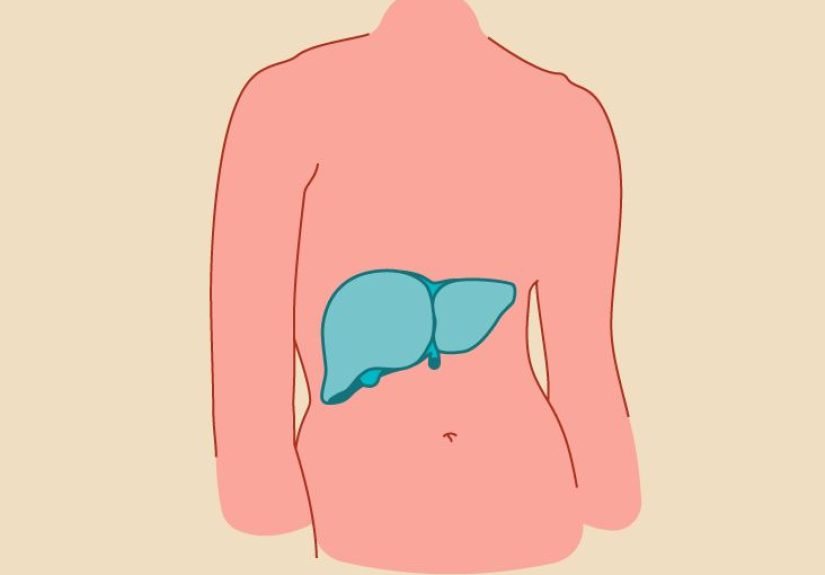
The liver is a large organ located in the upper right side of your abdomen, tucked under your diaphragm and protected by your rib cage. It is the largest internal organ and one of the most important players in keeping the body balanced. In simple terms, the liver acts as a chemical processing plant, storage center, cleanup crew, and quality-control department all rolled into one.
Its job list is long. The liver helps turn nutrients from food into forms your body can use, produces bile to help digest fats, filters substances from the blood, stores vitamins and minerals, helps regulate blood sugar, and makes proteins your body needs for blood clotting and other essential functions. In other words, it is not just “helpful.” It is absolutely central to everyday survival.
Liver Anatomy: Location, Size, and Structure
Where is the liver located?
The liver sits mostly in the upper right abdomen, just beneath the diaphragm and above parts of the stomach, right kidney, and intestines. Because of its position, liver-related discomfort is often felt in the upper right part of the belly, though pain can sometimes spread more broadly.
How big is the liver?
In adults, the liver weighs roughly 3 pounds. That is impressive for an organ that rarely gets thanked. It is large for a reason: it handles a huge volume of blood and manages countless chemical tasks every day.
What is the liver made of?
The liver has two main lobes, a right lobe and a left lobe, along with smaller sections that help doctors describe its anatomy more precisely. Blood enters the liver through major vessels, bringing oxygen and nutrients as well as substances that need to be processed. The liver is also closely connected to the gallbladder and bile ducts, which help move bile into the small intestine during digestion.
At the microscopic level, the liver is made up of specialized cells called hepatocytes. These cells perform much of the liver’s daily work, from metabolizing nutrients to producing bile to helping clear waste products. Think of hepatocytes as tiny multitaskers wearing lab coats.
What Does the Liver Do?
The liver has so many jobs that “busy” feels like an understatement. Here are some of its biggest responsibilities:
1. It processes nutrients
After you eat, nutrients absorbed from the digestive tract travel to the liver. There, the liver helps convert carbohydrates, fats, and proteins into forms the body can store, use, or ship out where needed.
2. It makes bile
Bile is a digestive fluid that helps break down fats. The liver produces bile, and the gallbladder stores and releases it when you eat. Without bile, digesting a greasy cheeseburger would be even more dramatic than usual.
3. It filters the blood
The liver helps remove waste products, toxins, and damaged substances from the bloodstream. It also plays a role in breaking down alcohol and medications. That does not make it invincible, though. Too much alcohol, certain drugs, and some supplements can overwhelm or damage the liver.
4. It stores energy and nutrients
The liver stores glycogen, a form of glucose your body can tap into for energy. It also stores certain vitamins and minerals, helping maintain a reserve for when your body needs backup.
5. It makes important proteins
The liver produces proteins involved in blood clotting, fluid balance, and other core processes. When the liver is damaged, these functions can suffer, which is one reason advanced liver disease can lead to easy bruising, bleeding, or swelling.
6. It supports immunity and overall balance
The liver is involved in immune function and helps manage inflammation, cholesterol processing, and hormone metabolism. In short, it is a control center with a packed calendar.
Common Symptoms of Liver Problems
Liver disease does not always cause symptoms early on. That is part of what makes it tricky. But when signs do show up, they can include:
- Fatigue or unusual weakness
- Pain or discomfort in the upper right abdomen
- Nausea or loss of appetite
- Yellowing of the skin or eyes (jaundice)
- Dark urine
- Pale, gray, or clay-colored stools
- Itchy skin
- Easy bruising or bleeding
- Swelling in the legs, ankles, or abdomen
- Unexplained weight loss
- Confusion, sleepiness, or trouble thinking clearly in advanced disease
Not all liver-related symptoms scream “liver.” Fatigue, mild nausea, and appetite changes are easy to brush off as stress, bad sleep, or a regrettable fast-food decision. That is why persistent symptoms deserve attention, especially if they show up along with jaundice, swelling, or abnormal blood test results.
Common Liver Conditions
Fatty liver disease
Fatty liver disease happens when too much fat builds up in the liver. It may be linked to metabolic factors such as obesity, insulin resistance, type 2 diabetes, or high triglycerides. Alcohol can also cause fat buildup in the liver. Fatty liver disease is often quiet at first, but in some people it progresses to inflammation, scarring, and even cirrhosis.
Hepatitis
Hepatitis means inflammation of the liver. It may be caused by viruses, alcohol, autoimmune disease, medications, or toxins. Viral hepatitis includes hepatitis A, B, and C. Some forms are short-term, while others can become chronic and raise the risk of cirrhosis or liver cancer.
Cirrhosis
Cirrhosis is advanced scarring of the liver. Healthy tissue is gradually replaced by scar tissue, which interferes with normal liver function and blood flow. Causes include chronic hepatitis, alcohol-related liver disease, fatty liver disease, and some inherited or autoimmune disorders.
Liver failure
Liver failure can happen suddenly or develop over time. It is a serious medical condition in which the liver can no longer perform enough of its core tasks to keep the body stable. This requires urgent medical care.
Liver cancer
Primary liver cancer often develops in people who already have chronic liver disease or cirrhosis. Risk tends to be higher in people with hepatitis B, hepatitis C, alcohol-related liver disease, or advanced fatty liver disease.
What Causes Liver Damage?
Liver problems can develop for many reasons. Some of the most common include:
- Heavy or long-term alcohol use
- Chronic hepatitis infections
- Obesity, insulin resistance, and metabolic syndrome
- Certain medications, herbs, or supplements
- Autoimmune conditions
- Inherited disorders such as Wilson disease or alpha-1 antitrypsin deficiency
- Toxin exposure
- Cancer or bile duct disorders
The liver is resilient, but repeated injury can lead to inflammation and scarring over time. That is why ongoing risk factors matter more than one isolated bad weekend.
How Doctors Diagnose Liver Problems
If a liver issue is suspected, diagnosis usually starts with a medical history, symptom review, and physical exam. Your clinician may ask about alcohol use, medications, supplements, family history, risk factors for viral hepatitis, and conditions like diabetes or high cholesterol.
Blood tests
Blood work may include liver enzyme tests and other labs that help show how well the liver is functioning. Abnormal results can suggest inflammation, blockage, or impaired liver performance, though they do not always reveal the exact cause on their own.
Imaging tests
Ultrasound is often the first imaging test used to look at the liver. In some cases, CT or MRI scans are needed for more detail. Imaging can help identify fat buildup, enlargement, masses, or signs of advanced liver disease.
Liver biopsy
Sometimes doctors recommend a liver biopsy, which involves taking a small sample of liver tissue to examine under a microscope. This can help confirm the type and extent of damage when the diagnosis is unclear or when more precise staging is needed.
How to Keep Your Liver Healthy
Protecting your liver is not glamorous, but it is a smart long game. Here are some practical ways to support liver health:
- Limit or avoid alcohol if you have liver disease or risk factors
- Maintain a healthy weight
- Manage diabetes, blood pressure, and cholesterol
- Get recommended vaccines, including hepatitis A and hepatitis B when appropriate
- Avoid sharing needles or personal items that may carry blood
- Use medications exactly as directed, including acetaminophen
- Be cautious with supplements and “detox” products, which can still harm the liver
- Eat a balanced diet rich in whole foods
- See a clinician for persistent symptoms or abnormal lab results
One important truth: your liver does not need a trendy cleanse. It already is the cleanse. What it does need is less injury, fewer toxic hits, and more support from everyday habits.
When to Call a Doctor Right Away
Some symptoms should not be ignored. Seek prompt medical care if you have:
- Yellowing of the eyes or skin
- Severe abdominal swelling or pain
- Vomiting blood or black stools
- New confusion, extreme sleepiness, or personality changes
- Rapid bruising or bleeding
- Dark urine with pale stools and worsening fatigue
These may point to serious liver dysfunction or complications that need urgent treatment.
What People Often Experience When Their Liver Health Changes
Talking about symptoms is useful, but talking about experience can be even more relatable. Liver problems do not always arrive with a dramatic entrance. For many people, the first sign is not pain but a vague sense that something is off. They describe feeling more tired than usual, like their energy has been replaced with wet cement. Work feels harder. Exercise feels optional in the worst possible way. Even small tasks can seem oddly exhausting.
Another common experience is confusion about what the symptoms mean. A person may notice bloating and assume it is just diet-related. They may blame nausea on stress, loss of appetite on a busy schedule, or itchiness on dry skin. Because liver symptoms can overlap with everyday complaints, people often delay getting checked. That delay can be frustrating in hindsight, especially when a blood test later shows something has been brewing quietly for a long time.
Some people with fatty liver disease say the experience feels strange because there are few symptoms at all. They may learn about it only after routine lab work or an ultrasound for something unrelated. That can be emotionally complicated. On one hand, they do not feel sick. On the other hand, they now have a diagnosis involving a major organ, which is not exactly light lunch conversation. Many describe a period of disbelief followed by a burst of internet searching, meal planning, and promises to become a completely different person by Monday.
For people with hepatitis or more advanced liver disease, the experience can be more physical and more visible. Jaundice can be unsettling because it changes appearance in a way that is hard to ignore. Swelling in the abdomen or legs can make clothes fit differently and movement feel uncomfortable. Some people notice brain fog, irritability, or trouble concentrating before they understand that liver function can affect thinking. That mental component can be especially scary because it affects daily confidence.
There is also the social side of liver disease. People may feel embarrassed if others assume liver issues must be alcohol-related, even though many liver conditions are tied to metabolic health, viruses, autoimmune disease, genetics, or medication effects. That misunderstanding can create shame where none belongs. Real experiences often include not just medical appointments and blood tests, but also explaining the condition to family, changing eating habits, cutting back on alcohol, and learning how to talk about health without feeling defined by it.
On the positive side, many people describe liver care as a turning point. They start paying closer attention to sleep, exercise, food choices, and routine checkups. For some, improved habits lead to weight loss, better lab values, less inflammation, and a sense of getting back in control. Others with chronic conditions learn to manage liver disease the same way people manage many long-term health issues: one appointment, one test result, one smart decision at a time.
The emotional experience matters just as much as the physical one. Worry, guilt, relief, frustration, and motivation often show up together. That is normal. When people understand what the liver does and what symptoms mean, the condition becomes less mysterious and easier to face. Knowledge will not make blood work fun, but it can make the whole process a lot less overwhelming.
Final Takeaway
The liver is a remarkable organ that works quietly behind the scenes until something interrupts the routine. Knowing its anatomy, definition, symptoms, and major functions can help you spot warning signs earlier and understand why liver health matters so much. Whether the issue is fatty liver disease, hepatitis, cirrhosis, or a mild lab abnormality that needs follow-up, early attention can make a meaningful difference.
If there is one takeaway worth sticking on your fridge, it is this: the liver is tough, but not invincible. Take persistent symptoms seriously, keep up with preventive care, and do not assume silence means everything is fine. Sometimes the most hardworking organ in the room needs a little backup.