Table of Contents >> Show >> Hide
- Quick Verdict (2025)
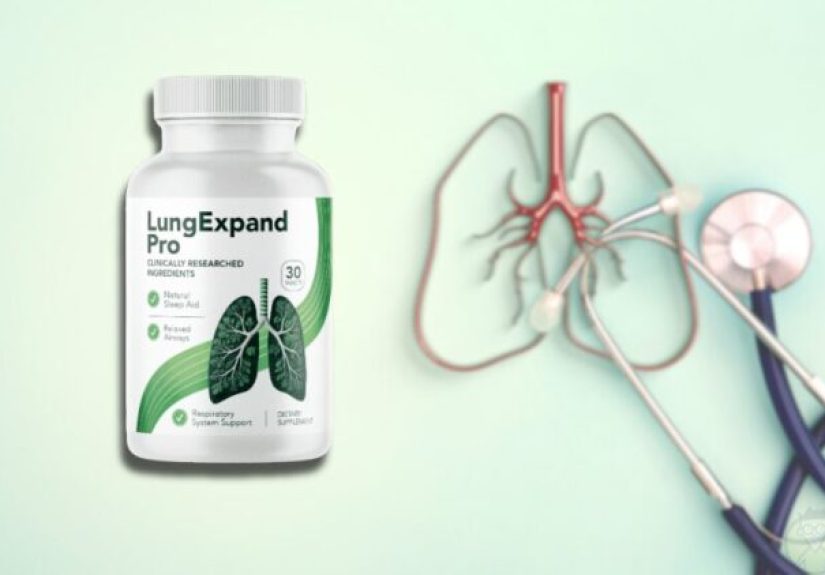
- What Exactly Is LungExpand Pro?
- What “Improve Breathing” Really Means (And What It Doesn’t)
- What LungExpand Pro Claims to Do
- Ingredient Reality Check: What the Science Suggests
- N-acetylcysteine (NAC) and mucus support
- Pelargonium sidoides (Umckaloabo) for cold/bronchitis symptoms
- Bromelain (enzyme) and inflammation claims
- Cordyceps (fungal supplement) and stamina messaging
- Serrapeptase / serratiopeptidase and “mucus cleanup” marketing
- Coltsfoot and other high-risk herbs
- Vitamins (like Vitamin D) and immune support
- So… Can LungExpand Pro “Really Improve Breathing”?
- The “Better-Proven” Alternatives People Skip Because They’re Not Trendy
- Safety: Who Should Be Extra Careful
- How to Spot Marketing Red Flags (Without Becoming a Full-Time Skeptic)
- What to Look for If You Still Want to Try It
- Pros and Cons (Based on How These Products Are Typically Used)
- FAQ
- Bottom Line
- Experiences: What a Realistic 30-Day “Breathing Better” Trial Can Look Like (About )
If you’ve ever climbed one flight of stairs and immediately started breathing like a startled pug,
you’re not alone. “Better breathing” is one of those goals that sounds simple until you realize it involves:
lungs, airways, muscles, nerves, inflammation, sleep, allergies, fitness, stress, and whatever your neighbor is
grilling at 11 p.m.
In 2025, LungExpand Pro is being marketed online as a way to support breathing and lung comfort.
The big question is the same one buyers always ask (usually at 2 a.m. after doom-scrolling reviews):
Can it really improve breathing?
Quick Verdict (2025)
-
There’s no solid evidence that LungExpand Pro (as a finished product) “expands” lungs or meaningfully
increases lung capacity in healthy adults. -
Some ingredients commonly found in respiratory-focused supplements do have limited evidence for supporting
cold/bronchitis symptom relief or mucus thinningbut results are inconsistent and depend on dose, quality, and the person. -
If your goal is “easier breathing,” the most proven approaches are often boring-but-effective:
pulmonary rehab, breathing techniques, and inspiratory muscle training (IMT) for the right people. -
Watch for marketing red flags (especially “FDA approved” language for supplements, miracle claims,
and unclear ingredient labeling).
What Exactly Is LungExpand Pro?
Here’s where things get messy. In online listings and ads, “LungExpand Pro” is not always presented consistently.
Some pages describe a dietary supplement (capsules, drops, or a blend of herbs/enzymes).
Other sellers use similar naming for breathing trainer devices (resistance-based inhalation tools).
These are not the same thingone is swallowed, the other is “gym equipment for your breathing muscles.”
This review focuses on what most people mean when they search “LungExpand Pro reviews 2025”:
a supplement-style product marketed for respiratory support. I’ll also explain the device angle,
because many buyers are accidentally comparing apples to inhalers.
What “Improve Breathing” Really Means (And What It Doesn’t)
1) Lung function vs. breathing comfort
People say “breathing improved” when they feel less winded, cough less, sleep better, or feel less tightness.
That’s different from objectively improving lung function on tests like spirometry.
Supplements can sometimes support comfort (for example, by addressing mucus or inflammation),
but they rarely create dramatic, measurable changes in lung capacityespecially if you’re otherwise healthy.
2) Airways vs. breathing muscles
If you have congestion or chronic mucus, thinning secretions can make breathing feel easier.
If your issue is low endurance or weak inspiratory muscles, a supplement won’t “train” them
but an IMT breathing trainer might.
3) Short-term triggers vs. long-term conditions
Allergies, colds, smoke exposure, reflux, poor sleep, anxiety, and deconditioning can all affect breathing.
Chronic conditions like asthma or COPD have their own evidence-based management plans. A supplement may be a “maybe”
add-on for some people, but it should not replace proven care.
What LungExpand Pro Claims to Do
Marketing language varies by seller, but respiratory supplements commonly claim to:
support “lung detox,” promote “oxygen flow,” reduce mucus, soothe airways, or boost immune defense.
Some pages also use confidence-boosting phrases like “clinically proven” or “FDA approved.”
That last one is worth pausing on: in the U.S., dietary supplements are not FDA-approved like drugs.
Ingredient Reality Check: What the Science Suggests
Because online listings differ, you should verify the exact Supplement Facts panel for the version you’re considering.
Still, many “lung support” blends use recurring categories of ingredients. Here’s what research and medical references
generally suggest about some commonly marketed options.
N-acetylcysteine (NAC) and mucus support
NAC is well-known for its mucolytic (mucus-thinning) properties in certain contexts.
Research reviews suggest it may help reduce mucus hypersecretion mechanisms and has been studied in chronic bronchitis/COPD populations,
though results vary and not every study shows clear clinical benefit. In plain English: NAC can make biological sense for mucus,
but that doesn’t automatically mean every “lung blend” will change how you feel day to day.
Pelargonium sidoides (Umckaloabo) for cold/bronchitis symptoms
Pelargonium sidoides (often associated with “Umcka”) has evidence for reducing symptoms in the common cold and bronchitis in some human studies.
That’s more specific than vague “lung detox” languageand it’s one of the better-known botanical options for symptom relief.
Still, symptom reduction is not the same as curing infections or improving chronic disease.
Bromelain (enzyme) and inflammation claims
Bromelain has anti-inflammatory properties and has been studied for a range of uses, but human evidence is limited for many claims.
It also comes with a practical caution: it may increase bleeding risk in some situations and can interact with certain medications
(for example, blood thinners) and may affect antibiotic absorption.
Cordyceps (fungal supplement) and stamina messaging
Cordyceps is often marketed for energy and stamina. Major cancer-center herb references note that it’s used traditionally,
but evidence for many claims is not strong, and it may interact with medicationsparticularly those affecting blood sugar or bleeding risk.
Serrapeptase / serratiopeptidase and “mucus cleanup” marketing
Serrapeptase is marketed for reducing swelling and thinning mucus. Some people report benefits, but the evidence base is not robust,
and safety considerations matterespecially for people on blood thinners or with bleeding risk.
If a product leans heavily on serrapeptase as the “secret weapon,” take a breath (pun intended) and read the cautions.
Coltsfoot and other high-risk herbs
Coltsfoot is a classic example of “traditional use” colliding with modern safety concerns.
Some sources warn it can contain hepatotoxic pyrrolizidine alkaloids (PAs), which can harm the liver.
If you see coltsfoot (or similar PA-risk herbs) in a respiratory blend, that’s not a “bonus ingredient”it’s a serious reason to avoid the product
unless you have clear, reliable confirmation it is PA-free and your clinician agrees it’s appropriate.
Vitamins (like Vitamin D) and immune support
Vitamin D is important for overall health and immune function, and correcting deficiency can matter.
But it’s not a targeted “lung expander.” Think of it as foundational nutritionuseful when needed,
not a shortcut to breathing like an Olympic swimmer.
So… Can LungExpand Pro “Really Improve Breathing”?
The most accurate answer is: it depends what you mean by “improve,” and why you’re struggling.
- If you mean measurable lung capacity increases: a supplement is unlikely to deliver meaningful changes.
-
If you mean less mucus and easier airway clearance: certain ingredients (notably NAC in some contexts) have plausible mechanisms,
but effectiveness depends on formulation and your underlying issue. - If you mean less coughing during a cold: botanicals like Pelargonium sidoides have some evidence for symptom reduction.
-
If you mean less breathlessness with activity: the strongest evidence usually points to conditioning, breathing strategies,
and (for some people) IMT or pulmonary rehabilitation.
The “Better-Proven” Alternatives People Skip Because They’re Not Trendy
Pursed-lip breathing and diaphragmatic breathing
These techniques are commonly recommended in clinical education for managing breathlessnessespecially in COPD
because they can help control breathing patterns and reduce panic-breathing.
They’re not glamorous, but neither is wheezing through your favorite song.
Pulmonary rehabilitation
For people with COPD and some other chronic lung conditions, pulmonary rehab is a big deal:
supervised exercise, education, breathing strategies, and support. It’s one of the most effective ways to improve day-to-day function and quality of life.
Inspiratory Muscle Training (IMT)
IMT uses a resistance device to strengthen the muscles you use to inhale. Systematic reviews (including Cochrane-style evidence summaries)
have found improvements in inspiratory muscle strength and some functional outcomes in certain populations, especially COPD.
If your “LungExpand Pro” is actually a breathing trainer device (or you’re seeing ads for one),
this is the category where the best “breathing training” evidence lives.
Safety: Who Should Be Extra Careful
Even “natural” products can cause side effects or interact with meds. Use extra caution and get clinician input if you:
- Take blood thinners or have a bleeding disorder (enzyme/herb interactions can matter).
- Have liver disease or elevated liver enzymes (avoid high-risk herbs like coltsfoot).
- Have asthma/COPD and are considering replacing prescribed therapy (don’t).
- Are pregnant, breastfeeding, or buying for a child (many herbs lack safety data).
- Have sudden, worsening shortness of breath, chest pain, blue lips, confusion, or severe wheezing (seek urgent care).
How to Spot Marketing Red Flags (Without Becoming a Full-Time Skeptic)
Red flag #1: “FDA approved” supplements
In the U.S., dietary supplements are regulated differently than drugs. The FDA does not pre-approve supplements for effectiveness,
and supplement claims must follow specific rules. If a LungExpand Pro seller is loudly shouting “FDA approved,” treat it as a credibility problem,
not a selling point.
Red flag #2: Miracle language
“Cures COPD.” “Reverses lung damage.” “Detoxes lungs in days.” These are not reasonable promises.
They’re the marketing equivalent of a stranger yelling “Trust me!” from a moving vehicle.
Red flag #3: No clear Supplement Facts and no quality signals
You should be able to find: exact ingredients, amounts, manufacturer info, and safety warnings.
Extra points for third-party testing signals (such as reputable certification/testing programs).
Consumer guidance often recommends looking for independent testing because supplements can vary in quality.
What to Look for If You Still Want to Try It
- Confirm which LungExpand Pro you’re buying (supplement vs device, and which seller).
- Read the Supplement Facts panel and avoid risky herbs you’re not comfortable with.
- Prefer third-party tested supplements (where feasible) and transparent brands.
- Set a realistic goal: comfort, less mucus, better sleepnot “new lungs.”
- Track outcomes for 2–4 weeks: breathlessness during walking, cough frequency, sleep quality, exercise tolerance.
Pros and Cons (Based on How These Products Are Typically Used)
Pros
- May support symptom comfort for some people, depending on ingredients and individual triggers.
- Some commonly used components (like Pelargonium in cold/bronchitis symptom relief contexts) have human evidence.
- Could be a “supportive add-on” for people already doing the basics (sleep, conditioning, breathing strategies).
Cons
- No strong evidence the finished product “expands lungs” or meaningfully increases lung capacity in healthy users.
- Quality and labeling can vary between sellers using the same/similar name.
- Potential interactions (blood thinners, blood sugar meds) and safety concerns with certain herbs/enzymes.
- Marketing claims can be more confident than the evidence.
FAQ
Is LungExpand Pro FDA approved?
Dietary supplements are not FDA-approved like prescription drugs. Be cautious of sellers using “FDA approved” language for supplements.
Can it help asthma or COPD?
Supplements should not replace prescribed therapy. Some ingredients are studied for mucus or symptom support, but chronic conditions require
evidence-based medical care and monitoring.
How fast would I notice a difference?
If someone notices anything, it’s often in symptom comfort (mucus, cough feel, sleep) over a couple weeks. Big, immediate “breathing transformation”
is not a reasonable expectation.
What if I’m short of breath often?
Frequent or worsening shortness of breath deserves medical evaluation. Supplements can distract you from addressing the root cause.
Bottom Line
LungExpand Pro is not a magic lung upgrade. In 2025, the name is attached to marketing that can be inconsistent across sellers,
and the evidence (where it exists) usually supports specific symptom relief mechanisms, not dramatic “lung expansion.”
If you want the highest odds of breathing better, pair the basicssleep, conditioning, trigger management, breathing strategieswith
clinician guidance when symptoms are persistent. If you still want to experiment with a supplement, do it carefully, verify ingredients,
avoid risky components, and track outcomes like an adult scientist (with a slightly sarcastic clipboard).
Experiences: What a Realistic 30-Day “Breathing Better” Trial Can Look Like (About )
Let’s talk about “experiences,” because reviews online often swing between
“I can breathe underwater now” and “this product personally stole my mailbox.”
Reality is usually quieterand more useful.
Scenario A: The Desk-Worker With Allergy Season Lungs.
A common experience for people who try a respiratory supplement is that the first week feels… underwhelming.
That’s not failure; it’s expectations recalibrating. If your “breathing issue” is actually nasal congestion,
post-nasal drip, and sleeping with your mouth open like a dehydrated goldfish, a supplement may not touch the main problem.
What sometimes helps more is pairing a basic routine (hydration, bedroom air quality tweaks, and a clinician-approved allergy plan)
with simple breathing techniques to reduce the feeling of air hunger. By week two, some people report less throat “gunk” in the morning
and slightly easier breathing during light activitybut it’s subtle. If you need a dramatic difference to feel satisfied,
you may decide it’s not worth it.
Scenario B: The Fitness Person Who Thinks Their Lungs Are the Limiting Factor.
This group often discovers a surprising truth: sometimes it’s not the lungsit’s pacing, conditioning,
and breathing control under stress. People drawn to “LungExpand Pro” ads are often also seeing breathing trainer devices.
When they switch to an inspiratory muscle training approach (a resistance device used consistently),
they may notice a more “workout-like” progression: it starts hard, becomes easier, and breathing feels more controlled during intervals.
The experience is similar to training any muscle: consistency matters more than hype.
A supplement, in this context, might feel like background noise compared to a training tool and structured conditioning plan.
Scenario C: The Older Adult With Chronic Breathlessness (Already Under Care).
When someone is already working with a clinician for COPD or chronic bronchitis, the best experiences tend to happen
when supplements are treated as optional supportnot as the main event. Many people in this situation report the biggest gains
from pulmonary rehab-style habits: learning pursed-lip breathing, building walking tolerance safely, and reducing the fear response
that makes breathlessness feel even worse. If mucus is a major issue, some people explore mucolytic strategies with clinician guidance.
In these stories, any “supplement benefit” usually shows up as a minor improvement in comfort (less thick mucus, slightly easier mornings),
not a dramatic change in lung function.
Across all three scenarios, the most consistent “experience” is this: breathing improves most when you match the tool to the problem.
If the problem is congestion, treat congestion. If it’s weak breathing muscles, train them. If it’s a chronic condition,
lean on evidence-based care. And if it’s stress, your lungs may be fineyour nervous system is just auditioning for a disaster movie.