Table of Contents >> Show >> Hide
- What the MACKAPÄR Is, in Plain English
- Why This Type of Entryway Storage Actually Works
- Design Analysis: What MACKAPÄR Gets Right (and What to Watch For)
- Is MACKAPÄR Right for Your Space?
- How to Set Up MACKAPÄR So It Stays Organized
- Styling Tips: Making It Look Like Décor, Not Equipment
- Practical Use Cases (Specific Examples)
- Maintenance and Care
- Smart Add-Ons That Make MACKAPÄR Feel Custom
- Conclusion: A Slim Hallway Workhorse (If You Use It Like One)
- Experiences Related to the MACKAPÄR Coat Rack With Shoe Storage Unit
The entryway is where good intentions go to die. You walk in with groceries, mail, a hoodie you swear you’ll hang up “in a second,” and shoes that somehow multiply overnight. By day three, your front door opens to a soft avalanche of sneakers, tote bags, and mystery scarves.
Enter the IKEA MACKAPÄR coat rack with shoe storage unit: a tall, slim “hall tree” style organizer that tries to bring order to the chaos without demanding a full mudroom renovationor a second mortgage.
This article breaks down what the MACKAPÄR is, who it works for, how to set it up so it actually stays organized, and a few design tricks to make it look intentional (instead of “college apartment, but make it vertical”).
What the MACKAPÄR Is, in Plain English
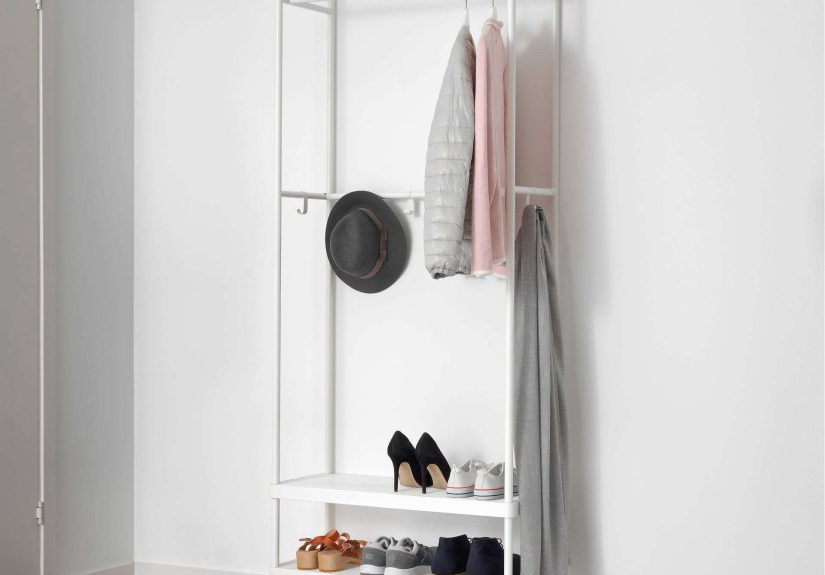
The MACKAPÄR coat rack with shoe storage unit is a powder-coated steel entryway organizer designed for tight spaces. Think: coat hooks + hanging rail + shoe shelves + top shelf, stacked vertically. The point is to create a simple “drop zone” so coats, backpacks, and shoes have a home that isn’t your floor.
At-a-glance specs (the stuff you measure twice)
- Size: 30 3/4″ wide × 12 5/8″ deep × 78 3/4″ high (about 2.5 ft wide and a little under 6.6 ft tall)
- Shoe capacity: holds approx. 6 pairs (realistically depends on shoe size and how committed your household is to “one pair per person”)
- Hooks: total of 10 hooks, including 2 that can be placed on the sides
- Material: steel with epoxy/polyester powder coating
- Safety: must be secured to the wall
The design is intentionally open, which means air can move around wet shoes and damp jacketshandy if you live somewhere with rain, snow, or the kind of summers where your clothes arrive home already “pre-sweated.”
Why This Type of Entryway Storage Actually Works
Professional organizers and home editors tend to agree on the big three for a functional entryway: zones (each category gets a spot), vertical storage (use the wall height), and shoe control (because shoes are the entryway’s glitteronce they spread, they’re everywhere).
The MACKAPÄR’s strength is that it bakes those ideas into one narrow footprint.
Zone-friendly by design
The unit naturally separates “hang stuff up” (hooks + rail) from “stash stuff down” (shoe shelves) and “catch-all” (top shelf). That separation matters. When everything is one big pileone bench, one basket, one doomed dreampeople stop putting things away. When the categories are obvious, habits get easier.
Vertical space = less visual clutter
Small entryways are usually short on floor space, not wall height. A tall unit gives you the function of a bigger mudroom wall without stealing your walking path. If you’ve ever tried to squeeze past a bulky freestanding coat tree, you’ll appreciate a slimmer “in-line” solution.
Design Analysis: What MACKAPÄR Gets Right (and What to Watch For)
Pros
- Slender footprint: about 12 5/8″ deep, so it’s friendly to narrow halls and apartment entries.
- Flexible hanging: you can place the clothes rail toward the front or rear depending on whether you want hangers to clear the hooks.
- Kid-friendly lower hooks: the lower row is reachable for childrengreat for backpacks and light jackets.
- Ventilation: open shelves help shoes and outerwear dry faster than closed cabinets (especially useful for wet boots and rainy-day gear).
- Durable finish: powder coating is designed to take everyday scuffs better than delicate painted surfaces.
Cons (a.k.a. the fine print your entryway will notice)
- Shoe shelves are limited: “approx. 6 pairs” means you’ll need a system (rotation, seasonal storage, or strict limits) if you’re a shoe-loving household.
- Open storage shows everything: great for access; not great for hiding chaos. If you want a perfectly “minimal” look, you’ll need bins or curated restraint.
- Must be wall-secured: that’s not optional. Tall + narrow furniture needs anchoring for safety and stability.
- Not for damp areas: it’s recommended for indoor use only, not outdoors or in wet utility rooms.
Is MACKAPÄR Right for Your Space?
Before you buy any entryway organizerespecially one with a vertical frameanswer three practical questions:
1) Do you have the wall space?
You’ll need a clear wall area at least 31″ wide and enough height for a 78 3/4″ unit, plus comfortable clearance above it. In most homes that’s fine, but check for low soffits, slanted ceilings, or wall-mounted thermostats.
2) Do you need “daily access” storage or “hide it all” storage?
MACKAPÄR is built for what you use constantly: everyday jackets, the bag you grab on the way out, shoes you actually wear this week. If your entryway is a storage dumping ground for off-season coats, sports equipment, and last year’s forgotten life goals, you’ll want to pair it with closed storage elsewhereor accept that your entryway will look like a yard sale.
3) Who lives here, and how do they behave?
Design is cute; behavior is reality. If you have kids, roommates, or a partner who thinks “hanging up a coat” is a suggestion, choose storage that’s faster than dropping things on the floor. Hooks and open shelves win for speed. That’s why MACKAPÄR can work well in high-traffic householdswhen the system is easy, people use it.
How to Set Up MACKAPÄR So It Stays Organized
Buying an entryway storage unit is the easy part. Keeping it from becoming a metal sculpture called Untamed Clutter is the real art. Use this setup plan:
Step 1: Anchor it like you mean it
The unit must be secured to the wall. Use fasteners appropriate for your wall type (drywall, plaster, masonry). Anchoring improves stability and makes the rack feel sturdier when it’s loaded with coats and bags.
Step 2: Assign hooks by category (not by person)
It’s tempting to give everyone “their hook,” but shared spaces stay cleaner when the categories are obvious:
- Top hooks: guest coats, umbrellas, hats
- Middle hooks: daily jackets, hoodies, work bags
- Lower hooks: kids’ backpacks, lunch bags, dog leashes
- Side hooks: high-frequency grab items (keys on a lanyard, tote bag, reusable grocery bag)
Step 3: Make the shoe shelves a “current season only” zone
If you let every pair live here forever, the shelves will overflow and shoes will migrate to the floor againlike they’re staging a tiny rebellion. A simple rule works:
each person gets one or two pairs in the entryway. Everything else goes to closets, under-bed bins, or a separate shoe cabinet.
Step 4: Use bins on the top shelf to hide the small stuff
Gloves, beanies, sunglasses, dog waste bags, spare masks, charging cablesthese are the items that create “visual noise.” Add two or three matching bins or baskets on the top shelf:
- “Cold weather” bin: hats, gloves, hand warmers
- “Out the door” bin: sunscreen, bug spray, lint roller, reusable shopping bags
- “Pet” bin: leash accessories, towels, treat pouch
Styling Tips: Making It Look Like Décor, Not Equipment
The MACKAPÄR is minimalist steel in white. That’s good news: it plays nicely with most interiors, from modern to Scandinavian to “I rent and my landlord chose the paint color.”
Here’s how to style it so it feels intentional.
Pair it with a runner and a boot tray
A washable runner rug defines the entry zone and softens the look of metal furniture. Add a boot tray under or near the unit if you deal with rain, salt, or muddy shoes. The tray creates a “permission slip” for wet footwear without sacrificing the rest of your floors.
Keep hangers consistent
If you use the clothes rail with hangers, go consistentsame style, same color. Mismatched hangers can make the unit look chaotic even when it’s technically organized. It’s a small detail that makes the whole setup feel more “designed.”
Use one accent color in your accessories
Try matching bins, a neutral tote, and a single accent (like a black umbrella or tan leather bag). Because MACKAPÄR is open storage, visual cohesion matters more than you’d think.
Practical Use Cases (Specific Examples)
Small apartment entry (no closet, no problem)
Put the MACKAPÄR near the door and treat it like your “micro closet.” Use the rail for two everyday jackets and a work blazer. Put sneakers and slip-ons on the bottom shelf, and reserve the top shelf bins for winter gear and mail. The slim depth helps keep a narrow hallway passable.
Family “backpack airport” by the garage door
Use the lower hooks for school bags and sports bags (the reachability helps kids participate). Store only the most-used shoes on the shelves and keep a separate bin elsewhere for cleats or muddy footwear. Add a labeled basket per kid on the top shelf for gloves and hats.
Dog-walker setup
Side hooks can hold a leash and treat pouch. Keep a small towel (or microfiber cloth) rolled in a bin for muddy paws. The open shelves help wet items dry fasteruseful after rainy walks.
“No shoes in the house” household
Place a boot tray directly below the shoe shelves and enforce a strict limit: one daily pair per person. Add a small sign if needed. (Yes, it sounds dramatic. No, it’s not as dramatic as stepping on a surprise LEGO at 7:05 a.m.)
Maintenance and Care
Powder-coated steel is low drama. For routine care, wipe clean with a damp cloth and mild cleaner, then wipe dry with a clean cloth. Because the unit is open, dust can settle on shelvesquick weekly wipe-downs prevent the “why does my shoe rack look like it’s been abandoned since 2009?” effect.
Smart Add-Ons That Make MACKAPÄR Feel Custom
The product is intentionally simple, but you can level it up with a few practical upgrades:
- Matching baskets/bins: makes open storage calmer and hides small items.
- Label tags: helpful for families (and for roommates who claim they “didn’t know where anything goes”).
- Wall mirror nearby: visually expands a small entry and gives you the last-check moment before you leave.
- Key tray or wall-mounted key holder: don’t rely on hooks alone for tiny essentials.
- Seasonal rotation bin: off-season accessories live elsewhere, so the MACKAPÄR stays lean.
Conclusion: A Slim Hallway Workhorse (If You Use It Like One)
The MACKAPÄR coat rack with shoe storage unit is best for people who want a simple, narrow, grab-and-go entryway organizer: hooks for fast hanging, shelves for the shoes you actually wear, and enough height to reclaim vertical space.
It won’t magically make your household tidybut it can make tidying so easy that it finally happens.
The secret sauce is the system: limit shoes, assign hook categories, use bins for the tiny stuff, and anchor it securely. Do that, and MACKAPÄR becomes the calmest part of your daythe five seconds between “I should be leaving now” and “oh good, my keys are right here.”
Experiences Related to the MACKAPÄR Coat Rack With Shoe Storage Unit
People’s day-to-day experiences with MACKAPÄR tend to fall into a few recognizable patternsmostly because entryways are where routines get tested. When the unit is used as a true “daily essentials station,” it often feels like a small upgrade that keeps paying dividends. You walk in, hang the jacket, slide the shoes onto a shelf, and you’re done. The open design creates a kind of visual accountability: if you leave five pairs of shoes out, you will see them, and you will feel judged by your own hallway. For many households, that tiny nudge is exactly what keeps things under control.
In small apartments, a common experience is relief at how much function you get from such a slim footprint. Instead of a bulky coat tree that wobbles and steals walking room, MACKAPÄR hugs the wall and offers multiple “landing spots.” The top shelf becomes the hero for small items that usually roam freemail, sunglasses, gloves, the emergency umbrella that never shows up when you need it. Many people find that adding just two matching bins up top instantly makes the whole unit look more “designed,” even if the lower shelves are doing the unglamorous work of holding sneakers and boots.
Families often report that the lower hooks change the game, especially for backpacks. When kids can reach a hook easily, the odds of a backpack hitting the floor drop dramatically. The unit also tends to become a routine anchor: school bags go here, sports gear goes there, and the “where is my jacket?” question becomes less frequent. That said, families also run into the shoe-capacity reality faster than anyone else. Six pairs of shoes sounds fine until you multiply it by three or four people. The households that stay happiest with MACKAPÄR typically adopt a simple rule: only today’s shoes live on the rack, and everything else rotates in and out by season.
Another frequent experience is that the hanging rail placement matters more than expected. If you prefer hangers (for a neater look, or to keep coats from crowding), you’ll likely experiment with rail position so sleeves don’t drape into the space below. Many users end up using the rail for shorter itemslight jackets, hoodies, kids’ coatswhile long coats go elsewhere. The hooks then become the heavy lifters for bags, scarves, and quick-grab outerwear.
Finally, people who live with pets often appreciate how naturally MACKAPÄR becomes a “walk station.” A leash on a side hook, a small towel in a top bin, maybe a treat pouch hanging at a convenient heightit’s a tidy setup that supports a real routine. The open shelves also make it easy to air out damp items. The biggest success stories usually come from treating MACKAPÄR as a daily-use organizer, not a storage warehouse. When it’s used with light structurebins for small items, limits on shoes, and consistent hook categoriesit tends to feel like the entryway finally has a plan.