Table of Contents >> Show >> Hide
- Why Maintaining Air Conditioners Pays Off (Yes, Even When You’d Rather Not)
- Know What You’re Maintaining: The Main Types of Air Conditioners
- The “Actually Realistic” AC Maintenance Schedule
- DIY Maintenance: The Safe, High-Impact Stuff You Can Do
- What to Leave to the Pros (Because Fingers Are Optional)
- Trouble Signs You Shouldn’t Ignore
- Indoor Air Quality, Mold, and the Duct-Cleaning Myth
- Maintenance Tips by AC Type
- Common Maintenance Mistakes (A Short List of Regrets)
- From the Trenches: Real-World Experiences Maintaining Air Conditioners (Extended)
- Conclusion: Keep It Simple, Keep It Cool
Your air conditioner is basically your home’s emotional support appliance. When it’s happy, everyone’s happy. When it’s not?
You’re one weird noise away from Googling “why does my AC sound like a raccoon learning jazz drums.”
The good news: most AC problems don’t start as emergencies. They start as tiny, preventable issuesdirty filters, clogged drains,
and outdoor units slowly being swallowed by shrubbery like a nature documentary you didn’t sign up for.
This guide breaks down practical, real-world air conditioner maintenance for central AC, heat pumps, ductless mini-splits,
and window units. You’ll get an easy schedule, safe DIY tasks, what to leave to a pro, and how to spot trouble before it becomes
“surprise indoor sauna” season.
Why Maintaining Air Conditioners Pays Off (Yes, Even When You’d Rather Not)
AC maintenance isn’t about being a “perfect homeowner.” It’s about making your system do what it’s supposed to do: cool your home
efficiently, consistently, and without dramatic flair.
- Lower energy bills: A clean system moves air and transfers heat better, so it doesn’t have to run as long to hit the same temperature.
- Fewer breakdowns: Small issueslike a clogged condensate draincan shut systems down or cause water damage if ignored.
- Longer equipment life: Reduced strain helps protect expensive components like compressors, blower motors, and control boards.
- Better comfort and air quality: Proper airflow and humidity control matter as much as cold air.
Know What You’re Maintaining: The Main Types of Air Conditioners
Central Air Conditioning (Split Systems)
Most U.S. homes with “central air” have an indoor air handler/evaporator coil and an outdoor condenser unit.
Air flows through ducts, passes over the cold evaporator coil, and gets delivered to rooms. Maintenance focuses on filters, coils, airflow,
and keeping the outdoor unit clear and clean.
Heat Pumps (Cooling + Heating)
A heat pump can cool in summer and heat in winter. Maintenance looks similar to central AC, but seasonal prep matters more. Also, winter “cover it up”
advice can be tricky because some systems need airflow year-round.
Ductless Mini-Splits
Mini-splits have indoor wall-mounted heads (or ceiling cassettes) and an outdoor unit. They’re efficient, quiet, and also very good at collecting dust
on their washable filters if you forget they exist.
Window & Portable AC Units
Smaller units are simpler, but they still need filter cleaning, coil cleaning, and good window sealing. They also love producing musty odors if moisture
and dust team up like villains in a buddy cop movie.
The “Actually Realistic” AC Maintenance Schedule
Here’s a schedule that works for most homes without turning you into a full-time HVAC intern.
| When | What to Do | Why It Matters |
|---|---|---|
| Monthly (during heavy use) | Check/clean/replace air filter; quick airflow check at vents; listen for weird noises | Protects coils, keeps airflow strong, prevents “mystery efficiency loss” |
| Spring (pre-season) | Clear outdoor unit area; gentle coil rinse; thermostat test; inspect drain line/pan | Preps system for peak load, reduces mid-heatwave failures |
| Mid-summer | Filter check again; confirm outdoor unit stays clear; watch for icing or long run times | Heat and humidity expose weaknesses fast |
| Fall (post-season) | Final filter change; wipe registers; review performance notes for next year | Ends season clean, helps you catch patterns |
| Yearly | Professional tune-up (refrigerant checks, electrical inspection, deep coil inspection/cleaning as needed) | Catches problems you can’t safely diagnose, improves reliability |
DIY Maintenance: The Safe, High-Impact Stuff You Can Do
1) Air Filters: The Cheapest Fix With the Biggest Attitude
Filters protect your system from dust buildup and keep airflow from choking. As a rule of thumb, check monthly during heavy cooling months and replace
as needed (many homes land in the 1–3 month range depending on pets, dust, and usage).
- Disposable filters: Replace when visibly dirty or on your schedule.
- Reusable filters (or washable mini-split filters): Vacuum gently, rinse if allowed, and let dry completely before reinstalling.
- Pro tip: Write the install date on the filter frame. Future You will be weirdly grateful.
2) Keep the Outdoor Unit Breathing (It’s Not a Decorative Shrub Holder)
Your outdoor condenser needs airflow to dump heat. If it’s buried in leaves, cottonwood fluff, or a hedge that’s auditioning to become a wall,
performance drops.
- Remove leaves and debris around the base.
- Trim plants back to maintain clear space (think “at least a couple of feet” of breathing room).
- Make sure the top grille isn’t blocked.
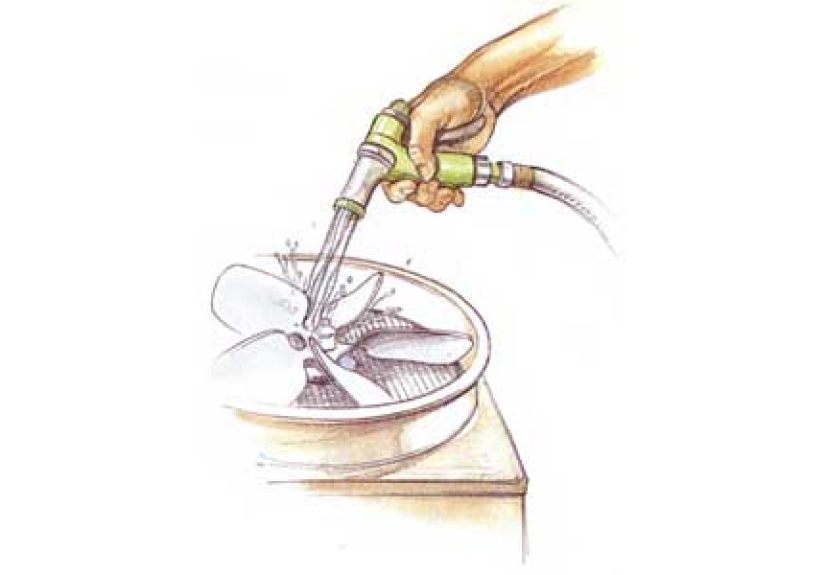
3) Gently Clean Condenser Coils (No Pressure Washer Heroics)
Light coil cleaning can help heat transfer. The key word is gently. Those thin fins bend easily, and bent fins restrict airflow.
- Turn off power at the thermostat and the outdoor disconnect/breaker (safety first).
- Clear debris by hand; use a soft brush or vacuum with care.
- Rinse from inside-out if accessible, or use a gentle hose spray (no high pressure).
- If fins are badly bent, let a technician handle fin straightening with the right tools.
4) Condensate Drain: The Sneaky Trouble-Maker
Your AC removes humidity, which becomes water. That water drains away through a condensate line. If the line clogs, you might get:
water around the indoor unit, musty smells, safety shutoffs, or system downtime.
- Check for dripping where it shouldn’t drip (like the ceiling).
- Inspect the drain pan if visible.
- If your system’s design allows, periodically clear drain openings and remove gunk (many homeowners use a wet/dry vacuum at the drain outlet).
5) Thermostat Reality Check
Before you blame the AC, confirm the thermostat is:
- Set to Cool (yes, it happens),
- Set to a reasonable temperature (turning it to 60°F doesn’t cool faster; it just runs longer),
- Not placed where sunlight or a hot appliance tricks it into overreacting.
What to Leave to the Pros (Because Fingers Are Optional)
Some maintenance tasks are not “hard,” but they are high riskeither for safety, for your system, or for staying on the right side of
refrigerant regulations. Call a qualified HVAC technician for:
- Refrigerant issues: Low refrigerant usually means a leak. “Topping off” without fixing the leak is like refilling a leaky water bottle and acting surprised.
- Electrical components: Contactors, capacitors, control boards, and motor wiring can be dangerous and easy to damage.
- Deep evaporator coil cleaning: Indoor coils can get dirty even with a filter, and access is often inside panels.
- Airflow diagnostics: Measuring airflow properly and diagnosing duct leakage or blower performance takes the right tools.
- Fin straightening: A fin comb can help, but it’s easy to make things worse without experience.
What a Good Professional Tune-Up Typically Includes
If you’re paying for maintenance, you deserve more than “yep, it’s cold.” A solid tune-up often involves:
- Checking refrigerant charge and looking for leaks
- Measuring airflow across the evaporator coil
- Inspecting and tightening electrical connections
- Checking thermostat accuracy and control sequence
- Inspecting coils, drain system, and overall system condition
Trouble Signs You Shouldn’t Ignore
Your AC usually whispers before it screams. Watch for these early warnings:
Weak Airflow
Often caused by a dirty filter, blocked return vents, blower issues, or duct leaks. If airflow suddenly changes, don’t just “hope it gets better.”
Hope is not a diagnostic tool.
Ice on Lines or the Indoor Coil
Icing commonly points to airflow problems (dirty filter, blocked coil) or refrigerant issues. Turn the system off to prevent damage and call a pro if it repeats.
Water Leaks or Musty Smells
This is frequently drain-relatedclogs, pan overflow, or microbial growth in damp areas. Address moisture quickly; it’s the VIP pass for mold.
Short Cycling (Turning On and Off Rapidly)
Could be thermostat placement, electrical issues, airflow problems, or oversized equipment. Short cycling is hard on components and wastes energy.
Indoor Air Quality, Mold, and the Duct-Cleaning Myth
If you’ve ever been told you “need duct cleaning every year,” you’ve met one of the HVAC world’s most persistent sales pitches.
The EPA’s guidance is essentially: duct cleaning is not routine maintenanceit’s something you consider when there’s a specific problem,
like visible mold, pests, or heavy debris after construction.
What actually helps most homes more than frequent duct cleaning:
- Regular filter changes
- Controlling moisture (especially around coils and drains)
- Fixing duct leaks that pull in dusty air from attics/crawl spaces
- Keeping coils and drain pans in good condition
Maintenance Tips by AC Type
Central AC / Heat Pump Checklist
- Replace or clean the main return filter on schedule
- Keep outdoor unit clear; remove debris
- Rinse outdoor coil gently as needed
- Inspect condensate drain and pan for clogs
- Schedule a yearly professional tune-up
Ductless Mini-Split Checklist
- Clean the indoor head filters (often monthly in heavy use)
- Wipe dust from indoor louvers carefully
- Keep outdoor unit clear, just like central systems
- Call a pro for deep cleaning if airflow drops or odors persist
Window / Portable AC Checklist
- Clean the filter regularly (vacuum + wash if allowed, dry fully)
- Check window sealing at the start of the cooling season
- Inspect for musty odors; clean accessible surfaces to reduce moisture-related funk
- End-of-season: clean, dry, and store if removable (or cover appropriately if recommended)
Common Maintenance Mistakes (A Short List of Regrets)
- Using a pressure washer on condenser coils: It can damage delicate fins and reduce airflow.
- Ignoring the drain line until it becomes a water feature: Clogs can cause shutdowns or damage.
- Closing too many vents: It can disrupt airflow balance and increase strain on the system.
- Overreacting with thermostat settings: Setting it much lower won’t cool faster; it just increases run time.
- Covering the wrong equipment in winter: Some systems (like heat pumps) need that outdoor airflow to heat properly.
From the Trenches: Real-World Experiences Maintaining Air Conditioners (Extended)
Here’s what “maintenance” looks like in real lifewhere people are busy, it’s 94°F outside, and the dog is somehow shedding more than physics should allow.
These are common homeowner experiences that show how small habits prevent big headaches.
Experience #1: The Filter That Turned an AC Into a Straw.
A homeowner notices the house “never quite hits the set temperature.” The AC runs forever, bedrooms feel warmer than the living room, and the power bill
looks like it’s training for a marathon. The culprit? A filter that’s been in place long enough to earn a retirement plaque.
After replacing it, airflow improves immediately. The big lesson isn’t “filters are important” (you already knew that). The lesson is:
a clogged filter can cause a chain reactionreduced airflow, dust bypassing into the system, coil efficiency dropping, and longer run times.
A five-minute swap is often the difference between normal cooling and “why is my AC working so hard?”
Experience #2: The Outdoor Unit vs. Nature (Nature Was Winning).
Another common story: spring arrives, flowers bloom, and the outdoor condenser slowly disappears behind tall grass and enthusiastic landscaping.
Cooling still “works,” but the system sounds louder and seems less effective on hot afternoons. When the area is cleared and the coil gently rinsed,
the unit runs smoother and cycles more normally. This isn’t magicit’s airflow. Condensers need to move heat out of the refrigerant, and trapped heat
is like trying to cool your drink while holding it in a warm fist.
Experience #3: The Mystery Water Puddle That Wasn’t a Ghost.
Water near the indoor unit freaks people out (understandably). Many times, the fix is not “replace the entire system,” but “clear the drain line.”
Homeowners often report a musty smell first, then a small puddle, then a sudden shutdown if a safety switch triggers. Clearing the clog and keeping the
drain line maintained reduces repeat problems. The bigger takeaway: moisture is not just messyit can lead to mold growth and damage nearby materials.
If you catch it early, it’s usually a manageable repair. If you don’t, it becomes a renovation.
Experience #4: The Temptation to Buy Every Add-On Service.
Many people get an HVAC service call and suddenly feel like they’re at a restaurant where the waiter keeps asking,
“Would you like to add the premium duct sparkle package?” Homeowners report feeling pressured into duct cleaning, biocides,
or “deep sanitizing” without clear evidence of a problem. The more grounded approach is to ask:
What issue are we solving? If there’s visible mold, pests, or heavy debris, targeted cleaning may make sense.
But for most homes, the best “air quality” improvements are boring: clean filters, controlled humidity, and fixing leaks.
Real maintenance is often unglamorouslike brushing your teeth. Nobody brags about it, but everybody regrets skipping it.
Experience #5: The Smart Thermostat That Didn’t Fix a Dirty Coil.
Smart thermostats can be helpful for scheduling and efficiency, but they’re not a substitute for maintenance.
A common experience is installing a new thermostat and expecting miracles, only to realize the system still struggles because the underlying issue is
airflow or coil cleanliness. Homeowners learn that comfort is a system: thermostat settings, filter condition, coil health, duct sealing,
and even how many doors are closed inside the house can influence performance. The thermostat is the messenger, not the mechanic.
Taken together, these experiences point to a simple truth: most AC drama starts small. A quick monthly check-in (filter, airflow, outdoor clearance,
drain awareness) prevents the big-ticket panic. And when you do need a professional, you’ll be able to describe symptoms clearlymaking diagnosis faster,
cheaper, and far less likely to involve guesswork.
Conclusion: Keep It Simple, Keep It Cool
Maintaining air conditioners isn’t about turning your weekends into a maintenance festival. It’s about consistent, low-effort habits:
check the filter, protect airflow, keep coils and drains from getting gross, and schedule a proper tune-up.
Do that, and your AC will quietly do its joblike a well-trained butler who only asks for a little dust control and personal space.