Table of Contents >> Show >> Hide
Note: This article is for educational purposes only and is not a substitute for medical advice, diagnosis, or treatment from a qualified clinician.
Mantle cell lymphoma sounds like one of those medical phrases that arrives uninvited, steals the room, and leaves everyone Googling at top speed. Fair enough. It is a rare type of non-Hodgkin lymphoma, and because it can behave differently from person to person, it often brings a lot of questions with it. Some people hear “aggressive blood cancer” and imagine only bad news. The truth is more nuanced. Mantle cell lymphoma can be fast-moving, but it is also highly treatable, and treatment options have expanded dramatically in recent years.
That matters. A lot. Today, doctors can tailor care more precisely based on age, overall health, how quickly the disease is acting, genetic features of the lymphoma, and whether the cancer is newly diagnosed or has come back after treatment. In other words, this is no longer a one-size-fits-all situation. And honestly, cancer should never be allowed to wear a generic outfit.
This guide explains what mantle cell lymphoma is, common symptoms, how it is diagnosed, the treatments doctors may recommend, and what real-life experience with the disease often feels like for patients and families.
What Is Mantle Cell Lymphoma?
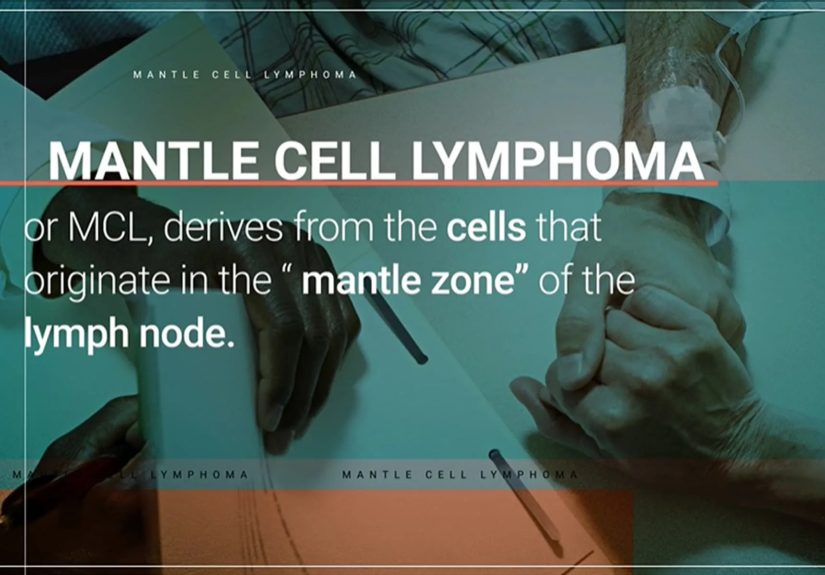
Mantle cell lymphoma, often shortened to MCL, is a rare B-cell non-Hodgkin lymphoma. It begins in a type of white blood cell called a B lymphocyte, usually in the “mantle zone” of a lymph node. In many cases, the lymphoma cells carry a hallmark genetic change called t(11;14), which leads to too much cyclin D1 protein. That protein helps drive cell growth, which is one reason the disease can become so active.
MCL is usually diagnosed in middle-aged or older adults, and it is more common in men than in women. It often shows up not only in lymph nodes, but also in the spleen, bone marrow, blood, and sometimes the gastrointestinal tract. That wide reach is one reason many people are diagnosed at an advanced stage.
Here is where mantle cell lymphoma gets a little medically dramatic: it does not always behave the same way. The classic form is often aggressive and needs treatment. But a slower-growing form, sometimes called leukemic nonnodal mantle cell lymphoma, can be more indolent. In those selected cases, doctors may monitor the disease for a while before starting therapy. Yes, “watch and wait” is a real thing in oncology, even though it sounds like terrible advice for a smoke detector.
Mantle Cell Lymphoma Symptoms
Symptoms vary depending on where the lymphoma is located and how quickly it is growing. Some people feel unwell right away. Others find out almost by accident after blood work, imaging, or an exam for another issue.
Common symptoms of mantle cell lymphoma
- Swollen lymph nodes in the neck, armpits, or groin
- Fatigue or unusual weakness
- Fever without a clear cause
- Drenching night sweats
- Unexplained weight loss
- Abdominal pain, pressure, or bloating
- Loss of appetite or feeling full quickly
- Changes in bowel habits
Some patients develop symptoms because the spleen is enlarged. Others have digestive symptoms if the lymphoma involves the stomach, intestines, or colon. Because MCL can spread to the bone marrow and blood, it may also contribute to anemia, low blood counts, or frequent infections. That said, not every person has textbook symptoms. Cancer, inconveniently, does not always read the textbook either.
How Mantle Cell Lymphoma Is Diagnosed
A diagnosis of mantle cell lymphoma usually starts with a physical exam and a conversation about symptoms, but it does not end there. Doctors need a tissue sample to confirm the disease and understand its biology. A lymph node biopsy is often the key test. Under the microscope, pathologists look for characteristic lymphoma cells and run special tests to identify markers that fit MCL.
Tests commonly used to diagnose MCL
- Lymph node or tissue biopsy: the most important step for confirming the diagnosis
- Blood tests: to check blood counts, organ function, and other clues
- Bone marrow biopsy: often used to see whether lymphoma cells are in the marrow
- PET/CT or CT scans: to look for enlarged lymph nodes or organ involvement
- Molecular and genetic testing: often used to detect cyclin D1 overexpression or the t(11;14) change
Doctors may also evaluate features such as the growth rate of the cells, often measured by Ki-67, and whether high-risk abnormalities such as TP53 changes are present. Those details can influence treatment decisions because some forms of MCL are more resistant to standard therapy than others.
How Doctors Stage Mantle Cell Lymphoma
Like other non-Hodgkin lymphomas, mantle cell lymphoma is staged from I to IV. Stage I means limited involvement in one area. Stage IV means the lymphoma has spread widely, often including the bone marrow or other organs. Many patients with MCL are diagnosed at stage III or IV, simply because the disease tends to travel early.
That sounds scary, but lymphoma staging is a little different from staging in many solid tumors. A stage IV lymphoma is not automatically hopeless, and it does not mean treatment cannot work. Doctors look at the whole picture, including symptoms, tumor burden, biology, age, fitness, and treatment goals.
Mantle Cell Lymphoma Treatment
Mantle cell lymphoma treatment has changed a lot over the last several years. Care now often includes a mix of chemotherapy, immunotherapy, targeted therapy, stem cell transplant in selected cases, and CAR T-cell therapy for certain relapsed or refractory disease. Clinical trials are also a big part of the story because MCL is an area of active research.
Watchful waiting for selected patients
Not everyone needs treatment the minute the diagnosis is made. For a small subset of patients with slow-growing, low-symptom disease, doctors may recommend active surveillance. This means close monitoring with regular visits, blood tests, and scans instead of immediate therapy. It is not “doing nothing.” It is “doing something on purpose.”
First-line treatment for newly diagnosed mantle cell lymphoma
When treatment is needed, the exact plan depends on how aggressive the disease is and how fit the patient is for intensive therapy. Common approaches may include chemoimmunotherapy regimens, often with rituximab, or newer combinations that add targeted therapy. In January 2025, the FDA approved acalabrutinib with bendamustine and rituximab for previously untreated mantle cell lymphoma, showing how frontline treatment is continuing to evolve.
For younger or fitter patients, doctors may consider more intensive regimens that include cytarabine-based therapy. In some cases, this is followed by autologous stem cell transplant and maintenance rituximab. However, the role of upfront transplant is being reevaluated as targeted therapy improves outcomes and clinical trial data continue to mature.
Treatment for relapsed or refractory mantle cell lymphoma
If mantle cell lymphoma comes back or does not respond well enough to initial therapy, targeted drugs are often central to care. A major class is the BTK inhibitors, which block signals that lymphoma cells use to survive. Examples used in MCL include acalabrutinib, zanubrutinib, and pirtobrutinib. These therapies have given many patients meaningful responses, especially after earlier treatment lines.
Another major advance is CAR T-cell therapy. This treatment collects a patient’s own T cells, re-engineers them to attack lymphoma cells, and then infuses them back into the body. For relapsed or refractory MCL, FDA-approved CAR T options now include brexucabtagene autoleucel and lisocabtagene maraleucel for eligible patients. These therapies can produce deep responses, but they also require specialized centers and close monitoring because side effects can be serious.
Other treatment options
Depending on the case, doctors may also consider:
- Rituximab maintenance therapy
- Radiation therapy for selected localized sites
- Bortezomib-based treatment in some settings
- Clinical trials of chemo-free combinations, bispecific antibodies, and other emerging strategies
Clinical trials deserve special attention in MCL because the field is moving quickly. New combinations involving BTK inhibitors, BCL-2 inhibitors, CAR T-cell therapy, and antibody-based approaches are actively being studied. For many patients, a clinical trial is not a last resort. It may be a smart early option.
Prognosis and Outlook
The outlook for mantle cell lymphoma varies widely. Some people live with it for years with long remissions between treatments. Others face a more aggressive disease course. In general, prognosis depends on factors such as age, stage, overall health, the biological features of the lymphoma, response to initial treatment, and whether the disease carries high-risk markers like TP53 abnormalities or a high Ki-67 rate.
One of the most important things to know is that MCL is usually considered treatable but not easily curable with standard approaches, especially in advanced disease. Still, that sentence deserves context. “Treatable” in 2026 does not mean what it meant a decade ago. More options, more individualized care, and more research have changed the landscape significantly.
Patients often hear about remission, relapse, maintenance therapy, minimal residual disease, and transplant decisions all within the first few appointments. It can feel like learning a new language while sitting on a moving train. That is why care at an experienced lymphoma center or a second opinion from one can be especially valuable.
Living With Mantle Cell Lymphoma
Living with MCL is about more than controlling cancer cells. It is also about managing fatigue, protecting quality of life, coping with uncertainty, and staying organized during treatment. Patients may need support with nutrition, infection prevention, work planning, insurance questions, and emotional health. Caregivers need support too. Cancer has a sneaky way of handing out extra jobs to everyone in the household.
Helpful questions to bring to appointments include:
- Is my mantle cell lymphoma aggressive or slow-growing?
- Do I need treatment now, or can we monitor it?
- What genetic or molecular features matter in my case?
- Am I a candidate for targeted therapy, stem cell transplant, or CAR T-cell therapy?
- Should I consider a clinical trial now rather than later?
Good treatment planning is not just about selecting a drug. It is about matching the right strategy to the right patient at the right time.
What the Experience of Mantle Cell Lymphoma Often Feels Like
Medical articles usually do a decent job covering scans, drugs, and staging. They are less great at describing what the experience actually feels like. Mantle cell lymphoma often begins in a strangely ordinary way. Someone notices swollen lymph nodes. Or they feel exhausted for weeks and blame stress, age, bad sleep, a hectic schedule, or life generally being rude. Some people have belly discomfort or early fullness because the spleen is enlarged. Others feel mostly normal and learn something is wrong only after routine blood work. That disconnect can be unsettling. You do not always feel as sick as the diagnosis sounds.
Then comes the information avalanche. There are biopsies, scans, pathology reports, staging terms, treatment names that sound like Wi-Fi passwords, and suddenly everyone is talking about cyclin D1, BTK inhibitors, and whether a stem cell transplant belongs in the plan. A lot of patients describe the first few weeks as mentally foggy, not only because they are scared, but because they are trying to become experts in a disease they had never heard of before last Tuesday.
Emotionally, mantle cell lymphoma can be tricky because it does not behave the same way in every person. One patient is told treatment should begin soon. Another is told the best next move is watchful waiting. Both reactions can feel surreal. Starting treatment is scary, but so is leaving the cancer untreated on purpose, even when that approach is medically appropriate. Many patients say the uncertainty is one of the hardest parts. Human beings generally prefer plans that sound more decisive than “we will monitor closely.”
Treatment itself can bring a mix of relief and frustration. Relief, because there is finally a plan. Frustration, because the plan may involve long appointments, medication side effects, fatigue, infections, sleep problems, appetite changes, and a calendar that suddenly belongs to oncology. Some people tolerate treatment better than expected. Others discover that even when therapy is working, daily life still feels upside down. The body is tired. The mind is busy. Everyone keeps saying “stay positive,” which is nice in theory and exhausting in practice.
Caregivers experience their own version of the diagnosis. They become schedulers, note-takers, pharmacy runners, snack providers, insurance detectives, and emotional air traffic controllers. Patients often worry about being a burden, while families worry about not doing enough. The truth is that mantle cell lymphoma is a team sport nobody asked to play.
Still, many patients develop a new rhythm over time. They learn which symptoms matter, what questions to ask, when to rest, and how to define normal again. They become more comfortable with the language of remission, relapse, maintenance, and monitoring. They often find strength in second opinions, support groups, expert centers, and honest conversations with people who truly understand blood cancers. The experience is rarely easy, but it is not only fear and disruption. It can also include resilience, clarity, deeper relationships, and a stronger sense of what matters most.
Conclusion
Mantle cell lymphoma is a rare and often aggressive B-cell non-Hodgkin lymphoma, but it is no longer a diagnosis defined by limited options. Today’s care may include watchful waiting for selected patients, chemoimmunotherapy, targeted drugs, stem cell transplant in some cases, and CAR T-cell therapy for certain relapsed or refractory disease. The best treatment plan depends on the individual, not just the label.
If there is one takeaway worth underlining, highlighting, and maybe taping to the fridge, it is this: mantle cell lymphoma care has become far more personalized. A thoughtful workup, an experienced care team, and attention to newer treatment approaches can make a meaningful difference in both outcomes and quality of life.