Table of Contents >> Show >> Hide
- Why diabetes risk is such a big deal (and why lifestyle matters)
- What counts as a Mediterranean diet (and what doesn’t)
- What exercise adds (besides an excuse to buy new sneakers)
- The combo effect: Mediterranean diet + exercise is better than either alone
- How it reduces diabetes risk: the not-boring science
- A practical weekly game plan (no monastery required)
- Common obstacles (and how to outsmart them)
- Who should talk to a clinician first
- Bottom line
- Real-World Experiences: What This Looks Like Outside a Study (About )
If type 2 diabetes were a movie villain, it wouldn’t wear a capeit would wear sweatpants, sit for nine hours a day, and whisper, “Just one more snack.” The good news: this is one of the rare villains that loses a lot of its power when you change the script.
A Mediterranean-style diet (think: olive oil, vegetables, beans, fish, nuts, and whole grains) paired with regular exercise isn’t just “healthy in theory.” Research suggests that combining these two lifestyle moves can meaningfully reduce the risk of developing type 2 diabetesespecially for people with prediabetes or higher metabolic risk.
Why diabetes risk is such a big deal (and why lifestyle matters)
Type 2 diabetes doesn’t usually show up overnight. It’s more like a slow leak: insulin resistance increases, blood sugar creeps up, and eventually the body can’t keep up. The “prediabetes” stage is the warning light on the dashboardoften without obvious symptomswhich is why prevention strategies are so powerful.
Lifestyle interventions work because they target the biggest drivers of insulin resistance: excess visceral fat (the “deep” belly fat), inflammation, poor diet quality, and inactivity. You don’t need perfectionyou need consistency. And yes, your pancreas is absolutely rooting for you.
What counts as a Mediterranean diet (and what doesn’t)
Let’s clear something up: the Mediterranean diet is not a strict “meal plan” you follow until you reach a goal weight and then celebrate with a return to chaos. It’s a pattern of eating that’s naturally rich in fiber, antioxidants, and unsaturated fatsfoods that tend to support steadier blood sugar.
The Mediterranean diet basics
- Go big on plants: vegetables, fruits, beans, lentils, and leafy greens show up constantly.
- Choose whole grains: oats, brown rice, quinoa, farro, whole-wheat pasta (portion-aware, not portion-panicked).
- Use healthy fats: extra-virgin olive oil is the headline act; nuts and seeds are the supporting cast.
- Prioritize protein quality: fish/seafood often, poultry and eggs in moderation, red/processed meats less often.
- Flavor with herbs and spices: because “healthy” shouldn’t taste like regret.
- Limit ultra-processed foods and added sugars: fewer “edible science projects,” more real food.
Quick reality check: “Mediterranean” does not mean you can drown everything in olive oil and call it cardio. (Olive oil is wonderful, but it is not a free pass.) The magic is in the overall patternespecially when it replaces refined carbs, sugary drinks, and highly processed snacks.
What exercise adds (besides an excuse to buy new sneakers)
Exercise helps prevent type 2 diabetes because your muscles are huge glucose users. When you move, muscle cells pull glucose from the bloodstream more efficiently. Over time, regular activity can improve insulin sensitivity, support weight management, and reduce risk factors that travel with diabetes (like high blood pressure).
The minimum effective dose: the famous “150 minutes”
Many health guidelines point to about 150 minutes per week of moderate-intensity aerobic activity (brisk walking counts), ideally spread across the week. Add two days of strength training and you’re giving your metabolism a serious upgradewithout needing to live at the gym.
Why strength training matters for blood sugar
More muscle mass means more storage space for glucose (in the form of glycogen). Strength training also helps preserve muscle during weight loss, which is keybecause losing weight by losing muscle is like paying off debt by selling your paycheck.
The combo effect: Mediterranean diet + exercise is better than either alone
Here’s the headline: a major study following people at high metabolic risk found that an intervention combining an energy-reduced Mediterranean-style diet, physical activity promotion, and weight-loss support was associated with a substantially lower incidence of type 2 diabetes over several years compared with a comparison approach. The takeaway isn’t that one perfect food “cures” anythingit’s that the package deal works.
This makes sense biologically. The Mediterranean pattern supports steadier glucose and appetite control; exercise makes muscles more insulin-sensitive and helps reduce visceral fat. Together, they push the same dominoesjust from different angles.
How it reduces diabetes risk: the not-boring science
1) Less insulin resistance (your cells become better listeners)
Insulin resistance happens when cells stop responding well to insulin’s “let glucose in” signal. Both Mediterranean eating and exercise improve this: exercise by increasing glucose uptake in muscles, and Mediterranean eating by improving overall diet quality (fiber, unsaturated fats, fewer refined carbs).
2) Lower inflammation (because chronic inflammation is a sneaky saboteur)
Chronic low-grade inflammation is linked with insulin resistance. Mediterranean-style eating tends to be higher in antioxidants and anti-inflammatory compounds (think: colorful produce, olive oil polyphenols, nuts), while exercise can also reduce inflammatory markers over timeespecially when it replaces prolonged sitting.
3) Weight loss without feeling like you’re in food prison
For people with prediabetes, even modest weight loss can make a major difference. The Mediterranean diet often helps because meals are satisfying: fiber + healthy fat + protein is the “stay-full trifecta.” Add exercise, and you improve calorie balance while preserving muscle.
4) Better post-meal blood sugar control
Many Mediterranean staples (beans, lentils, vegetables, intact whole grains) slow digestion and reduce sharp glucose spikes after meals. Pair that with a post-dinner walk and you’re essentially telling your bloodstream, “We’re not doing the roller coaster tonight.”
A practical weekly game plan (no monastery required)
The “Mediterranean plate” you can actually use
- Half your plate: non-starchy vegetables (salad, roasted veggies, greens, peppers, broccoli).
- One quarter: protein (salmon, tuna, chicken, eggs, tofu, Greek yogurt, beans).
- One quarter: high-fiber carbs (quinoa, farro, oats, whole-wheat pasta, brown rice, sweet potato).
- Add: healthy fat (olive oil drizzle, olives, nuts, avocado) and a piece of fruit if it fits your goals.
Sample day of Mediterranean-style eating
- Breakfast: Greek yogurt + berries + walnuts + cinnamon (or oatmeal with chia and fruit).
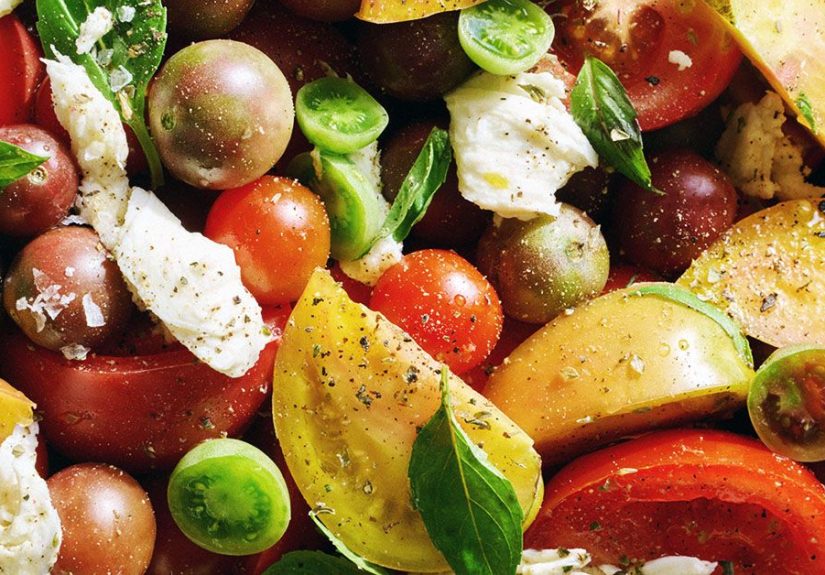
- Lunch: Big salad with chickpeas, cucumbers, tomatoes, feta, olive oil + lemon; whole-grain pita on the side.
- Snack: Apple + a handful of almonds (or carrots + hummus).
- Dinner: Baked salmon, roasted vegetables, and a small serving of farro; olive oil and herbs for flavor.
- Dessert-ish: Fruit, or a square of dark chocolatebecause sustainability beats suffering.
A simple exercise week (beginner-friendly)
- Mon: 30-minute brisk walk
- Tue: 20–30 minutes strength training (bodyweight or dumbbells)
- Wed: 30-minute brisk walk (or cycling/swimming)
- Thu: Rest or easy 10–15 minute walk after meals
- Fri: 20–30 minutes strength training
- Sat: 30–45 minutes longer walk/hike
- Sun: Light activity + meal prep (the underrated athletic event)
Bonus move: a 10–15 minute walk after meals. It’s simple, low-impact, and often easier to stick with than “I will now become a marathon person.”
Common obstacles (and how to outsmart them)
“Healthy food is expensive”
It can bebut it doesn’t have to be. Mediterranean staples can be budget-friendly: beans, lentils, oats, canned tuna/salmon, frozen vegetables, and brown rice are usually cheaper than takeout. Olive oil is an upfront cost, but you use tablespoonsnot baptismal quantities.
“I don’t have time to cook”
Aim for repeatable meals: sheet-pan veggies + protein, big-batch lentil soup, or a “Mediterranean bowl” (greens + grains + beans + olive oil + something crunchy). If you can assemble, you can “cook.”
“I hate exercise”
Then don’t do “exercise.” Do movement. Walk with a podcast, dance in your kitchen, take stairs, lift groceries with purpose, do short strength circuits at home. Consistency beats intensityespecially at the start.
Who should talk to a clinician first
If you take glucose-lowering medication, have heart disease, neuropathy, kidney disease, or orthopedic limitations, it’s smart to get personalized guidance. Also, if you’re changing your diet dramatically (or trying intermittent fasting), check how it interacts with your medications and blood sugar patterns.
Bottom line
The Mediterranean diet and regular exercise are a powerful one-two punch for reducing type 2 diabetes risk. The diet improves the quality of what you eat; exercise improves what your body does with it. Together, they support better insulin sensitivity, healthier weight, and more stable blood sugarwithout requiring a joyless life.
Start small, stack wins, and remember: you don’t need a “perfect” week. You need the kind of week you can repeat.
Real-World Experiences: What This Looks Like Outside a Study (About )
Research is great, but daily life has curveballswork deadlines, family dinners, stress, travel, and the mysterious human urge to snack while standing in front of the fridge. Here are a few realistic, experience-based scenarios (the kind dietitians and lifestyle coaches hear all the time) that show how Mediterranean eating plus exercise can play out in the real world.
Experience #1: The “I sit all day” office routine
One common pattern: someone learns they have prediabetes after routine labs and realizes their typical day is coffee, a fast lunch, and a late-night carb festival. The shift that sticks isn’t extreme restrictionit’s structure. They start bringing a Mediterranean-style lunch (leftover salmon, a big salad with beans, or a grain bowl with olive oil and lemon). Then they add a 12-minute walk after lunch and dinner. The biggest surprise people report is not just the scaleit’s fewer afternoon crashes and less “snack panic” at 4 p.m.
Experience #2: The busy parent who can’t “meal prep for hours”
Another very relatable story: a parent wants to make changes but can’t spend Sundays chopping vegetables like it’s an Olympic sport. They simplify: frozen veggies, rotisserie chicken, canned chickpeas, whole-grain wraps, Greek yogurt, and fruit. Dinner becomes “mix-and-match Mediterranean”: tacos become fish tacos with cabbage and avocado; pasta becomes smaller portions with more vegetables and olive oil; snacks become nuts or hummus instead of cookies. For exercise, the plan is short and realistictwo 20-minute strength sessions at home and walking during kids’ activities. The lesson here: consistency comes from convenience, not willpower.
Experience #3: The “I hate cardio” strength-first approach
Some people simply won’t do long cardioand that’s okay. A strength-first plan often improves adherence: two or three resistance sessions per week (squats to a chair, rows with bands, pushups against a counter) plus a modest daily step goal. With Mediterranean eating, the focus is on protein quality (fish, yogurt, beans), fiber, and healthy fats. People often say they feel “more capable” quicklyclimbing stairs feels easier, and that competence becomes its own motivation.
Experience #4: The social eater who doesn’t want to give up restaurants
One of the most sustainable experiences is learning the “Mediterranean ordering mindset”: start with a salad or vegetables, choose grilled fish/chicken, swap fries for a side salad, and ask for sauces on the side. Dessert becomes shareable (or occasionally skipped without drama). Add walkingespecially while traveling or after mealsand the lifestyle feels less like a diet and more like a rhythm. The consistent theme is flexibility: people stick with what doesn’t make them feel punished.
The real-world takeaway: Mediterranean diet plus exercise succeeds when it becomes your default, not your temporary project. Start with one meal upgrade and one movement habit, repeat until it’s boring, then level up. Boring, in this case, is beautiful.