Table of Contents >> Show >> Hide
- What is a menstrual cup and how does it work?
- Are menstrual cups safe?
- Potential menstrual cup dangers and risks
- Key benefits of menstrual cups
- Who should be careful or talk to a doctor first?
- How to use a menstrual cup more safely
- Menstrual cup vs. other period products
- Real-life experiences: menstrual cup dangers, safety, and benefits in everyday life
- Bottom line: Are menstrual cups worth the risk?
If you’ve ever stared at the menstrual products aisle and thought, “There has to be a better way,” you’re not alone. Menstrual cups have become the cool, eco-friendly kid of the period world reusable, budget-friendly, and able to hang out in your body for up to 12 hours at a time.
But as with anything that goes inside your body, it’s fair to ask: Are menstrual cups actually safe? What about toxic shock syndrome, infections, or those horror stories about cups getting stuck? Let’s take an honest, practical look at menstrual cup dangers, safety tips, and real-world benefits so you can decide what works best for your body.
What is a menstrual cup and how does it work?
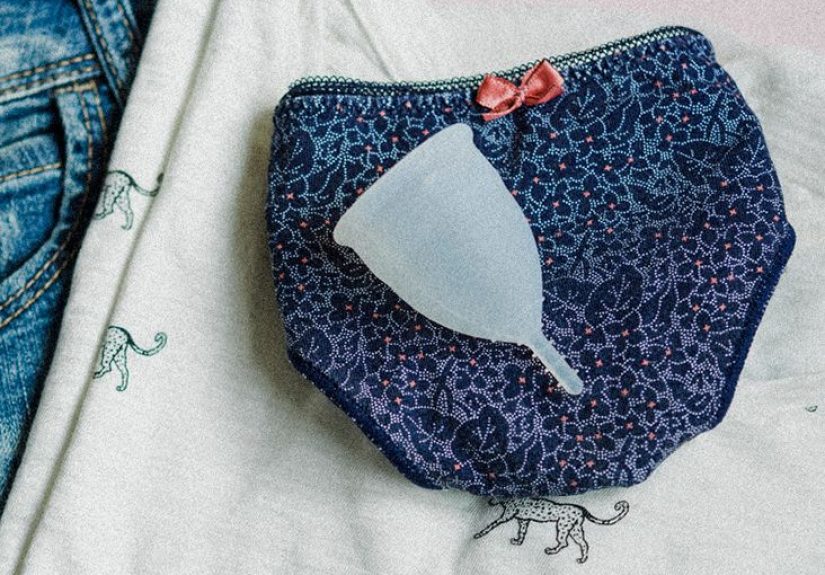
A menstrual cup is a small, flexible cup designed to sit inside the vagina and collect not absorb menstrual blood. Most cups are made from medical-grade silicone, but some use rubber or latex. They’re shaped a bit like a bell or tulip, with a stem at the bottom to help you reach and remove them.
Here’s the basic idea:
- You fold the cup and insert it into the vagina.
- Once it opens, it creates a gentle seal against the vaginal walls.
- It collects blood over several hours (often up to 8–12, depending on flow and brand instructions).
- You remove it, empty the blood into the toilet or sink, rinse or wash the cup, and reinsert it.
In many countries, menstrual cups are considered medical devices and are subject to quality and safety regulations. That doesn’t mean they’re perfect, but it does mean they’re designed with long-term use and safety in mind.
Are menstrual cups safe?
The short answer: For most people, yes menstrual cups are generally safe when used, cleaned, and stored correctly. Large reviews of available studies have found that serious complications are rare and that menstrual cups appear about as safe as tampons in terms of infection risk and toxic shock syndrome (TSS).
That said, “generally safe” is not the same thing as “risk-free.” A cup still:
- Sits inside the vagina for hours.
- Holds blood, which bacteria love if hygiene slips.
- Requires inserting and removing with your hands.
So let’s walk through the main menstrual cup dangers people worry about and what the research and clinical experience actually say.
Potential menstrual cup dangers and risks
1. Toxic shock syndrome (TSS)
Toxic shock syndrome is a rare but serious condition caused by toxins from certain bacteria, usually Staphylococcus aureus. TSS became famous because of its association with high-absorbency tampons, but it can technically occur with any device that sits in the vagina and holds blood including menstrual cups.
What we know:
- Documented cases of TSS linked to menstrual cups exist, but they’re very rare compared with the huge number of people using cups.
- Risk factors seem to include leaving the cup in too long, poor hygiene, and possibly small cuts or irritation in the vaginal tissue.
TSS warning signs can include: sudden high fever, rash (especially on the palms and soles), vomiting, diarrhea, dizziness, low blood pressure, or feeling extremely unwell very quickly. If you use a menstrual cup (or tampon) and notice these symptoms, remove the product and seek urgent medical care right away.
2. Infections and irritation
Another concern is whether menstrual cups cause vaginal infections or throw off the vaginal microbiome. So far, research suggests that when cups are used and cleaned properly, they don’t significantly increase infection risk compared with other menstrual products. However, problems can still happen, especially when hygiene isn’t ideal.
Possible issues include:
- Vaginal infections (like bacterial vaginosis or yeast infections) if the cup is not cleaned well, if it’s left in too long, or if it’s handled with unwashed hands.
- Microtears and irritation from rough insertion or removal, especially if the cup is too firm or too large for your body.
- pH disruption if you use harsh soaps, scented washes, or vaginal douches to “clean” your vagina which it does not need or want.
In other words, the cup itself is usually not the villain. It’s how it’s used and cleaned that makes the difference.
3. Allergic reactions and material sensitivity
Most cups are made from medical-grade silicone, which is generally well-tolerated. But no material is perfect for everyone. Rarely, people may react to rubber, latex, or even silicone.
Signs of a possible allergy or sensitivity include:
- Burning, itching, or stinging sensation while the cup is in.
- Swelling or redness of the vulva or vagina.
- Symptoms clear up when you stop using the cup and come back when you try again.
If that sounds familiar, stop using the cup and talk with a healthcare professional about alternative products and possible allergies.
4. Problems with IUDs
Another hot topic: Can menstrual cups yank out an intrauterine device (IUD)?
Some studies and clinical reports suggest that people with IUDs who use menstrual cups may have a slightly higher risk of IUD expulsion, especially early after insertion. The concern is that strong suction or pulling on IUD strings during cup removal might nudge the device out of position.
Risk-reducing tips if you have an IUD and want to try a cup:
- Ask your clinician about timing; many recommend waiting a few weeks after IUD insertion before using internal products.
- During removal, always pinch the base of the cup to break the seal before gently pulling it out.
- Ask your provider to trim your IUD strings if they’re very long and getting caught in the cup.
If you notice new cramping, unexpected heavy bleeding, or feel something hard at your cervix, get your IUD checked.
5. Pain, leaks, and urinary issues
Not all menstrual cup “dangers” are dramatic. A lot of them are just…annoying.
Some people experience:
- Pelvic or vaginal pain if the cup is too firm, too big, or positioned too high.
- Leaks because the cup never fully opened, isn’t the right size, or isn’t sitting under the cervix properly.
- Urinary problems like needing to pee more often, a weak stream, or feeling like you can’t empty your bladder fully if the cup presses against the urethra or bladder.
These issues are usually solved by changing the cup size or shape, repositioning it, or switching to a different type of product if cups just don’t work for your anatomy.
6. Myths: prolapse, infertility, and “stretching things out”
Let’s debunk a few dramatic headlines:
- Pelvic organ prolapse: There’s no strong evidence that using a menstrual cup correctly causes prolapse. However, people who already have prolapse or significant pelvic floor weakness should talk with a pelvic health provider before using internal products.
- Infertility: Menstrual cups sit in the vagina, not the uterus or fallopian tubes. There’s no evidence that they cause infertility.
- “Stretching you out” permanently: The vagina is designed to stretch and rebound (it literally handles childbirth). A small silicone cup isn’t going to permanently reshape it.
It’s absolutely reasonable to be cautious; just make sure your concerns are based on evidence, not rumors.
Key benefits of menstrual cups
Now that we’ve walked through the risks, let’s be fair and talk about why so many people swear by menstrual cups.
1. Cost savings
One menstrual cup can last several years with proper care. Compare that with buying pads or tampons every month and your wallet may start cheering. Over time, a cup often costs significantly less than disposable products.
2. Environmental perks
Reusable cups dramatically cut down on packaging, plastic applicators, pad backings, and tampon wrappers heading to landfills. If minimizing waste matters to you, a cup can make your period footprint smaller.
3. Fewer changes, more freedom
Because cups collect blood rather than absorb it, they usually hold more fluid than a tampon. Many brands allow up to 12 hours of wear (always follow the instructions for your specific cup). That can mean:
- Sleeping through the night without changing products.
- Long workdays, travel, or outdoor activities with fewer bathroom breaks.
- Less frantic “Do I have a spare tampon?” panic.
4. Comfort and less odor
Many users report that once the learning curve passes, they barely feel their cup. Because the blood is not exposed to air the way it is with pads, there’s often less odor as well. For some, that alone is enough to convert them for life.
Who should be careful or talk to a doctor first?
Menstrual cups are not one-size-fits-all. It’s especially important to check in with a healthcare professional if you:
- Have a history of toxic shock syndrome.
- Recently gave birth, had surgery, or have significant pelvic floor issues.
- Use an IUD or other device in the uterus.
- Have known allergies to silicone, latex, or rubber.
- Have conditions that make vaginal insertion painful (such as vaginismus) or very difficult.
Also, if you try a cup and something just feels “off” pain, persistent spotting, or repeated infections it’s worth taking a break and getting personalized advice.
How to use a menstrual cup more safely
While nothing removes risk entirely, smart habits can make menstrual cup dangers much less likely.
1. Start with clean hands
Always wash your hands thoroughly with mild soap and water before inserting or removing your cup. It sounds basic, but it’s one of the biggest ways to keep vaginal infections at bay.
2. Follow the 8–12 hour rule
Most brands recommend emptying your cup at least every 8–12 hours, and more often on heavy-flow days. Don’t wear it continuously for days just because it “still has room.” Long wear times plus blood plus warm body temperature is a good way to invite bacteria to the party.
3. Empty, rinse, and clean correctly
During your period:
- Empty the cup into the toilet or sink.
- Rinse it with clean water. If you use soap, choose a mild, fragrance-free, non-antibacterial one and rinse thoroughly so no residue is left behind.
Between cycles:
- Many brands suggest boiling the cup in water for several minutes (following the manufacturer’s instructions) or using approved cleaning methods to help disinfect it.
- Let it dry completely before storing it in a breathable container (usually the fabric pouch it came with), not an airtight plastic bag or container.
4. Be gentle with insertion and removal
To protect your vaginal tissue and your IUD (if you have one):
- Use a comfortable fold (like a C-fold or punch-down fold) to make insertion easier.
- Relax your pelvic muscles as much as possible and use water-based lubricant if needed.
- When removing, pinch the base of the cup to break the seal before pulling down. Never yank on the stem alone.
5. Skip douching and harsh products
Your vagina is self-cleaning. Douching or using strong soaps, “feminine hygiene” sprays, or scented wipes can disrupt your natural pH and microbiome, making infections more likely. Clean the cup, not the inside of your vagina.
6. Know when to seek help
Stop using your cup and talk with a healthcare professional if you experience:
- Severe pain or cramping while the cup is in.
- Fever, rash, dizziness, or sudden flu-like symptoms during your period.
- Persistent foul odor, itching, or unusual discharge.
- Difficulty removing the cup or feeling like it is “stuck.”
A clinician can help you rule out complications like TSS, infection, or a misplaced cup and help you decide whether to keep using it.
Menstrual cup vs. other period products
If you’re trying to pick your team for the next cycle, here’s a quick comparison:
- Menstrual cups: Reusable, lower long-term cost, less waste, longer wear time, but require insertion skills, regular cleaning, and comfort with your anatomy.
- Tampons: Familiar and discreet but must be changed every 4–8 hours and carry a (still rare) TSS risk; more waste and ongoing cost.
- Pads: External, no insertion needed, good for teens or anyone who prefers not to use internal products, but can feel bulky or cause chafing for some and need more frequent changes.
- Menstrual discs and period underwear: Additional options that may work better for some lifestyles or comfort levels.
There’s no “best” product for everyone just the one that works best for your body, your schedule, and your comfort level.
Real-life experiences: menstrual cup dangers, safety, and benefits in everyday life
To bring all this down from the scientific clouds, let’s look at what menstrual cups can feel like in real life. These are composite stories based on common experiences people report not actual patients, but very relatable scenarios.
“The budget-saver with a learning curve”
Alex switched to a menstrual cup after realizing she was spending a surprising amount on pads and tampons every month. The first few cycles were, in her words, “like trying to fold a tiny silicone origami swan in my bathroom.” The cup leaked a bit, she placed it too high once, and she panicked one night when she thought it was stuck.
But over time, she figured out a fold that worked, learned to feel around the rim to be sure it had fully opened, and got used to emptying and rinsing it. Now, she uses the cup on most days of her period and keeps a small stash of pads for backup and heavier days. The main benefit she reports is not having to constantly remember to restock tampons plus loving the fact that she’s creating less trash.
“The IUD user who got serious about technique”
Jordan has a hormonal IUD and was nervous about stories of cups pulling them out. After talking with her gynecologist, she decided to try a softer, smaller cup. For the first few months after her IUD placement, she stuck to pads and tampons.
Once cleared to try a cup, she practiced breaking the seal very carefully before removal and checked her IUD strings regularly. One month she felt more cramping than usual and got checked her IUD was still in perfect position. For her, the key has been learning good removal technique, staying mindful, and knowing when to get things checked instead of Googling at 2 a.m.
“The irritation that turned into a teachable moment”
Sam loved the eco-friendly idea of a cup but started experiencing burning and itching after a few cycles. At first, they assumed the cup itself was the issue. After talking with a clinician, they realized the real culprit was the heavily scented soap they were using to clean the cup and, occasionally, the vulva.
Switching to a mild, fragrance-free cleanser for the cup, skipping soap inside the vulva, and boiling the cup between cycles made a big difference. Sam’s takeaway: The cup wasn’t the danger the cleaning routine was. Once that changed, the benefits (fewer changes, less waste, lower cost) felt worth it again.
“The person who decided cups weren’t for them and that’s okay”
Taylor gave menstrual cups an honest try. They watched tutorials, read reviews, and even bought a second cup in a different size. Still, every cycle became a stress event: worrying about leaks, feeling anxious about removing the cup in public restrooms, and constantly checking for it.
After a talk with their provider, Taylor switched back to pads and period underwear and felt instant relief mentally and physically. This story is just as important as the success stories: choosing not to use a menstrual cup is not a failure. It simply means you listened to your body and your comfort level.
Taken together, these experiences highlight the real picture: menstrual cups can be fantastic for some people, need tweaks and learning for others, and just aren’t the right fit for everyone. The “danger” isn’t so much the product itself, but ignoring your body’s feedback or trying to force a method that isn’t working for you.
Bottom line: Are menstrual cups worth the risk?
Menstrual cups come with real benefits: less waste, lower long-term cost, and longer wear times. They also come with real responsibilities: careful hygiene, paying attention to wear time, using gentle insertion and removal techniques, and watching for warning signs like severe pain, fever, or unusual symptoms.
Serious complications like toxic shock syndrome or major infections appear to be rare, but not impossible. For most menstruating people who are willing to keep things clean, follow directions, and check in with a healthcare professional when something feels off, menstrual cups can be a safe, practical option not a lurking danger.
As with all health decisions, the best menstrual product is the one that balances safety, comfort, practicality, and your personal preferences. You deserve a period setup that supports your life, not one that runs it.
Important: This article is for general information only and is not a substitute for professional medical advice, diagnosis, or treatment. Always talk with a qualified healthcare professional about your specific situation.