Table of Contents >> Show >> Hide
- What Is Mulberry Leaf, Exactly?
- Common Uses of Mulberry Leaf
- Potential Benefits (What the Research Suggests So Far)
- How People Take Mulberry Leaf
- Precautions and Safety: What to Know Before You Try It
- Supplement Quality: How to Choose Smarter (Without Becoming a Label Detective)
- Who Should Be Extra Careful (or Skip It Entirely)?
- Practical, Realistic Ways to Think About Mulberry Leaf
- FAQ
- Real-World Experiences (500+ Words): What People Commonly Notice, Ask, and Learn
- Conclusion
Mulberry leaf sounds like something you’d sprinkle on a fancy salad while wearing linen and pretending you don’t own sweatpants.
In reality, it’s a humble plant with a not-so-humble reputationespecially in the world of teas and dietary supplements that claim to
“support” everything from blood sugar to heart health.
But here’s the truth that keeps wellness trends honest: mulberry leaf (often Morus alba, aka white mulberry leaf) is interesting,
promising in a few areas, and still not a magic wand. The science is growing, the supplement aisle is loud, and the smart move is learning
what it can reasonably doand when it’s a “maybe,” not a “must.”
What Is Mulberry Leaf, Exactly?
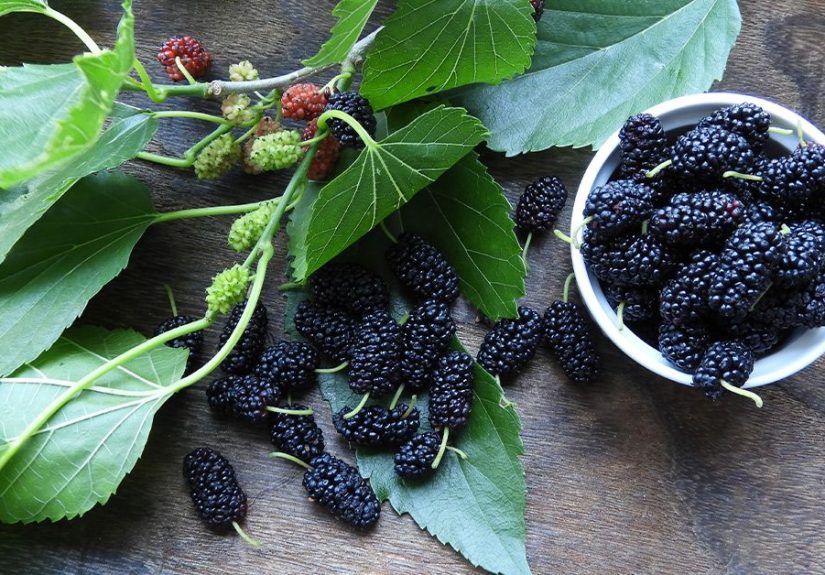
Mulberry leaves come from mulberry trees, and the leaf most commonly used in supplements is white mulberry leaf (Morus alba).
Traditionally, mulberry leaves have been used in herbal practices for things like blood sugar concerns and respiratory complaints.
Today, you’ll mostly see them sold as:
- Mulberry leaf tea (dried leaves in tea bags or loose-leaf form)
- Powder (added to smoothies, drinks, or capsules)
- Mulberry leaf extract (standardized capsules/tablets, sometimes mentioning DNJ content)
What’s Inside Mulberry Leaf?
Mulberry leaves contain several naturally occurring compounds, including polyphenols and a well-known compound called
1-deoxynojirimycin (DNJ). DNJ matters because it may slow the breakdown of carbohydrates in the gut by influencing enzymes involved
in carbohydrate digestion. That’s one reason mulberry leaf is often discussed for post-meal blood sugar support.
Common Uses of Mulberry Leaf
In the U.S., mulberry leaf products are typically marketed as dietary supplements. People commonly use mulberry leaf for:
- Blood sugar support (especially after meals)
- Heart health support (cholesterol and overall metabolic wellness)
- Weight management support (often indirectly tied to blood sugar claims)
- General antioxidant support
Important reality check: “used for” doesn’t automatically mean “proven to treat.” Supplements are not the same as prescription medications,
and mulberry leaf products are not approved to diagnose, treat, cure, or prevent disease.
Potential Benefits (What the Research Suggests So Far)
1) Blood Sugar and Post-Meal Glucose Spikes
This is the headline act. The most consistent research interest around mulberry leaf is its possible effect on
postprandial glucosethe blood sugar rise after eating carbohydrates.
The proposed mechanism is fairly straightforward: certain mulberry leaf compounds (including DNJ) may help slow carbohydrate breakdown and
absorption in the intestines. When carbs are absorbed more slowly, the blood sugar “spike” after a meal may be less dramatic.
What does that mean in real life? Think about the difference between a slow, calm elevator ride versus your blood sugar doing parkour after a
bagel. Mulberry leaf is being studied as something that might encourage the elevator approachespecially when taken around meals.
What the evidence looks like: Some small clinical studies and reviews suggest mulberry leaf extract may reduce post-meal
glucose and insulin responses. However, study sizes vary, formulations differ, and results aren’t uniform across all populations.
That’s science-speak for: “Promising, but not settled.”
2) Cardiometabolic Support (Cholesterol, Heart Health, and Metabolic Markers)
Mulberry leaf is also studied for broader metabolic effectsespecially in the context of cardiometabolic risk factors like cholesterol,
inflammation, and blood vessel function.
The research includes lab and animal findings, and a smaller number of human studies. Some data suggest mulberry leaf extracts may support
healthier lipid profiles and reduce oxidative stress. Still, human evidence is less robust than the blood sugar conversation, and it’s not a
substitute for proven lifestyle or medical therapies when those are needed.
3) Inflammation and Antioxidant Activity
Mulberry leaves contain polyphenols and other compounds that may have antioxidant properties. Antioxidants help neutralize free radicals
that can contribute to oxidative stress. In plain English: antioxidants are like the cleanup crew after a rowdy cellular party.
While antioxidant activity sounds impressive, it doesn’t automatically translate into major health outcomes in humans. It’s a piece of the
puzzlenot the entire picture.
4) Weight Management (Indirect, Not Instant)
Mulberry leaf is sometimes promoted for weight loss. The more responsible interpretation is that if a product helps reduce post-meal glucose
spikes (for some people), it may indirectly support appetite steadiness or cravings for certain individuals. But this is not a “fat burner,”
and it’s definitely not a permission slip to ignore nutrition, sleep, or movement.
Teen note (and honestly, everyone note): If a supplement is marketed as “rapid weight loss” or “melt fat fast,” treat it like a
suspicious text message from a random number. Proceed with cautionor don’t proceed at all.
How People Take Mulberry Leaf
Mulberry Leaf Tea
Tea is the classic approach: dried leaves steeped in hot water. It’s typically caffeine-free (unless blended with caffeinated ingredients).
Taste-wise, it’s mild and earthyless “dessert,” more “I definitely own a mug collection.”
Tea has a gentle “food-like” vibe, but the actual amount of active compounds can vary depending on the leaves, storage, and steeping time.
That’s not good or badit’s just reality.
Capsules, Tablets, and Extracts
Extracts are more concentrated and may be standardized (for example, listing DNJ percentage). The benefit is consistency.
The downside is that “more concentrated” can also mean “more likely to cause side effects” in sensitive peopleespecially GI symptoms.
Powders
Powders go into smoothies, yogurt, or drinks. This format is convenient, but it’s also easier to take more than intended.
If you use powder, measure carefully and avoid “creative eyeballing.”
Precautions and Safety: What to Know Before You Try It
Potential Side Effects
Many people tolerate mulberry leaf well in typical short-term study windows, but side effects can happenespecially digestive ones.
Commonly reported issues include:
- Bloating or gas
- Constipation or loose stools
- Mild stomach discomfort or nausea
- Dizziness (less common, but reported)
These effects make sense if mulberry leaf slows carbohydrate digestionyour gut might notice the change before you do.
Blood Sugar: The Big Interaction Watch-Out
Because mulberry leaf may lower blood sugar (especially after meals), it can be risky if combined with diabetes medications or insulin.
The concern is hypoglycemia (blood sugar going too low), which can be dangerous.
If you take any medication that affects blood sugaror if you’ve been told you have blood sugar issuestalk with a clinician or pharmacist
before using mulberry leaf supplements.
Pregnancy and Breastfeeding
Safety data is limited. Many reputable references recommend avoiding mulberry leaf supplements during pregnancy or breastfeeding due to lack
of reliable evidence. (Tea in food-like amounts may still deserve cautionask a healthcare professional who knows your situation.)
Allergies and Sensitivities
Anyone with known plant allergies should be cautious. Allergic reactions can happen with botanicals, and pollen sensitivity is sometimes
mentioned with mulberry-related products.
Surgery and Medical Procedures
If you’re scheduled for surgery or a medical procedure, it’s smart to tell your healthcare team about any supplements you takemulberry leaf
included. Anything that affects blood sugar can complicate perioperative management.
Supplement Quality: How to Choose Smarter (Without Becoming a Label Detective)
Dietary supplements in the U.S. aren’t approved like drugs before they hit the market. That means product quality can vary between brands,
and labels can be… optimistic.
A few practical ways to reduce risk:
- Look for third-party verification (for example, programs that test identity, purity, and strength).
- Avoid “proprietary blends” that don’t disclose amounts of key ingredients.
- Be cautious with mega-doses or products promising dramatic results.
- Choose brands that list standardization (such as DNJ content) when available.
If a label sounds like it was written by a hype person with a megaphone (“MELTS SUGAR SPIKES IN 7 MINUTES!!”), that’s your cue to walk away slowly.
No sudden movements. Don’t startle the marketing department.
Who Should Be Extra Careful (or Skip It Entirely)?
- People taking diabetes medications (risk of low blood sugar)
- Pregnant or breastfeeding individuals (insufficient safety data)
- Anyone with frequent GI sensitivity (may worsen bloating/loose stools)
- People with known allergies to botanicals/pollen-related triggers
- Teens using supplements for weight loss (better to focus on safe, clinician-guided approaches)
Practical, Realistic Ways to Think About Mulberry Leaf
Mulberry leaf is best seen as a “supporting character,” not the main hero. If you’re curious, consider these grounded expectations:
- Most plausible benefit: reducing the size of post-meal glucose spikes for some people.
- Possible additional benefits: modest cardiometabolic support, antioxidant activity.
- Least realistic expectation: dramatic weight loss or replacing prescribed treatment.
If you’re managing a health condition, the safest approach is to treat mulberry leaf as something to discuss with your cliniciannot
something to “try and see” without guardrails.
FAQ
Is mulberry leaf the same as mulberry fruit?
No. The leaf and the fruit are different parts of the plant with different compound profiles. Supplements marketed for blood sugar support
usually focus on the leaf, not the berries.
Can I just drink mulberry leaf tea instead of taking capsules?
Many people prefer tea because it feels gentler and is easier to fit into a routine. But tea potency varies. Capsules and extracts may offer
more standardized dosingalong with a higher chance of side effects in sensitive people.
How long does it take to “work”?
Some studies focus on immediate post-meal effects, while others examine weeks of use. There’s no universal timeline because products, doses,
and individuals differ. If you’re monitoring blood sugar, changes should be assessed carefully and safelyespecially if you’re on medication.
Real-World Experiences (500+ Words): What People Commonly Notice, Ask, and Learn
Because mulberry leaf sits at the intersection of “traditional herb” and “modern wellness aisle,” people’s experiences tend to fall into a few
familiar patterns. Below are realistic, commonly reported scenariosnot guaranteesand what they can teach you about using mulberry leaf
thoughtfully.
Experience #1: The Tea Ritual That Feels Like Self-Care
A lot of people start with mulberry leaf tea because it’s low-commitment. No supplement schedule. No capsule counting. Just a warm mug and a
“maybe this helps” hope. Many describe it as a calming routineespecially after dinner, when cravings are loud and willpower is tired.
What they often notice first isn’t a dramatic health change. It’s the ritual: fewer random snacks because your hands are busy holding tea,
and you’re more mindful after meals. That’s not mulberry leaf “doing magic”it’s you building a habit. And honestly, habit is underrated
compared to hype.
Experience #2: The “My Stomach Has Opinions” Phase
Another common story: someone tries mulberry leaf capsules or extract, and within days they’re thinking, “Okay… my digestive system has
feedback.” Bloating, gas, or changes in bowel habits can show upespecially if the product is concentrated or if someone jumps into a high
dose too fast.
People often learn a practical lesson here: “natural” doesn’t mean “effortless.” Botanicals can affect digestion because they’re doing
something in the gutespecially when the mechanism involves carbohydrate breakdown and absorption. If discomfort happens, the smart move is
to stop and reassess with a healthcare professional rather than pushing through like it’s a fitness challenge.
Experience #3: The Blood Sugar Tracker’s Curiosity
People who wear continuous glucose monitors (CGMs) or regularly check blood sugar are often the most curious about mulberry leaf. They may
try it with a carb-heavy meal to see if the post-meal spike looks different. Some report smaller spikes; others see little change.
A big takeaway from these experiences is variability. Food composition, sleep, stress, and movement can all influence blood sugar. If someone
sleeps poorly and then tests mulberry leaf with pancakes, the result can be messybecause biology is not a controlled lab.
The best “real-life” experiments are consistent, cautious, and discussed with a clinicianespecially for anyone on diabetes medication.
Experience #4: The “Wait, What Am I Actually Buying?” Moment
Once people start reading labels, they discover mulberry leaf products aren’t all the same. Some list “mulberry leaf powder,” others say
“extract,” and a few mention standardization (like DNJ content). This often leads to a slightly annoyedbut helpfulrealization:
the supplement aisle is not a standardized science museum. It’s a marketplace.
Many people decide to look for third-party testing, clearer labeling, and brands that don’t overpromise. That’s a win. If a product is vague,
or if it’s bundled into a “proprietary blend” with mystery doses, people learn to treat it like a recipe that forgot to list ingredients.
Not ideal.
Experience #5: The “This Shouldn’t Replace My Actual Plan” Reality Check
The most valuable experiences are the ones that end with balance. People who feel best about trying mulberry leaf typically treat it as an add-on
to a bigger plan: eating patterns that don’t spike blood sugar constantly, movement that improves insulin sensitivity, sleep that helps regulate appetite,
and medical guidance when needed.
Mulberry leaf might be a helpful tool for some, but it’s rarely the main reason someone’s health improves. When it’s used wisely, it can be a
small support. When it’s used as a replacement for proven care, it can become a distractionor a risk. The best real-world lesson is simple:
use mulberry leaf as a supplement to good decisions, not a substitute for them.
Conclusion
Mulberry leaf is more than a trendy ingredientit’s a plant with plausible, research-backed potential for post-meal blood sugar support
and possible metabolic benefits. The catch? Product quality varies, evidence is still developing, and safety mattersespecially if you take
diabetes medications or have health conditions that require careful monitoring.
If you’re curious, start with realistic expectations, pay attention to how your body responds, choose reputable products, and talk with a
healthcare professional when it matters (which is more often than the internet admits). Mulberry leaf can be part of a smart routine
but it shouldn’t be the routine.