Table of Contents >> Show >> Hide
- What the Recall Is Really About
- Which Vehicles Are Affected?
- What Is the FI-ECU, and Why Does It Matter?
- Why This Recall Deserves Attention
- How the Problem Was Identified
- What Owners Should Do Next
- What This Means for Honda’s Reputation
- Why Software Recalls Are Becoming More Common
- Owner Experience: What This Recall Feels Like in Real Life
- Final Thoughts
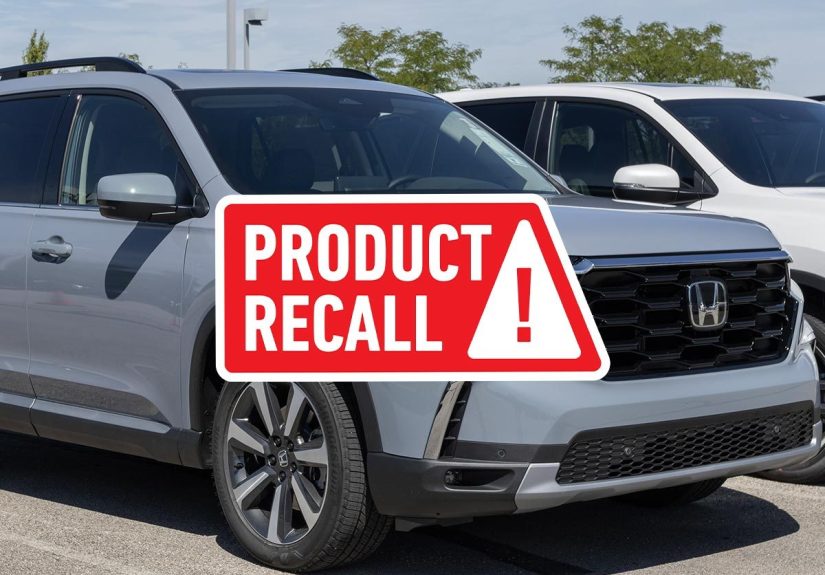
If you own a newer Honda Pilot or a Type S Acura, you may want to stop doom-scrolling for a minute and do something far more useful: check your VIN. American Honda recalled nearly 300,000 vehicles in the U.S. over a faulty fuel injection electronic control unit, better known as the FI-ECU. That is not exactly the kind of acronym that sparks dinner-table conversation, but it is the kind that can make a vehicle hesitate, lose drive power, or stall. And that is where things get serious.
While headlines have simplified this as “Nearly 300,000 Hondas recalled,” the full story includes both Honda and Acura models. The affected vehicles are the 2023–2025 Honda Pilot, the 2022–2025 Acura MDX Type S, and the 2021–2025 Acura TLX Type S. In plain English, this is a software-related safety recall involving vehicles many people rely on for family hauling, commuting, and long highway trips. In even plainer English: when your SUV or sport sedan decides to hesitate at the wrong time, that is a terrible personality trait.
What the Recall Is Really About
The recall centers on improper programming in the FI-ECU, the module that helps manage fuel injection and related engine behavior. According to the official defect description, sudden changes in throttle opening can trigger a problem that may illuminate the malfunction indicator lamp, cause hesitation, reduce drive power, or even stall the engine altogether. That might sound technical, but the real-world translation is simple: a driver presses the accelerator expecting smooth response, and the vehicle may instead act confused, dramatic, or both.
Software-related recalls sometimes get brushed off because people assume “it is just code.” But software in modern vehicles is not the same thing as a buggy phone app that freezes during a weather check. In a vehicle, software is deeply tied to engine behavior, drivability, and safety. When the control logic is wrong, the result can show up in the exact moment a driver needs predictable performance most, such as merging onto a highway, accelerating through a busy intersection, or passing a slower vehicle on a two-lane road.
Which Vehicles Are Affected?
The recall applies to the following models in the United States:
- 2023–2025 Honda Pilot
- 2022–2025 Acura MDX Type S
- 2021–2025 Acura TLX Type S
That lineup matters because these are not obscure low-volume models parked in some forgotten corner of automotive history. The Honda Pilot is one of the brand’s best-known midsize SUVs, popular with families who need three rows, cargo space, and the ability to survive school pickup lines without losing their minds. The Acura MDX Type S serves buyers who want a luxury SUV with extra power and sharp styling. The Acura TLX Type S targets drivers who still believe sedans can be fun, which, to be fair, they absolutely can.
In other words, the recall affects vehicles used for everyday life and premium driving alike. It is not a niche issue for weekend hobbyists. It lands squarely in the garage of normal drivers who expect their vehicle to start, go, and continue going without improvising.
What Is the FI-ECU, and Why Does It Matter?
The FI-ECU is part of the electronic brainwork behind how an engine responds to driver input. It helps determine how much fuel is delivered, how the engine reacts to throttle changes, and how various control systems coordinate with one another. Modern engines rely on tightly managed software logic to deliver smooth performance, meet emissions rules, and maintain efficiency.
That means even a small calibration error can have outsized consequences. If the correction control logic is off, the engine may misread or mishandle rapid throttle changes. In this recall, the concern is that certain driving conditions could cause a torque control failure to be detected, which can then lead to hesitation or stalling. It is the automotive equivalent of a stage manager forgetting their cue sheet right before the spotlight hits.
Why sudden throttle changes are part of the problem
The recall language specifically points to sudden changes in throttle opening. That is important because drivers do not always accelerate gently like they are balancing soup in the passenger seat. People speed up to merge, react to traffic, clear intersections, climb hills, or avoid drivers who think turn signals are optional. A vehicle should be able to handle those ordinary demands without dropping power or stumbling through the moment.
That is what makes this issue more than a minor annoyance. A rough idle is irritating. A delay in Bluetooth pairing is mildly ridiculous. But hesitation or loss of power while driving is a safety concern, full stop.
Why This Recall Deserves Attention
The phrase “risk of a crash” appears in recall notices so often that some drivers barely notice it anymore. But in this case, the warning deserves real attention. An engine that hesitates or stalls can leave a driver unexpectedly vulnerable in fast-moving traffic. Even a brief loss of power can disrupt timing, spacing, and control in situations where fractions of a second matter.
Imagine a parent in a Honda Pilot pulling onto a packed interstate with kids in the back and a trunk full of sports gear, snack crumbs, and at least one water bottle rolling somewhere under the third row. Or picture an Acura TLX Type S driver accelerating through a short merge lane in rush-hour traffic. Those are ordinary moments, not cinematic car-chase scenes. Yet they are exactly the kinds of moments where a software fault can feel far more alarming than the phrase “reprogramming update” suggests.
To Honda’s credit, the remedy itself is relatively straightforward: dealers will reprogram the FI-ECU with improved software at no cost to owners. That is certainly better than a recall that requires replacing major mechanical components. Still, simple does not mean unimportant. A short service appointment can prevent a much bigger headache later.
How the Problem Was Identified
One revealing part of the recall story is how the issue came to light. According to the official filing, Honda observed a trend in torque monitor data from telematics information and began investigating. Later, supplier Denso notified Honda of a potential onboard diagnostics issue. Over time, Honda continued monitoring and analyzing the data before identifying engine stalling as a possible outcome and deciding to conduct a safety recall.
That timeline says a lot about modern vehicle safety. Today’s recalls are not always triggered by a dramatic single incident. Sometimes they emerge from patterns in warranty claims, telematics data, supplier analysis, and ongoing monitoring. That is both reassuring and slightly unnerving. Reassuring because manufacturers can catch patterns earlier. Unnerving because it reminds drivers just how dependent modern vehicles are on layers of software and sensor logic.
As of the date in the filing, Honda had received 674 warranty claims related to the issue but reported no crashes or injuries tied to it. That detail matters. It suggests the problem was serious enough to warrant action, but the recall was made before widespread public harm was reported. In recall terms, that is the kind of timing you want to see.
What Owners Should Do Next
1. Check whether your vehicle is included
Start with the basics. If you own a 2023–2025 Honda Pilot, 2022–2025 Acura MDX Type S, or 2021–2025 Acura TLX Type S, check your VIN through official recall tools or contact your dealer directly. Do not assume your vehicle is unaffected just because it seems to drive normally. Some recall issues show up only under specific conditions.
2. Pay attention to warning signs
If your check engine light appears, or if you notice hesitation, reduced power, or unusual drivability during acceleration, do not ignore it. Sure, some people treat warning lights like seasonal decorations on the dashboard, but this is not the time for that approach.
3. Schedule the software update promptly
Because the remedy is a software reprogram, many owners may be tempted to put it off. Try not to. Free repairs tied to a safety recall are one of the few things in car ownership that are both useful and not designed to drain your wallet.
4. Keep your paperwork
If you already paid for related repairs before learning about the recall, keep your receipts and service documentation. Honda’s filing indicates that owners who paid out of pocket may be eligible for reimbursement under the company’s recall reimbursement plan.
What This Means for Honda’s Reputation
Honda has long built its reputation on durability, predictability, and the kind of engineering consistency that makes people say, “It just runs.” That reputation is not erased by a recall, especially one addressed with a software fix. In today’s automotive market, recalls affect almost every major brand. Vehicles are more complex than ever, and even respected manufacturers are navigating an era where code matters as much as steel.
Still, every recall tests trust. Owners do not just buy a vehicle; they buy confidence in the badge on the grille. A recall involving engine performance touches that confidence directly because it affects the most basic promise a vehicle makes: respond when the driver asks it to. The good news for Honda is that the issue was identified, formally reported, and paired with a free remedy. The less-good news is that consumers are becoming increasingly aware that “software-defined vehicle” can sometimes sound suspiciously like “computer on wheels, please cross your fingers.”
Why Software Recalls Are Becoming More Common
This recall also fits into a much larger automotive trend. Cars are now packed with software managing everything from fuel delivery and transmission behavior to driver assistance systems, infotainment, climate controls, and battery management. That complexity creates huge advantages, including better performance, efficiency, and diagnostics. But it also creates more opportunities for software calibration errors to turn into real-world safety issues.
Years ago, a major recall often meant a broken mechanical part. Today, it may mean a line of logic did not behave properly under a certain combination of conditions. That does not make the risk smaller. It just changes the nature of the repair. Instead of replacing a metal part, technicians may update control-unit software. The wrench is still there, but now it shares the stage with a laptop and a charger.
For consumers, the lesson is clear: software updates are not optional fluff. In some cases, they are as essential as replacing worn brakes or damaged tires. Ignoring them is a bit like refusing to patch a leak in your roof because the rain has not started yet.
Owner Experience: What This Recall Feels Like in Real Life
For many drivers, the emotional side of a recall is almost as important as the technical side. A recall notice tends to arrive with a strange mix of annoyance and anxiety. First comes the practical thought: “Great, now I have to make time for the dealer.” Then comes the more personal one: “Wait, has my family been driving around with a hidden issue?” That reaction is understandable. Even when no crash or injury has occurred, the idea that your vehicle could hesitate or stall during normal driving has a way of turning routine errands into a mental replay of every weird moment you may have dismissed before.
Some owners will likely recognize subtle experiences that did not seem dramatic at the time. Maybe the vehicle felt slightly off during a quick merge. Maybe the check engine light flicked on and then created a whole weekend of Googling, worrying, and pretending not to worry. Maybe the engine response felt inconsistent on a cold morning or during stop-and-go traffic. None of those moments automatically proves the recall condition was present, but recalls often make drivers reexamine the tiny behaviors they shrugged off because life was busy and the car still got them home.
There is also the inconvenience factor, which should not be minimized just because the repair is free. Free is nice. Free is excellent, actually. But free does not pick up your kids from school, rearrange a work meeting, or magically turn a dealership waiting room coffee machine into something that tastes like coffee instead of warm regret. For families who rely on a single vehicle, even a short service visit can disrupt the day. For commuters, the timing can feel especially frustrating if the vehicle seemed mostly fine. That is the paradox of preventive recalls: the better they work, the easier it is for owners to think they were unnecessary.
Then there is the relief that often follows once the update is completed. Many drivers walk away from a recall appointment with a restored sense of confidence, and that matters. A vehicle is not just transportation; it is part of daily life’s routine, stress load, and sense of control. When an owner knows the recall has been addressed, future drives feel less like a quiet question mark. School runs, road trips, grocery hauls, airport pickups, late-night drives home from work; all of it becomes a little less mentally noisy. That peace of mind may not show up in a technical service bulletin, but for owners, it is one of the most meaningful outcomes.
In the end, the real owner experience is not only about software, symptoms, or service visits. It is about trust. Drivers want to believe that when they press the accelerator, the vehicle will respond cleanly and consistently. They want a family SUV to act like a family SUV, not a suspense novel. They want a performance sedan to feel sharp, not uncertain. Recalls like this one are disruptive, yes, but they also serve an important purpose: they turn a hidden risk into a fixable problem. And in a world where vehicles are getting smarter by the year, that kind of transparency is not a minor detail. It is part of what responsible ownership and responsible manufacturing now look like.
Final Thoughts
The recall of nearly 300,000 Honda and Acura vehicles over faulty FI-ECU programming is a reminder that modern automotive safety increasingly lives at the intersection of hardware and software. The affected vehicles are capable, popular, and in many cases premium products, but even well-regarded brands can face serious issues when control logic is off. What matters most is how quickly the problem is identified, communicated, and fixed.
For owners, the action step is straightforward: verify whether your vehicle is included, schedule the repair, and do not brush off drivability warnings. For the broader market, this recall reinforces a growing truth about today’s cars: software updates are no longer a side note. They are part of core vehicle safety.
And yes, it is mildly absurd that a three-row SUV or performance luxury sedan can be sidelined by a software issue with an acronym most people would never voluntarily say out loud. But that is modern car ownership. One minute you are admiring the horsepower. The next minute you are learning what an FI-ECU does. Welcome to the future.