Table of Contents >> Show >> Hide
- What Is the Nervous System?
- Main Divisions: Central vs. Peripheral Nervous System
- Key Organs and Cells of the Nervous System
- What Does the Nervous System Do? (Functions)
- Common Nervous System Diseases and Disorders
- Symptoms of Nervous System Problems
- How Nervous System Diseases Are Diagnosed
- Keeping Your Nervous System Healthy
- Real-Life Experiences: Living With Nervous System Challenges
Your nervous system is basically your body’s high-speed Wi-Fi network
only much more reliable and (usually) with better security. It runs
everything from your heartbeat and breathing to your thoughts, memories,
and “why did I walk into this room?” moments. Understanding how this
system works and what can go wrong is a powerful way to take better
care of your overall health.
In this guide, we’ll break down the human nervous system in plain English:
its main parts, how it functions, the most important organs, and common
nervous system diseases. We’ll also walk through real-life experiences and
examples so this doesn’t feel like a dry anatomy textbook.
What Is the Nervous System?
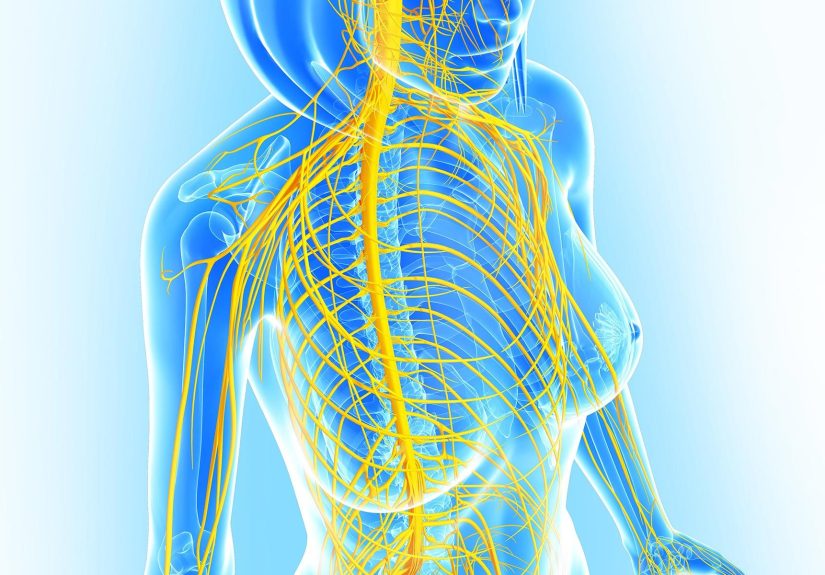
The nervous system is your body’s major controlling, regulatory, and
communication network. It collects information from inside and outside
your body, processes that information, and sends out instructions so you
can react, move, think, and stay alive. Together with the endocrine
(hormone) system, it helps maintain homeostasis your
body’s internal balance.
Anatomically, the human nervous system has two big divisions:
-
Central nervous system (CNS): the brain and spinal cord,
your main “command center.” -
Peripheral nervous system (PNS): all the nerves that
branch out from the brain and spinal cord to the rest of the body.
Functionally, the nervous system manages three broad tasks:
- Sensation: detecting changes (stimuli) inside and outside your body.
- Integration: interpreting the information and making decisions.
- Response: sending commands to muscles and glands so you can act or adjust.
If you accidentally touch a hot stove, your sensory nerves scream,
“Ouch, that’s hot!” to your spinal cord and brain. In a split second,
your central nervous system orders your muscles to pull your hand away
and maybe instructs your mouth to say some extra commentary.
Main Divisions: Central vs. Peripheral Nervous System
Central Nervous System (CNS)
The central nervous system is made up of the
brain and spinal cord. It is the
integration and control hub of the entire nervous system.
The Brain
The brain is the control center behind your thoughts, emotions, movements,
and many automatic functions. For simplicity, think of three major regions:
-
Cerebrum: The largest part, responsible for conscious
thought, voluntary movement, language, memory, and personality. It has
specialized lobes (frontal, parietal, temporal, occipital) that handle
different tasks like decision-making, sensory processing, hearing, and vision. -
Cerebellum: Located at the back of the brain, it
coordinates balance, posture, and smooth, precise movements. If you’ve
ever tried to walk a straight line after not enough sleep or too much
caffeine, this is the area doing its best. -
Brainstem: Connects the brain to the spinal cord and
controls vital automatic functions like breathing, heart rate, blood
pressure, and wakefulness.
The Spinal Cord
The spinal cord is a thick bundle of nerve fibers running
from the base of your brain down through your spine. It acts like a major
data highway:
-
Sensory pathways carry information from your body up to
the brain. -
Motor pathways carry commands from the brain to muscles
and glands.
The spinal cord also handles certain quick, protective actions called
reflexes. That knee-jerk test at the doctor? That’s your spinal cord
flexing its power.
Peripheral Nervous System (PNS)
The peripheral nervous system includes all the nerves
outside the brain and spinal cord. These nerves connect the CNS to your
skin, muscles, organs, and glands.
The PNS is usually described in two functional parts:
-
Somatic nervous system: Controls voluntary movements
(like waving, walking, or typing) and carries sensory information such
as touch, pain, and temperature. -
Autonomic nervous system (ANS): Manages involuntary
functions such as heart rate, digestion, breathing, and blood vessel
diameter.
Autonomic Nervous System: Sympathetic, Parasympathetic, Enteric
The autonomic nervous system is further divided into:
-
Sympathetic nervous system: Handles the
“fight-or-flight” response. It speeds up heart rate,
widens airways, releases stored energy, and redirects blood to muscles
so you can respond to danger or intense stress. -
Parasympathetic nervous system: Manages the
“rest-and-digest” state. It slows the heart rate,
stimulates digestion, and supports recovery and energy storage. -
Enteric nervous system: Sometimes called the “second
brain,” this network of neurons in the gastrointestinal tract regulates
digestion, independently coordinating muscle contractions and secretions
in the gut (though it still communicates with the CNS and ANS).
These systems constantly balance each other. Sympathetic ramps you up for
action; parasympathetic brings you back down. The enteric system keeps
your food moving along, hopefully without too much drama.
Key Organs and Cells of the Nervous System
When people think of the nervous system, they picture the brain. But it’s
a team sport involving several structures and cell types:
- Brain: Control center for thoughts, movement, memory, and emotion.
- Spinal cord: Major communication pathway between brain and body.
-
Nerves: Bundles of axons (nerve fibers) that carry
electrical signals to and from every region of the body. -
Ganglia: Clusters of nerve cell bodies outside the CNS
that help relay and modulate signals. -
Neurons: Specialized cells that transmit electrical
and chemical signals. -
Glial cells (or neuroglia): Support cells that nourish
neurons, clean up debris, form myelin, and help maintain the environment
neurons need to function.
Neurons communicate at specialized junctions called synapses,
where chemical messengers (neurotransmitters) like dopamine, serotonin,
and acetylcholine help send signals from one cell to another.
What Does the Nervous System Do? (Functions)
Every single day, your nervous system quietly keeps you alive, functional,
and (ideally) semi-coherent. Major functions include:
1. Sensory Input
Specialized receptors in your skin, eyes, ears, nose, and internal organs
detect changes such as light, sound, temperature, pressure, and chemical
levels. These signals travel through sensory (afferent) nerves to your CNS.
2. Integration and Processing
The brain and spinal cord analyze incoming data, compare it with past
experiences, and decide what to do. This integration allows complex
behaviors like problem-solving, learning, and emotional responses.
3. Motor Output
Motor (efferent) neurons carry commands from the CNS to muscles and glands.
This can be voluntary deciding to wave at a friend or involuntary
your pupils constricting in bright sunlight.
4. Homeostasis and Internal Regulation
Through close coordination with the endocrine system, the nervous system
helps regulate:
- Heart rate and blood pressure
- Breathing rate and depth
- Body temperature
- Digestion and nutrient absorption
- Fluid balance and certain hormonal levels
5. Higher Mental Functions
The nervous system is responsible for consciousness, memory, language,
creativity, personality, and mood. Everything from learning a new skill to
overthinking a text message comes from neural activity in your brain.
Common Nervous System Diseases and Disorders
Because the nervous system is so complex, there are hundreds of
neurological disorders. Some affect the brain, others
the spinal cord, and others peripheral nerves. Many conditions fall into
broad categories:
Neurodegenerative Diseases
These conditions involve progressive damage and loss of neurons over time.
They often affect movement, memory, or both.
-
Alzheimer’s disease: A leading cause of dementia, marked
by memory loss, language problems, and changes in thinking and behavior. -
Parkinson’s disease: Causes tremors, stiffness, slowed
movement, and balance issues due to loss of dopamine-producing neurons. -
Multiple sclerosis (MS): An autoimmune disease where the
immune system attacks myelin (the insulating sheath around nerve fibers),
disrupting signal transmission and causing symptoms like weakness, numbness,
visual changes, and fatigue. -
Amyotrophic lateral sclerosis (ALS): A progressive disease
that damages motor neurons, leading to muscle weakness, paralysis, and
eventually breathing failure.
Cerebrovascular Disorders
These involve blood vessels in the brain:
-
Stroke: Occurs when blood flow to part of the brain is
blocked (ischemic stroke) or a blood vessel bursts (hemorrhagic stroke).
Brain cells can die within minutes, causing sudden weakness, confusion,
trouble speaking, or loss of vision on one side. -
Transient ischemic attack (TIA): A “mini-stroke” with
stroke-like symptoms that resolve quickly, but it’s a major warning sign
for future stroke.
Seizure Disorders
Epilepsy is a chronic condition where abnormal electrical
activity in the brain causes recurrent seizures. Seizures can range from
brief staring spells to full-body convulsions. Not all seizures mean
epilepsy, but recurrent unprovoked seizures usually do.
Peripheral Nerve Disorders
When peripheral nerves are damaged, the result is often called
neuropathy. Symptoms may include:
- Numbness or tingling (often in hands and feet)
- Burning or shooting pain
- Weakness or loss of coordination
Common causes include diabetes, vitamin deficiencies, infections,
autoimmune conditions, and certain medications or toxins.
Headache and Migraine Disorders
Migraines and other headache disorders are extremely
common nervous system conditions. Migraines often come with throbbing
head pain, sensitivity to light and sound, nausea, and sometimes visual
changes (aura). Though often underestimated, chronic migraines can seriously
impact quality of life.
Infections and Inflammation
The nervous system can also be affected by infections and inflammatory
diseases, such as:
- Meningitis: Inflammation of the membranes covering the brain and spinal cord.
- Encephalitis: Inflammation of the brain itself, often viral.
-
Guillain–Barré syndrome: An autoimmune condition where
the immune system attacks peripheral nerves, causing weakness and sometimes paralysis.
Symptoms of Nervous System Problems
Nervous system diseases can show up in many different ways. Some possible
warning signs include:
- Persistent or severe headaches
- Sudden weakness, numbness, or paralysis (especially on one side of the body)
- Problems with balance, coordination, or walking
- Tremors, involuntary movements, or muscle stiffness
- Seizures or episodes of altered awareness
- Vision or hearing changes
- Frequent numbness or tingling in hands or feet
- Memory loss, confusion, or personality changes
- Chronic pain that doesn’t have a clear cause
These symptoms don’t automatically mean you have a serious neurological
disorder, but they are signals to pay attention to and discuss with a
healthcare professional.
How Nervous System Diseases Are Diagnosed
If a doctor suspects a nervous system issue, they may:
- Take a detailed medical history, including symptoms, timing, and family history.
-
Perform a neurological exam to check strength, reflexes,
coordination, sensation, eye movements, and mental status. -
Order imaging tests such as MRI or CT scans
to look at the brain and spinal cord. -
Use tests like EEG (electroencephalogram) to measure
electrical activity in the brain. -
Request blood tests, spinal fluid analysis, or nerve conduction studies
to look for specific causes.
Treatment depends on the underlying condition and can involve medications,
physical and occupational therapy, surgery, lifestyle changes, and
sometimes specialized interventions such as deep brain stimulation or
advanced infusion therapies.
Keeping Your Nervous System Healthy
While not all neurological disorders are preventable, several habits can
support a healthier nervous system:
- Protect your head: Wear helmets and seat belts to reduce the risk of traumatic brain injury.
- Manage cardiovascular risk: Control blood pressure, cholesterol, and blood sugar to lower stroke risk.
- Stay mentally active: Reading, learning new skills, and social engagement may support brain health.
- Exercise regularly: Physical activity improves blood flow to the brain and supports nerve function.
- Eat a balanced diet: Nutrients like B vitamins, omega-3 fatty acids, and antioxidants support nervous system function.
- Don’t smoke and limit alcohol: Both can damage blood vessels and nerves over time.
- Prioritize sleep and stress management: Chronic stress and poor sleep can affect mood, cognition, and pain sensitivity.
And of course, early evaluation matters. If something feels “off” with your
movement, memory, or sensations especially if it’s sudden or progressive
getting checked sooner rather than later can make a big difference.
This article is for general information only and is not a substitute for
professional medical advice, diagnosis, or treatment. Always talk with a
qualified healthcare professional about your specific situation.
Real-Life Experiences: Living With Nervous System Challenges
Understanding the nervous system becomes more personal when you see how
it affects real people in everyday life. While every person is unique,
certain patterns show up again and again.
Migraines and “Invisible” Brain Pain
Imagine a college student who looks perfectly fine but spends several days
a month in a dark room with a pounding, one-sided headache, nausea, and
sensitivity to light and sound. From the outside, it might seem like
“just a headache,” but inside the nervous system there’s a storm of
electrical and vascular changes.
Over time, this student learns to spot early warning signs maybe a
flashing zigzag in their vision or a sudden craving for certain foods.
That’s sensory input and brain processing in action. By tracking triggers,
sticking to a regular sleep schedule, staying hydrated, and using
prescribed medications at the right time, they can cut down the frequency
and intensity of attacks. The nervous system is still sensitive, but with
good management, life becomes more predictable.
Peripheral Neuropathy and Everyday Tasks
Now picture someone with peripheral neuropathy in their
feet. They describe it as “walking on pins and needles” or “burning sand.”
For them, something as simple as grocery shopping becomes a strategy game:
choose supportive shoes, lean on the cart for balance, and avoid standing
in one place too long.
As they work with their healthcare team, they learn that managing blood
sugar, checking their feet daily, using pain-modifying medications, and
doing specific balance exercises all help. They may never completely lose
the strange sensations, but they build work-arounds and routines that give
them confidence and independence.
Stroke Recovery and Neuroplasticity
Consider a person recovering from a stroke. At first,
they might not be able to move one arm or speak clearly. It feels like
their body is suddenly “offline” on one side. But with intensive physical,
occupational, and speech therapy, the brain taps into its ability to
reorganize connections a property called neuroplasticity.
Simple tasks become powerful training sessions: reaching for a cup,
practicing single words, or relearning how to stand up safely. Progress
can be slow and frustrating, but many stroke survivors see meaningful
improvements over months and years as the nervous system adapts and builds
new pathways around damaged areas.
Anxiety, Autonomic Responses, and “False Alarms”
Not all nervous system experiences come from structural damage. Take
anxiety, for example. When someone has a panic attack,
their autonomic nervous system acts as if they’re in real physical danger:
heart racing, fast breathing, sweating, and a strong urge to escape.
Logically, they may know they are safe, but their sympathetic nervous
system has smashed the “fight-or-flight” button. Over time, breathing
exercises, mindfulness, and therapy can help retrain how the brain and
body respond to perceived threats. The same wiring that once produced
overwhelming fear can, with practice, become more balanced and flexible.
Day-to-Day Takeaways
These experiences highlight a few core truths about the nervous system:
- It’s powerful and adaptable but also vulnerable to injury, disease, and chronic stress.
- Symptoms others can’t see can still be very real and disabling.
- Early diagnosis, consistent care, and lifestyle choices can significantly improve quality of life.
- Support from family, friends, and health professionals can make navigating nervous system diseases far less isolating.
Whether you’re dealing with occasional headaches, caring for someone with
dementia, or just curious about how your brain and nerves work,
understanding the nervous system gives you a better map to navigate your
own health and a bit more appreciation for the incredible network running
behind the scenes 24/7.