Table of Contents >> Show >> Hide
- Why Oatmeal Cookies Work (A Tiny Bit of Delicious Science)
- The Master Blueprint: One Dough, Endless Oatmeal Cookie Recipes
- 6 Oatmeal Cookie Recipes Worth Turning the Oven On For
- 1) Classic Chewy Oatmeal Raisin Cookies (No Sad, Dry Raisins Allowed)
- 2) Brown Butter Oatmeal Chocolate Chunk Cookies (The “Grown-Up” Upgrade)
- 3) Peanut Butter Oatmeal “Lunchbox” Cookies (Chewy + Salty-Sweet)
- 4) Cranberry-Orange Oatmeal Cookies (Bright, Chewy, and Not Subtle)
- 5) Toasted Coconut-Almond Oatmeal Cookies (Crisp Edges, Big Texture)
- 6) Gluten-Free Flourless Oat Cookies (Yes, They’re Real Cookies)
- How to Get the Texture You Want (Chewy vs. Crisp vs. Soft)
- Troubleshooting Oatmeal Cookie Recipes (Because Ovens Have Opinions)
- Make-Ahead, Freezing, and Storage
- FAQ
- Real-World Experiences (500-ish Words of Oatmeal Cookie Wisdom)
- Conclusion
Oatmeal cookies are the sweatpants of the dessert world: comforting, dependable, and somehow still cute enough to wear in public.
They can be crisp or chewy, polite (hello, raisins) or chaotic (chocolate chunks the size of small meteorites). And unlike some
finicky baked goods, oatmeal cookies are forgivingunless you overbake them, in which case they will hold a grudge.
This guide gives you a “master method” you can remix a dozen ways, plus several standout oatmeal cookie recipesclassic, creative,
and a few that play nice with gluten-free or dairy-free needs. Along the way, you’ll learn why rolled oats matter, how to get that
chewy center with crisp edges, and what to do when your cookies spread like gossip.
Why Oatmeal Cookies Work (A Tiny Bit of Delicious Science)
Oats aren’t just there to make you feel emotionally responsible. They bring texture, structure, and moisture management.
Rolled oats absorb liquid slowly, so the dough holds together and bakes into that signature hearty chew. Brown sugar contributes
moisture and a faint molasses note, which is basically “cozy” in edible form. Butter brings flavor; eggs bring structure; and flour
plays the role of “adult supervision” so the cookies don’t collapse into oat puddles.
Rolled vs. Quick Oats (and Why “Instant” Is a Red Flag)
- Old-fashioned rolled oats: best for chewy oatmeal cookies with visible texture.
- Quick oats: smaller flakes, softer bite; can make cookies more cake-y if you don’t adjust moisture.
- Instant oats: often too fine and powdery for great cookies; texture can turn dry or pasty.
The Master Blueprint: One Dough, Endless Oatmeal Cookie Recipes
Think of this as your “base camp” recipe. From here you can hike to Oatmeal Raisin Mountain or Chocolate Chunk Canyon without getting
lost. This blueprint makes about 20–24 medium cookies.
Base Ingredients
- 1 cup (2 sticks) unsalted butter, softened (not melted)
- 1 cup packed brown sugar (dark for deeper flavor, light for milder)
- 1/2 cup granulated sugar
- 2 large eggs
- 2 tsp vanilla extract
- 1 1/2 cups all-purpose flour
- 1 tsp baking soda
- 1/2 tsp fine salt
- 1–2 tsp cinnamon (optional but highly encouraged)
- 3 cups old-fashioned rolled oats
- 1 1/2 cups mix-ins (raisins, chips, nuts, etc.)
Base Method
- Cream butter + sugars until fluffy (about 2–3 minutes). This traps air for lift and better texture.
- Beat in eggs one at a time, then vanilla.
- Whisk dry ingredients (flour, soda, salt, spices). Add to wet and mix just until combined.
- Stir in oats and mix-ins.
- Optional but powerful: chill dough 30 minutes to 24 hours for better flavor and less spreading.
- Scoop onto lined baking sheets; bake at 350°F for 9–12 minutes, until edges are set and centers look slightly underdone.
- Cool 5 minutes on the sheet, then move to a rack. (They finish setting as they cool.)
Three Tiny Tweaks That Change Everything
- Extra yolk: Add 1 egg yolk for richer, chewier cookies.
- Rest time: Even 30 minutes helps oats hydrate; overnight makes flavors rounder and texture more consistent.
- Don’t overbake: Pull when the centers look a touch soft. That’s not “raw,” that’s “future chewy.”
6 Oatmeal Cookie Recipes Worth Turning the Oven On For
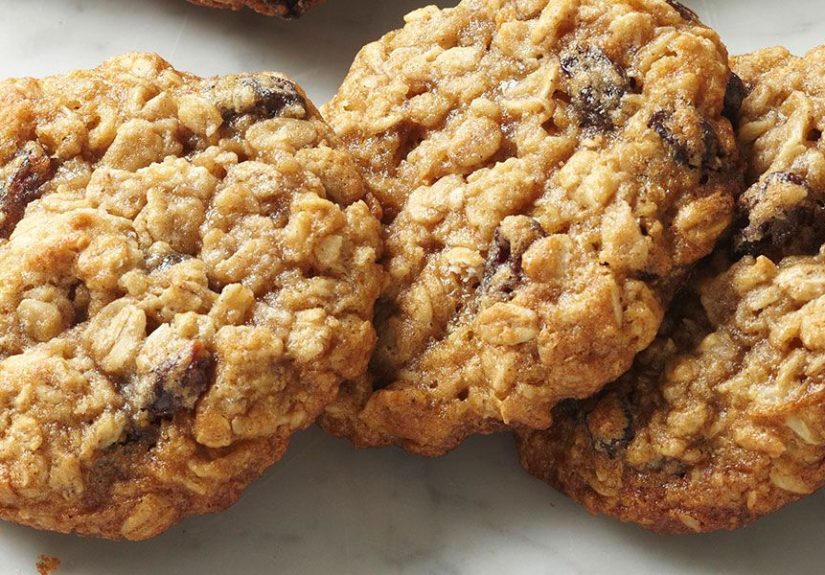
1) Classic Chewy Oatmeal Raisin Cookies (No Sad, Dry Raisins Allowed)
Raisins get a bad rap mostly because they’re often treated like tiny dehydrated regrets. The fix: plump them first.
This version is warmly spiced and reliably chewy.
Ingredients
- Use the Master Blueprint base
- Mix-ins: 1 1/4 cups raisins + 1/2 cup chopped walnuts or pecans (optional)
- Raisin spa day: soak raisins in warm water (or tea) 10 minutes, then drain and pat dry
- Optional spice boost: pinch of nutmeg
Steps
- Soak raisins; drain and dry well so the dough doesn’t get watery.
- Make dough using the blueprint. Stir raisins in at the end.
- Chill 30–60 minutes if you want thicker cookies.
- Bake 10–12 minutes at 350°F. Cool on the sheet 5 minutes.
Pro tip: If you want “bakery chew,” underbake by a minute and let the tray do the finishing work.
2) Brown Butter Oatmeal Chocolate Chunk Cookies (The “Grown-Up” Upgrade)
Browning butter adds a nutty, caramel-like depth that makes oatmeal cookies taste like they got promoted.
Pair it with chocolate chunks and a little cinnamonyour kitchen will smell like a candle store, but edible.
Ingredients
- 1 cup butter, browned and cooled until opaque but still soft (not liquid-hot)
- Use the rest of the Master Blueprint base ingredients
- Mix-ins: 1 1/2 cups chocolate chunks (or chips) + optional 1/2 cup toasted pecans
Steps
- Brown butter: melt over medium heat, stirring, until it smells nutty and turns amber; scrape browned bits in too.
- Cool until thickened (think “soft peanut butter” texture).
- Proceed with blueprint method. Chill dough at least 1 hour for best texture.
- Bake at 350°F for 9–11 minutes. Cool and resist eating them all standing over the sink.
3) Peanut Butter Oatmeal “Lunchbox” Cookies (Chewy + Salty-Sweet)
Peanut butter and oats are best friends who also share a Spotify account. These are chewy, sturdy, and perfect
if you like a cookie that feels like it could help you move furniture.
Ingredients
- Use the Master Blueprint base, but reduce butter to 3/4 cup
- Add 3/4 cup creamy peanut butter
- Mix-ins: 1 cup chocolate chips or 1 cup chopped peanuts (or half-and-half)
- Optional: 1/2 tsp cinnamon (yes, it works)
Steps
- Cream butter, peanut butter, and sugars together until fluffy.
- Continue with blueprint method. Chill 30 minutes to prevent spreading.
- Bake 9–11 minutes. Sprinkle a tiny pinch of flaky salt on top right after baking (optional, but delightful).
4) Cranberry-Orange Oatmeal Cookies (Bright, Chewy, and Not Subtle)
If classic oatmeal cookies are a warm hug, these are a warm hug wearing a citrusy cologne.
Tart dried cranberries + orange zest = holiday energy without needing a December calendar.
Ingredients
- Use the Master Blueprint base
- Add 1–2 tbsp orange zest
- Mix-ins: 1 cup dried cranberries + 3/4 cup white chocolate chips
- Optional: 1/2 cup chopped pistachios
Steps
- Rub orange zest into the sugars with your fingers before creaming (releases oils for bigger flavor).
- Make dough with blueprint method; fold in cranberries and white chocolate.
- Bake 10–12 minutes at 350°F. Cool completely so the white chocolate sets nicely.
5) Toasted Coconut-Almond Oatmeal Cookies (Crisp Edges, Big Texture)
Toasted oats and coconut take oatmeal cookies into “why is this so fancy?” territory.
The answer: flavor. Also, crunch. Also, you’re worth it.
Ingredients
- Use the Master Blueprint base
- Toast 1 cup of the oats in a dry skillet 3–5 minutes until fragrant; cool
- Mix-ins: 3/4 cup shredded coconut (toasted if you want extra oomph) + 3/4 cup sliced almonds
- Optional: 1/2 tsp almond extract (carefulpowerful stuff)
Steps
- Toast some oats (and coconut if using). Let cool fully.
- Make dough; fold toasted ingredients in at the end.
- Chill 30–60 minutes. Bake 10–12 minutes at 350°F.
6) Gluten-Free Flourless Oat Cookies (Yes, They’re Real Cookies)
These rely on oats for structure instead of flour. Blitzing some oats into “oat flour” helps bind everything together.
The result is chewy, hearty, and shockingly satisfying.
Ingredients
- 3 cups certified gluten-free rolled oats, divided
- 1/2 cup butter (or coconut oil), softened
- 3/4 cup brown sugar
- 1/4 cup granulated sugar
- 2 eggs
- 2 tsp vanilla
- 1 tsp baking soda
- 1/2 tsp salt
- 1 tsp cinnamon
- Mix-ins: 1 to 1 1/2 cups chocolate chips, nuts, or dried fruit
Steps
- Pulse 1 cup oats in a blender/processor until fine. Leave 2 cups whole.
- Cream butter and sugars; beat in eggs and vanilla.
- Mix in oat flour, baking soda, salt, cinnamon, then whole oats and mix-ins.
- Chill 30 minutes. Bake 9–11 minutes at 350°F. Cool fully for best chew.
Note: If you’re baking for celiac needs, avoid cross-contact and use certified gluten-free oats.
How to Get the Texture You Want (Chewy vs. Crisp vs. Soft)
For Chewy Oatmeal Cookies
- Use more brown sugar than white sugar.
- Consider an extra egg yolk.
- Chill the dough and slightly underbake.
- Use rolled oats (not instant).
For Crispier Cookies
- Use a little more granulated sugar.
- Flatten the dough balls before baking.
- Bake 1–2 minutes longer, but don’t go full “oat cracker” unless that’s the dream.
For Softer, Thicker Cookies
- Chill dough at least 1 hour.
- Use slightly cooler butter (soft, not glossy).
- Add 1–2 tbsp milk if your dough seems unusually dry.
Troubleshooting Oatmeal Cookie Recipes (Because Ovens Have Opinions)
“My cookies spread too much.”
- Butter was too warm or melted. Chill dough 30–60 minutes.
- Pan was hot from a previous batchuse cool sheets.
- Not enough flour/oats. Measure carefully (or weigh ingredients if you can).
“They’re dry.”
- Overbaked by a minute or twooat cookies keep cooking as they cool.
- Too many quick oats or too much flour.
- Try plumping dried fruit and/or adding a yolk next time.
“They’re puffy and cakey.”
- Too much flour or too much leavening.
- Overmixing after adding flour can build too much structure.
- Try slightly flattening the dough before baking.
Make-Ahead, Freezing, and Storage
- Refrigerate dough: 24–48 hours for deeper flavor and easier scooping.
- Freeze dough balls: scoop, freeze on a tray, then bag. Bake from frozen (add 1–2 minutes).
- Store baked cookies: airtight container 3–5 days. Add a slice of bread for softness (replace if it gets stale).
FAQ
Can I reduce sugar to make “healthy oatmeal cookies”?
You can reduce sugar a bit, but sugar affects texture as much as sweetness. If you cut too much, cookies can turn dry and bland.
A better move is to keep structure and swap mix-ins: add nuts, seeds, or dark chocolate; use cinnamon and vanilla for “sweet” flavor
without piling on more sugar.
Do I have to chill the dough?
Not always, but chilling helps control spread and can improve flavor. If you’re short on time, a 30-minute chill is a nice compromise.
If you’re chasing the “best cookie of your life,” overnight rest is a power move.
Can I use add-ins besides raisins and chocolate?
Absolutely. Think dried cherries, cranberries, chopped dates, toasted coconut, pecans, walnuts, pistachios, sunflower seeds, or even
crushed pretzels if you like living on the edge.
Real-World Experiences (500-ish Words of Oatmeal Cookie Wisdom)
If you bake oatmeal cookies often, a few “aha” moments tend to show upusually right after you’ve made a batch that looks like it
belongs in a modern art museum. The first big lesson: butter temperature is boss. Softened butter should feel
pliable, not greasy. When butter is too warm, dough acts like it’s late for something and spreads everywhere. The easy fix is
chilling the dough, but the deeper fix is learning that “room temp” is not an emotionit’s a range.
Another common experience: oatmeal cookies teach you to respect the clock. One extra minute in the oven can turn “chewy” into “why is
my cookie texting me from the dentist?” Most bakers eventually adopt a new rule: pull cookies when they look slightly underdone.
The edges should be set, but the centers can look soft and matte. That tray carryover heat finishes the job while you pretend you’re
not watching through the oven window like it’s a season finale.
Mix-ins also become a personality test. Some people measure chocolate chips. Others free-pour them until the dough looks like it
could win a mining permit. The useful middle ground is understanding that too many mix-ins can prevent proper spreading and baking.
A good “experience-based” guideline is 1 to 1 1/2 cups mix-ins per batchenough to taste in every bite, not so much
that the cookies crumble like a granola bar that got stage fright.
Then there’s the raisin debate, which is basically the sports rivalry of the cookie world. What longtime oatmeal-cookie people
notice is that raisin haters often aren’t anti-raisin; they’re anti-dry raisin. Once raisins get plumpedwarm water, tea, or even a
little apple juicecomplaints mysteriously quiet down. It’s almost like texture matters. Wild.
You’ll also hear a lot of “my cookies don’t taste like the bakery.” That’s usually not a secret ingredient problemit’s a
salt and browning problem. A proper pinch of salt makes oats and brown sugar taste richer. And letting cookies bake
until the edges pick up real color creates those caramelized notes that read as “professional.” Some bakers even toast a portion of
the oats for extra depth, which sounds fussy until you try it once and suddenly you’re toasting oats like you own stock in them.
Finally, oatmeal cookies are social. People trade tips: chill the dough, add a yolk, use dark brown sugar, swap raisins for dried
cherries, sprinkle flaky salt. The most consistent “experience” takeaway is simple: oatmeal cookie recipes aren’t just one recipe.
They’re a flexible system. Once you know how oats, sugar, fat, and time interact, you can build the cookie you wantchewy, crisp,
chunky, spicy, chocolateywithout needing permission from the internet (but you’ll still brag about it anyway).
Conclusion
The best oatmeal cookie recipes aren’t about strict rulesthey’re about smart choices. Use rolled oats for that hearty chew,
brown sugar for moisture and depth, and don’t be shy about chilling the dough when you want thicker, more flavorful cookies.
Whether you’re team raisin, team chocolate, or team “whatever is in my pantry,” you now have a blueprint that can deliver
consistently excellent cookies with minimal drama (and maximal snackability).