Table of Contents >> Show >> Hide
- What Makes This a “Parmesan Tuna Sandwich” (Not Just a Tuna Melt)
- Parmesan Tuna Sandwich Ingredients
- How to Make the Best Parmesan Tuna Sandwich
- Quick Variations (Same Recipe, Different Mood)
- Ingredient Upgrades That Actually Matter
- Troubleshooting (So You Don’t Have to Eat Your Mistakes)
- Serving Ideas
- Food Safety & Storage Notes
- Parmesan Tuna Sandwich Recipe Card
- of Real-World “Parmesan Tuna Sandwich” Experiences
Tuna sandwiches have a reputation problem. Somewhere along the way, “quick lunch” got translated into “sad desk meal,”
and canned tuna started catching strays it didn’t deserve. So let’s fix thatcrispy, golden, and unapologetically cheesy.
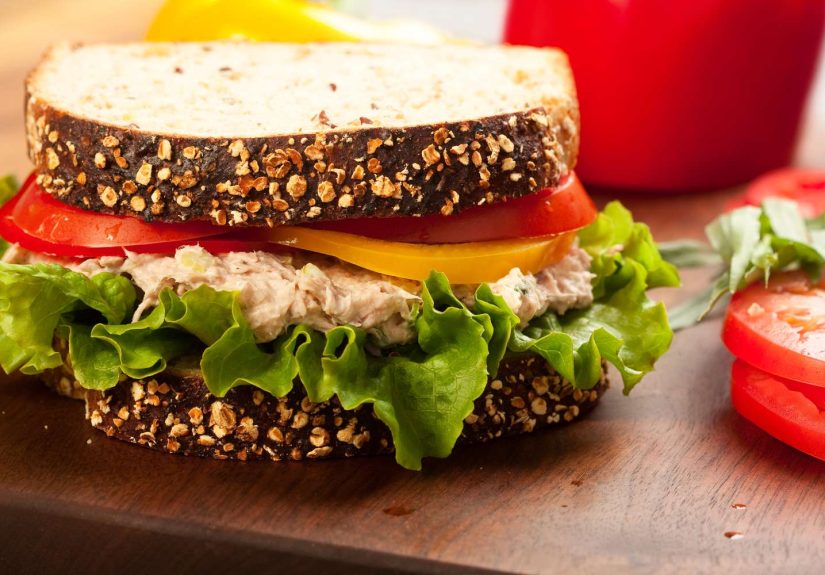
This Parmesan tuna sandwich is basically a tuna melt that went to finishing school and came back with a crunchy Parmesan “frico” jacket.
The goal: a creamy, bright tuna filling + a reliable melty cheese + sturdy bread + a skillet trick where Parmesan turns into a lacy, savory crust.
It’s fast, wildly satisfying, and suspiciously fancy for something that begins with a can.
What Makes This a “Parmesan Tuna Sandwich” (Not Just a Tuna Melt)
1) Parmesan plays two roles
- Flavor booster: A little Parmesan in the tuna salad adds salty, nutty depthlike turning the lights on.
- Crispy crust maker: Extra Parmesan goes directly in the pan and browns into a crackly cheese layer that clings to the bread.
2) Texture gets the spotlight
Great tuna salad shouldn’t be wet cement. Crunch (celery/onion), brightness (lemon/capers), and a creamy binder (mayo or yogurt) keep it balanced.
Then the Parmesan crust adds that “did I just order this?” crunch.
Parmesan Tuna Sandwich Ingredients
For the tuna filling (makes 2 hearty sandwiches)
- 2 (5- to 6-ounce) cans tuna, drained (oil-packed for richer flavor or water-packed for a cleaner taste)
- 3 tablespoons mayonnaise (or 2 tablespoons mayo + 1 tablespoon Greek yogurt)
- 1 teaspoon Dijon mustard
- 1 tablespoon lemon juice (plus more to taste)
- 1/3 cup finely diced celery
- 2 tablespoons finely diced red onion (or scallions)
- 1 tablespoon capers, drained and roughly chopped (or 1–2 tablespoons chopped dill pickles/relish)
- 2 tablespoons chopped parsley or dill
- 2 tablespoons finely grated Parmesan (optional but recommended)
- Black pepper to taste (salt optionaltuna and Parmesan can be salty)
- Optional “chef move”: 1/2 teaspoon anchovy paste or a few drops of fish sauce for extra umami
- Optional richness: 1 chopped hard-boiled egg
For building the sandwich
- 4 slices sturdy bread (sourdough, rye, country white, or whole grain)
- 4 slices melting cheese (Swiss, cheddar, provolone, Gruyère, or Monterey Jack)
- 2 teaspoons butter (or olive oil) for the bread
- 1/2 tomato, thinly sliced (optional but classic)
For the Parmesan crust
- 1/2 to 3/4 cup finely grated Parmesan (the fluffy, snow-like kinduse a microplane or fine grater)
How to Make the Best Parmesan Tuna Sandwich
Step 1: Mix the tuna filling (2 minutes)
- In a bowl, flake the tuna with a fork. If you want a creamier, less chunky texture, keep mixing until the tuna breaks down a bit.
- Add mayo, Dijon, lemon juice, celery, onion, capers (or pickles), herbs, and the optional 2 tablespoons Parmesan.
Season with black pepper and taste. Adjust with more lemon, a pinch of salt (only if needed), or a little more mayo for creaminess.
Step 2: Assemble like a pro (this matters)
The most reliable tuna melt structure is cheese → tuna → cheese. It acts like edible glue and helps everything melt together
instead of sliding out like it’s escaping.
- Lay out bread slices. On two slices, place 1 slice of melting cheese.
- Spoon tuna mixture evenly on top (about 1/2 cup per sandwich, depending on bread size).
- Add tomato slices if using.
- Top with the second slice of melting cheese, then close with the remaining bread.
- Lightly butter the outside of each sandwich (or brush with olive oil) for even browning.
Step 3: Make the Parmesan crust (the “wow” step)
Use a nonstick skillet or well-seasoned cast iron. Parmesan can stick in a stainless pan unless you’re very experienced with heat control.
- Heat skillet over medium heat. (If it’s screaming hot, the Parmesan burns before it bonds.)
- Sprinkle a generous, even layer of grated Parmesan directly into the skilletroughly the size of the sandwich.
- Immediately place the sandwich on top of the Parmesan. Press gently with a spatula so the cheese “hugs” the bread.
- Cook 2–4 minutes, until the Parmesan turns deep golden and lacy. Peek with a spatula: you want “bronzed,” not “campfire.”
- Carefully lift the sandwich out. Sprinkle another layer of Parmesan into the skillet, then flip the sandwich onto the fresh cheese.
- Cook another 2–4 minutes until the second side is golden and the inside cheese is melted.
Step 4: Rest, slice, and listen to the crunch
Let the sandwich rest for 1 minute before slicing. It helps the melted cheese set slightly so your first bite doesn’t redecorate your shirt.
Slice in half and serve immediately.
Quick Variations (Same Recipe, Different Mood)
Parmesan Pesto Tuna Melt
Stir 1–2 tablespoons basil pesto into the tuna mixture and reduce the mayo slightly. Great with provolone or mozzarella.
It tastes like a picnic that got promoted to management.
Lemon-Caper “Bright & Briny”
Double the capers, add extra lemon zest, and use dill. This version tastes lighter, sharper, and extra sandwich-shop worthy.
Deli-Style Pickle & Dill
Swap capers for chopped dill pickles or relish, add more dill, and use rye bread with Swiss. If you want that classic diner energy, this is it.
Spicy Tuna Melt (Without Being a Jerk About It)
Add a pinch of crushed red pepper, a dash of hot sauce, or finely minced pickled jalapeños. Pair with cheddar or pepper jack.
Ingredient Upgrades That Actually Matter
Choosing tuna: oil-packed vs. water-packed
Oil-packed tuna tends to taste richer and stay moister, which makes the whole sandwich feel more “deli” than “dorm room.”
Water-packed is leaner and cleanerstill great, especially if you add a small drizzle of olive oil to the bowl for texture.
Best bread for a tuna melt-style sandwich
Use something sturdy: sourdough, rye, country white, or whole grain. Bread with a super open crumb can turn into a delicious mess
(which is still delicious, but also a mess).
Cheese strategy: Parmesan + a good melter
Parmesan is a flavor powerhouse but not a gooey melter. That’s why this recipe pairs it with Swiss, cheddar, Gruyère, provolone, or Jack.
Think of Parmesan as the crispy armor and the melty cheese as the cozy blanket inside.
Troubleshooting (So You Don’t Have to Eat Your Mistakes)
“My Parmesan burned.”
Your heat is too high or your Parmesan is too fine and thinly scattered. Try medium heat and a thicker, even blanket of cheese.
When in doubt, lower the heat and add 30–60 seconds.
“The Parmesan stuck to the pan.”
Use nonstick or well-seasoned cast iron, and wait until the cheese is fully browned before moving it. If you flip too early, it tears.
Golden = release. Pale = clingy.
“My tuna filling is watery.”
Drain the tuna well, go easy on wet add-ins, and chop celery/onion finely. If it’s already loose, stir in a spoonful of breadcrumbs
or an extra sprinkle of Parmesan to tighten it.
“The sandwich is crispy outside but cheese isn’t melted.”
Lower the heat and cover the skillet for 30–60 seconds. A lid traps heat so the inside melts without scorching the crust.
Thick bread also benefits from a slightly slower cook.
Serving Ideas
- Classic: pickles + kettle chips
- Fresh: simple arugula salad with lemon vinaigrette
- Cozy: tomato soup (yes, it’s allowed)
- Brunch chaos (good chaos): top the tuna with a tomato slice and broil open-face, then add a fried egg
Food Safety & Storage Notes
- Tuna salad is perishablekeep it refrigerated and don’t leave it at room temperature for more than about 2 hours
(less if it’s very hot out). - Store tuna salad in a sealed container in the refrigerator and aim to use it within a few days for best quality.
- Tuna is nutritious and protein-rich, but if you eat it often, consider mixing up fish choices and pay attention to mercury guidance
especially for children and anyone who is pregnant or breastfeeding.
Parmesan Tuna Sandwich Recipe Card
Overview
- Prep time: 10 minutes
- Cook time: 8–10 minutes
- Total time: ~20 minutes
- Servings: 2 sandwiches
Instructions (Condensed)
- Mix tuna with mayo, Dijon, lemon, celery, onion, capers/pickles, herbs, pepper, and optional Parmesan.
- Assemble sandwiches: cheese → tuna → cheese between bread. Butter outsides lightly.
- Heat skillet to medium. Sprinkle Parmesan in pan, place sandwich on top, cook until golden.
- Remove, add more Parmesan, flip sandwich onto it, cook until golden and melty.
- Rest 1 minute, slice, eat while it crunches.
of Real-World “Parmesan Tuna Sandwich” Experiences
Here’s what tends to happen the first time someone tries a Parmesan-crusted tuna sandwich: confidence starts high, the skillet warms up,
the Parmesan goes in… and then panic arrives in under 30 seconds. Parmesan looks innocent while it meltssoft, pale, and slightly bubblyso
it’s tempting to flip early “just to check.” That’s the moment the cheese clings to the pan like it just signed a lease. The fix is almost
always the same: give it time. When Parmesan is truly ready, it turns deeper gold, dries into a lacy sheet, and releases more easily. In other
words, the cheese will tell you when it’s doneif you stop interrogating it.
Another common experience: the tuna salad tastes fine in the bowl, but once it’s hot, it suddenly feels bland. Heat can mute acidity and make
rich flavors feel heavier, which is why a little lemon juice (or even a tiny splash of pickle brine) becomes the hero. Many home cooks end up
adding one last squeeze of lemon at the table and acting like it was the plan all along. Fresh herbs help toodill if you want deli vibes,
parsley if you want clean and classic, or even a little basil if you’re flirting with pesto territory.
Bread selection creates its own mini-drama. A super airy artisanal loaf can taste amazing, but it’s also a tunnel system for hot tuna and melted
cheese. That doesn’t mean “don’t use it”it means “accept the consequences” or toast the bread lightly first so the interior has a little structure.
Many people discover the sweet spot is sturdy sliced sourdough: strong enough to hold everything, flavorful enough to matter, and still tender
in the middle.
There’s also the “my kitchen smells like a diner (in the best way)” phenomenon. Tuna melts have that unmistakable comfort-food aroma, and Parmesan
adds a nutty, almost popcorn-like toastiness as it browns. It’s the kind of smell that makes someone wander in and ask, “What are you making?”
even if they swore they weren’t hungry five minutes ago.
Finally, this sandwich has a strange habit of becoming a personal project. After the first success, people start customizing: chopped olives for
briny punch, a dab of Dijon for sharpness, a little hot sauce for swagger, tomato for juiciness, or no tomato for maximum crunch. Some go full
deli-style with pickles and Swiss on rye; others go “fancy lunch” with Gruyère and extra herbs. The best part is that the core technique stays
the same: keep the tuna balanced, use a melty cheese, and let Parmesan do its crispy magic. Once you’ve nailed that, the variations feel less
like experiments and more like upgrades.