Table of Contents >> Show >> Hide
- What Are PDE5 Inhibitors?
- How PDE5 Inhibitors Work (Without a Biochemistry Degree)
- Common Types of PDE5 Inhibitors
- What Conditions Do PDE5 Inhibitors Treat?
- Side Effects, Interactions, and Safety Tips
- What Do PDE5 Inhibitors Cost?
- Who Might Benefit From Each Type?
- Real-World Experiences With PDE5 Inhibitors (500-Word Deep Dive)
- Bottom Line
If you’ve ever seen an ad that promises to turn “date night” from awkward to awesome, there’s a good chance a
phosphodiesterase type 5 (PDE5) inhibitor was involved. These medications are best known as erectile dysfunction
(ED) pills, but they also show up in treatment plans for certain heart–lung conditions and enlarged prostate
symptoms.
In this guide, we’ll break down what PDE5 inhibitors are, how they work in plain English, the main types you’ll
hear about in the doctor’s office, and what they typically cost in the United States. We’ll also talk safety,
side effects, and real-world experiences so you have a realistic picture before you ever step into the pharmacy.
This article is for general education only and is not a substitute for medical advice from your own healthcare
professional.
What Are PDE5 Inhibitors?
PDE5 inhibitors are a family of prescription drugs that help relax blood vessels and improve blood flow in certain
parts of the body. They do this by blocking an enzyme called phosphodiesterase type 5 (PDE5), which normally breaks
down a signaling molecule known as cyclic guanosine monophosphate (cGMP). When PDE5 is blocked, cGMP sticks around
longer, blood vessels relax, and blood flow improves in targeted tissues.
In the penis, this improved blood flow translates into stronger, more reliable erections when there is sexual
stimulation. In the lungs, the same basic mechanism can reduce high pressure in the pulmonary arteries
(pulmonary arterial hypertension, or PAH). Some PDE5 inhibitors are also used in men with both erectile dysfunction
and benign prostatic hyperplasia (BPH) to help with urinary symptoms.
How PDE5 Inhibitors Work (Without a Biochemistry Degree)
Here’s the simplified chain reaction:
- Sexual arousal or certain nerve signals trigger the release of nitric oxide (NO) in blood vessels.
- NO tells nearby cells to produce more cGMP.
- cGMP relaxes smooth muscle in blood vessel walls, allowing more blood to flow in and get “trapped” where it’s needed.
- PDE5’s normal job is to break down cGMP and turn the signal off.
- PDE5 inhibitors step in, slow down that breakdown, and allow cGMP to hang around longer.
The key takeaway: PDE5 inhibitors don’t create sexual desire and they don’t work like an “on/off” switch. They
simply amplify your body’s natural response to sexual stimulation or certain signaling pathways in blood vessels.
Common Types of PDE5 Inhibitors
Several PDE5 inhibitors are on the market in the United States. They all work via the same basic mechanism but
differ in how fast they kick in, how long they last, side-effect patterns, and price.
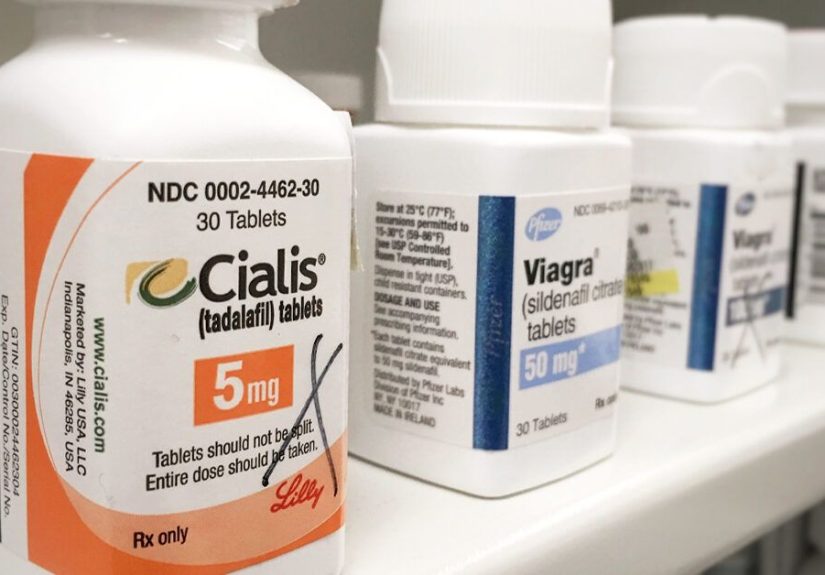
1. Sildenafil (Viagra and Generics)
Sildenafil was the first PDE5 inhibitor approved for erectile dysfunction and is still the reference point for many
people. It’s available as:
- Brand-name: Viagra (for ED), Revatio (for PAH)
- Generics: multiple manufacturers, widely available
For ED, sildenafil is usually taken about 30–60 minutes before sexual activity. Many people feel effects for around
4–6 hours, although “your mileage may vary.” It’s often prescribed in doses ranging from 25 to 100 mg, depending on
age, health status, and other medications you take.
Common side effects include headache, facial flushing, nasal congestion, and indigestion. Because sildenafil also
weakly affects an enzyme in the retina (PDE6), some people notice a temporary bluish tinge to vision or increased
sensitivity to light. Sudden vision or hearing changes are rare but serious red flags that require immediate
medical attention.
2. Tadalafil (Cialis and Generics)
Tadalafil’s claim to fame is its long duration of action. While sildenafil is a “take it before you need it” pill,
tadalafil is sometimes called the “weekend pill” because its effects can last up to 36 hours in many people.
- Brand-name: Cialis (ED and BPH), Adcirca (PAH)
- Generics: tadalafil from multiple manufacturers
Tadalafil can be used either:
- As-needed: usually 5–20 mg before sexual activity, with a long window of effectiveness.
- Daily low dose: 2.5–5 mg once daily to allow more spontaneous sexual activity and to help with urinary symptoms in BPH.
Side effects are similar to other PDE5 inhibitors but with its own flavor: back pain and muscle aches are more
common with tadalafil than with sildenafil. This is probably due to its activity at another enzyme (PDE11), although
it isn’t known to cause fertility problems.
3. Vardenafil (Levitra, Staxyn)
Vardenafil is another ED-focused PDE5 inhibitor that’s a close cousin of sildenafil. It comes as:
- Brand-name: Levitra (traditional tablet), Staxyn (orally disintegrating tablet)
- Generics: vardenafil, though availability can vary
Vardenafil generally kicks in within 30–60 minutes and lasts roughly 4–5 hours. Some studies suggest subtly
different side-effect and efficacy profiles compared with sildenafil, but in real-world practice, many people
experience them as broadly similar. Visual changes and headaches can still occur, though individual responses vary.
4. Avanafil (Stendra)
Avanafil is the newer kid in class and is marketed heavily on its speed. In some men, it can start working in as
little as 15 minutes, with effects lasting several hours.
- Brand-name: Stendra
- Generics: In some markets there are generic avanafil options; availability and cost vary.
Avanafil is more selective for the PDE5 enzyme than some older drugs, which may translate into fewer visual and
muscle-related side effects for some users. However, its overall rates of common side effectsheadache, flushing,
nasal congestionare still in the same general ballpark as other PDE5 inhibitors.
What Conditions Do PDE5 Inhibitors Treat?
You’ll most often hear about PDE5 inhibitors in the context of erectile dysfunction, but they show up in a few
settings:
- Erectile dysfunction (ED): All four major agentssildenafil, tadalafil, vardenafil, and avanafilare used for ED.
- Pulmonary arterial hypertension (PAH): Sildenafil (Revatio) and tadalafil (Adcirca) are used to lower high blood pressure in the arteries of the lungs.
- Benign prostatic hyperplasia (BPH) with ED: Tadalafil is the PDE5 inhibitor with an FDA indication for urinary symptoms secondary to BPH.
Your specific diagnosis, other health conditions, and overall medication list will guide which PDE5 inhibitorif
anymakes sense for you.
Side Effects, Interactions, and Safety Tips
Overall, PDE5 inhibitors are considered safe and effective for many people, including those with controlled
cardiovascular risk factors. That said, they are not “vitamins,” and there are important safety rules.
Common Side Effects
- Headache
- Facial flushing or warmth
- Stuffy or runny nose
- Indigestion or stomach discomfort
- Dizziness or lightheadedness
- Back or muscle pain (more common with tadalafil)
These side effects are usually mild and short-lived. If they become severe or persistent, your prescriber may
adjust the dose or switch you to a different PDE5 inhibitor.
Serious but Less Common Risks
- A sudden drop in blood pressure, especially when combined with certain other medications
- Chest pain or heart-related symptoms during sex
- Sudden vision loss or severe visual changes
- Sudden hearing loss or ringing in the ears
- Priapism (an erection lasting more than 4 hours)
These situations are emergencies. If they happen, stop using the medication and seek immediate medical care.
Key Drug Interactions and Contraindications
PDE5 inhibitors are not safe for everyone. You should not use them if you:
- Take nitrates (often used for chest pain, such as nitroglycerin or isosorbide).
- Use certain blood vessel–dilating drugs like riociguat (a soluble guanylate cyclase stimulator).
- Have been told not to engage in sexual activity due to serious heart disease.
- Have a history of certain rare eye conditions, such as non-arteritic anterior ischemic optic neuropathy.
You should also have a careful discussion with your healthcare professional if you have uncontrolled high or low
blood pressure, recent heart attack or stroke, severe liver or kidney disease, or complicated eye problems.
What Do PDE5 Inhibitors Cost?
The million-dollar (or hopefully not) question: what do these medications cost in the United States? The answer
depends on brand vs. generic, dose, pharmacy choice, and whether you’re using insurance or discount programs.
Sildenafil Costs
As multiple generics have entered the market, sildenafil has become one of the more affordable ED options:
- Brand Viagra: often around $70–$90 per tablet through traditional pharmacies, depending on dose and location.
- Generic sildenafil: with coupons or subscription services, prices can drop to roughly $2–$5 per 50–100 mg tablet, and occasionally even lower with bulk or mail-order options.
Without insurance or discounts, retail prices can still look scary on paperoften hundreds of dollars per month for
a small supplybut many people never pay that sticker price because of coupons, manufacturer programs, or
telehealth platforms that negotiate lower rates.
Tadalafil Costs
Tadalafil used to be a premium “designer” option, but generic versions have also pushed costs down significantly:
- Brand Cialis: can cost $20–$80 per tablet, especially at higher strengths, when paid out of pocket.
- Generic tadalafil: common online and coupon-based prices range from around $1.50 to $6 per tablet depending on strength and whether it’s a daily low dose or as-needed higher dose.
- Ultra-low-cost options: some cash-only and membership pharmacies offer monthly supplies (for example, 30 tablets of 5 mg) in the range of a few dollars before fees.
Because tadalafil can be taken daily, you’ll want to do a little math: a low per-pill price doesn’t always mean a
low monthly cost if you’re taking it 30 days a month.
Vardenafil Costs
Vardenafil generally doesn’t have as many low-cost telehealth or subscription options as sildenafil and tadalafil,
so prices may be higher or more variable:
- Brand-name formulations (Levitra, Staxyn) tend to be priced similarly to other brand-only ED drugs.
- Generic vardenafil, where available, may be moderately less expensive but often still more than generic sildenafil.
Because alternatives like generic sildenafil and tadalafil are usually easier on the wallet, vardenafil may be used
when those options haven’t given satisfactory results or when a person responds particularly well to vardenafil.
Avanafil (Stendra) Costs
Avanafil is usually the most expensive of the group:
- Brand Stendra: average retail prices commonly work out to roughly $50–$60 per tablet when purchased in small quantities without discounts.
- Discount cards and some online services may bring the cost closer to $20–$40 per tablet, but it still tends to be pricier than generic sildenafil or tadalafil.
For many people, avanafil’s fast onset isn’t worth the significant price gap compared with older generics. Others
love the convenience and are willing to pay extra. This is exactly the kind of trade-off to discuss openly with your
prescriber.
Ways to Save on PDE5 Inhibitors
No matter which PDE5 inhibitor you use, a few strategies can help trim the bill:
- Ask about generics: Whenever possible, ask if a generic PDE5 inhibitor is appropriate for you.
- Use coupon or discount programs: Free coupon sites, membership pharmacies, and some telehealth services can cut retail prices dramatically.
- Compare pharmacies: Prices can vary a lot between chains, independents, mail-order, and big-box stores.
- Talk about dose and quantity: Sometimes a slightly different strength or pill count can be more cost-effective over a month.
Who Might Benefit From Each Type?
Everyone’s body and schedule are different, but here are some rough “personality traits” of each PDE5 inhibitor:
- Sildenafil: Good for people who want a well-studied, flexible, and usually inexpensive option,
and are okay planning sexual activity within a shorter 4–6 hour window. - Tadalafil: Great for those who prefer more spontaneity (thanks to the long window of effect) or
who also have urinary symptoms from BPH. - Vardenafil: A reasonable “Plan B” if sildenafil doesn’t give the desired effect or causes
bothersome side effects. - Avanafil: Appeals to people who want the fastest onset and don’t mind paying more for it.
None of these generalizations replace a real conversation with a healthcare professional who knows your health
history, medications, and goals.
Real-World Experiences With PDE5 Inhibitors (500-Word Deep Dive)
Clinical studies are great, but most people really want to know, “Okay, what is this actually like in real life?”
While everyone’s experience is unique, there are some recurring themes in how people describe PDE5 inhibitor use.
The examples below are composites based on common patterns reported to clinicians and in patient surveys, not any
one specific individual.
First, there’s the “nervous first-timer.” Imagine a man in his 40s who has had a string of frustrating sexual
experiences and finally talks to his doctor about ED. He’s prescribed sildenafil and given the standard talk: take
it on an empty stomach, plan for sexual stimulation, and don’t stack it with nitrates or “poppers.” The first night,
he takes the pill, checks his watch ten times, and wonders if anything is happening. When he finally relaxes and
focuses on his partner instead of the clock, he realizes the medication is doing its jobjust not like a magic
switch. The biggest change he notices isn’t just a firmer erection, but a huge drop in performance anxiety.
Then there’s the “planner turned spontaneous.” Someone in his 50s tries sildenafil but doesn’t love feeling tied to
the timing. After talking with his prescriber, he switches to tadalafil in a low daily dose. At first he’s skeptical
about taking a pill every day, but over a week or two he notices a subtle shift: intimacy feels less like something
that must be scheduled around a pill and more like something that can happen when the mood is right. He also has
BPH symptomsfrequent nighttime urinationthat improve slightly on tadalafil, which is a nice bonus. The trade-off?
A day or two of backaches when he first starts, which fade as his body adjusts.
Side effects can shape people’s preferences in surprising ways. One man might barely notice a headache but be
bothered by nasal congestion. Another might find tadalafil’s back pain intolerable yet have zero issues with
sildenafil. Occasionally, visual changeslike a blue tint to colors or increased sensitivity to lightmake people
nervous enough to switch medications or stop altogether. In those cases, prescribers might try a lower dose, a
different PDE5 inhibitor, or explore other underlying causes for ED such as low testosterone, uncontrolled
diabetes, or medication side effects.
Cost is another major character in the story. Some people arrive at the pharmacy counter expecting a modest copay
and instead get a quote in the hundreds of dollars. That’s often the moment when they discover coupon apps, discount
cards, telehealth services, or mail-order pharmacies that can slash the price of generic PDE5 inhibitors. Others
find that their insurance will cover one specific agent but not another, nudging them toward whatever option plays
best with the formulary.
Finally, there’s the emotional side. A successful experience with a PDE5 inhibitor isn’t just about the mechanics
of erections; it often restores a sense of confidence, intimacy, and partnership. Many couples report that once they
remove the fear of “what if things don’t work,” they communicate more openly about sex, stress, and health in
general. For some, that improved communication is just as life-changing as the medication itself.
If you’re considering a PDE5 inhibitor, it’s completely normal to feel nervous, hopeful, or even skeptical. The
best next step is an honest conversation with a healthcare professional about your symptoms, your goals, your
medical history, and your budget. Together, you can choose an optionand a dosethat fits your life, not the other
way around.
Bottom Line
PDE5 inhibitors like sildenafil, tadalafil, vardenafil, and avanafil offer effective options for erectile
dysfunction and, in some cases, other conditions such as pulmonary arterial hypertension and BPH symptoms. They all
share the same basic mechanismboosting the effect of cGMP to improve blood flowbut differ in onset, duration,
side-effect patterns, and cost.
Generic versions of sildenafil and tadalafil are often the most cost-effective options, while newer or brand-only
drugs like avanafil tend to carry a premium price. None of these medications are appropriate for everyone, and they
can interact dangerously with nitrates and certain other drugs, so medical supervision is essential.
Think of PDE5 inhibitors as toolsnot magicand use them as part of a broader conversation about your cardiovascular
health, mental well-being, relationship dynamics, and long-term goals. With the right guidance, they can be a safe
and powerful part of reclaiming sexual confidence and quality of life.