Table of Contents >> Show >> Hide
- Who Is Pete Campbell, Really?
- Where Pete Campbell Ranks Among Mad Men Characters
- Why Viewers Love To Hate Pete Campbell
- Pete’s Character Arc: From Sniveling Junior Exec to Jet-Setter
- Ranking Pete Campbell’s Best And Worst Moments
- Fan Reactions: Hate, Love, And Everything In Between
- What Pete Campbell Represents In Mad Men
- Experience-Based Reflections On Pete Campbell Rankings And Opinions
- Conclusion: Where Should Pete Campbell Rank?
If you’ve ever watched Mad Men and thought, “Wow, I cannot stand Pete Campbell… but also I kind of live for every scene he’s in,” congratulations you’re perfectly normal. Pete Campbell is one of TV’s great “love to hate” characters: a sniveling, ambitious, entitled ad man who somehow ends the series with a promotion, a private jet, and a reconciled marriage. That journey has made him a hot topic in Mad Men character rankings and fan debates for more than a decade.
This article dives into where Pete typically ranks among the show’s sprawling cast, why critics and fans are so divided about him, and what his story arc says about ambition, class, and morality in mid-century America. Along the way, we’ll look at some of his best and worst moments, and wrap up with some experience-based reflections from rewatchers who’ve done the emotional labor of gradually admitting, “Okay, fine, Pete Campbell is a great character… even if he’s a terrible person.”
Who Is Pete Campbell, Really?
Privileged background, permanent chip on his shoulder
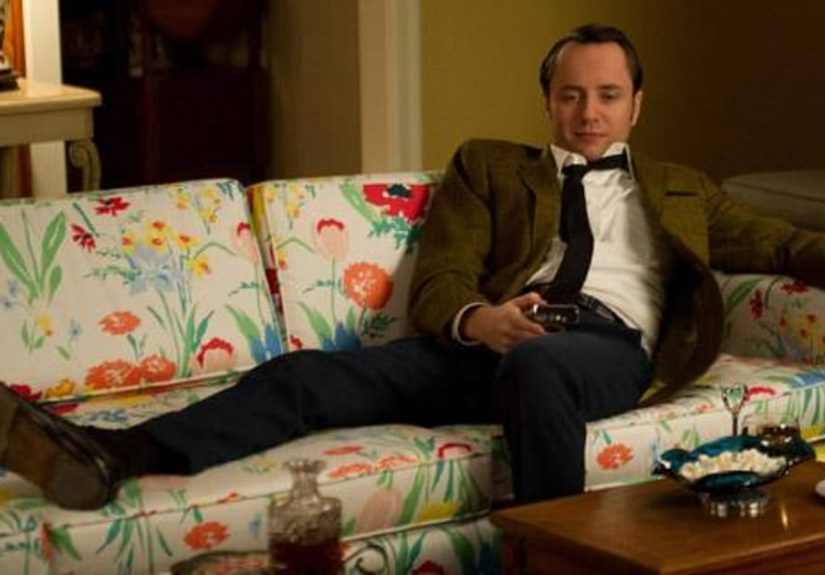
Pete Campbell is introduced as a young account executive at Sterling Cooper, the Madison Avenue advertising agency where Mad Men begins. A child of old New York money, Pete comes from the WASP-y Campbell and Dyckman families, attended elite schools like Deerfield Academy and Dartmouth College, and grew up expecting life to unfold like a trust-fund fairy tale.
On paper, he’s exactly the sort of man who should coast: born rich, well educated, social connections for days. But Pete doesn’t want to coast he wants to be important. That ambition collides constantly with his insecurity. He’s obsessed with status, terrified of being ordinary, and deeply resentful of anyone, especially Don Draper, who seems to succeed without pedigree.
Driven, petty, insecure and oddly relatable
Character analyses often describe Pete as driven but immature, manipulative, and petulant. He flatters superiors, undercuts colleagues, and uses whatever leverage he can find to claw his way upward. He can be cruel, especially when he feels disrespected and Pete always feels disrespected.
Yet part of the reason he sticks in people’s minds is that he’s not a cartoon villain. Writers and critics have pointed out that his worst behavior often stems from painfully human weaknesses: insecurity, fear of failure, and the desire to impress people who will never truly accept him. That complexity is what keeps Pete from being just “the office jerk” and turns him into one of TV’s most layered antagonists.
Where Pete Campbell Ranks Among Mad Men Characters
So where does this anxious, blue-blooded schemer land in Pete Campbell rankings and opinions across the internet?
On many “best character” lists, Pete hovers in the upper middle of the pack. A ranking of the best Mad Men characters from one major film and TV outlet places him firmly in the top ten, noting that while he starts as “one of the most unlikable characters,” his growth and vulnerability make him surprisingly compelling by the end. Another ranking of standout characters lists Pete fifth overall, just behind icons like Don Draper and Joan Holloway, arguing that he’s central to the show’s themes of ambition and moral compromise.
Fan conversations often mirror this ambivalence. In online discussions where people list their top ten characters, Pete frequently shows up right after heavy-hitters like Don, Sally, Betty, and Roger, suggesting that even viewers who “hate” him recognize how essential he is to the show.
In short: Don and Peggy may carry the heart of the series, but Pete is its nerve constantly twitching, always uncomfortable, impossible to ignore.
Why Viewers Love To Hate Pete Campbell
The worst of Pete Campbell, ranked
Part of Pete’s notoriety comes from a long highlight reel of terrible decisions. Opinion pieces and think-pieces catalog several especially awful moments:
- Trying to blackmail Don Draper. Early on, Pete discovers Don’s real identity and attempts to use it as leverage, a move that nearly gets him fired and marks him as untrustworthy to both Don and the audience.
- His treatment of Peggy Olson. Pete harasses Peggy on her first day, then sleeps with her, only to remain oblivious to her pregnancy and the child who’s later given up for adoption.
- The Jaguar debacle. He’s a driving force behind the horrific plan to pressure Joan into sleeping with a prospective client in exchange for a partnership and the Jaguar account, one of the most morally disturbing storylines in the series.
- Verbal cruelty and slurs. Articles and recaps often cite his insults toward Lane Pryce and his condescending comments to colleagues as evidence of his worst instincts.
Critics have not been shy about calling him a “scumbag,” a “grimy little pimp,” or worse. Lists of the “most hated TV characters” frequently include him alongside other infamous small-screen villains.
The case for Pete as a fascinating anti-hero
But here’s where it gets interesting: the same outlets and critics who roast Pete’s behavior often praise him as one of the best characters on the show. A longform essay on TV archetypes argues that Pete Campbell is both “the most important and best Mad Men character” and also “the worst,” capturing the paradox at the heart of his appeal.
Why? Because Pete embodies a very specific modern archetype: the “failson” an underachieving heir to privilege who has every advantage yet is perpetually dissatisfied. He isn’t a glamorous anti-hero like Don; he’s the awkward, insecure guy who knows he doesn’t have Don’s charisma and tries to brute-force his way into greatness.
Some essays and blogs defend Pete as the show’s quiet emotional center, noting that his breakdowns, affairs, and professional missteps are often played less as triumphs or tragedies and more as cringe-comedy about entitlement. If Don is the idealized projection of mid-century masculinity, Pete is the anxious reality lurking underneath.
Pete’s Character Arc: From Sniveling Junior Exec to Jet-Setter
Early seasons: scheming, scrambling, failing upward
In the first few seasons, Pete is the junior account man desperate to be taken seriously. He undercuts colleagues, steals ideas, and fixates on landing big accounts to prove his worth. Biographical entries and character guides highlight how his upbringing wealthy but emotionally cold parents leaves him hungry for approval from older male mentors like Don and Bert Cooper.
Professionally, he’s actually good at his job. Analyses of his best and worst moments point out that Pete consistently brings in major business for the agency, understands changing demographics, and pushes for new markets (like targeting younger consumers) earlier than many of his peers. But emotionally, he’s a mess: cheating on his wife Trudy, alienating colleagues, and sabotaging himself with petty feuds.
Later seasons: a surprising path to growth
What makes Pete so divisive in rankings and opinions is that he actually grows. By the final season, he’s still flawed bitter, defensive, occasionally cruel but he’s less reactive, more self-aware, and more honest about what he wants.
One widely discussed late-series twist gives Pete something close to a happy ending: a lucrative offer in Wichita involving private air travel and a reconciliation with Trudy. A major culture site questioned whether this “preposterous new leaf” was the show toying with our desire for redemption, but acknowledged that, for better or worse, everything seems to be “coming up Pete” as other characters spiral.
Other commentators see his ending as thematically appropriate: Pete is rewarded not because he’s morally upright but because he finally learns to channel his ambition without constantly self-destructing. He doesn’t really deserve a fairy-tale ending, but that’s kind of the point neither do many real-world beneficiaries of class and privilege.
Ranking Pete Campbell’s Best And Worst Moments
Top “this guy is actually good at his job” moments
- Pushing for new markets. Pete’s insistence on targeting emerging demographics, particularly younger consumers and suburban families, reflects his knack for reading social change, even when older executives dismiss him.
- Handling difficult clients. He repeatedly lands and manages high-value accounts, proving that he’s more than just a legacy hire. Analyses of his career track emphasize that his ego, annoying as it is, comes with real professional skill.
- Backing Peggy professionally. While his personal history with Peggy is messy, there are moments where he advocates for her talent in front of skeptical colleagues, suggesting that he recognizes ability when he sees it.
Top “please eject Pete into the sun” moments
- The Jaguar “queen” speech. His argument that Joan should sleep with the Jaguar executive and his line about Cleopatra being a “queen” is widely cited as one of his lowest points and one of the show’s most disturbing moral compromises.
- Blackmailing Don. Trying to weaponize Don’s secret past is both disloyal and naive, signaling Pete’s willingness to risk everything to climb the ladder.
- Casual cruelty and entitlement. From mocking Lane to belittling his colleagues, Pete’s casual nastiness fuels many essays that label him an “utter scumbag.”
If you’re building your own Pete Campbell ranking, these moments are basically the core data set: evidence that he’s both highly competent and ethically radioactive.
Fan Reactions: Hate, Love, And Everything In Between
Fan forums and comment sections are full of people trying to make sense of Pete. In one discussion, a viewer asks why everyone hates him so much, pointing out that he cheats less than some of the show’s other men. Others respond that the problem isn’t just what Pete does it’s the way he does it: the whining, the entitlement, the smugness.
In another thread, fans argue that Pete is actually smart, funny, a devoted father, and one of the only characters willing to adapt to changing times, even if he behaves like a “terrible man baby” until the final season. Commenters praise him for being open to new ideas, willing to make difficult decisions, and weirdly honest about his own failures.
Put those opinions together and a pattern emerges: viewers may never fully like Pete, but many end up respecting him or at least acknowledging that the show wouldn’t work without him.
What Pete Campbell Represents In Mad Men
Commentators often read Pete as a symbol of post-war American anxiety. He has all the advantages of class, race, and gender, yet he constantly feels like an outsider. His family’s money is old but dwindling, his job is high-status but precarious, and his marriage is respectable but emotionally unsatisfying. Essays on his character argue that he embodies the fragility of mid-century privilege: the fear that you might be replaced, out-sold, or out-charmed at any moment.
That’s why he’s so crucial in any serious Pete Campbell rankings and opinions discussion. You can’t just ask, “Is he good or bad?” You have to ask, “What does his success say about the social systems around him?” Pete doesn’t break the system; he uses it exactly as designed and that’s what makes him both horrifying and fascinating.
Experience-Based Reflections On Pete Campbell Rankings And Opinions
Spend enough time in Mad Men rewatch circles and a funny pattern emerges: the first time through, most people rank Pete near the bottom of their character lists. On a gut level, he’s easy to despise. He’s the guy who ruins the vibes at every party, the coworker who takes credit for your idea and then complains that no one appreciates him.
But on rewatch, especially if you’re older or have spent time in a corporate environment, Pete starts creeping up the rankings. Some viewers admit that he’s the character who feels uncomfortably familiar: the junior manager who came from a “good family,” was told his whole life he was destined for leadership, and then walked into a company where none of that matters as much as charm, instinct, and improvisation. Suddenly the world isn’t tailored to him, and he doesn’t know who to be without that built-in deference.
People who work in sales or client services sometimes point out that Pete is one of the few characters who genuinely cares about the business side of advertising. While Don is crafting poetic taglines and Peggy is fighting for creative respect, Pete is the one worrying about accounts, renewals, and revenue. In modern terms, he’s the account manager who’s always “on,” constantly networking, smoothing over client egos, and stressing about quarterly numbers. If you’ve ever carried a quota, it’s hard not to recognize that specific kind of anxiety in him.
There’s also a generational angle. Younger viewers, watching in the age of social media and meme culture, often latch onto Pete as a kind of cringe icon. Screenshots of his most awkward lines and facial expressions circulate as jokes the hairline, the plaid jackets, the desperate grin that says “I am absolutely not okay.” But those same viewers sometimes end up defending him in discussions, arguing that at least Pete is honest about wanting success, unlike some of the show’s more composed hypocrites.
Older rewatchers, meanwhile, sometimes confess that they sympathize with late-series Pete more than they’d like. Seeing him try (awkwardly) to reconnect with Trudy, or admit that his constant striving hasn’t made him happy, can hit a little too close to home. It’s one thing to judge him as a 20-something; it’s another to look at him as a middle-aged professional who built the life he thought he wanted and still feels restless.
All of this feeds into the evolving Pete Campbell rankings and opinions conversation. If you charted how people rank him over multiple rewatches, you’d probably see a trajectory like his story arc: starting near the bottom, slowly moving into the middle, and maybe even creeping toward the top tier for viewers who appreciate complicated, uncomfortable characters.
In that sense, Pete is a litmus test for how you watch television. If you only want characters to root for, he’ll always sit near the bottom of your list. But if you’re interested in characters who expose the uglier parts of ambition, class, and masculinity and still manage to grow, however imperfectly he might end up being one of your favorites, whether you’re ready to admit that publicly or not.
Conclusion: Where Should Pete Campbell Rank?
So where should Pete Campbell land in your personal Mad Men rankings?
If we balance critical essays, fan debates, and the arc he travels across seven seasons, a reasonable verdict might be: top five as a character, lower if we’re talking about “people you’d invite to dinner.” He’s petty, insecure, and frequently awful but he’s also sharply written, brilliantly acted, and thematically essential. Without Pete, the show loses one of its key lenses on privilege, insecurity, and the gap between the life you’re promised and the one you actually get.
You don’t have to like Pete Campbell. Honestly, the world’s probably safer if you don’t. But when you sit down to rank the cast, it’s hard to deny that he belongs near the top of the list of characters who keep you watching, wincing, and arguing long after the final episode ends.