Table of Contents >> Show >> Hide
- What Counts as Pollution (and Why It’s Not Just “Trash on the Sidewalk”)
- Pollution Facts You Can Actually Use
- Major Causes of Pollution
- Air Pollution: Health Damage That Becomes Economic Damage
- Water Pollution: The Economy’s “Hidden Utility Fee”
- Soil and Land Pollution: Cleanup Costs, Delayed Development, and “Legacy Bills”
- Plastic Pollution and Marine Debris: When Litter Becomes a Line Item
- Climate Pollution: The Economy Pays for Heat, Floods, Fires, and Storms
- How Pollution Hurts the Economy: The 6 Main Pathways
- What Actually Works: Reducing Pollution Without Wrecking the Economy
- Conclusion
- Experiences: Real-Life Ways Pollution Shows Up (and Messes With Money)
Pollution is the ultimate party crasher. It shows up uninvited, lingers too long, and leaves the place worse than it found itexcept the “place” is our air,
water, soil, and (awkwardly) the economy. And yes, pollution has receipts. It doesn’t just harm health and ecosystems; it quietly bills households, businesses,
and taxpayers through higher medical costs, lost productivity, damaged crops, supply-chain disruptions, and pricey cleanup projects.
In this guide, we’ll break down the most important pollution facts, the major causes of pollution, andbecause money talkshow pollution affects the economy
with specific, real-world examples. The goal is simple: help you understand what pollution is, where it comes from, and why it matters even if you’ve never
hugged a tree in your life.
What Counts as Pollution (and Why It’s Not Just “Trash on the Sidewalk”)
Pollution is the introduction of harmful substances or energy into the environment at levels that cause damage or increase risk. That includes:
chemicals, tiny particles, biological contaminants, plastics, and even “invisible” pollution like excess heat, light, and noise.
The big categories
- Air pollution: Fine particles (PM2.5), ozone, nitrogen oxides, sulfur dioxide, lead, and other pollutants from combustion and industry.
- Water pollution: Nutrients (nitrogen/phosphorus), pathogens, heavy metals, PFAS, industrial chemicals, oil, and sediment.
- Soil/land pollution: Pesticides, heavy metals, petroleum products, and legacy contamination at industrial and waste sites.
- Plastic pollution: Litter and microplastics in rivers, oceans, and food chainsplus the cost of cleanup and lost tourism value.
- Climate pollution: Greenhouse gases that drive climate impacts, which then create economic losses (storms, heat, wildfires, flooding).
The important thing to remember: pollution isn’t only a “nature” problem. It’s a human-capital and business-performance problem. When people get sick,
when water treatment gets expensive, when harvests shrink, and when disasters multiply, the economy feels itoften long before anyone calls it “environmental.”
Pollution Facts You Can Actually Use
1) The most common “everyday” air pollutants are also among the most harmful
In the U.S., ground-level ozone and particulate matter are two of the most widespread pollutants. Fine particulate matter (PM2.5) is small enough to get deep
into the lungs and is linked to serious health impacts, including increased risk of heart and lung problems and premature death. That’s not dramathat’s biology.
2) Pollution control can pay off (yes, in dollars)
Pollution isn’t just costly; reducing it can deliver huge net benefits. For example, EPA analyses of Clean Air Act programs have found that benefits
dramatically outweigh costs, largely because preventing illness and premature deaths is economically significant (and, you know, morally decent).
3) Water pollution often hits wallets through utilities and local economies
When lakes and rivers are polluted, communities can lose revenue from fishing, swimming, boating, and tourism. Nutrient pollution that fuels harmful algal blooms
can also raise drinking water treatment costscosts that ultimately show up in water bills, taxes, or both.
4) Climate-related losses are increasingly measurable
The U.S. tracks costly weather and climate disasters that exceed $1 billion in damages. The count and pace of these events matters economically because
these losses show up as infrastructure damage, business downtime, insurance costs, and household disruption.
Major Causes of Pollution
Pollution is rarely a single villain twirling a mustache. It’s more like a messy group project where everyone contributed… and nobody labeled the file correctly.
The biggest pollution sources typically include:
1) Burning fossil fuels
Cars, trucks, power plants, ships, and industrial boilers release pollutants that form PM2.5 and ozone, plus other hazardous compounds. Even when you can’t see
it, combustion-related pollution can travel and accumulateespecially during heat waves or stagnant weather.
2) Industrial processes and manufacturing
Refineries, chemical manufacturing, cement production, and metal processing can release air pollutants, wastewater contaminants, and hazardous waste.
When controls are weakor when legacy sites remain unremediatedcommunities can face exposure for decades.
3) Agriculture and food systems
Fertilizer runoff and manure can overload waterways with nitrogen and phosphorus, triggering algal blooms and oxygen-depleted “dead zones.”
Agriculture can also contribute to air pollution through ammonia emissions, which can form particulate pollution downwind.
4) Waste and wastewater management
Landfills, illegal dumping, stormwater runoff, and aging sewer systems can spread pollutants into soil and water. Plastic waste is a standout example:
once it escapes waste systems, it can persist for a long time and cost a lot to remove.
5) Household and commercial sources
Paints, solvents, cleaning chemicals, wood burning, and small engines can add meaningful pollutionespecially in dense areas. The “small stuff” adds up
when millions of people do it at once. (That’s basically the plot of every pollution story.)
Air Pollution: Health Damage That Becomes Economic Damage
Air pollution is one of the clearest examples of how environmental harm turns into economic harm. When air pollution increases, you typically see:
more hospital visits, more asthma attacks, more missed workdays, and higher long-term disease risk.
PM2.5: Tiny particles, big consequences
PM2.5 is associated with serious health effects including aggravated asthma, decreased lung function, cardiovascular impacts, and premature death in
vulnerable populations. Those outcomes have a direct economic footprint: medical spending, lost productivity, disability, and caregiving costs.
Ground-level ozone: Not the “good ozone”
Ground-level ozone (the kind formed from emissions reacting in sunlight) can irritate airways and reduce lung function. It also affects plants:
ozone exposure can reduce plant productivity and contribute to crop and timber lossesmeaning pollution can shrink output before it ever reaches a store shelf.
A real-world economic example: wildfire smoke
Wildfire smoke is a vivid case where air pollution and the economy collide. Research using U.S. data has linked smoky days to higher fine particle levels
and measurable increases in workplace injury claimssuggesting that pollution can affect attention, fatigue, and safety, not just lungs.
Even short-term exposure can ripple into insurance costs, employer downtime, and worker health impacts.
Why this matters to businesses
- Labor costs: More sick days and reduced performance during high-pollution events.
- Insurance: Higher claims and risk pricing when injuries and illnesses increase.
- Operations: Outdoor work disruptions during smoke, ozone spikes, or extreme heat.
- Supply chain: Pollution-related closures or slowdowns (ports, transport, manufacturing).
Water Pollution: The Economy’s “Hidden Utility Fee”
Water pollution often feels localbecause it is. If the river is polluted, the town pays. If the lake gets algae blooms, the local economy feels it.
Water pollution hits the economy in a few predictable ways: drinking water treatment, health risks, recreation and tourism losses, fisheries impacts,
and property value declines.
Nutrient pollution and harmful algal blooms
Excess nutrients can trigger harmful algal blooms that close beaches, kill fish, and create odor/taste problems for drinking water.
These events can reduce tourism and recreation activity and raise treatment costs. EPA notes that nutrient pollution can impose substantial economic losses
through impacts to drinking water supplies and recreation-based economies.
Dead zones and fisheries impacts
When nutrient pollution reduces oxygen in coastal waters, “hypoxic” zones can formareas where fish and shellfish struggle to survive.
In the Gulf of Mexico, nutrient-driven hypoxia is a long-studied issue with implications for ecosystems and industries that depend on healthy waters.
When fisheries decline, so do jobs tied to harvesting, processing, restaurants, and tourism.
Drinking water contaminants: lead and PFAS
Some contaminants matter because they persist and harm health even at low levels. Lead is a classic example: EPA’s Lead and Copper Rule framework
is built around the reality that the health goal for lead in drinking water is zero, reflecting that no level of exposure is considered risk-free.
Lead exposure is linked to serious harms, especially for children.
PFAS (“forever chemicals”) are another major concern. EPA has issued national drinking water standards for several PFAS compounds, estimating large-scale public
health benefits alongside significant compliance costs. The economic takeaway is simple: preventing exposure can be expensive, but so is paying for disease,
special needs support, and lost productivity for decades.
Soil and Land Pollution: Cleanup Costs, Delayed Development, and “Legacy Bills”
Soil and land contamination is often invisible until it isn’tlike when a community discovers a contaminated plume, or a redevelopment project stalls because
the site needs remediation. Land pollution can:
- Increase cleanup and compliance costs for property owners and local governments
- Reduce property values and tax base in affected areas
- Create health risks through dust, groundwater contamination, or food-chain exposure
- Delay construction and redevelopment projects that would otherwise create jobs
Economically, legacy contamination acts like a long-term drag on growth. The longer a site sits unusable, the more value a community loses in
opportunity costhousing, commercial space, parks, or community facilities that never get built.
Plastic Pollution and Marine Debris: When Litter Becomes a Line Item
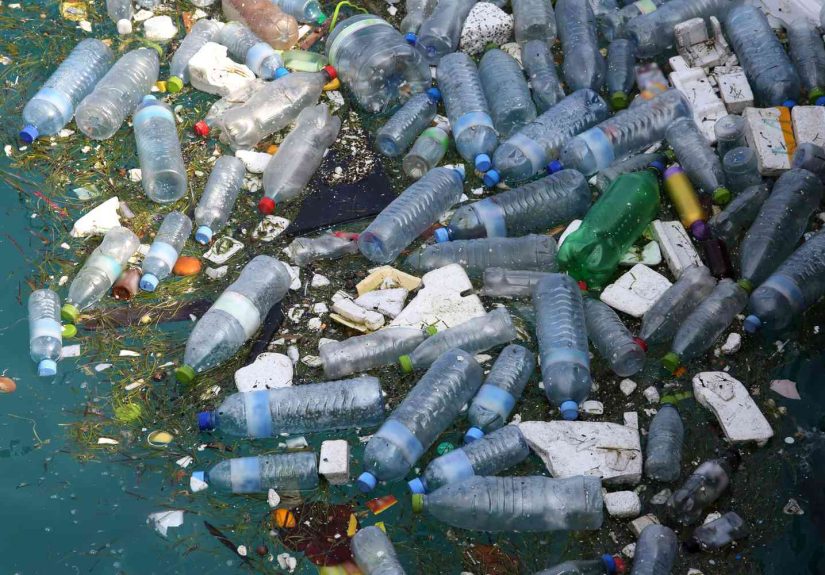
Plastic pollution is often treated as a visual nuisanceuntil you look at the invoices. Cleanup is expensive, and plastic debris can reduce the attractiveness
of beaches and waterways, affecting tourism and local spending. It can also harm marine life and fishing-related businesses.
From an economic perspective, plastic pollution creates “negative value” in at least three ways:
(1) direct cleanup costs, (2) lost revenue from reduced recreation and tourism, and (3) damage to ecosystems that support fisheries and coastal protection.
Climate Pollution: The Economy Pays for Heat, Floods, Fires, and Storms
Greenhouse gases aren’t “toxic” in the same way as lead or ozone, but they amplify risks that create very real financial damages.
Federal agencies use tools like the “social cost of greenhouse gases” to estimate the economic harms caused by an additional ton of emissions
across health, agriculture, and property damages over time.
Meanwhile, actual damages are tracked through costly disaster data. The U.S. has recorded hundreds of billion-dollar weather and climate disasters since 1980,
and recent years have seen a higher annual pace than the long-term average. That translates into destroyed infrastructure, business interruption,
higher insurance premiums, and growing public spending on recovery.
How Pollution Hurts the Economy: The 6 Main Pathways
- Healthcare spending: More ER visits, hospitalizations, medication, chronic disease management, and long-term care.
- Lost productivity: Missed workdays, reduced performance, and higher workplace risk during pollution events.
- Lower human capital: Pollution exposure can affect child development and lifelong earning potential (especially with neurotoxins like lead).
- Agriculture and food losses: Ozone and climate-driven impacts can reduce crop yields and increase volatility in food prices.
- Property value and local tax base hits: Polluted areas often see reduced desirability and higher infrastructure costs.
- Disaster and adaptation costs: More spending on recovery, resilience upgrades, and insuranceplus the economic shock of disrupted communities.
What Actually Works: Reducing Pollution Without Wrecking the Economy
The idea that the economy must “choose” between prosperity and cleaner air/water is a false tradeoff in many cases. A practical approach focuses on
“high-return” interventionssteps where the benefits exceed the costs.
High-impact strategies
- Cleaner energy and transport: Reduced combustion lowers PM2.5 and ozone-forming emissions.
- Industrial controls and monitoring: Modern pollution controls + enforcement reduce chronic exposure hotspots.
- Nutrient management in agriculture: Precision fertilizer use, buffer strips, and improved manure handling reduce runoff.
- Infrastructure upgrades: Lead service line replacement, PFAS treatment where needed, and stormwater improvements protect drinking water.
- Waste reduction: Less plastic leakage through better collection, recycling where effective, and product redesign.
The “win” is not just cleaner environments. It’s fewer sick days, safer work, steadier crop yields, more reliable water systems, and communities that remain
functional when extreme events hit.
Conclusion
Pollution is a health issue, an environmental issue, andwhether we like it or notan economic issue. It raises costs, reduces productivity, damages natural
assets that support local businesses, and increases the bill for disaster recovery and infrastructure repair. The good news is that pollution is not mysterious.
We know the major causes, we can measure impacts, and many solutions create net benefits when you account for health and productivity.
If you want a simple summary, here it is: pollution is expensive. Cleaning it up costs money toobut ignoring it often costs more, for longer,
and in ways that are harder to see until the invoice shows up.
Experiences: Real-Life Ways Pollution Shows Up (and Messes With Money)
1) The “Smoky Summer” warehouse shift. A logistics manager in the West remembers the week the sky turned orange and everyone started
checking air-quality apps like they were stock tickers. The company didn’t shut down entirely, but the operation changed: more breaks, more indoor staging,
fewer outdoor tasks, and a noticeable rise in minor mistakes. Nothing cinematicjust lots of small “oops” moments: mislabeled pallets, missed scans,
slower loading times. That’s what pollution does in real workplaces: it turns normal operations into friction. The manager later joked, “It felt like the air
was charging us a convenience fee.” But it wasn’t funny when overtime costs rose, deadlines slipped, and a couple of workers filed injury claims for strains
that happened during the haze. The air didn’t just affect lungsit affected focus, coordination, and the pace of work. Multiply that by thousands of worksites,
and you start to see why air pollution is an economic variable, not just a weather complaint.
2) The lake that lost its “summer vibe.” A small lakeside town built its identity on one thing: people showing up with coolers, kayaks,
and a strong belief that flip-flops count as formalwear. Then algae blooms became more common. First came the smell. Then the warnings. Then the cancellations.
A local café owner watched weekend traffic fall off in a way that didn’t match the weather forecast. “Sunny and 85” should have meant a line out the door,
but the parking lot stayed half-empty. The town scrambledposting updates, testing water, debating what to do next. Meanwhile, businesses took the hit:
fewer rentals, fewer boat slips sold, fewer impulse purchases of ice cream the size of a bowling ball. The costs weren’t limited to lost revenue, either.
Residents noticed higher water bills after treatment upgrades. That’s the double-whammy of water pollution: it can reduce income and increase expenses
at the same time. It’s like paying extra for a product you enjoy less.
3) The “quiet” lead problem in an older neighborhood. In a city with lots of pre-1980 housing, a family moved into a charming older home:
big trees, creaky floors, and the kind of “character” real estate agents speak about in soothing tones. Everything seemed fine until they learned their
neighborhood was part of a lead service line replacement area. Suddenly, “water” became a topic of daily strategy. They bought certified filters, used cold water
only for cooking, and started reading utility notices with the intensity of people decoding spy messages. The parents weren’t just worried about health;
they were worried about budgetsfilters cost money, bottled water costs money, plumbing work costs money, and time off work for appointments costs money.
The most frustrating part was that the problem didn’t feel like a dramatic emergency. It felt like a slow, expensive, anxiety-inducing background app running
24/7. That’s how pollution often operates: not as a single crisis, but as a persistent burden that drains attention and resourcesespecially for families
who can least afford surprises.
4) The farmer’s “invisible” yield hit. Out in farm country, air pollution doesn’t always look like a smokestack. Sometimes it’s just
a hot, sunny stretch that helps ground-level ozone form. A grower recalls comparing two fields that “should have” performed similarly. Same seed, same soil
type, same timingyet one consistently underperformed. Agronomy conversations eventually turned toward air quality and plant stress. Crops don’t need to be
coated in soot to be affected; ozone can weaken photosynthesis and reduce productivity. The economic impact wasn’t just the final yield number.
It was the uncertainty: planning gets harder when output quietly dips for reasons outside the fence line. And that uncertainty spills into contracts,
equipment purchases, and labor planning. Pollution isn’t only a damage event; it’s a volatility eventand markets hate volatility.
Put all these experiences together and the theme is clear: pollution changes decisions. It changes how people work, where they travel, what they spend,
and what risks they carry. That’s why the “effects of pollution on the economy” aren’t abstractthey’re a collection of everyday, practical disruptions
that add up into real dollars.