Table of Contents >> Show >> Hide
- What Are Pustules, Exactly?
- How Pustules Form (The 30-Second Science)
- Common Causes of Pustules (And How to Tell Them Apart)
- 1) Acne (Including Pustular Acne)
- 2) Folliculitis (Inflamed or Infected Hair Follicles)
- 3) Impetigo (Superficial Bacterial Skin Infection)
- 4) Abscesses and Boils (Deeper Pus Pockets)
- 5) Pustular Psoriasis (Inflammatory, Sometimes Serious)
- 6) Viral Rashes That Can Become Pustular
- 7) Secondary Infection of Eczema or Contact Dermatitis
- Treatments: What Actually Helps (And What Makes It Worse)
- When to See a Doctor
- Prevention: Keeping Pustules From Coming Back for an Encore
- Conclusion
- Real-Life Experiences With Pustules (500+ Words)
Medical info note: This article is for general education and doesn’t replace care from a licensed clinician. If a rash is spreading fast, very painful, near your eyes, or comes with fever, get medical help.
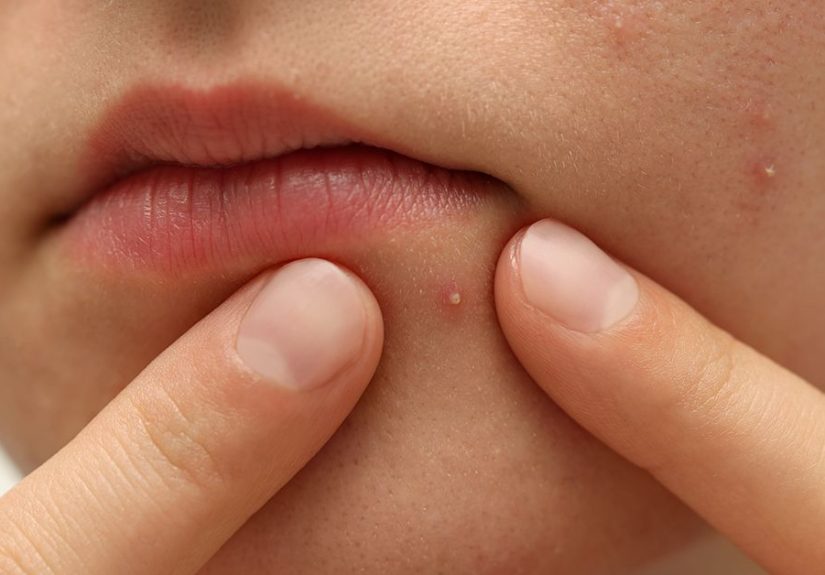
Pustules are like tiny, angry snow globes on your skin: a small dome with cloudy “stuff” inside, surrounded by redness that basically says, “Do not touch me.” (And yes, your fingers will immediately want to touch them. Humans are predictable.)
A pustule is a small, inflamed, pus-filled bump on the skin. They can show up with acne, an irritated hair follicle, bacterial skin infections, or certain inflammatory skin diseases. And here’s the twist: that “pus” isn’t always a sign of a contagious infectionsometimes it’s mostly inflammation and immune cells doing a loud cleanup job.
What Are Pustules, Exactly?
Dermatology has a whole vocabulary for bumps (because skin loves variety). Knowing the terms helps you describe what you seeespecially when you’re trying to explain it on a telehealth call where everything looks like a pixelated potato.
- Pustule: a raised bump with visible white/yellow fluid (pus), usually on a red base.
- Papule: a small, solid bump (no visible fluid).
- Vesicle: a small blister with clear fluid.
- Nodule/cyst: a deeper, larger lesion that can be tender.
- Abscess/boil: a deeper pocket of pus; often painful, warm, and swollen.
In real life, these can blend together. A “pimple” might start as a papule, become a pustule, andif irritated or squeezedturn into something deeper. Your skin is basically a drama writer who refuses to edit.
How Pustules Form (The 30-Second Science)
Most pustules happen when a pore or hair follicle gets blocked or irritated. Inflammation ramps up, white blood cells rush in, and the resulting mix of immune cells, skin debris, oil, and sometimes microbes creates the pus you see.
Key point: Pus does not automatically mean “contagious.” In conditions like pustular psoriasis, pustules can be “sterile” (inflammation-driven). In conditions like impetigo or folliculitis, pustules can be contagious and spread through close contact or shared items.
Common Causes of Pustules (And How to Tell Them Apart)
Think of pustules as a symptom, not a diagnosis. The best clues are the location, the pattern, and what else is going on (itch, pain, fever, crusting, recurrence).
1) Acne (Including Pustular Acne)
Acne is the celebrity of pustules: it shows up everywhere, refuses to leave, and has opinions about your confidence. Acne pustules form when pores clog with oil and dead skin, inflammation increases, and bacteria inside the follicle can contribute.
- Look: white/yellow-topped pimples with redness; often mixed with blackheads/whiteheads, papules, or deeper nodules.
- Where: face, chest, shoulders, back.
- Common triggers: hormones, occlusive products, friction (“maskne”), stress, sweating, and some medications.
2) Folliculitis (Inflamed or Infected Hair Follicles)
Folliculitis often looks like acne, but the bumps are more “follicle-focused”pustules sit right where hairs come out. It can be caused by bacteria (often Staphylococcus), irritation, “hot tub” exposure (often Pseudomonas), or yeast (like Malassezia).
- Look: small pustules or red bumps centered on hair follicles; can be itchy or tender.
- Where: beard area, scalp, thighs, buttocks, back.
- Clue it might be yeast folliculitis: lots of similar-looking itchy bumps on chest/back/shoulders that don’t respond to typical acne meds.
3) Impetigo (Superficial Bacterial Skin Infection)
Impetigo is common in children but can affect anyone. It often starts as small bumps that become pustules, then break and form classic honey-colored crusts. It spreads easily through close contact and scratching.
- Look: pustules that rupture and crust; may ooze.
- Where: around the nose and mouth, arms, legs.
- Contagious: yesavoid sharing towels/linens; keep lesions covered.
4) Abscesses and Boils (Deeper Pus Pockets)
When pus collects deeper in or under the skin, you may get an abscess (or boil). These are often painful, warm, swollen, and may throb. They can start from a blocked follicle, a small wound, or a bacterial infection.
- Look/feel: larger, firm, painful lump; skin may be hot and red.
- Why not DIY drainage: squeezing can worsen infection, increase scarring, and spread bacteria.
5) Pustular Psoriasis (Inflammatory, Sometimes Serious)
Pustular psoriasis can mimic infection, but many pustules are sterile (inflammation-driven). Some formsespecially generalized pustular psoriasiscan be medically urgent and may involve fever, chills, dehydration, or a rapid pulse.
- Look: pus-filled bumps on red, inflamed skin; may be painful and widespread.
- Contagious: no.
- Take seriously: widespread pustules + systemic symptoms = prompt medical evaluation.
6) Viral Rashes That Can Become Pustular
Some viral rashes evolve through stages. For example, chickenpox (varicella) typically progresses from spots to bumps to blisters and then crusts; lesions may be in different stages at the same time. In some cases, lesions can become cloudy or pustular before crusting.
7) Secondary Infection of Eczema or Contact Dermatitis
If you have eczema or contact dermatitis and scratch it enough, bacteria can enter and cause infection on top of the rash. That can add pustules, oozing, or crusting to an already itchy situation.
- Clues: intense itch; rash after exposure to a trigger (fragrance, nickel, plants, cleaning products).
- Watch for: worsening redness, warmth, swelling, pus, or yellow crusts.
Treatments: What Actually Helps (And What Makes It Worse)
The “Don’t Make It Angry” Rules
- Don’t squeeze or pick. You can push inflammation deeper and increase scarring.
- Don’t share razors, towels, makeup, or helmets.
- Don’t scrub like you’re sanding furniture. Gentle wins.
Safe Home Care for Many Mild Pustules
- Warm compress: 10–15 minutes, 2–4 times daily to ease tenderness and encourage natural drainage.
- Gentle cleansing: mild cleanser; avoid harsh alcohol-based toners.
- Cover and protect: a hydrocolloid patch can reduce picking and protect the lesion (best for superficial acne-type pustules).
- Hands off: your nail beds are not sterile instruments.
OTC Treatments (Best for Acne-Type Pustules)
If your pustules look like acne, a simple routine beats a chaotic product buffet:
- Benzoyl peroxide (wash or gel): helps reduce bacteria and inflammation; can bleach towels and shirts (RIP favorite hoodie).
- Adapalene (topical retinoid): helps prevent clogged pores over time; start 2–3 nights/week and build up as tolerated.
- Salicylic acid: helps exfoliate inside pores and calm congestion.
Pro tip: moisturize and use sunscreen. Irritated skin often gets worse breakouts and worse discolorationbecause skin can be petty like that.
Prescription Treatments (When OTC Isn’t Cutting It)
A clinician may recommend:
- Topical antibiotics (often paired with benzoyl peroxide for acne to help reduce antibiotic resistance).
- Oral antibiotics for more inflammatory acne or widespread bacterial folliculitis (short courses when appropriate).
- Hormonal treatments for acne in appropriate patients (for example, certain oral contraceptives or spironolactone).
- Isotretinoin for severe, scarring acne (requires careful monitoring).
Cause-Specific Treatment Quick Guide
- Acne / pustular acne: benzoyl peroxide + retinoid + gentle moisturizer + sunscreen; escalate if persistent or scarring.
- Bacterial folliculitis: reduce friction, shower after sweating, avoid shaving triggers; persistent cases may need prescription antibiotics.
- Yeast (Malassezia) folliculitis: often responds better to antifungal treatments than classic acne medsask a clinician about this pattern.
- Impetigo: antibiotics are typically needed; keep lesions covered, clean gently, and avoid sharing linens.
- Abscess/boil: don’t attempt DIY drainage; incision and drainage may be needed, sometimes with antibiotics.
- Pustular psoriasis: medical evaluation is important; severe/widespread forms can be urgent.
- Viral rashes: supportive care and isolation guidance may applyespecially if contagious is a concern.
When to See a Doctor
Get medical care promptly if you notice any of the following:
- Fever, chills, or feeling generally ill
- Rapidly spreading redness, red streaks, or significant swelling
- Severe pain, warmth, or a firm enlarging lump (possible abscess)
- Pustules near the eyes, on genitals, or in infants
- Immunosuppression, diabetes, or frequent/recurrent skin infections
- Widespread pustules, especially with systemic symptoms
Prevention: Keeping Pustules From Coming Back for an Encore
- Clean skin after sweating; change out of tight, damp clothes promptly.
- Use non-comedogenic products on acne-prone areas; avoid heavy occlusive oils if you break out on the face/back.
- Don’t share personal items (razors, towels, makeup).
- Wash pillowcases and face towels regularly; wipe down phone screens.
- For shaving-related pustules: use sharp blades, shave with the grain, use a soothing fragrance-free product afterward.
- Protect your skin barrier: moisturizer isn’t “extra,” it’s preventionespecially if you use actives like benzoyl peroxide or retinoids.
Conclusion
Pustules can be annoying, uncomfortable, and occasionally a sign that you need medical carebut they’re also very often treatable once you identify the cause. Focus on what the lesion looks like, where it appears, and what other symptoms you have. Treat gently, avoid picking, and escalate to professional care when the pattern suggests infection, severe inflammation, or systemic illness.
Your skin is trying to communicate. You don’t have to answer by yelling back.
Real-Life Experiences With Pustules (500+ Words)
If you’ve ever had pustules appear right before something importantwedding, job interview, first date, “camera-on” meetingyou already know: the timing is never random. It’s personal. People often say the bump is only half the problem. The other half is the mental soundtrack: “Everyone can see this.” “Is it infected?” “Is it going to scar?” That stress can trigger the most common mistake of all: panic-treatment.
Panic-treatment usually looks like this: you throw five new products at your skin in 48 hours, scrub harder “to clean it out,” and then wonder why everything is redder, drier, and somehow still bumpy. (Skin is not a dirty dish. You can’t soak it in detergent and call it a day.) Many people say the turning point is switching from “more” to “consistent”: one gentle cleanser, one or two proven actives, moisturizer, sunscreen, repeat. It feels almost too simple, but irritation can keep pustules hanging around longer, and over-stripping can make your skin produce more oil (because it’s trying to defend itself). In other words: the “nuke it” strategy often backfires.
With acne-type pustules, there’s a very specific emotional trap: the white tip. It feels like a finish line. People describe standing at the mirror like they’re negotiating with a tiny enemy: “If I just squeeze it, I’ll be free.” The next day, instead of being smaller, it’s angrierand sometimes deeper. Squeezing can rupture the follicle wall and push inflammation into surrounding tissue, turning a quick-healing pustule into a longer-lasting nodule. Later comes the “souvenir”: post-inflammatory dark marks (especially in deeper skin tones) or a small scar that sticks around long after the drama is over. Many people say the biggest mindset change is learning that “not touching” is an actual treatmentnot just a moral challenge.
Folliculitis has its own everyday-life pattern. People often notice it after shaving, after wearing tight leggings, after sitting in sweaty clothes too long, or after a hot tub weekend that was supposed to be relaxing (plot twist). It can feel unfairlike your skin is punishing you for having hair follicles (rude). Small habit changes can make a real difference: switching to looser, breathable fabrics; changing out of workout clothes quickly; washing gently after sweating; and using a clean razor or an electric trimmer to reduce irritation. Some people also notice their bumps are very uniform and very itchyless like classic acne and more like yeast folliculitisso the usual acne routine doesn’t help until the approach changes.
Infectious pustules, like impetigo, add a practical layer: contagion management. Parents often describe the routine as half skincare, half household logisticslaundering bedding, clipping nails, reminding kids not to scratch, and covering lesions so they don’t spread at school or daycare. Once treatment starts and there’s a plan (clean gently, apply the medication exactly as directed, cover, wash hands), anxiety tends to drop because there’s finally something concrete to do. Adults dealing with recurrent boils or abscesses often describe a different frustration: “Why does this keep coming back?” In those cases, a clinician might look for friction, shaving, close-contact spread in a household, or skin conditions that make infection more likely.
Then there are the “mystery pustules,” where people bounce between “It’s acne,” “It’s an allergy,” and “Did I catch something from a gym mat?” The most helpful lesson is also the least dramatic: patterns beat guesses. Location, timing, itch versus pain, whether hairs are involved, and what changed recently (new products, new medications, travel, friction, hot tubs, shaving) often solves the mystery faster than doom-scrolling images online at 2 a.m. Many people find it surprisingly helpful to jot down those details or snap a photo every few days so they can actually see whether things are improvingbecause skin changes are slow and brains are impatient.
If there’s a universal truth in people’s stories, it’s this: skin rewards patience. Whether you’re dealing with pustular acne, folliculitis, or dermatitis that got infected, improvement is usually measured in weeks, not hours. A steady routine, gentle care, and knowing when to tap in a clinician beats mirror-fighting every time.