Table of Contents >> Show >> Hide
- What Is Radiofrequency Microneedling?
- Who Is a Good Candidateand Who Should Hit Pause?
- The RF Microneedling Procedure: What Happens During a Session?
- Results Timeline: When Will You See a Difference?
- RF Microneedling Aftercare: What to Do (and Not Do)
- Side Effects and Risks: What’s Normal vs. What’s Not
- Cost of Radiofrequency Microneedling in the U.S.
- How to Choose a Provider (AKA How to Avoid the “Oops” Story)
- Conclusion
- Experiences: What People Commonly Feel and Notice (About )
If regular microneedling is the “tiny needles, big dreams” treatment, radiofrequency microneedling (often shortened to
RF microneedling) is microneedling with a little extra ambition: it pairs controlled needle punctures with
radiofrequency (RF) heat delivered into the skin to encourage collagen remodeling and tightening.
Think of it as telling your skin, “We’re renovatingplease produce new support beams,” and then handing it a blueprint.
This guide covers what RF microneedling is, who it helps, what a typical session looks like, how to care for your skin afterward,
what side effects to expect (including rare serious ones), and what it can cost in the U.S. (spoiler: it’s not usually a “two iced coffees” situation).
What Is Radiofrequency Microneedling?
RF microneedling uses a device with tiny needles (or needle-like electrodes) that briefly enter the skin at a chosen depth.
Once the needles are in position, the device delivers radiofrequency energy that creates heat in targeted tissue.
The goal is to trigger a wound-healing response (collagen and elastin production) and, depending on settings and device design,
encourage firmer texture and smoother-looking scars or lines.
RF Microneedling vs. Traditional Microneedling
- Traditional microneedling creates micro-channels to stimulate collagen and improve texture over time.
- RF microneedling adds heat-based remodeling, which may improve tightening and deeper collagen changeswhen used appropriately.
What Concerns Can It Help?
Providers commonly use RF microneedling for:
- Acne scars (especially atrophic/indented scars)
- Fine lines and crepey texture
- Enlarged pores and uneven texture
- Mild to moderate skin laxity (early “things-are-heading-south” vibes)
- Stretch marks and some types of scarring (case-dependent)
Important reality check: RF microneedling isn’t a face lift, and it’s not a one-and-done magic wand.
It can be a strong “incremental improvement” toolespecially as part of a broader plan.
Who Is a Good Candidateand Who Should Hit Pause?
Good candidates often include people who:
- Want gradual improvement in acne scarring, texture, or early laxity
- Prefer minimal downtime compared with more aggressive resurfacing procedures
- Can commit to a series of treatments (results are cumulative)
- Have stable skin (for example, acne controlled before treating scars)
You may need to postpone or avoid RF microneedling if you have:
- Active skin infection (including cold sores in the treatment area unless you’re on an appropriate preventive plan)
- Uncontrolled inflammatory acne in the area being treated
- A history of poor wound healing or certain scarring tendencies (talk through risk carefully)
- Recent isotretinoin use (many clinics use a waiting periodask your clinician for their protocol)
- Implanted electronic devices or other contraindications depending on device and anatomy
- Pregnancy (often deferred for elective cosmetic procedures)
Bottom line: the “best candidate” is less about your age and more about your skin goals, medical history,
and whether the provider can safely choose settings and technique for you.
The RF Microneedling Procedure: What Happens During a Session?
Exact steps vary by office and device, but a typical appointment looks like this:
1) Consultation and treatment plan
Your provider should examine your skin, discuss what you want to improve, and confirm you’re a reasonable candidate.
This is also where you should ask about the device being used, expected downtime, how many sessions are recommended,
and what risks matter most for your skin type and history.
2) Prep: clean skin + numbing
The treatment area is cleansed thoroughly. Most practices apply a topical anesthetic (numbing cream)
and let it sit for a set period so you’re more comfortable.
Some offices offer additional comfort options (like vibration, cooling, orrarelymedication), depending on the area and intensity.
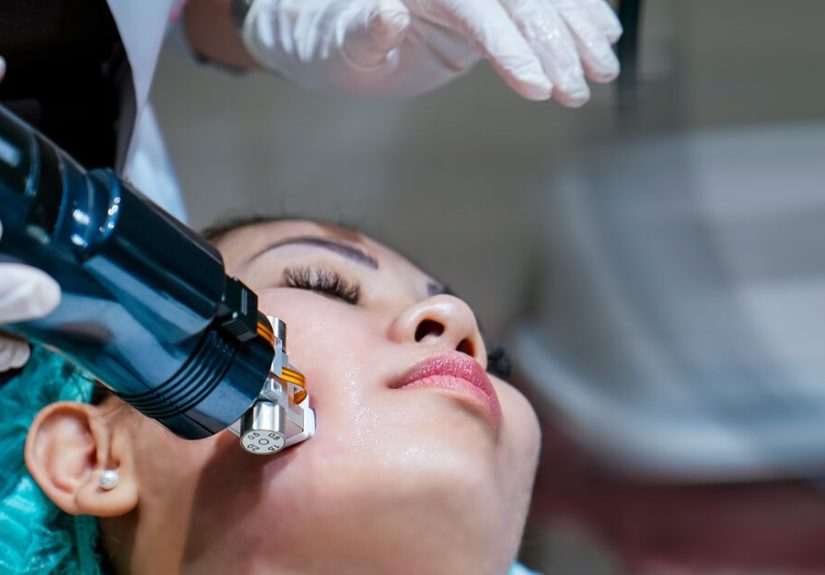
3) The treatment itself (the “stamp-and-zap” part)
The provider glides or stamps the device across targeted zones.
The device places needles into the skin at a specified depth; RF energy is delivered at or near the needle tips (device-dependent).
You may feel pressure, prickling, heat, or a “spicy rubber band” sensationespecially in bony areas like the forehead or jawline.
4) Immediate post-treatment care
Afterward, many providers apply soothing products (often bland hydrators) and review aftercare.
Your skin typically looks flushedlike you speed-walked through a sauna while thinking about taxes.
How long does it take?
Many sessions run 30–60 minutes (often longer when you include numbing time, multiple areas, or higher-intensity protocols).
Results Timeline: When Will You See a Difference?
RF microneedling results tend to show up in phases:
- Immediately: swelling can make skin look temporarily “plumper.” Enjoy it responsibly.
- 2–6 weeks: early collagen remodeling can start to show as improved texture or firmness.
- 2–3 months: many people notice more meaningful changes as collagen continues to rebuild.
- Best results: often after a series of treatments rather than a single session.
Many protocols recommend multiple sessions spaced about a month or more apart. Your plan should be individualized:
acne scarring often needs several rounds; mild tightening may also require a series plus maintenance.
RF Microneedling Aftercare: What to Do (and Not Do)
Aftercare matters because your skin has thousands of tiny micro-channels and is temporarily more sensitive.
The goal is simple: calm, protect, and avoid irritation.
Always follow your clinician’s specific instructions first, but the guidance below reflects common, safety-minded recommendations.
The first 24 hours: “Hands off, skincare on easy mode”
- Keep it clean and gentle. If instructed, cleanse with a mild, fragrance-free cleanser.
- Skip makeup for at least 24 hours (often 24–48 hours).
- Avoid sweaty workouts, saunas, hot yoga, and anything that turns your face into a humid climate experiment.
- Don’t pick or scrub. Your skin is healing; let it do its job.
- Avoid active ingredients unless your provider specifically recommended them (no “let’s test a new acid tonight”).
Days 2–7: protect the barrier
- Moisturize with bland, barrier-supporting products (think simple hydrators, not “tingly miracle serums”).
- Sun protection is non-negotiable. Use broad-spectrum SPF and minimize direct sun exposure.
- Avoid retinoids, exfoliating acids, harsh scrubs, and alcohol-heavy toners for about a week (sometimes longer depending on intensity).
- Hold off on pools, hot tubs, and open-water swimming until skin has calmed and your clinician says it’s fine.
When can you return to your normal routine?
Many people resume “regular life” quicklyoften within a day or twothough redness, dryness, or a sandpapery texture can linger.
The more aggressive the settings and the more sensitive your skin, the longer your “recovery personality” may stick around.
Red flags: when to call your provider
Contact your clinician promptly if you notice worsening pain, increasing warmth, pus, fever, spreading redness,
blistering, or symptoms that feel out of proportion to “typical irritation.”
Side Effects and Risks: What’s Normal vs. What’s Not
Most side effects are temporary and manageable, but RF microneedling is still a medical procedure. “Minimally invasive”
doesn’t mean “risk-free.”
Common short-term side effects
- Redness (often looks like a mild to moderate sunburn)
- Swelling (especially under the eyes or around the mouth)
- Warmth, tightness, or sensitivity
- Pinpoint bleeding during treatment and mild bruising afterward
- Dryness or flaking for a few days
Less common but important risks
- Post-inflammatory hyperpigmentation (PIH), especially if aftercare and sun protection are poor
- Infection (rare, but possiblesterile technique and good aftercare matter)
- Scarring (rare, but possible)
- Herpes simplex flare in people prone to cold sores (preventive medication may be considered)
Serious complications (rare, but documented)
The U.S. FDA has specifically warned about reported serious complications with certain uses of RF microneedling devices,
including burns, scarring, fat loss, disfigurement, and nerve damage, sometimes requiring medical or surgical intervention.
This is why provider training, appropriate device use, and realistic expectations matter so much.
Cost of Radiofrequency Microneedling in the U.S.
RF microneedling cost varies widely based on location, provider credentials, device type, treatment area, and how many sessions you need.
In the U.S., a single session can commonly fall somewhere in the mid-hundreds to low-thousands,
with packages often priced for multi-session plans.
What affects price?
- Treatment area: full face vs. face + neck vs. body areas
- Device and consumables: certain platforms and tip designs can be more expensive
- Provider expertise: board-certified specialist offices often cost more (and may be worth it)
- Geography: major metros typically cost more than smaller markets
- Number of sessions: most people need a series for meaningful change
- Add-ons: topical growth-factor products, LED, or combination treatments may increase cost
Budgeting tip (that doesn’t feel like budgeting)
Ask for the total plan cost (series + any recommended maintenance), not just the per-session price.
A lower per-session number can be misleading if the plan requires more sessionsor if the settings are so conservative
that results are underwhelming.
How to Choose a Provider (AKA How to Avoid the “Oops” Story)
Because RF microneedling combines needles and heat, operator skill matters. Here’s what to look for:
- Medical credentials and oversight: seek a licensed, trained professional; many people prefer a board-certified dermatologist for device-based facial procedures.
- Device transparency: ask what device is being used and why it fits your concern.
- Skin-type experience: especially important for people prone to pigmentation changes.
- Clear risk discussion: reputable clinics don’t pretend complications are impossible.
- Clean, consistent protocols: sterile technique, documented aftercare, and follow-up options.
And yes, it’s okay to ask, “What do you do if someone has a complication?” A confident provider will answer calmly,
because they’ve planned for itlike adults do.
Conclusion
Radiofrequency microneedling can be a powerful tool for improving acne scars, texture, and early laxity with relatively manageable downtime.
But it’s not “just a facial,” and it’s not risk-freeespecially because heat-based devices can cause serious complications when used improperly.
If you’re considering RF microneedling, the best investment isn’t only the treatmentit’s choosing a qualified provider,
following aftercare like it’s your job, and setting expectations for gradual, cumulative change rather than instant perfection.
Experiences: What People Commonly Feel and Notice (About )
People’s RF microneedling experiences vary, but there are some common patterns that show up again and againkind of like the
universal experience of thinking, “This will be fine,” and then realizing numbing cream is your new best friend.
During treatment, many patients describe the sensation as pressure plus heat. On fleshy areas of the cheeks, it may feel
more like intense vibration or stamping. On bony areas (forehead, jawline), the same settings can feel sharperless
“spa day,” more “I am bravely paying for collagen.”
Immediately after, the mirror moment is usually dramatic but temporary: redness is common, and the skin can look swollen or puffy.
Some people compare it to a sunburn; others say it’s like they did a hard workout and then forgot sunscreen existed.
If the provider used deeper settings, you might see small grid-like impressions or pinpoint marks for a day or two.
Most patients report that the first night feels tight and warmlike the skin is mildly “throbbing,” though not necessarily painful.
A gentle moisturizer often becomes the MVP at this stage.
Day two is where experiences split. Some people wake up noticeably calmer and can go about their life with only mild pinkness.
Others still look flushed, especially if they treated the neck or used more aggressive parameters. Makeup timing is also variable:
plenty of patients feel comfortable applying mineral makeup at the 24–48 hour mark, while others wait longer because the skin feels too sensitive.
A common surprise is how “dry” the skin can feel for a few daysalmost like it’s asking you to stop auditioning new serums and
instead offer plain hydration and quiet respect.
Over the next week, many people report a rougher texture or light flakingespecially around the mouth and chin.
This phase can be annoying, but it’s often temporary. Patients who follow simple aftercare (gentle cleansing, barrier moisturizers,
strict sunscreen) tend to describe a smoother recovery than those who jump back into strong actives too quickly.
Another frequently shared experience: the temptation to “help” flaking skin by exfoliating. Don’t. Most people who try it
learn the same lessonyour skin will file a complaint.
In terms of results, the most common feedback is that improvements are gradual. Patients often notice early changes in how makeup sits
(smoother texture, slightly smaller-looking pores) before they notice bigger changes like scar softening or tightening.
People treating acne scars commonly say the first session looks promising but not life-changing; the “wow” tends to build after
the second or third session, when collagen remodeling has had time to accumulate.
The happiest patients usually share one trait: they expected progress, not perfectionand they chose a provider who treated
their face like anatomy, not a trend.