Table of Contents >> Show >> Hide
- First, a quick AFib refresher (because the heart sets the stage)
- Why your brain cares about your heart rhythm
- So what does “rapid dementia onset” really mean in this context?
- What research suggests about women with AFib and faster cognitive decline
- How AFib could affect the brain (the “how does this happen?” section)
- Why women may be hit harder: biology + healthcare realities
- What you can do if you have AFib (or think you might)
- When to seek urgent help (please don’t “wait it out”)
- Big picture: protecting the heart protects the brain
- Conclusion: What to remember (and what not to panic about)
- Experiences and Stories Women Often Share (and What They Teach Us)
If your heart had a playlist, atrial fibrillation (AFib) would be that one track that starts as “smooth jazz”
and suddenly turns into “pots-and-pans percussion.” It’s common, it’s often sneaky, and it’s a big deal because AFib
can raise stroke risksometimes without warning signs. But there’s another angle getting more attention lately:
brain healthespecially in women.
Emerging research suggests that women with AFib may be more likely to experience cognitive impairment and may progress
faster from normal thinking to mild cognitive impairment (MCI) or dementia than women without AFib (and, in some studies,
faster than men with AFib). That doesn’t mean AFib “causes” dementia overnight. It does mean AFib can be one more
important piece in the heart-brain puzzleone you don’t want to ignore.
First, a quick AFib refresher (because the heart sets the stage)
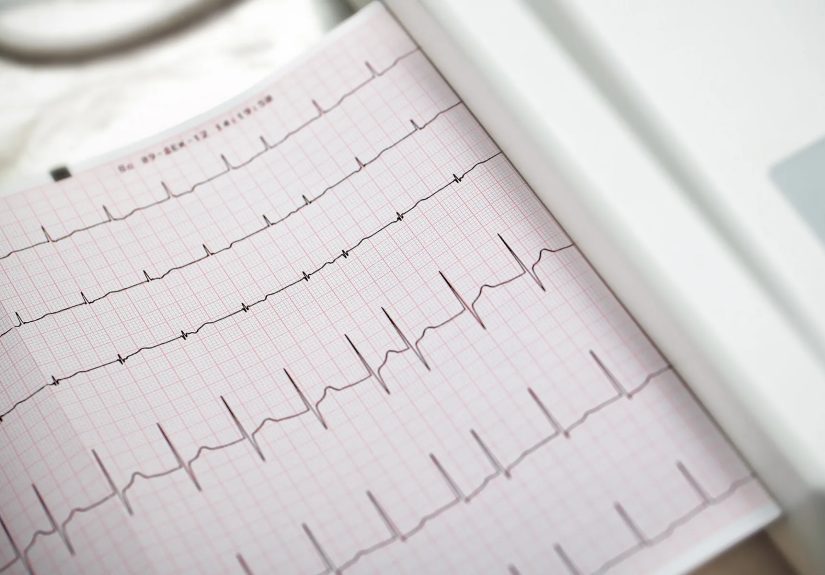
AFib is an irregular, often rapid heart rhythm that starts in the top chambers of the heart (the atria). Instead of
squeezing in a coordinated way, the atria quiver. That quivering can allow blood to pool and form clots. If a clot
travels to the brain, it can cause an ischemic stroke.
Why AFib sometimes flies under the radar
Some people feel palpitations, shortness of breath, fatigue, dizziness, or chest discomfort. Others feel… basically
nothing. AFib can be discovered during a routine exam, a smartwatch alert, or after a strokean extremely rude way to
meet your diagnosis.
Why your brain cares about your heart rhythm
Dementia isn’t one single disease. It’s an umbrella term for conditions that affect memory, thinking, and daily function.
Alzheimer’s disease is the most common, while vascular dementia (and “mixed dementia”) often involves blood-flow problems
in the brain.
AFib matters here because it’s strongly tied to strokeand stroke is one of the clearest “fast tracks” to cognitive
decline. But research increasingly suggests the AFib–brain connection may exist even when someone has never been
diagnosed with a stroke.
So what does “rapid dementia onset” really mean in this context?
The phrase can sound like a horror-movie trailer (“Coming soon: Your Calendar App Stops Making Sense!”). In research,
it’s usually not about dementia appearing overnight. It’s more about faster progression:
- Higher likelihood of starting with subtle cognitive issues (like MCI)
- More rapid movement from normal cognition to MCI or dementia over years, not days
- More “step-like” declines if silent strokes or small vessel damage are involved
A key point: these studies show an association, not proof that AFib alone causes dementia. AFib often
travels with other risk factorshigh blood pressure, diabetes, sleep apnea, obesity, and vascular diseasethat also
affect brain health. Still, the pattern in women is hard to shrug off.
What research suggests about women with AFib and faster cognitive decline
Several large observational studies and reviews link AFib to increased risk of cognitive impairment and dementia.
More recent work looking specifically at sex differences suggests women with AFib may be at higher risk of MCI
and dementia and may experience more rapid cognitive disease progression than women without AFib.
Why might women show a stronger connection in some studies? It could be biology, it could be care patterns, or (most
likely) it’s a cocktail of factorsserved with a twist of “we didn’t study women well enough for decades, and now
we’re catching up.”
A reality check (that is still empowering)
If you’re a woman with AFib, this doesn’t mean dementia is inevitable. It means your heart rhythm is one more reason
to take prevention seriouslybecause there are proven ways to reduce stroke risk, manage AFib symptoms, and improve
overall cardiovascular health, which is also brain health.
How AFib could affect the brain (the “how does this happen?” section)
1) Overt strokes (the obvious villain)
AFib-related clots can trigger ischemic strokes, and strokes can cause sudden cognitive changes or stepwise decline.
Strokes tied to AFib are often more severe, which can raise the odds of long-term disability and cognitive problems.
2) Silent strokes and microinfarcts (the villain wearing socks)
Not every stroke announces itself with flashing lights. Small clots can cause tiny areas of brain injury without
noticeable symptomsuntil you add them up over time. Those “silent” injuries can affect memory, processing speed,
and executive function (planning, organizing, decision-making).
3) Reduced cerebral blood flow (the brain running in low-power mode)
AFib can reduce cardiac efficiency. If the heart isn’t pumping smoothly, the brain may receive less consistent blood flow.
Chronic under-delivery of oxygen and nutrients isn’t a great long-term strategy for sharp thinking.
4) Inflammation and vascular damage (the slow-burn storyline)
AFib is associated with inflammatory and vascular changes that may contribute to small vessel disease in the brain.
Small vessel damage is a common driver of vascular cognitive impairment and can also worsen Alzheimer’s pathology.
5) Bleeding risk and microbleeds (the complicated subplot)
Because AFib raises stroke risk, many patients use anticoagulants (“blood thinners”) to prevent clots. These medicines
save livesbut they can also increase bleeding risk. Researchers continue to study how microbleeds and anticoagulation
interact with cognition over time. Translation: prevention matters, and personalized risk assessment matters even more.
Why women may be hit harder: biology + healthcare realities
Women often have different AFib symptom patterns
Women may report more fatigue, weakness, or shortness of breathsymptoms that can be misread as stress, anemia, “being busy,”
or “just getting older.” If diagnosis is delayed, stroke risk may be unmanaged longer.
Stroke risk and outcomes can be worse
In clinical risk scoring, female sex is recognized as a risk modifier for stroke in AFibone reason stroke prevention
decisions may differ by sex. Women may also experience more severe strokes and worse functional outcomes in some cohorts,
which can amplify downstream cognitive effects.
Under-treatment and delayed rhythm care can happen
AFib management includes stroke prevention (anticoagulation when appropriate), rhythm and rate control, and aggressive
risk-factor modification (blood pressure, diabetes, weight, sleep apnea, alcohol). If any part of that is delayed,
the heart and brain may pay the bill later.
What you can do if you have AFib (or think you might)
The best “anti-dementia” strategy isn’t a mystery supplement with a logo that looks like a neuron doing yoga.
It’s often the unglamorous basics: prevent strokes, manage vascular risk, and treat AFib thoughtfully.
Step 1: Confirm the diagnosis (and the pattern)
AFib can be intermittent. Your clinician may use an ECG in-office, a Holter monitor, an event monitor, or longer-term
monitoring if symptoms are sporadic. Wearables can be helpful signals, but diagnosis typically requires clinical confirmation.
Step 2: Get serious about stroke prevention
Stroke prevention is the cornerstone of AFib care. Many people with AFib need anticoagulation therapy; others may not,
depending on stroke and bleeding risk. This is a “do not DIY” decisionbecause both untreated clots and unnecessary
anticoagulation can be dangerous.
Step 3: Discuss rhythm control vs rate control
Some people do well with rate control (keeping the heart rate reasonable) plus stroke prevention. Others benefit from
rhythm control (antiarrhythmic medications, cardioversion, catheter ablation). Treatment depends on symptoms, AFib duration,
heart structure, and comorbidities. Newer guideline approaches emphasize earlier and more comprehensive AFib management,
including risk-factor modification.
Step 4: Treat the “AFib accelerators”
- High blood pressure: a major driver of both AFib and vascular brain injury
- Diabetes: increases vascular risk and stroke risk
- Sleep apnea: strongly associated with AFib; treatment can improve rhythm control in some people
- Weight and fitness: sustainable weight loss and regular activity can reduce AFib burden
- Alcohol: can trigger AFib episodes in some individuals
Step 5: Add brain-friendly tracking (without obsessing)
If you have AFib, ask about baseline cognitive screeningespecially if you’ve noticed changes. Keep an eye on:
missed bills, getting lost on familiar routes, trouble following recipes you once knew by heart, or increased difficulty
juggling tasks. One off day happens to everyone; patterns deserve attention.
When to seek urgent help (please don’t “wait it out”)
If you notice sudden face drooping, arm weakness, speech difficulty, confusion, or vision changescall emergency services.
Time matters in stroke treatment. AFib-related strokes can be severe, and rapid response can protect brain tissue.
Big picture: protecting the heart protects the brain
The heart and brain are teammates. If one starts freelancing, the other usually suffers. The good news is that the
most powerful interventions are often familiar: blood pressure control, diabetes management, smoking cessation,
movement, sleep, and evidence-based AFib care.
Conclusion: What to remember (and what not to panic about)
Research increasingly links AFib to cognitive decline and dementia, and newer analyses suggest the association may be
strongeror progression fasterin women. That’s not destiny. It’s a signal. A useful one.
- AFib raises stroke risk, and stroke is a major driver of cognitive decline.
- Silent brain injuries and reduced blood flow may connect AFib to cognition even without diagnosed stroke.
- Women with AFib may face higher cognitive risk in some studiesmaking early detection and treatment crucial.
- Stroke prevention + risk-factor control are the most practical, proven ways to protect both heart and brain.
If you’re living with AFib, think of your care plan as a two-for-one deal: fewer strokes and better odds of staying
cognitively strong. Not bad for a condition whose whole thing is being irregular.
Experiences and Stories Women Often Share (and What They Teach Us)
Statistics are helpful, but lived experience is where AFib and cognitive change become real. Women describing AFib often
don’t start with “My atria are fibrillating.” They start with, “Why am I so tired?” or “My heart feels weird when I climb
stairs,” or “I’m getting winded doing laundry and I hate that sentence.”
One common experience is the slow creep of symptoms. A woman might notice she’s more fatigued than usual,
chalk it up to stress, work, caregiving, menopause, or not sleeping great. She pushes through because that’s what she’s
done her whole life. Months later she’s in a clinic for “anxiety,” but the real issue is an irregular rhythm that’s
been quietly increasing stroke risk in the background. The takeaway: when fatigue, palpitations, dizziness, or shortness
of breath are new or persistent, it’s worth asking, “Could this be my heart rhythm?”
Another pattern: the “brain fog” complaint. Some women describe feeling mentally slower during AFib episodes:
trouble finding words, feeling scattered, or struggling with multitasking. This doesn’t automatically mean dementia.
AFib can make the body feel like it’s running on unstable Wi-Fisignals drop, concentration dips, and everything takes
more effort. The practical lesson is not to self-diagnose, but to document: when did it happen, how long did it last,
what else was going on (sleep, alcohol, dehydration, stress, illness)? Patterns help clinicians treat the right problem.
Families often describe the emotional side of cognitive changes: “She’s still herself, but she gets overwhelmed faster,”
or “She can remember childhood stories perfectly but gets lost in a new app.” This is where mixed causes
matter. AFib may coexist with high blood pressure or diabetesconditions that affect the brain’s blood vessels over time.
When those risk factors are controlled, caregivers often report improvements in day-to-day function: fewer “bad brain days,”
more energy, better sleep, and less anxiety. Not a miracle curejust the brain responding to a steadier supply line.
Medication experiences can also shape outcomes. Some women feel nervous about anticoagulants (“blood thinners”) because
the word “bleeding” is scaryfair! Others feel relief because the purpose is clear: prevent clots, prevent stroke.
Many people do best when they understand the plan: what the medicine prevents, what side effects to watch for, and why
consistent dosing matters. The lesson here is communication: the more questions you ask, the less fear gets to write the script.
Finally, a modern twist: wearables and alerts. Plenty of women describe a watch notification as the moment
they stopped dismissing symptoms. While a wearable isn’t a definitive diagnosis, it can be the nudge that gets someone
evaluated earlierpotentially reducing the time AFib goes untreated. The experience-based takeaway is simple: if your device
raises a concern repeatedly, treat it like a smoke alarmmaybe it’s toast, but you should still check the kitchen.
In the end, the most hopeful theme across these experiences is this: women who get timely AFib care, manage vascular risk
factors, and build heart-healthy habits often feel more in controlphysically and mentally. And when your goal is protecting
both your heartbeat and your memory, control is a pretty great place to start.