Table of Contents >> Show >> Hide
- Rebel Moon Part 1 in a Nutshell
- Critics vs. Audiences: Why the Scores Don’t Match
- Where Rebel Moon Ranks in Zack Snyder’s Filmography
- The Biggest Wins: What the Movie Gets Right
- The Biggest Flaws: Why Some Viewers Bounce Off It
- Experiences and Opinions: What It’s Like to Watch Rebel Moon Part 1
- Conclusion
If you’ve ever wondered what would happen if Star Wars, Seven Samurai, and a concept-art coffee table book had a very expensive baby, you’ve basically described
Rebel Moon – Part One: A Child of Fire. Directed by Zack Snyder for Netflix, this 2023 space opera arrives with a huge budget, a stacked ensemble cast, and enough
slow-motion shots to power their own galaxy. It also arrives with something else: wildly split opinions.
On one side, critics have been pretty harsh, pointing to familiar tropes and a clunky script. On the other,
a big chunk of viewers are happily munching snacks in front of their TVs, soaking in the visuals and saying,
“Relax, it’s cool space fantasy.” That tension between disappointment and delight is exactly what makes
Rebel Moon Part 1 such an interesting movie to rank, argue about, and rewatch.
In this article, we’ll break down how the movie ranks among Zack Snyder’s films, why critics and audiences can’t agree,
and which parts still shine even if you think the story stumbles. Then we’ll wrap up with some personal viewing
experiences and fan-style reflections to give even more context to the debate.
Rebel Moon Part 1 in a Nutshell
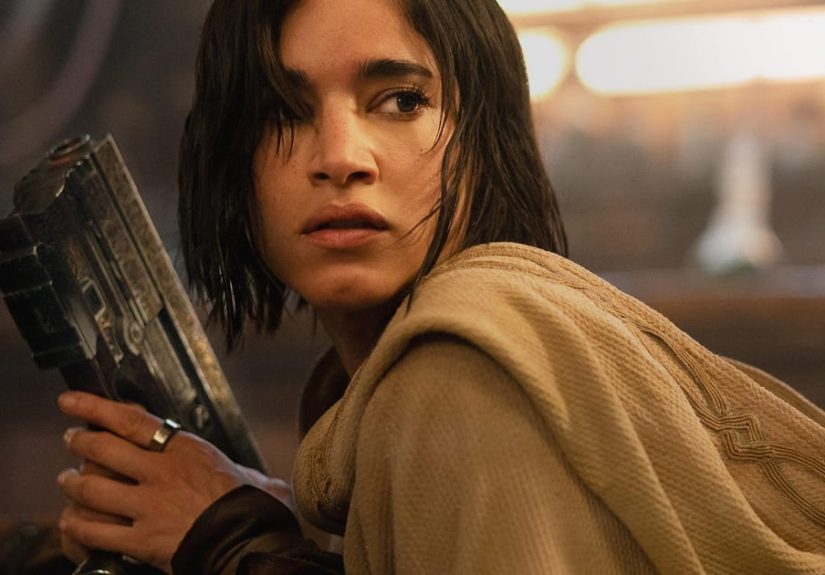
Rebel Moon – Part One: A Child of Fire is a Netflix original, an American epic space opera directed by Zack Snyder from a screenplay he co-wrote with
Kurt Johnstad and Shay Hatten. The film stars Sofia Boutella as Kora, a mysterious outsider hiding in a peaceful
farming colony on the edge of the galaxy. When the tyrannical forces of the Motherworld show up demanding grain and
obedience, Kora is forced out of hiding and into action.
The basic setup is classic “ragtag heroes vs. evil empire”: Kora sets off to recruit warriors from across the galaxy
to defend the village. Along the way we meet a disgraced general (Djimon Hounsou), a charming rogue (Charlie Hunnam),
a cybernetic sword-wielding warrior (Doona Bae), and other fighters with tragic pasts and very photogenic cloaks.
Tom Holkenborg (a.k.a. Junkie XL) delivers a sweeping, vocal-heavy score that leans into mythic grandeur, while Snyder,
also serving as his own cinematographer, frames nearly every moment like a painting.
The runtime is about 2 hours and 13 minutes for the PG-13 theatrical/streaming cut, with a longer R-rated director’s version
(“Chapter One: Chalice of Blood”) extending the story to over three hours. That already hints at one core tension:
the film is trying to launch a vast universe, but we’re only getting the first half of the intended story.
Critics vs. Audiences: Why the Scores Don’t Match
The critic rankings
Critics have not exactly been kind. On Rotten Tomatoes, Rebel Moon Part 1 sits in the low 20s on the
Tomatometer, with a consensus that can be summarized as: “gorgeous to look at, but built from recycled sci-fi and fantasy parts.”
Reviewers frequently compare it to Star Wars, Dune, and Seven Samurai, and not in a “spiritual successor”
waymore in a “this feels like a remix” way.
Major outlets like Polygon, Mashable, the BBC, and Variety echo similar concerns: they admire Snyder’s visual imagination
but criticize the plotting as overstuffed with exposition and undernourished in character development. The common thread is
that the film looks premium but feels familiar, as if a highlight reel of sci-fi concepts has been strung together without
enough fresh connective tissue.
When it comes to Snyder’s overall filmography, this criticism carries into the rankings. Rotten Tomatoes’ own list of
Zack Snyder movies places Rebel Moon – Part One near the bottom of his filmography by Tomatometer,
below films like 300 and Army of the Dead. A ranking from Men’s Health goes even further, putting it dead last
among all Snyder features, describing it as “exceedingly visual” but “narratively turgid” and weighed down by clichés and
indulgent slow motion.
The audience reaction
Now flip the coin. Audience scores tell a different story. Viewer ratings on aggregators skew much higher than the critic
scores, often sitting in the mid-50s to 70s out of 100, depending on the platform. Many fans praise the film for exactly what
the critics downplay: the sheer spectacle of the combat, the operatic tone, and the worldbuilding that hints at something bigger.
On Reddit, fan discussion threads describe the movie as “6.5 or 7 out of 10” popcorn sci-fifar from perfect, but also far
from the catastrophic flop some headlines suggest. Viewers often say that if you go in expecting a visually driven Zack Snyder
fantasy with heavy vibes and lighter character work, you’ll probably have a good time. The extended R-rated cut has also
earned attention, with some fans arguing that the darker, more violent version makes the villain feel more intimidating
and the story more coherent.
Even with mixed reviews, the raw viewership numbers show plenty of interest. Netflix’s own Top 10 reports
placed Rebel Moon – Part One as the most-watched title in its release week globally, with tens of millions of
views and a long stay in the streamer’s Top 10 list. That commercial success is a key part of the “rankings” story:
the movie may not be a critical darling, but it clearly found an audience.
Where Rebel Moon Ranks in Zack Snyder’s Filmography
Zack Snyder has a very specific brand: highly stylized visuals, mythic tone, and action sequences that look like moving
splash pages. Rebel Moon Part 1 fits that brand perfectlybut how does it rank compared with his other work?
Let’s look at a few dimensions that fans care about.
1. Visual spectacle: near the top
If we rank Snyder films only on visual flair, Rebel Moon Part 1 is easily in the top tier. The movie gives us:
- Wide shots of wheat fields under Saturn-like rings.
- Elaborate alien costumes and armor designs that feel half medieval, half sci-fi.
- Signature Snyder slow motion during battles, embers floating across the frame, and painterly lighting in almost every scene.
On a “pure eye candy” list, many fans would place it alongside 300 and Watchmen. Whether or not you enjoy the story,
it’s hard to argue with the production design, VFX scale, and overall cinematic look of the film.
2. Worldbuilding ambition: high, but overcrowded
Snyder and his co-writers try to cram a whole galaxy of lore into one movie: the Motherworld, its authoritarian military,
the rebellion, the different warrior cultures, and hints of ancient history. For fans who love lore and terminology,
this is a huge plusthere’s obviously a detailed universe behind every costume and emblem.
The downside is that so much is introduced so quickly that the world can feel more explained than lived-in.
Viewers who love clear, clean worldbuilding may feel overwhelmed or disconnected. In terms of Snyder worldbuilding,
Rebel Moon is more ambitious than Army of the Dead but less instantly grounded than his take on
the DC universe in Man of Steel.
3. Character and story: lower tier
Here’s where many rankings are harsh. The emotional throughlinesKora’s mysterious past, the villagers’ desperation,
the warriors’ need for redemptionare there, but often buried under exposition and marching-band-level epicness.
Some characters, like Kora and the villain Atticus Noble, feel iconic in design but thin in depth.
When you line Rebel Moon Part 1 up against character-driven Snyder films like Dawn of the Dead
or even the extended Zack Snyder’s Justice League, it usually falls closer to the bottom of the list.
Most critical rankings reflect that, rating it as one of Snyder’s weakest films from a narrative standpoint.
4. Action and choreography: solid middle of the pack
The action is where the film wins back some points. Battle scenes are clearly staged, with readable geography and
a mix of gunplay, blades, and sci-fi tech. Some reviewers note that the choreography is impressive but sometimes
undercut by over-cranked slow motion or CG that doesn’t always feel weighty.
In an “action only” ranking, Rebel Moon Part 1 sits somewhere in the middle: more stylish than
standard blockbuster fare, but not as tight or visceral as Snyder’s very best work in 300 or the
Watchmen opening.
5. Streaming rewatch factor: highly subjective
Finally, there’s the rewatch questionespecially important for a Netflix film. For some viewers, this is exactly the kind
of movie they’ll put on repeatedly: memorable visuals, epic score, and a vibe-heavy tone that works even if you’re
half-folding laundry. For others, the slower pacing and cliffhanger-style ending make it more of a one-and-done experience
until they’re ready to watch both parts back-to-back.
Overall, if you’re building a personal Snyder ranking, Rebel Moon Part 1 often ends up like this:
- Top tier for visuals and score.
- Middle tier for action.
- Lower tier for story and character depth.
The Biggest Wins: What the Movie Gets Right
Despite the criticism, there are several elements where Rebel Moon Part 1 clearly delivers:
Standout performances and casting
Sofia Boutella anchors the film with a physical, haunted performance that holds the center even when the script doesn’t
fully unpack her backstory. Djimon Hounsou brings weight and tragedy to a disgraced general, and Doona Bae’s warrior
character feels like she wandered in from a completely different (and incredibly cool) anime.
Even minor characters are cast with faces you recognize from TV, fantasy, and superhero projects, which helps the world
feel bigger than what we see on screen.
Music and mood
Tom Holkenborg’s score leans into choral elements, heavy percussion, and sweeping themes. It’s not subtleand that’s
the point. The music sells the idea that this is a mythic saga, not just another sci-fi shoot-’em-up. Some critics
find it overbearing, but for many fans, it’s a huge part of the film’s emotional impact.
It actually feels like a universe starter
Like it or not, Rebel Moon really does feel like the first chapter of something bigger. The hints of
ancient wars, fallen heroes, and cosmic politics give Netflix plenty of room for sequels, prequels, animation, and tie-ins.
That ambition is part of why the movie is so divisive: it’s half story, half prologue. If the later entries stick the
landing, opinions on Part 1 may shift upward over time.
The Biggest Flaws: Why Some Viewers Bounce Off It
On the flip side, the same qualities that fans enjoy can be deal-breakers for others.
Familiar story beats
The “village recruits warriors to fight a fascist empire” story is a classic for a reasonbut here it can feel overly
familiar. For viewers who have seen Seven Samurai, The Magnificent Seven, or multiple generations of
the Rebel Alliance in Star Wars, the plot may feel more like homage than reinvention.
Pacing and the “half a movie” feeling
Because this film is only Part 1, the structure leans heavily on setup: gathering the team, hinting at backstories,
and preparing for a fight that doesn’t fully happen yet. Some viewers don’t mind living in setup mode; others walk
away frustrated that the emotional payoff is still locked in Part 2.
Style over depth
Snyder’s style is bold and maximalist, which is a selling point for his fans. But when everything is dialed up to 11
all the timemusic, visuals, slow motionit can flatten emotional nuance. Several critics argue that the movie feels
“arranged but not alive,” as if the artistry went into individual frames rather than the overall emotional arc.
Experiences and Opinions: What It’s Like to Watch Rebel Moon Part 1
Rankings and scores are useful, but they don’t always capture what it feels like to actually sit down and watch
Rebel Moon – Part One: A Child of Fire. So let’s shift from numbers to experience and talk about how this
movie plays in a living room, not just on a spreadsheet.
Imagine you fire up Netflix on a Friday night, looking for something big and escapist. The opening shots of wheat
fields and distant planets immediately signal that you’re in Snyder territory: the palette is warm, the camera moves
like it’s on a crane blessed by the gods, and every cloak swish gets a hero moment. If you’re in the mood for “maximum
drama,” you’re already halfway sold.
As the story unfolds, the experience depends a lot on your tolerance for exposition. There are chunks of dialogue where
characters discuss empires, rebellions, and long-ago battles with names that sound cool but don’t yet carry emotional
weight. For some viewers, this is part of the fun; it feels like flipping through an art book where every page hints
at extra lore. For others, it can feel like being dropped into the middle of a tabletop RPG campaign with no session zero.
The recruitment sequencewhere Kora and her allies travel from world to world gathering warriorsis where the movie
tends to win or lose people. If you enjoy character archetypes presented with bold style (the haunted general, the
mysterious sword fighter, the rogue with a ship and a smirk), you may feel the same excitement as you would in a
superhero team-up. But if you’re craving deeper one-on-one scenes that really dig into motivation, this same section
can feel like flipping through a deck of character cards instead of meeting real people.
The action scenes are usually the reward for hanging through the slower dialogue. When the film leans fully into combat,
you get clean choreography, slow-motion flourishes, and compositions that look built to be screen-captured. Watching at
home, you may find yourself pausing just to admire some framesthe sweep of a cape against a burning sky, a close-up
of an armored villain framed by smoke and sparks. It’s the sort of movie where “wow, that shot was pretty” is a common
reaction, even if you’re not totally sure you care about the tactical stakes of the battle.
One of the most interesting parts of the Rebel Moon experience is how it invites debate afterwards.
Viewers who love Zack Snyder’s previous work often come away defending the film as bold, operatic, and unfairly maligned
by critics who dislike his style in general. Viewers who are lukewarm or skeptical about Snyder tend to use
Rebel Moon Part 1 as Exhibit A for their case that he’s all visuals and not enough story.
That clash of expectations fuels online rankings and “best to worst Snyder films” lists as much as the movie itself.
If you watch the director’s cut after the PG-13 version, the experience changes again. The added violence and darker
moments make the villain feel more genuinely dangerous, and some character beats breathe a little more. For some fans,
this version is the “real” movie; the original cut becomes more of a teaser for the full Snyder vision.
Taken together with Part 2, many viewers find that Part 1 feels less like a self-contained feature and more like the
first long chapter of a limited series.
Ultimately, whether you rank Rebel Moon Part 1 as an underappreciated gem or a missed opportunity depends
heavily on what you come to it looking for. If you want tight storytelling and sharp, character-driven dialogue, the film
will probably sit near the bottom of your rankings. If you’re here for maximalist visuals, sweeping music, and the pure
aesthetic of “space fantasy with cloaks and giant spaceships,” it might land much higher.
And that’s the real takeaway from all the rankings and opinions: Rebel Moon – Part One: A Child of Fire
is less a movie everybody agrees on and more a cinematic Rorschach test. What you see in it says as much about your taste
as it does about Zack Snyder’s galaxy of wheat fields, warriors, and very dramatic capes.
Conclusion
Rebel Moon Part 1 is a strange beast: simultaneously over-criticized and over-defended, both a franchise
starter and a half-finished story. Critically, it ranks near the bottom of Snyder’s work, dragged down by familiar plot
beats and uneven pacing. Visually, it’s among his most striking projects, with production design and music that clearly
resonate with a large chunk of viewers.
For SEO purposes and for movie-night planners, the honest verdict looks like this: if you enjoy big, operatic sci-fi with
a heavy emphasis on style, Rebel Moon – Part One: A Child of Fire is worth your time and may even become a
comfort rewatch. If story and character depth are non-negotiable for you, consider it more of an interesting curiosity
one that might feel more complete when watched back-to-back with Part 2 and the director’s cuts.