Table of Contents >> Show >> Hide
- What Makes an Air Purifier “Smart”?
- Why Smart Air Purifiers Matter During Remodeling
- What an Air Purifier Can and Cannot Do
- The Features That Actually Matter
- Best Uses for Smart Air Purifiers in a Remodel
- How to Use One the Smart Way
- Mistakes Homeowners Make When Shopping
- of Real-World Experience: Living With Smart Air Purifiers During a Remodel
- Final Takeaway
- SEO Tags
If remodeling is the glamorous before-and-after montage on TV, indoor air quality is the part that gets edited out right before someone starts sneezing into a drop cloth. Fresh paint, new cabinets, cut tile, drywall dust, sawdust, adhesives, insulation fibers, and that mysterious “construction smell” all have one thing in common: they can make your home feel less like a sanctuary and more like a hardware store with throw pillows.
That is exactly where smart air purifiers come in. Not as miracle boxes. Not as magical cubes that erase every airborne problem with futuristic humming. But as genuinely useful tools that can help reduce particles, manage odors, and support healthier indoor air during and after a remodel. The keyword there is support. A smart air purifier works best when it is part of a larger strategy that also includes source control, ventilation, and common sense. In other words, yes, the purifier matters. No, it cannot defeat a sanding project and an open can of stain by sheer optimism.
This guide breaks down what smart air purifiers actually do, which features matter, which ones are mostly marketing confetti, and how to choose the right setup for a renovation, refresh, or full-blown “we just opened three walls and found surprises” remodel.
What Makes an Air Purifier “Smart”?
A smart air purifier is a portable air cleaner with connected or automated features layered on top of standard filtration. The foundation is still the important part: a fan pulls air through one or more filters, then sends cleaner air back into the room. The “smart” layer usually includes Wi-Fi or Bluetooth app control, air quality sensors, auto mode, filter-life tracking, scheduling, voice assistant compatibility, and usage data.
That sounds fancy, and sometimes it is. But smart features are only helpful if the machine is already good at cleaning air. A purifier with a slick app and weak airflow is like a luxury SUV with square wheels. Attractive? Maybe. Useful? Not especially.
The best smart air purifiers combine strong filtration with easy controls. You should be able to check air quality, adjust settings remotely, set it to run before you get home, and get alerts when the filter needs attention. During a remodel, that kind of convenience matters because the purifier often needs to run for long stretches, sometimes in rooms you are not occupying every minute.
Why Smart Air Purifiers Matter During Remodeling
Remodeling changes more than the look of a room. It changes the air. Dust and fine particles get stirred up when walls are opened, floors are removed, or trim is cut. Paints, sealants, caulks, cleaners, engineered wood products, and some adhesives can also release volatile organic compounds, commonly called VOCs. These gases and vapors are a separate issue from dust, which is why a purifier that handles particles well may still need activated carbon or another gas-focused filter to help with odors and some chemical pollutants.
Here is the remodeling reality: indoor pollutant levels can spike during and right after certain projects, especially when windows stay closed because of weather, wildfire smoke, humidity, or security concerns. If you are replacing cabinetry, refinishing floors, painting walls, or installing built-ins, the air may be noticeably worse before it gets better. That “new room smell” is not always a standing ovation from your lungs.
Smart air purifiers are especially helpful in remodels because they can respond to changing conditions. A particle sensor may ramp the purifier up during sanding or cleanup, then settle into a quieter mode later. An app can tell you whether the bedroom is still reading elevated particulate matter while you are downstairs admiring your new backsplash. For busy households, that is more than a gimmick. It is a sanity saver.
What an Air Purifier Can and Cannot Do
What it can do
A high-quality purifier can reduce airborne particles such as dust, pollen, pet dander, smoke particles, and some remodeling debris. If it includes a substantial activated carbon filter, it can also help reduce odors and some gaseous pollutants. In practical terms, this can mean less floating dust, fewer allergy triggers, and a room that stops smelling like fresh polyurethane had a very strong opinion.
What it cannot do
An air purifier cannot fix a moisture problem, remove mold growing inside walls, solve a carbon monoxide issue, or eliminate radon. It also cannot compensate for unsafe product use or poor ventilation. If your contractor is cutting MDF indoors without containment, the purifier should not be the only adult in the room.
It is also important to avoid devices that intentionally produce ozone. Ozone-generating machines are often marketed as air cleaners, but they are not a smart choice for occupied homes. Likewise, some ionizing features raise red flags for shoppers who want to keep air cleaning simple and low-risk. When in doubt, mechanical filtration with solid testing credentials is the safer, smarter lane.
The Features That Actually Matter
1. True filtration performance
Start with HEPA or HEPA-level particle filtration from a reputable brand. This is the baseline for capturing fine airborne particles. During remodeling, that matters because the most annoying dust is often the stuff you barely see.
2. CADR and real room size
CADR, or Clean Air Delivery Rate, is one of the most useful metrics when comparing portable air cleaners. In plain English, it tells you how much filtered air the unit can deliver. The higher the CADR, the faster it can reduce particle levels in an appropriately sized room. If you are choosing between a pretty machine and a more powerful machine, CADR is where the romance usually ends.
Be realistic about room size, especially in open-concept spaces. If your kitchen remodel opens into the dining area and family room, do not shop as if you are cleaning a tiny breakfast nook. Bigger coverage, run at a lower fan speed, often delivers a better mix of performance and comfort.
3. Activated carbon for odors and VOC support
Not all air purifiers are equally good at handling gases. Many do an excellent job with particles but offer only a token carbon sheet for smells. During remodeling, a more substantial carbon stage can be helpful for paint odors, cooking odors in newly enclosed spaces, and the general “we replaced everything and now it smells aggressively new” problem.
4. Air quality sensors and auto mode
This is where smart features begin to earn their paycheck. A good sensor system allows the purifier to increase fan speed when particle levels rise and quiet down when the air improves. That means better efficiency, less babysitting, and fewer moments spent crouching next to the unit like you are negotiating with a robot.
5. App control and scheduling
App control is especially handy in remodels because usage patterns change. You may want the purifier running hard during work hours, then quieter at night. Scheduling helps manage energy use and noise without forgetting to turn the machine on or off.
6. Noise and sleep mode
A purifier that sounds like a leaf blower is unlikely to stay on long enough to help. Bedrooms, nurseries, and home offices benefit from quieter models with good low-speed performance. A smart purifier that cleans well only on turbo mode is basically a sprinter you needed for a marathon.
7. Filter replacement cost
Do not ignore the long-term cost of ownership. Filters can add up quickly, especially if you are running the purifier often during a renovation. A cheaper machine with expensive replacement filters can become a budget trap dressed as a bargain.
8. Energy efficiency
Because air purifiers often run for many hours a day, energy use matters. Efficient models are easier to live with financially, particularly if you plan to keep one in a bedroom year-round after the remodel ends.
Best Uses for Smart Air Purifiers in a Remodel
Kitchen remodels
Kitchens generate a strange but impressive cocktail of particles and odors: sanding dust, paint fumes, cooking smoke, off-gassing from new cabinetry, and the occasional contractor lunch reheated beyond reason. A smart purifier placed just outside the work zone or in the adjacent living space can help reduce the spread of particles and improve comfort once the room is back in use.
Bathroom renovations
Bathrooms are smaller, which makes purifier sizing easier. But they can also have moisture challenges. A purifier can help with dust and odors, but it should work alongside good exhaust ventilation. If a bathroom has persistent dampness, fix that issue first. Filters are hardworking, not magical.
Bedroom refreshes
New carpet, paint, furniture, and textiles can affect air quality in sleep spaces. A quiet smart purifier with a solid sensor and sleep mode is often one of the best post-remodel additions for comfort, especially for people with allergies or asthma.
Basements and finished lower levels
Basements benefit from a layered approach: air cleaning, moisture control, and source identification. If a basement remodel includes new flooring, trim, or built-ins, a purifier can help with particles and odors, but a dehumidifier may be just as important depending on the climate and the space.
How to Use One the Smart Way
Placement matters. Put the purifier in the room where people spend the most time, or near the area most affected by the remodel, while keeping enough clearance around the intake and exhaust. Do not shove it behind a sofa, wedge it between paint cans, or let it become an expensive side table for contractor invoices.
Keep doors and windows configured strategically. If outdoor air is clean and weather allows, ventilation helps. If outdoor smoke, pollen, or humidity is extreme, you may get better results by closing the room and letting the purifier work continuously. The right move depends on what is happening outside and what is being released inside.
Also, clean the space. Air purifiers are not substitutes for dust containment, vacuuming with a HEPA-filter vacuum, or wiping down surfaces. They complement cleaning; they do not replace it. If your remodel is creating visible dust piles, the purifier should be your teammate, not your scapegoat.
Mistakes Homeowners Make When Shopping
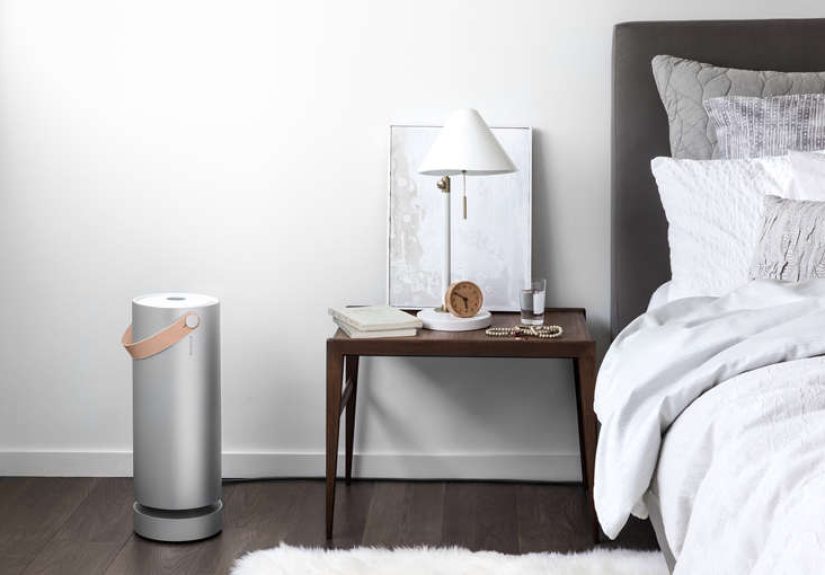
The biggest mistake is buying by looks alone. Yes, some modern purifiers are surprisingly attractive. Some can even pass as respectable décor. But a purifier should not win simply because it matches the drapes and has a moody LED ring.
The second mistake is underbuying for the room. A purifier sized too small will have to work harder, sound louder, and disappoint more dramatically. Third is overvaluing smart features while ignoring filtration, CADR, and filter replacement costs. And fourth is assuming every purifier handles gases, odors, and particles equally well. They do not.
Another common error is forgetting the HVAC system. In many remodels, upgrading the central filter, sealing duct leaks, improving exhaust ventilation, and using a portable purifier together produce better results than relying on one device alone.
of Real-World Experience: Living With Smart Air Purifiers During a Remodel
People usually start shopping for smart air purifiers after one of two things happens: they begin a remodel, or they survive three days of remodel dust and decide they would like to keep breathing as a hobby. In real homes, the experience is rarely dramatic in a movie-trailer way. It is quieter than that. More practical. More like, “Hey, I am waking up less congested,” or “The bedroom does not smell like fresh primer anymore,” or “Why did I wait this long?”
One common experience happens during kitchen remodels. The demolition starts, and even with plastic barriers and good intentions, fine dust shows up in rooms that were supposedly “totally sealed off.” Homeowners place a smart purifier in the adjacent family room or dining room and notice the app spike during demolition, cleanup, and sanding. That live feedback changes behavior. Suddenly people close a door that was left open, run the machine earlier in the day, or move it to the hallway outside the work zone. The purifier becomes less of a gadget and more of a running commentary on the remodel.
Another typical story comes after painting and cabinetry installation. The room looks gorgeous, but the smell hangs around like a guest who keeps saying they are about to leave. A purifier with a stronger carbon filter can make the space feel more usable sooner, especially when paired with sensible ventilation. Families often describe the difference not as “the smell vanished instantly,” but as “the room stopped feeling heavy.” That is an important distinction. Good air cleaning often improves comfort gradually, not theatrically.
Bedrooms are where many homeowners become true believers. During a remodel, people often retreat to sleeping areas for relief from the mess. A quiet purifier running overnight can reduce dust and allergens enough that the room feels like a reset button. Parents with kids who are sensitive to dust, pet dander, or seasonal allergies often notice this first. The machine may move from “temporary remodel purchase” to “permanent bedroom appliance” without much debate.
There is also the emotional side. Remodeling is stressful. Schedules slip, budgets wobble, and somebody always discovers a problem hiding behind a wall like it has been waiting for its entrance cue. A smart purifier will not fix contractor delays, but it can reduce one category of daily irritation. Cleaner-feeling air, less odor, quieter sleep, and the reassurance of being able to check conditions from your phone all add up. It gives homeowners a small but meaningful sense of control in a process that often feels delightfully out of control.
The most satisfied owners usually say the same thing in different words: buy for performance first, then enjoy the smart extras. When the filtration is strong, the app is useful, the filter replacements are manageable, and the unit is quiet enough to live with, the experience feels less like buying a trendy device and more like making the remodel genuinely healthier.
Final Takeaway
Smart air purifiers are one of the most useful finishing tools in a modern remodel, especially when dust, allergens, smoke particles, odors, or light chemical off-gassing are part of the picture. The smartest buying strategy is not to chase the flashiest screen or the most dramatic marketing promises. It is to focus on proven filtration, strong CADR, proper sizing, meaningful carbon filtration, low operating costs, and smart features that actually make the machine easier to use every day.
If you are remodeling, think of a smart air purifier as part of your indoor air quality team. Let source control do the heavy lifting, let ventilation do its share, let your HVAC system contribute, and let the purifier clean what is left in the breathing zone. That is how you turn a beautiful remodel into a space that not only looks better, but feels better too.