Table of Contents >> Show >> Hide
- What “Retinal Bleeding” Actually Means
- Symptoms: What Retinal Bleeding Can Feel Like
- Causes: Why Retinal Bleeding Happens
- 1) Diabetes (diabetic retinopathy)
- 2) High blood pressure (hypertensive retinopathy)
- 3) Retinal vein occlusion (a “traffic jam” in the retina)
- 4) Retinal tears, detachment, or vitreous pulling
- 5) Eye trauma
- 6) Blood and clotting conditions
- 7) Sudden pressure strain (Valsalva retinopathy)
- 8) Less common causes
- Diagnosis: How Eye Doctors Confirm Retinal Bleeding (and Why)
- Treatment: What Actually Helps (and What Depends on the Cause)
- 1) Watchful waiting (yes, sometimes doing less is doing more)
- 2) Treating the underlying condition
- 3) Injections (anti-VEGF therapy and sometimes steroids)
- 4) Laser treatment
- 5) Surgery (vitrectomy) for significant vitreous hemorrhage or complications
- 6) Retinal tear or detachment treatment (urgent)
- Recovery and Prognosis: Will Vision Go Back to Normal?
- Prevention: How to Lower Your Risk
- Quick FAQ
- Real-World Experiences: What People Commonly Go Through (and What It’s Like)
- Conclusion
Retinal bleeding (often called a retinal hemorrhage) sounds like something out of a sci-fi movie, but it’s actually a fairly common finding in eye careespecially in people with diabetes or high blood pressure. Sometimes it’s a tiny “spot” your eye doctor notices during a routine exam. Other times, it shows up dramatically as sudden floaters or blurry vision that makes you question whether you accidentally smeared jelly on your contact lens.
Either way, retinal bleeding isn’t really the “main character.” It’s usually a cluea sign that something is irritating, blocking, or weakening the delicate blood vessels inside your eye. The good news: many causes are treatable, and modern retinal care has gotten very good at protecting (and sometimes improving) visionespecially when you get checked quickly.
What “Retinal Bleeding” Actually Means
Your retina is the light-sensing layer at the back of your eyebasically the eye’s “camera sensor.” It’s fed by tiny blood vessels. If one of those vessels leaks or bursts, blood can collect within or on top of the retina. That’s retinal bleeding.
Retinal bleeding vs. a red spot on the white of your eye
Important plot twist: a scary-looking red patch on the white of your eye is usually a subconjunctival hemorrhage, which tends to be harmless and goes away on its own. Retinal bleeding, however, happens inside the eye and can affect visionso it’s a different situation entirely.
Retinal hemorrhage vs. vitreous hemorrhage
Sometimes blood leaks into the vitreous (the clear gel that fills most of the eyeball). That’s called a vitreous hemorrhage. It can cause sudden floaters or a cloudy, “smoky” view because the blood is literally drifting in the gel and blocking light from reaching your retina.
Symptoms: What Retinal Bleeding Can Feel Like
Here’s the tricky part: retinal bleeding may cause no symptoms at all, especially if it’s small or off to the side of your vision. That’s why routine dilated eye exams matteryour retina doesn’t send a polite calendar invite before trouble starts.
Common symptoms
- Floaters (tiny specks, cobwebs, or squiggles that drift when you move your eyes)
- Blurred vision or a smudged area that won’t blink away
- Dark spots or “missing” areas in vision (scotomas)
- Distorted central vision (straight lines looking wavy)
- Sudden vision changes in one eye, sometimes painless
When to treat it like an emergency
Get urgent eye care (same day if possible) if you notice:
- A sudden shower of new floaters
- Flashes of light, especially in your side vision
- A curtain/shadow moving across your vision
- Sudden, significant vision loss in one eye
These symptoms can point to a retinal tear, detachment, or bleeding that’s interfering with the macula (the center of vision)situations where fast treatment can make a big difference.
Causes: Why Retinal Bleeding Happens
Retinal blood vessels are tiny, sensitive, and a little dramatic. They don’t like high sugar, high pressure, blocked drainage, inflammation, or sudden pulling forces. Here are the most common reasons they leak.
1) Diabetes (diabetic retinopathy)
Over time, high blood sugar can damage retinal blood vessels, causing them to leak fluid and bleed. In advanced stages, the retina may grow fragile new vessels that bleed easily. This is a major reason retinal specialists talk about prevention like it’s a superhero origin story: keep sugar and blood pressure controlled, and get regular eye exams.
Example: A person with long-standing diabetes may feel totally fine, but a dilated exam shows multiple small hemorrhages. That can be an early sign that treatmentsometimes just better medical control, sometimes eye therapyshould start before vision is affected.
2) High blood pressure (hypertensive retinopathy)
Uncontrolled hypertension can injure retinal vessels and contribute to bleeding and swelling. Sometimes retinal findings are among the first hints that blood pressure has been running high for a while.
Example: Someone comes in for blurry vision and headaches. The eye exam shows changes consistent with hypertensive damageprompting a same-day blood pressure check and medical follow-up.
3) Retinal vein occlusion (a “traffic jam” in the retina)
The retina has veins that drain blood away. If one becomes blocked (a central or branch retinal vein occlusion), pressure builds up behind the blockage, leading to hemorrhages, swelling, and sudden blurry vision. Risk factors include age, high blood pressure, diabetes, and glaucoma.
4) Retinal tears, detachment, or vitreous pulling
As we age, the vitreous gel can pull away from the retina (posterior vitreous detachment). Usually that’s benignbut sometimes the traction creates a tear. A tear can bleed and may lead to retinal detachment, which is urgent.
5) Eye trauma
A direct hit to the eye (sports injuries, accidents) can rupture small vessels or trigger tears that bleed into the vitreous.
6) Blood and clotting conditions
Anemia, low platelets, clotting disorders, leukemia, sickle cell disease, and other systemic issues can be associated with retinal hemorrhages. Blood thinners don’t typically “cause” retinal bleeding by themselves, but they can make bleeding worse or more noticeable if a vessel leaks for another reason.
7) Sudden pressure strain (Valsalva retinopathy)
Intense coughing, vomiting, heavy lifting, or straining can abruptly raise pressure in the chest and head, occasionally leading to a retinal hemorrhage. It can be startlinglike your eye filed a complaint after leg day.
8) Less common causes
- Severe inflammation or infection inside the eye
- Age-related macular degeneration (especially “wet” AMD)
- Rare vascular abnormalities
- Pregnancy-related blood pressure disorders (your OB and eye doctor may coordinate care)
Diagnosis: How Eye Doctors Confirm Retinal Bleeding (and Why)
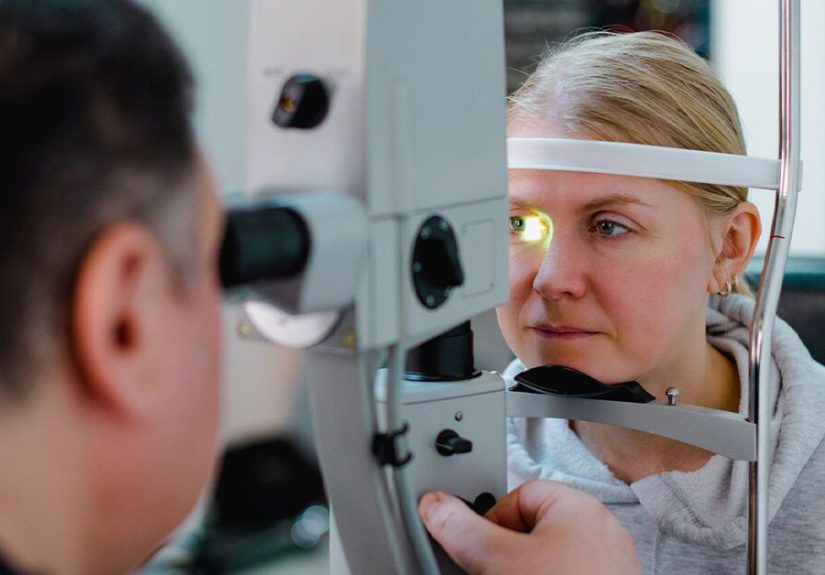
Retinal bleeding is diagnosed with an eye examusually after dilationplus imaging that helps pinpoint the cause, location, and risk to your central vision.
What to expect at the appointment
- History: symptoms (floaters, flashes, blur), timing, medical conditions (diabetes, hypertension), medications
- Visual acuity: how well you see on the chart
- Eye pressure: especially important if glaucoma is a concern
- Dilated retinal exam: the main event
Common retinal tests
- Fundus photography: pictures of the retina to document hemorrhages and track changes over time
- Optical coherence tomography (OCT): a painless scan that shows retinal swelling (macular edema) and structural damage
- Fluorescein angiography: dye-based imaging to map leakage, blockages, and abnormal vessel growth (used when needed)
- Ultrasound (B-scan): helpful if blood in the vitreous blocks the view of the retina
Why you may need a general health workup
Because retinal hemorrhages often reflect systemic health, clinicians may recommend checking:
- Blood pressure
- Blood sugar/A1C
- Cholesterol
- Blood counts (anemia, platelets) if the pattern suggests it
- Clotting tests in selected cases
This isn’t your eye doctor being nosyyour retina is basically a window into tiny blood vessels throughout the body, and it sometimes spots problems early.
Treatment: What Actually Helps (and What Depends on the Cause)
There’s no single “retinal bleeding pill.” Treatment depends on why the bleeding happened, how close it is to the macula, and whether there’s swelling, ischemia, or abnormal new vessel growth.
1) Watchful waiting (yes, sometimes doing less is doing more)
Many small retinal hemorrhagesespecially those not affecting the maculacan be monitored while the underlying cause is addressed (better blood pressure control, improved diabetes management, etc.). Your eye doctor may schedule follow-up imaging to confirm it’s improving.
2) Treating the underlying condition
- Diabetes: improving glucose control and keeping up with retina follow-ups
- Hypertension: bringing blood pressure into a healthy range
- High cholesterol: management as advised by a clinician
- Blood disorders: targeted treatment with your medical team
3) Injections (anti-VEGF therapy and sometimes steroids)
If bleeding is associated with macular edema or abnormal blood vessel growth (common in diabetic retinopathy and retinal vein occlusion), retina specialists often use anti-VEGF injections. These medications reduce leakage and swelling and can stabilize (and sometimes improve) vision.
Reality check: injections sound terrifying until you’ve had one. The eye is numbed, the procedure is quick, and most people are surprised by how manageable it is. “I was anxious all week and then it was over in 30 seconds” is a very common review.
4) Laser treatment
Laser photocoagulation can help seal leaky vessels, reduce swelling in some cases, or treat areas of ischemia to reduce the drive for fragile new vessels to form and bleed. In diabetic retinopathy, different laser strategies may be used depending on the pattern and stage of disease.
5) Surgery (vitrectomy) for significant vitreous hemorrhage or complications
If blood in the vitreous is dense and not clearing, or if there’s traction, scar tissue, or a retinal detachment risk, a vitrectomy may be recommended. In simple terms, the surgeon removes the cloudy vitreous gel and replaces it with a clear fluid, allowing light to reach the retina again and enabling treatment of the underlying problem.
6) Retinal tear or detachment treatment (urgent)
If bleeding is linked to a tear or detachment, treatment may involve laser, cryotherapy, or surgerytiming matters because the goal is to protect the retina before permanent damage occurs.
Recovery and Prognosis: Will Vision Go Back to Normal?
Sometimes yes. Sometimes partly. Sometimes the goal is preventing things from getting worse. Prognosis depends on:
- Cause (diabetes vs. vein occlusion vs. tear)
- Location (macula involvement is more serious)
- Amount of bleeding (tiny spots vs. vitreous clouding)
- Speed of treatment (earlier is usually better)
- Ongoing health control (blood sugar and blood pressure management)
Typical timelines: small hemorrhages may fade over weeks to months. Vitreous hemorrhage can clear gradually, but if it’s dense or the cause is high-risk, treatment may be needed sooner. With anti-VEGF therapy for swelling, some people notice improvement within weeks, while others need multiple treatments over time.
Prevention: How to Lower Your Risk
You can’t bubble-wrap your retina (though if someone invents that, it will sell out immediately). But you can reduce risk by protecting blood vessel health.
Smart prevention moves
- Manage diabetes: follow your treatment plan and don’t skip eye screening
- Control blood pressure: consistent control helps protect eye vessels
- Know your numbers: cholesterol and overall cardiovascular risk matter
- Don’t ignore new symptoms: sudden floaters/flashes deserve prompt evaluation
- Keep routine eye exams: especially if you have diabetes, hypertension, or a history of retinal disease
If you have diabetes, your clinician may recommend regular dilated eye exams (often annually, though frequency can change depending on findings). The point isn’t to add another appointment to your lifeit’s to catch silent retinal changes before they steal vision.
Quick FAQ
Can retinal bleeding heal on its own?
Small hemorrhages can fade on their own, but the cause still matters. Treating blood pressure or diabetes, for example, can help prevent repeat episodes and progression.
Is retinal bleeding painful?
Often, no. Many retinal problems are painlesseven serious onesso symptoms like sudden floaters or a curtain-like shadow should be taken seriously even without pain.
Can screen time cause retinal bleeding?
Screen time may cause eye strain and dryness, but it doesn’t typically cause retinal hemorrhages. Retinal bleeding is usually related to blood vessels, traction, blockages, trauma, or systemic health conditions.
What should I do right now if I suspect it?
If you have sudden floaters, flashes, or a shadow/curtain, seek urgent eye care. If symptoms are mild but new, schedule an eye exam soon. If you have diabetes or high blood pressure, check your readings and follow up with your clinician.
Real-World Experiences: What People Commonly Go Through (and What It’s Like)
Retinal bleeding has a weird talent: it can be totally silent or wildly inconvenient, with very little middle ground. Many people first learn about it the same way they learn their “check engine” light is onduring a routine exam when the doctor says, “I’m seeing some small hemorrhages,” and you immediately wonder if you should start writing your memoir.
Experience #1: “I felt fine… until I didn’t.” A common story is someone with diabetes or high blood pressure who feels normal, then notices blurry central vision that comes on over days or weeks. It’s not dramaticno movie-style blackoutjust a stubborn blur that makes fine print look like it’s been through the washing machine. They try more light, different glasses, maybe blaming fatigue, until they finally schedule an eye exam. Imaging shows swelling near the macula and small hemorrhages. The surprising part for many people is learning that the eye changes can be ahead of the symptoms. That’s why clinicians push screening: the goal is to catch problems while your vision still feels “pretty okay.”
Experience #2: “The floaters showed up like a swarm.” Another classic is the sudden floater stormtiny dots, strands, and shadowy shapes moving with eye motion. People often describe it as “pepper,” “gnats,” or “a cobweb floating in my vision.” If bleeding spills into the vitreous, the view can turn hazy or smoky, sometimes with a reddish or brown tint. The most unsettling part is uncertainty: “Is this going away? Is my retina detaching?” In the clinic, dilation and imaging help sort it out. Sometimes it’s a benign vitreous detachment with mild bleeding. Sometimes it’s a tear that needs immediate treatment. Either way, getting checked quickly often brings relief because you leave with a plan instead of fear-scrolling the internet at 2 a.m.
Experience #3: “I was terrified of injections… and then it was fine.” If treatment involves anti-VEGF injections, anxiety is extremely common. People imagine a dramatic scene; the real procedure is usually quick and controlled. The eye is numbed, the lid is held open, and the injection takes seconds. Many patients say the anticipation is worse than the injection itself. Afterward, you might feel mild irritation, tearing, or a scratchy sensation for a day. Follow-up visits can feel repetitive, but the routine exists for a reason: these medications often work best as a series, tailored to how your retina responds.
Experience #4: “Waiting for it to clear tests your patience.” When blood is in the vitreous and the retina is stable, a doctor may recommend observation while it clears. This can feel frustrating because vision can fluctuatesome days are clearer, some are not. People describe it as looking through a snow globe that occasionally gets shaken. During this time, patients often become hyper-aware of their blood sugar, blood pressure, and medications, because it’s motivating in a very real way: you can literally see the consequences. The best coping strategy tends to be simple and boring (which is often the best kind): keep appointments, control risk factors, and report any sudden worsening immediately.
Bottom line: The most common “experience” is a mix of surprise and reliefsurprise that retinal bleeding can happen without pain, and relief that there are clear diagnostic tools and effective treatments. If you take one takeaway from everyone’s story, it’s this: don’t wait on sudden changes, and don’t skip preventive eye exams if you’re at risk.
Conclusion
Retinal bleeding is a sign, not a diagnosis by itself. It can be harmless and smallor it can be the retina’s way of waving a big warning flag about diabetes, hypertension, a vein occlusion, or a retinal tear. The best outcomes usually come from two things working together: prompt eye evaluation when symptoms appear, and strong control of underlying health factors over time. If your vision suddenly changes, treat it as worth checkingbecause protecting your sight is one of the few life tasks where “better safe than sorry” is 100% correct.