Table of Contents >> Show >> Hide
- The Short Answer: No, You Should Not Cut Rybelsus Tablets in Half
- Why You Cannot Split Rybelsus the Way You Might Split Other Tablets
- What Could Happen If You Cut Rybelsus Anyway?
- Why People Want to Cut Rybelsus in the First Place
- How to Take Rybelsus Correctly
- What to Do Instead of Cutting the Tablet
- Important Safety Points to Keep in Mind
- So, Can You Cut Rybelsus Tablets in Half?
- Real-World Experiences and Common Patient Stories
Note: This article is for educational purposes and reflects current U.S. guidance on oral semaglutide. It is not a substitute for personalized medical advice from your prescriber or pharmacist.
Some pills are forgiving. Miss the exact angle of the pill cutter, and life goes on. Rybelsus is not one of those pills. In fact, if Rybelsus had a personality, it would be the type that color-codes its calendar, sets three alarms, and gets annoyed if you show up with the wrong water bottle.
That is because Rybelsus is not a standard tablet. It is oral semaglutide, a GLP-1 receptor agonist designed to work under very specific conditions: empty stomach, tiny sip of plain water, no breakfast encore for at least 30 minutes, and absolutely no DIY tablet surgery. So when people ask, “Can you cut Rybelsus tablets in half?” they are asking a smart question. The answer just happens to be a very un-fun one.
The Short Answer: No, You Should Not Cut Rybelsus Tablets in Half
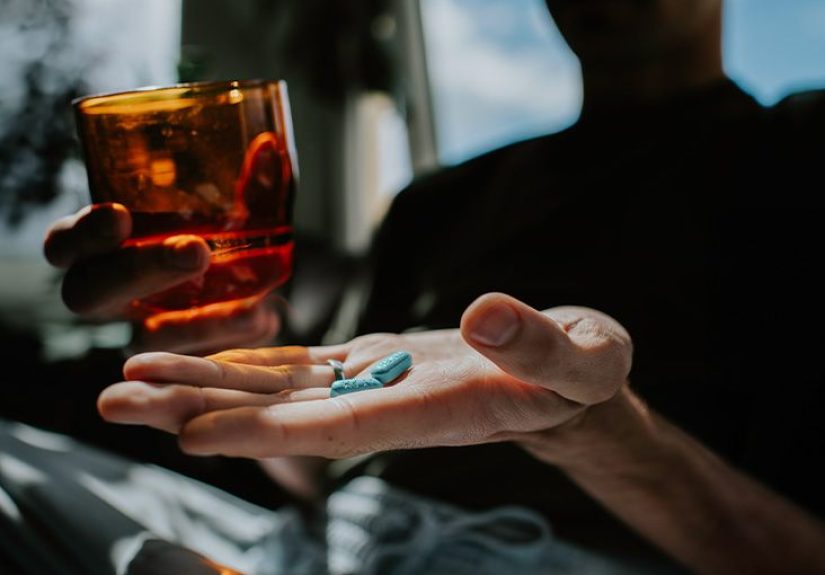
If you want the simplest possible answer, here it is: no, Rybelsus tablets should not be cut, split, crushed, or chewed. They are meant to be swallowed whole exactly as directed.
That recommendation is not a fussy technicality. It is part of how the medication is designed to work. With Rybelsus, the “how” matters almost as much as the “what.” Unlike many oral medications, semaglutide is a peptide, and peptides are notoriously dramatic about surviving the digestive tract. Rybelsus gets around that problem with a specialized tablet formulation that helps the drug be absorbed in the stomach. Once you start cutting the tablet, you are no longer taking the medication the way it was engineered to be taken.
In plain English: this is not the moment to freestyle.
Why You Cannot Split Rybelsus the Way You Might Split Other Tablets
1. The Manufacturer’s Instructions Are Explicit
Rybelsus comes with direct administration instructions: swallow the tablet whole. Not “whole-ish.” Not “half today, half tomorrow.” Whole. That warning appears again and again in official prescribing and patient information because the tablet is not intended to be altered.
There is another clue here too: people sometimes assume they can combine lower-dose tablets to mimic a higher dose. But the official guidance has long discouraged using multiple smaller tablets as a substitute for the intended single-tablet dose. That should tell you everything you need to know about how tightly this medication’s dosing and formulation are controlled.
2. Rybelsus Has Unusually Delicate Absorption
Most tablets are swallowed, dissolved, and absorbed without much drama. Rybelsus, however, relies on a helper ingredient that improves semaglutide absorption in the stomach. This matters because oral semaglutide has low bioavailability to begin with, so even small changes in how the tablet breaks down can affect how much medication actually gets into your system.
That is the real issue with cutting a Rybelsus tablet. The problem is not just whether the two halves look equal on a cutting board. The problem is whether the altered tablet still behaves the same way in the stomach. And with Rybelsus, the safe assumption is that it does not.
Put differently: a pill cutter can make two pieces, but it cannot recreate the original drug-delivery design.
3. The Morning Routine Is Part of the Dose
Rybelsus is supposed to be taken first thing in the morning on an empty stomach with no more than 4 ounces of plain water. Then you wait at least 30 minutes before eating, drinking, or taking other oral medications. Even the amount of water matters. Even the waiting matters.
When a medication comes with this many built-in rules, that usually means its performance is highly sensitive to conditions. Splitting the tablet adds one more variable to a process that is already carefully choreographed. And when the medication is doing this much work to get absorbed properly, “close enough” is not the goal.
What Could Happen If You Cut Rybelsus Anyway?
The most likely problem is unpredictable absorption. You might absorb less medication than expected, which can make the drug less effective for blood sugar control. You could also end up with inconsistent exposure from one dose to the next, which is never ideal for a medication taken daily and titrated carefully.
There is also the issue of dose accuracy. Even if you split the tablet neatly, halves are not guaranteed to contain perfectly matched active drug distribution in a way that will perform like an intact tablet. And if you are splitting because the dose feels too strong, you may wind up with an unreliable middle ground that is not an approved dose and not a dependable solution.
It is not that one accidental split automatically causes disaster. It is that it defeats the point of taking the medication under controlled conditions. If you have already cut one, do not panic. But do call your pharmacist or prescriber and ask what to do next instead of turning pill-splitting into a new household tradition.
Why People Want to Cut Rybelsus in the First Place
The question usually comes from a very reasonable place. People do not wake up and decide to challenge pharmaceutical engineering for fun. They usually want to split Rybelsus for one of four reasons.
The Tablet Feels Hard to Swallow
This is common, especially in people who already dislike tablets or take multiple morning medications. But trouble swallowing is a reason to talk to a clinician, not a reason to start cutting. If swallowing is genuinely difficult, your prescriber may want to review your medication list, your technique, or whether a different formulation makes more sense.
The Dose Feels Too Strong
Rybelsus is famous for doing what many GLP-1 medications do best: making the digestive system very aware that a new sheriff is in town. Nausea, stomach discomfort, diarrhea, vomiting, constipation, and reduced appetite are all commonly reported, especially during initiation or dose increases. That does not mean the answer is to cut the tablet. It means the answer may be a slower titration plan, a lower prescribed strength, or a conversation about whether the medication is the right fit.
The Person Wants to Save Money or Stretch Supply
This is understandable, but it is not safe problem-solving. Splitting a medication that is supposed to be swallowed whole can undermine the very effect you are paying for. In other words, a “money-saving hack” can become an expensive way to get inconsistent treatment.
The Person Missed a Dose and Wants to Compensate
Rybelsus is not a medication you double up on to make up for lost time. If you miss a dose, the standard guidance is to skip it and take your next dose the following day. Cutting a tablet to create a catch-up dose is not recommended and only makes a simple missed-dose situation more complicated.
How to Take Rybelsus Correctly
If you are taking Rybelsus, the correct routine matters. Here is the version your future self will thank you for remembering:
- Take it first thing in the morning on an empty stomach.
- Use no more than 4 ounces of plain water.
- Swallow the tablet whole.
- Wait at least 30 minutes before eating, drinking anything other than water, or taking other oral medications.
- Take only the prescribed strength and do not improvise with split tablets.
This may sound annoyingly specific, but with Rybelsus, specific is how you get predictable results.
What to Do Instead of Cutting the Tablet
Ask About a Different Prescribed Strength
If the dose feels too strong or side effects are getting in the way, ask your prescriber whether you should remain longer on a lower strength, restart titration, or switch therapies. Do not invent your own “half-dose” plan.
Talk to a Pharmacist About Swallowing Strategies
If your main problem is swallowing the tablet, a pharmacist may be able to help with safe techniques for tablet swallowing. That is a better move than turning a medication with special absorption rules into a kitchen experiment.
Review Your Morning Medication Schedule
Rybelsus needs its own quiet little part of the morning. If you usually take several pills right after waking up, your clinician or pharmacist may help you reorganize the timing. Since Rybelsus should be taken before other oral medications, schedule matters.
Ask Whether a Different GLP-1 Option Fits Better
Some people simply do better with another treatment plan. That may be another dose strategy, another drug in the same class, or a different formulation altogether. The point is that there are clinician-guided options. A pill splitter is not one of them.
Important Safety Points to Keep in Mind
Rybelsus is used in adults with type 2 diabetes and has broader cardiovascular-risk language in current U.S. prescribing information, but it is still a prescription medication with real safety considerations. It is not for type 1 diabetes. It also carries important warnings, including a boxed warning about thyroid C-cell tumor risk and contraindications involving a personal or family history of medullary thyroid carcinoma or MEN 2.
Other significant cautions include pancreatitis, diabetic retinopathy complications, hypoglycemia when used with insulin or insulin secretagogues, kidney injury related to dehydration, severe gastrointestinal reactions, hypersensitivity reactions, and gallbladder disease. That list is not here to scare you; it is here to remind you that this is a medication to use precisely, not creatively.
Call your clinician promptly if you have severe or persistent vomiting, diarrhea that leaves you dehydrated, severe abdominal pain, vision changes, symptoms of gallbladder trouble such as upper abdominal pain or jaundice, or signs of an allergic reaction. And if the medication is not tolerable, the fix is medical guidance, not tablet modification.
So, Can You Cut Rybelsus Tablets in Half?
No. Rybelsus tablets should be swallowed whole and should not be cut in half. That is the official recommendation, and it makes practical sense because the drug has a specialized oral formulation, very specific administration instructions, and absorption that can be thrown off by changes in how the tablet is delivered.
If the tablet is hard to swallow, the dose feels too strong, or you are tempted to stretch your prescription, pause before the pill cutter comes out. A quick message to your pharmacist or prescriber is the safer move. Rybelsus may be a modern medication, but it has one very old-fashioned expectation: follow the directions exactly.
In this case, the tablet does not want to be halved. It wants to be respected.
Real-World Experiences and Common Patient Stories
The experiences below are composite, educational scenarios based on common patient questions and patterns seen in real-world counseling around oral semaglutide. They are not individual testimonials.
One of the most common experiences with Rybelsus starts on day one with optimism and a tiny bit of confusion. A patient picks up the prescription, sees that it is a tablet instead of an injection, and thinks, “Great, this will be easier.” Then they read the instructions: empty stomach, plain water only, wait 30 minutes, no splitting, no chewing, no crowding it with the rest of the morning pills. Suddenly the “easy pill” looks more like a very organized morning ritual.
Another common story goes like this: the person does fine on the starter dose, then moves up and notices nausea, less appetite, or a stomach that seems newly opinionated. That is often the exact moment when the idea of cutting the tablet pops into their mind. From a patient perspective, it makes emotional sense. Half a tablet sounds gentler, more manageable, more civilized. But clinically, that is where the plan can go off the rails. Many people feel better once a prescriber helps them adjust the strategy properly instead of guessing with a pill cutter.
Then there is the “busy morning” crowd. These are the people juggling blood pressure pills, vitamins, coffee, breakfast, and a commute that does not care about absorption science. Their experience with Rybelsus is often less about side effects and more about routine friction. They do not necessarily want to split the tablet because it is too strong; they want to split it because the whole routine feels inconvenient. What usually helps is not altering the tablet, but building a repeatable habit: keep the medication at the bedside, take it immediately on waking, use a measured sip of water, set a 30-minute timer, then move on with the day.
Some patients also worry when the tablet seems larger than they expected or when they already have trouble swallowing pills. In those cases, the experience is less “I want a lower dose” and more “I do not trust myself to swallow this comfortably.” That is a real concern, and it deserves a real solution. Often the best next step is a pharmacist conversation about safe swallowing technique or a clinician discussion about whether another therapy fits better. The recurring lesson is that discomfort should trigger a care-team conversation, not tablet modification.
There is also a money angle in real-world experience. Prescription costs can push people to get creative, and tablet splitting is a familiar trick with some medications. But people who try to apply that logic to Rybelsus usually discover that this drug is not a coupon code in tablet form. When the formulation itself is part of the treatment, splitting can make the medication less reliable, which defeats the purpose of taking it.
Perhaps the most encouraging pattern is that many patients do settle into a groove. The first few weeks may feel oddly ceremonial, but once the routine becomes automatic, it usually stops feeling like a production. People often report that the real breakthrough is not “finding a hack,” but understanding that Rybelsus works best when taken exactly as designed. In other words, the best experience with this medication usually begins when the pill cutter stays in the drawer.