Table of Contents >> Show >> Hide
- Fat 101: Why your body actually needs it
- The two main characters: saturated fat vs. unsaturated fat
- Saturated fat: where it shows up (and where it sneaks in)
- Unsaturated fats: the “helpful fats” category
- The most important concept: “Compared to what?”
- What U.S. guidelines generally recommend
- How to read a Nutrition Facts label without squinting angrily
- Practical swaps that don’t feel like punishment
- Food examples: saturated vs. unsaturated in real life
- Common myths (and what to do instead)
- Who should be extra mindful about saturated fat?
- Real-world experiences: what people notice when they change fats (about )
- Conclusion: the simple, sane takeaway
Fat has a PR problem. One day it’s the villain twirling a buttery mustache, the next day it’s the hero wearing an avocado cape.
The truth is a lot less dramatic (sorry, Hollywood) and a lot more useful: fat is essential, but the type of fat you choose
can meaningfully affect your cholesterol, heart health, and overall diet quality.
In this guide, we’ll break down saturated vs. unsaturated fats in plain American Englishno chemistry degree requiredand show you how to
make smarter swaps without feeling like you’ve been sentenced to a life of dry salads.
Fat 101: Why your body actually needs it
Your body uses fat for big-ticket jobs: building cell membranes, making certain hormones, cushioning organs, and helping absorb
fat-soluble vitamins (A, D, E, and K). Fat also helps food taste goodwhich is not a medical necessity, but it is a quality-of-life necessity.
The goal isn’t “zero fat.” The goal is choosing fats that support your health more often than they sabotage it.
The two main characters: saturated fat vs. unsaturated fat
Here’s the simplest way to remember the difference:
saturated fat is usually solid at room temperature, while unsaturated fat is usually liquid at room temperature.
That’s not a perfect rule (nature loves exceptions), but it’s a solid startpun fully intended.
What is saturated fat?
Saturated fat is found most often in animal-based foods and a few plant oils. It tends to raise LDL cholesterol (the “bad” cholesterol),
especially when it replaces healthier unsaturated fats in your diet.
What is unsaturated fat?
Unsaturated fatsespecially mono- and polyunsaturated fatsare generally considered “heart-healthier” fats. They can improve blood lipid
patterns when they replace saturated fats, and they commonly show up in plant foods and seafood.
Saturated fat: where it shows up (and where it sneaks in)
Saturated fat isn’t just “a steak thing.” It’s also “a latte thing,” “a frozen pizza thing,” and sometimes “a protein bar thing.”
You don’t need to fear itbut you do want to recognize it.
Common sources of saturated fat
- Meats: higher-fat cuts of beef, pork, lamb; processed meats like sausage and pepperoni
- Dairy: whole milk, full-fat cheese, butter, cream, ice cream
- Baked and packaged foods: pastries, cookies, some crackers, many fast-food items
- Tropical oils: coconut oil and palm oil (plant-based, but still high in saturated fat)
Why saturated fat gets so much attention
The main concern is cardiovascular risk. LDL cholesterol can contribute to plaque buildup in arteries over time, which increases the risk of
heart disease and stroke. Diet isn’t the only factor that affects LDL, but it’s a major one you can control.
Unsaturated fats: the “helpful fats” category
Unsaturated fats come in two main types: monounsaturated and polyunsaturated. Both can be part of a
heart-supportive eating pattern when they replace saturated fats.
Monounsaturated fats (MUFA)
Monounsaturated fats are often linked with improved LDL levels when used instead of saturated fat. They’re common in Mediterranean-style eating
patterns, which is basically your permission slip to enjoy olive oil without guilt.
- Olive oil and canola oil
- Avocados
- Nuts like almonds, pecans, and peanuts
- Olives and oil-based dressings
Polyunsaturated fats (PUFA): omega-3 and omega-6
Polyunsaturated fats include essential fatty acidsmeaning your body can’t make them and you need to get them from food.
Two big families show up here: omega-3s and omega-6s.
- Omega-3 sources: salmon, sardines, trout, herring; flax, chia, walnuts
- Omega-6 sources: many vegetable oils (like soybean, corn, sunflower), nuts, and seeds
In practical terms: if your fat choices include a mix of plant oils, nuts, seeds, and some fish (if you eat it), you’re usually in a good place.
The most important concept: “Compared to what?”
A lot of fat debates miss one key point: health outcomes don’t change just because you removed something.
They change based on what you replaced it with.
Replacing saturated fat with unsaturated fat
This is the swap that tends to show the most consistent benefits for LDL cholesterol and heart health risk markers.
Think: butter → olive oil, fatty processed meats → fish or beans, full-fat cheese every day → smaller portions or less frequent.
Replacing saturated fat with refined carbs
This is where people get accidentally tricked by “low-fat” marketing. If you cut fat but replace it with refined starches and added sugars
(like white bread, sugary cereal, or “fat-free” desserts that taste suspiciously like frosting), you may not get the heart-health benefits
you were hoping for.
What U.S. guidelines generally recommend
Major U.S. nutrition guidance typically encourages limiting saturated fat and choosing more unsaturated fats.
You’ll commonly see saturated fat guidance expressed as a percentage of daily calories.
-
General public guidance: Many U.S. dietary recommendations set saturated fat at under 10% of calories.
On a 2,000-calorie diet, that’s roughly about 20 grams of saturated fat per day. -
For people focused on lowering cholesterol/heart risk: Some heart-health organizations advise
under 6% of calories from saturated fat. On a 2,000-calorie diet, that’s roughly about 13 grams.
These numbers aren’t meant to turn you into a human calculator. They’re guardrails. If you’re regularly far above them, it’s a sign
your food pattern may be heavy on high-saturated-fat staples.
How to read a Nutrition Facts label without squinting angrily
On U.S. Nutrition Facts labels, you’ll typically see:
Total Fat, Saturated Fat, and sometimes Trans Fat.
Monounsaturated and polyunsaturated fats are not always listed unless the manufacturer includes them voluntarily.
Step-by-step label hack
- Check serving size (because the bag of chips may define “a serving” as “three chips and a dream”).
- Look at saturated fat grams and the % Daily Value if provided.
- Scan ingredients for butter, cream, cheese, coconut oil, palm oil, or “partially hydrogenated” (trans fat concern).
- Compare two similar products (e.g., two yogurts or two breads) and pick the one with less saturated fat most often.
Bonus: In the U.S., many uses of partially hydrogenated oilsthe major source of artificial trans fatwere phased out.
That’s good news, because trans fats are associated with worse heart risk profiles than saturated fat.
Still, small amounts can show up, so labels and ingredient lists matter.
Practical swaps that don’t feel like punishment
You don’t need to redesign your entire personality around kale. The easiest wins come from swapping the “default fats” you use most days.
Cooking and kitchen swaps
- Swap butter for olive or canola oil when sautéing vegetables or making dressings.
- Choose “soft” spreads (like tub soft margarine) more often than stick butter, when appropriate.
- Pick leaner proteins and use cooking methods that don’t require added saturated fat (grilling, baking, air-frying).
- Use nuts, seeds, avocado, or hummus as “flavor fat” instead of cheese every time.
Fast food and restaurant swaps
- Choose grilled over fried when possible.
- Go easy on cheese and creamy sauces (ask for sauce on the side; you’ll usually use less).
- Add plants: extra veggies, beans, or a side salad can shift the meal’s fat balance.
Food examples: saturated vs. unsaturated in real life
Let’s put “types of fat” into normal-people terms. Here are a few common foods and what they tend to bring to the table:
- Olive oil: mostly unsaturated (monounsaturated), often used as a heart-friendly fat.
- Salmon: contains unsaturated fats, including omega-3s.
- Walnuts: rich in polyunsaturated fats.
- Cheeseburger: typically higher in saturated fat (meat + cheese), especially with processed toppings.
- Coconut oil: plant-based but high in saturated fat; best treated as an occasional fat, not a miracle potion.
Common myths (and what to do instead)
Myth: “All saturated fat is automatically bad.”
Reality: Dose and context matter. A diet pattern heavy in saturated fat can push LDL up, but you don’t need to panic about a small amount.
Focus on overall eating patternsespecially what you eat most days.
Myth: “If it’s low-fat, it’s automatically healthy.”
Reality: Some low-fat foods are great (hello, beans). Others are basically sugar in a trench coat.
Check for added sugars and refined carbs if you’re choosing low-fat packaged foods.
Myth: “Plant-based means low saturated fat.”
Reality: Coconut and palm oils are plant-based and still high in saturated fat. “Plant-based” can be a helpful label,
but it’s not a nutrition force field.
Who should be extra mindful about saturated fat?
If you have high LDL cholesterol, a history of heart disease, diabetes, or a strong family history of cardiovascular issues,
your clinician may recommend tighter saturated fat targets and a more intentional approach to unsaturated fats.
Medication can also be part of the planfood is powerful, but it’s not always the only tool needed.
Real-world experiences: what people notice when they change fats (about )
“Experiences” around fat changes usually aren’t cinematic. Nobody switches from butter to olive oil and immediately hears
trumpets. What people notice is more subtleand honestly, more believable.
1) The breakfast switch: A common starting point is breakfast because it’s repetitive (same you, same time, same hunger).
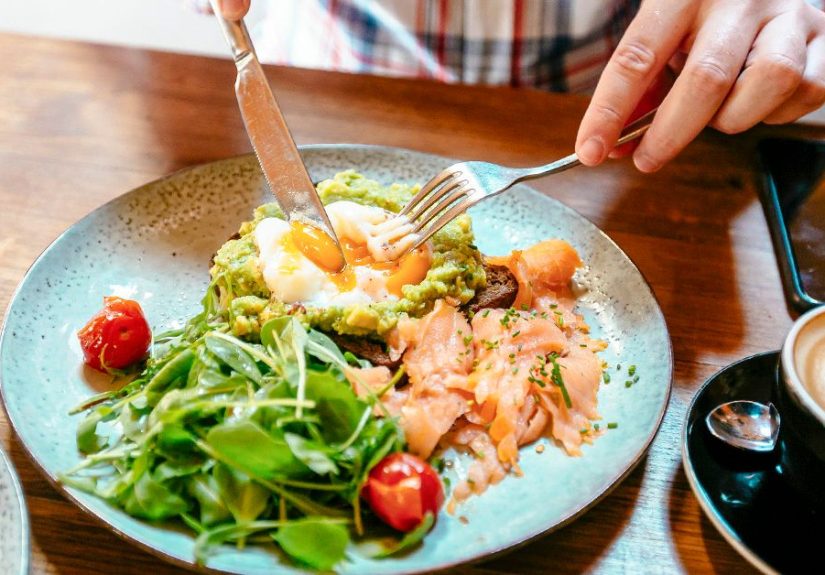
People who used to do bacon-and-cheese-everything often try a gentler approach: oatmeal topped with walnuts, eggs paired with avocado,
or yogurt with seeds and fruit. The reported experience isn’t “I became a new person.” It’s more like:
“I’m full, but I don’t feel weighed down.” That’s partly because meals higher in fiber and unsaturated fats can be satisfying without
leaning so hard on saturated fat-heavy ingredients.
2) The “I didn’t realize how much cheese I was eating” moment: This one sneaks up on people when they check a few labels
or track their food for a week. Cheese itself isn’t evil; it’s just concentrated. Many folks discover their saturated fat intake is less about
one dramatic steak dinner and more about small daily add-ons: a slice here, a sprinkle there, a creamy sauce “because it’s Tuesday.”
A practical fix people like is using cheese as a garnish (flavor) instead of the main character (foundation).
3) Cooking confidence goes up: When people start using olive oil-based dressings, roasted vegetables, salmon, nuts, and beans,
they often report a surprising side effect: they cook more. It’s not because they suddenly love dishes. It’s because simple “healthy-fat”
meals can taste good with fewer complicated steps. A sheet-pan dinner with vegetables and a drizzle of oil is easier than trying to
“engineer flavor” through heavy cream and butter every time.
4) Lab results can be motivatingbut not instant: People who change their fat choices and also improve overall diet quality
(more fiber, fewer ultra-processed foods, better portion balance) often describe follow-up cholesterol checks as a reality-based reward.
Not everyone sees dramatic changes, and it can take time, but many find that seeing LDL move in a healthier direction keeps them consistent.
When results don’t change much, that’s also useful informationit’s a signal to talk with a clinician about genetics, overall dietary pattern,
activity, and whether medication should be part of the plan.
5) The “restaurant strategy” becomes a habit: A very normal experience is learning that you don’t need to avoid restaurants
you just need a strategy. People often start ordering sauce on the side, choosing grilled options, adding veggies, and splitting large portions.
The funniest part? Many realize the meal still tastes great. Turns out your taste buds don’t require a full stick of butter to feel joy.
Conclusion: the simple, sane takeaway
Saturated fat and unsaturated fat aren’t two teams you have to pledge allegiance to. They’re tools.
Saturated fat is easiest to overdoespecially through processed foods and large portions of high-fat meats and full-fat dairy.
Unsaturated fats (from oils, nuts, seeds, avocados, and fish) tend to be the better everyday choice, particularly when they replace saturated fats.
If you want a practical one-liner: aim for more unsaturated fats, less saturated fat, and don’t replace the difference with sugar.
That’s a boring headlinebut it’s a powerful strategy.