Table of Contents >> Show >> Hide
- What You’ll Learn
- What Is Severe Dehydration?
- Symptoms of Severe Dehydration
- Common Causes of Severe Dehydration
- Who’s at Higher Risk?
- Why Severe Dehydration Is Dangerous
- How Doctors Diagnose Severe Dehydration
- Treatment: From “Sip, Sip” to IV Drip
- Prevention: Staying Hydrated Without Turning Into a Human Water Fountain
- Conclusion: Don’t Wait Until Your Body Sends a “Final Notice”
Dehydration is one of those problems that sounds like a minor inconvenience (“I’m just a little thirsty”) right up until it isn’t.
Severe dehydration is the “drop everything” versionyour body is running low on both fluid and the electrolytes that keep your heart,
brain, muscles, and blood pressure playing nicely together.
This guide synthesizes common, consistent guidance from major U.S. medical organizations and academic health systems, then rewrites it in plain
Englishwith a dash of humor, because sometimes you need a chuckle while learning when to call an ambulance.
What Is Severe Dehydration?
Dehydration happens when you lose more fluid than you take in. Mild dehydration can make you feel thirsty and cranky.
Severe dehydration is when the fluid deficit is big enough that your body can’t compensate anymoreblood volume drops,
circulation suffers, and electrolytes (like sodium and potassium) can drift out of balance.
Think of your circulatory system as a delivery service. When the “delivery trucks” (your blood volume) run low, oxygen and nutrients don’t
reach tissues efficiently. Your heart has to work harder, your blood pressure can fall, and your organs may start sending very loud complaints.
Severe dehydration can become life-threatening, especially in infants, older adults, and anyone with ongoing vomiting/diarrhea or heat illness.
Important note: severe dehydration is not a “try a sports drink and see how it goes” situation. If severe symptoms are present, it’s an emergency.
Symptoms of Severe Dehydration
Your body gives plenty of hints when it’s running low on fluid. The tricky part is that people sometimes ignore the early hints,
or assume they’re just tired, stressed, or “not a morning person.” (Fair. But also: drink something.)
Severe Dehydration Symptoms in Adults and Teens
- Very little urination (or none), or urine that’s dark amber and strong-smelling
- Dizziness, especially when standing, or fainting
- Confusion, trouble focusing, unusual irritability, or feeling “out of it”
- Rapid heartbeat and/or rapid breathing
- Dry mouth, very dry skin, or skin that seems less “springy”
- Weakness, extreme fatigue, or inability to keep fluids down
- Cool, clammy hands/feet or signs your body is struggling to maintain circulation
Severe Dehydration Symptoms in Infants and Children
- No wet diapers for 3 hours or more (or dramatically fewer wet diapers than usual)
- No tears when crying, very dry mouth/tongue, or cracked lips
- Sunken eyes (and sometimes a sunken soft spot on the head in infants)
- Sleepiness, lethargy, or being unusually hard to wake
- Fast breathing, fast pulse, or looking “listless”
- Dizziness, inability to stand, or passing out
Red-Flag Signs: When to Get Emergency Help
If you see any of the following, skip the home remedies and get urgent medical care (call 911 or go to the ER):
- Confusion, severe lethargy, or fainting
- Inability to keep fluids down due to persistent vomiting
- Signs of shock (very low blood pressure symptoms, cold/clammy skin, extreme weakness)
- Very little or no urine for many hours, especially with other severe symptoms
- Rapid breathing or a very fast heartbeat
- Infants/young children with concerning dehydration signs (they can worsen quickly)
Quick reality check: severe dehydration can look like “the flu,” “a stomach bug,” “heat exhaustion,” or “I’m just wiped out.”
When symptoms escalateespecially mental status changes, fainting, or no urinationtreat it as urgent.
Common Causes of Severe Dehydration
Severe dehydration usually comes from one of two problems (or both): you’re losing a lot, or you’re not taking in enough.
Here are the usual culprits.
1) Gastrointestinal Illness: Vomiting and Diarrhea
This is the heavyweight champion of dehydration causes. Diarrhea and vomiting can drain water and electrolytes fastespecially in kids.
If illness persists, your intake often drops at the exact moment your losses increase. Rude, but common.
2) Fever
Fever increases fluid loss through sweating and faster breathing. Add reduced appetite and lower fluid intake, and dehydration can sneak up quickly.
3) Heat Exposure and Heavy Sweating
Hot weather, outdoor work, sports, and long workouts can create major fluid loss. If you’re sweating buckets and replacing it with “a few sips”
(or nothing), your body will eventually file a formal complaintoften as dizziness, cramps, or collapse.
4) Not Drinking Enough (Yes, It’s That Simple)
Sometimes it’s not dramaticno stomach flu, no marathon. People can become dehydrated because they’re busy, distracted, traveling,
avoiding bathrooms, or just not great at noticing thirst. Older adults may feel thirst less strongly, which makes this extra common.
5) Medications and Medical Conditions
- Diuretics (“water pills”) increase urine output.
- Uncontrolled diabetes can cause frequent urination, pulling water out with excess glucose.
- Kidney issues or certain illnesses can disrupt fluid balance.
- Burns and severe skin injuries can cause large fluid losses.
Who’s at Higher Risk?
Anyone can get severely dehydrated, but some groups have less margin for errormeaning the “mild” stage can be brief.
- Infants and young children (small bodies, faster fluid shifts, frequent GI bugs)
- Older adults (reduced thirst, medications, mobility challenges, chronic conditions)
- People with vomiting/diarrhea lasting more than a day, or severe symptoms early on
- Athletes and outdoor workers in heat/humidity
- People with diabetes or conditions/meds that increase urination
- Anyone unable to drink reliably (nausea, swallowing issues, altered mental status)
If you’re in a higher-risk group, “wait and see” is a less charming strategy. Early treatment is easier, cheaper, and far less dramatic than an IV.
Why Severe Dehydration Is Dangerous
Severe dehydration isn’t just uncomfortable. It can cause a cascade of problems because your organs depend on steady blood flow and balanced electrolytes.
Potential Complications
- Electrolyte imbalance (which can affect heart rhythm, muscles, and brain function)
- Acute kidney injury from reduced blood flow and concentrated urine
- Heat-related illness (including heat exhaustion and heat stroke)
- Seizures in severe electrolyte disturbances (rare, but serious)
- Low blood pressure and shock, which can be life-threatening
- Worsening of underlying illness (infections, GI conditions, chronic disease flares)
In short: your body is not a cactus. When fluids drop too far, “toughing it out” stops being admirable and starts being hazardous.
How Doctors Diagnose Severe Dehydration
Clinicians diagnose dehydration using a combination of your story (what you’ve been losing and how long), vital signs, physical exam findings,
and sometimes lab tests. No single sign tells the whole storyespecially in childrenso they look at patterns.
What They Look For
- Vital signs: heart rate, blood pressure, breathing rate, temperature
- Hydration clues: dry mucous membranes, low urine output, sunken eyes, capillary refill, skin turgor
- Mental status: alertness, confusion, lethargy
- Weight change: particularly useful in children when recent weights are known
Common Tests (Especially in Moderate to Severe Cases)
- Blood tests to check electrolytes (sodium, potassium), kidney function, and acid-base status
- Urine tests for concentration and hydration markers
If the cause is vomiting/diarrhea, they may also look for signs of infection, inflammation, or other triggers. If it’s heat-related,
they’ll evaluate for heat exhaustion vs. heat stroke and complications.
Treatment: From “Sip, Sip” to IV Drip
The only real fix for dehydration is replacing fluid and electrolytes. The “how” depends on severity,
age, and the cause.
What to Do Right Now (Safe First Steps)
- Move to a cool place if heat is involved. Loosen tight clothing.
- Start rehydrating with small sips if the person is awake, alert, and not vomiting repeatedly.
- Use an oral rehydration solution (ORS) if there’s vomiting/diarrhea, especially in children.
- Get urgent care if red-flag symptoms are present (confusion, fainting, no urine, severe weakness).
Oral Rehydration Solution (ORS): The MVP for Many Cases
ORS isn’t magicalit’s just smart. It contains a specific balance of water, glucose, and electrolytes that helps your intestines absorb fluid
efficiently. It’s commonly recommended for dehydration from diarrhea and vomiting, particularly in kids.
Practical tip: if nausea is present, tiny amounts frequently often work better than chugging a big glass.
For children who are vomiting, clinicians commonly recommend teaspoon-sized sips every minute or two, then gradually increasing as tolerated.
Adults with mild to moderate dehydration may do well with water and salty foods or electrolyte-containing beverages, but if symptoms are escalating,
ORS is often a better “precision tool” than guessing with whatever’s in the fridge.
When IV Fluids Are Needed
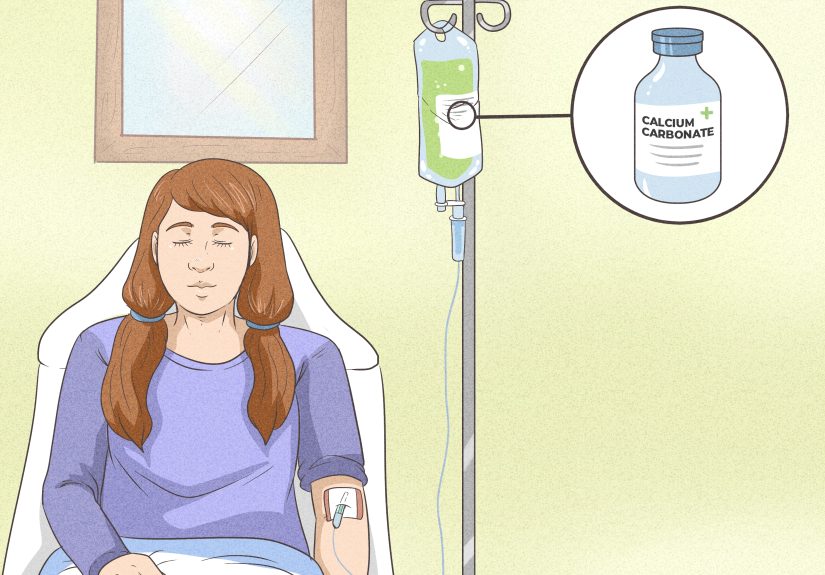
Severe dehydration usually requires medical treatment, often in an emergency department or hospital. If the body can’t absorb enough fluid by mouth
(or the person is too sick to drink safely), fluids are given through a vein (IV) to restore blood volume quickly.
In the ER, clinicians may:
- Give IV fluids (often isotonic solutions) to stabilize circulation
- Monitor electrolytes and correct imbalances safely
- Treat the underlying cause (anti-nausea meds, addressing infection, managing blood sugar, cooling measures for heat illness)
- Reassess frequentlyurine output, mental status, vital signs, and lab results
What Not to Do (Because the Internet Is Creative)
- Don’t take salt tablets unless a clinician tells you to. Too much salt can cause serious complications.
- Don’t rely on alcohol (it increases urination and worsens dehydration).
- Don’t force large volumes quickly when someone is vomitingsmall sips are safer.
- Don’t “tough it out” if there’s confusion, fainting, or no urine output. That’s not grit; that’s risk.
- Don’t give plain water as the main strategy for young children with significant vomiting/diarrheaelectrolyte balance matters.
If you’re wondering whether the situation is “severe,” it’s usually better to err on the side of getting evaluatedespecially for infants,
older adults, or anyone with ongoing GI losses.
Prevention: Staying Hydrated Without Turning Into a Human Water Fountain
Preventing severe dehydration is mostly about noticing the early signs and replacing what you loseespecially during illness and heat.
Here’s how to keep it simple and effective.
Everyday Hydration Habits
- Use your urine as feedback: pale yellow is often a good sign; consistently dark urine can signal you’re behind.
- Drink regularly during the daydon’t wait until you feel like a raisin.
- Pair water with routines: a glass with meals, before leaving home, after the bathroom, and after exercise.
During Heat or Exercise
- Pre-hydrate before long outdoor time.
- Replace ongoing losses during prolonged sweating, and consider electrolytes for long, intense activity.
- Take cooling breaks and don’t “train through” dizziness or confusion.
During Vomiting/Diarrhea
- Start early with ORSdon’t wait until you’re already wiped out.
- Go slow if nausea is present: small, frequent sips.
- Watch kids closely for wet diapers/urination and energy level changes.
Prevention isn’t about drinking a heroic amount of water. It’s about staying ahead of losseslike paying your bills before the late fees kick in.
Conclusion: Don’t Wait Until Your Body Sends a “Final Notice”
Severe dehydration is a medical emergency because it can affect circulation, organ function, and electrolyte balance. The good news is that many
cases start with mild signs you can catch early: thirst, darker urine, fatigue, dizziness, dry mouth, and reduced urination.
The moment symptoms cross into red-flag territoryconfusion, fainting, inability to keep fluids down, very little urine, rapid breathing, or severe
lethargyget urgent medical help. Treatment often requires IV fluids and careful monitoring, especially for children, older adults, and anyone with
significant vomiting/diarrhea or heat illness.
Quick Takeaways
- Severe dehydration = urgent. If mental status changes or fainting appear, seek emergency care.
- ORS beats guesswork for vomiting/diarrhea, especially in kids.
- Heat + sweat + not drinking can spiral fastcool down and rehydrate early.
- Hydration is preventionsmall, consistent habits help avoid big problems.
Real-World Experiences (What People Commonly Report)
Severe dehydration stories tend to start the same way: “I thought it was no big deal.” The details change, but the plot twist is consistent
the body has a limited tolerance for fluid loss, and once you cross that line, the comeback tour requires help.
Experience #1: The ‘It’s Just a Stomach Bug’ Weekend. A parent notices their child has been vomiting and has diarrhea.
The kiddo is miserable, so the well-meaning plan is “let the stomach rest,” which often turns into “barely drinking anything.”
By the next morning, the child is unusually sleepy, not interested in playing, and the wet diapers (or bathroom trips) have basically disappeared.
This is the moment caregivers often say, “We offered water, but they wouldn’t take it.” Clinicians commonly recommend switching the goal from
“a big drink” to “tiny, frequent sips”and using an oral rehydration solution because it replaces electrolytes as well as water.
The practical lesson: don’t wait for the child to ask for fluids. Offer regularly, go slow, and watch urine output and energy level like a hawk.
Experience #2: The ‘I’m Fine’ Outdoor Workday. An adult works outside during a hot spell. They’re sweating nonstop,
but the day is busy, so fluid breaks are rare. By afternoon they feel a headache, then dizziness. They stand up, the world tilts,
and suddenly they’re sitting on the curb reconsidering every life choice that led to “I don’t need water right now.”
People often describe their heart racing, their mouth feeling like it’s stuffed with cotton, and their thinking becoming foggy.
In heat-related dehydration, cooling down is half the battle: shade, air conditioning, cool cloths, and then steady rehydration.
The practical lesson: if you’re sweating heavily, your hydration plan can’t be “I’ll catch up later.” Later is when symptoms get dramatic.
Experience #3: The Older Adult Who ‘Wasn’t Thirsty.’ Many older adults don’t feel thirst as strongly, and some intentionally
drink less to avoid frequent bathroom trips. Add a diuretic medication, a mild infection with low-grade fever, or just a few days of poor intake,
and dehydration can creep in quietly. Families often report subtle changes first: more fatigue, a little confusion, reduced appetite, or dizziness.
Then comes the red flagvery little urine, fainting, or worsening confusion. The practical lesson: for older adults, thirst is not a reliable
alarm system. Scheduled drinking (small amounts regularly), monitoring urine color, and early medical advice during illness can prevent a spiral.
Experience #4: The ‘Hydrated’ Athlete Who Only Drank Water. Some endurance athletes pride themselves on drinking lots of water,
but forget that heavy sweating also means electrolyte loss. People sometimes describe cramps, weakness, headache, nausea, or feeling “off”
despite drinking. Not every symptom is dehydration aloneoverhydration and low sodium can also be dangerousso the lesson is balance:
match your strategy to duration, sweat rate, and conditions. If symptoms are severe (confusion, fainting, severe weakness), it’s time for medical care,
not another motivational speech.
Across these experiences, the pattern is clear: severe dehydration isn’t a character flaw; it’s physiology. Catch it early, use the right fluids,
and don’t hesitate to seek help when warning signs show up.