Table of Contents >> Show >> Hide
- Why Sheet Pan Cheesesteaks Work (And Why You’ll Keep Making Them)
- Ingredients
- Choosing the Best Beef (And How to Slice It Thin Without Crying)
- The Cheese Question (Provolone vs American vs “The Orange One”)
- Step-by-Step: Sheet Pan Cheesesteak Sandwiches
- Food Safety Notes (Because Great Sandwiches Shouldn’t Come With Regrets)
- Make It Your Way: Variations That Still Feel Like a Cheesesteak
- Troubleshooting: Fix Common Sheet Pan Cheesesteak Problems
- What to Serve With Sheet Pan Cheesesteaks
- FAQs
- Kitchen Notes & Home-Cook “Experiences” (Extra )
- Conclusion
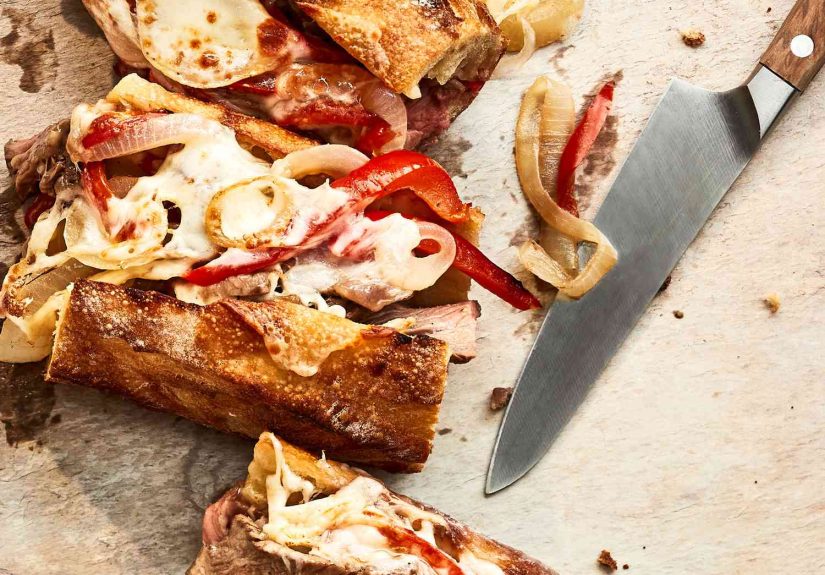
If you love a Philly-style cheesesteak but don’t love babysitting a skillet like it’s a toddler with a marker,
this is your moment. Sheet pan cheesesteak sandwiches give you the same greatest-hits combothin beef, sweet onions,
melty cheese, and soft hoagie rollswithout turning your stovetop into a grease-themed crime scene.
The sheet pan method is simple: crank the oven hot, spread everything out so it roasts and browns (not steams),
then pile it into rolls and let the cheese do what cheese was born to do. The result? Big flavor, minimal dishes,
and a dinner that feels like takeouteven though you made it in pajama pants. (No judgment. That’s the chef’s uniform now.)
Why Sheet Pan Cheesesteaks Work (And Why You’ll Keep Making Them)
Traditional cheesesteaks are cooked on a flat-top griddle, which is great if you have one… or if your kitchen is a
sandwich shop. At home, a hot oven can mimic the speed and browning, especially when you preheat the pan and
keep ingredients in a single, roomy layer.
- High heat = browning: You want sizzling edges on the beef and lightly charred peppers.
- One pan = fewer dishes: A rare and beautiful thing.
- Easy scaling: Feeding two or a crowd? Just add another pan.
- Consistent results: The oven doesn’t get distracted by your group chat.
Ingredients
This recipe makes about 6 hearty sandwiches. You can easily cut it in half or double it (use two pans if doubling).
For the Cheesesteak Filling
- 1 1/2 to 2 pounds thinly sliced beef (ribeye, sirloin, or shaved steak)
- 1 large onion, thinly sliced
- 2 bell peppers (green + red is classic), thinly sliced
- 8 ounces mushrooms, sliced (optional but highly recommended if you like extra savory depth)
- 2 tablespoons olive oil
- 2 tablespoons Worcestershire sauce
- 1 tablespoon Dijon mustard (optional, but adds great tang)
- 1 teaspoon garlic powder
- 1/2 teaspoon onion powder
- 1/2 to 1 teaspoon kosher salt (start smaller if your Worcestershire is salty)
- 1/2 teaspoon black pepper
- Pinch of sugar or 1 teaspoon brown sugar (optional, helps browning)
For Serving
- 6 hoagie rolls (or sub rolls)
- 8 to 10 slices provolone or white American cheese (or a mix)
- Optional toppings: hot peppers, sautéed onions (already here!), extra black pepper
Choosing the Best Beef (And How to Slice It Thin Without Crying)
The “real” cheesesteak conversation can get intense. Here’s the calm, home-kitchen truth: you want thin beef
that cooks fast and stays tender. Ribeye is the classic because it’s marbled and forgiving. Sirloin is leaner but still
works beautifully when sliced thin. Shaved steak from the butcher is the ultimate shortcutyour future self will thank you.
Thin-Slicing Trick (The Partial Freeze Method)
- Cut your steak into manageable pieces (about 3 inches wide).
- Place it in the freezer for 30–60 minutes, until it’s firm but not rock solid.
- Use a sharp knife to slice as thinly as possible against the grain.
This is the same basic strategy many recipe developers and test kitchens recommend for getting those shaved, deli-thin slices
at homewithout specialized equipment.
The Cheese Question (Provolone vs American vs “The Orange One”)
Cheesesteaks are famously loyal to a few options: provolone, American, and Cheez Whiz.
Each melts differently and gives you a different vibe:
- Provolone: creamy, slightly sharper flavor, classic “cheese pull” energy.
- American (white preferred): ultra-melty, smooth, coats the beef like a cozy blanket.
- Cheez Whiz: saucy, nostalgic, and unapologetically bold (use if you want that iconic sandwich-shop feel).
If you can’t choose, do what smart people do in life and order the combo: provolone + American is a top-tier move.
Step-by-Step: Sheet Pan Cheesesteak Sandwiches
1) Preheat the Oven (And the Pan)
Heat your oven to 475°F. Place a rimmed baking sheet on the middle rack while the oven heats.
Preheating the pan helps you get better browning right awaylike jump-starting the sizzle.
2) Make a Quick Marinade
In a large bowl, whisk together olive oil, Worcestershire, Dijon (if using), garlic powder, onion powder, salt, pepper,
and a pinch of sugar.
Add the beef and toss to coat. Let it sit while you slice the vegetables10–15 minutes is enough to boost flavor.
3) Toss the Veggies
Add onions, peppers, and mushrooms to the bowl (or a second bowl if your beef is already marinating like it owns the place).
Toss until everything is lightly coated.
4) Roast on the Sheet Pan
Carefully remove the hot pan from the oven. Spread the vegetables in an even layer, then distribute the beef over top.
The goal is space. Crowding = steaming. Space = browning.
Roast for 12–15 minutes, stirring once halfway through. If your beef is very thin, start checking at 10 minutes.
You want the beef cooked through with browned edges and the vegetables softened and lightly charred.
5) Melt the Cheese
Once the beef and veggies look browned and delicious, switch the oven to broil (high).
Arrange slices of cheese over the top and broil for 1–2 minutes, just until melted and bubbly.
Don’t walk awaybroilers are powerful and dramatic.
6) Toast the Rolls (Optional, But Worth It)
Split your hoagie rolls. If you like a toasty interior, place them on a separate pan or directly on the oven rack for
1–2 minutes while the cheese melts (keep an eye on them). Toasting helps the bread hold up to the juicy filling.
7) Build the Sandwiches
Use tongs to pile cheesy beef-and-veggie goodness into each roll. Add hot peppers or extra black pepper if you want a little kick.
Serve immediately, preferably with napkins nearby (this is not a dainty sandwich, and that’s the point).
Food Safety Notes (Because Great Sandwiches Shouldn’t Come With Regrets)
Thin beef cooks quickly, but it’s still important to handle it safely:
- Keep raw beef cold until cooking time, especially if you’re using the partial-freeze slicing trick.
- Avoid cross-contamination: separate cutting boards for meat and vegetables, or wash thoroughly in between.
- Cook to a safe temperature: For whole cuts of beef, USDA guidance commonly notes
145°F with a rest time. With thin slices, you’ll usually cook until no longer pink and edges brown.
If using ground beef as a shortcut, it should reach 160°F.
Make It Your Way: Variations That Still Feel Like a Cheesesteak
1) The “Busy Weeknight” Version
Use shaved steak from the store, frozen pepper-and-onion strips (thawed and patted dry), and American cheese.
You can be eating in 25 minutes, and nobody needs to know you used shortcuts. Your secret is safe with me.
2) The Mushroom-Lover’s Upgrade
Add extra mushrooms and a pinch of dried thyme or Italian seasoning. Mushrooms bring a deep savory flavor that plays
extremely well with Worcestershire and melted cheese.
3) Spicy Pepper Mode
Add sliced hot cherry peppers or pickled jalapeños after baking. For heat baked into the filling, toss in a pinch of crushed red pepper.
4) Chicken “Cheesesteak” Sheet Pan Sandwiches
Swap beef for thinly sliced chicken breast or thigh. Keep the same seasoning, and use provolone.
Cook until chicken is fully done (no pink, juices run clear).
Troubleshooting: Fix Common Sheet Pan Cheesesteak Problems
“My beef turned out chewy.”
- Slice thinner next time (partial-freeze helps).
- Choose a more tender cut (ribeye is forgiving).
- Don’t overcookthin beef goes from perfect to tough fast.
“Everything got watery instead of browned.”
- Don’t crowd the panuse two pans if needed.
- Pat mushrooms and peppers dry if they seem wet.
- Preheat the pan for a better initial sear.
“The rolls got soggy.”
- Toast the rolls.
- Drain excess liquid on the pan corner before filling.
- Use sturdier hoagie rolls instead of very soft sandwich buns.
What to Serve With Sheet Pan Cheesesteaks
Keep it classic, keep it easy:
- Oven fries or wedge potatoes
- Simple green salad with a tangy dressing (it cuts the richness)
- Crunchy pickles or quick-pickled onions
- Coleslaw (creamy or vinegar-based)
FAQs
Can I prep this ahead of time?
Yes. Slice the beef and vegetables up to a day ahead. Store separately in airtight containers in the fridge.
When ready, toss with the seasonings and roast. (If you season too early, veggies can release water and reduce browning.)
Can I freeze the filling?
You can, but the texture is best fresh. If you do freeze, cool completely, freeze in an airtight container, and reheat in a hot oven
to bring back some browning. Microwaving works, but it’s less “cheesesteak magic” and more “lunch break survival.”
Is this an “authentic” Philly cheesesteak?
It’s inspired by the classic, but sheet pan methods and home-kitchen swaps are about convenience.
The spirit is there: thin beef, onions, melty cheese, hoagie roll, happiness.
Kitchen Notes & Home-Cook “Experiences” (Extra )
Let’s talk about what usually happens the first few times people make sheet pan cheesesteak sandwichesbecause
recipes are one thing, and real kitchens are another. In many home kitchens, the first “aha” moment is realizing
how much space matters. People tend to pile everything onto one pan like it’s a family photo,
and then wonder why the vegetables are soft-but-pale and the beef is more “steamed” than “seared.” The fix is
surprisingly simple: spread it out. The oven can only brown what it can reach, and overcrowding traps moisture.
Once you try the two-pan approach (or just a larger pan), the flavor jumps from “pretty good” to “why is this so restaurant-y?”
Another common experience: the bread factor. Plenty of folks skip toasting because the filling smells so good
they enter a state of sandwich urgency. Then the hoagie absorbs juices like it’s trying to become soup. Toasting the inside
of the roll for even one minute creates a light barrier. It’s not fancyit’s physics. And it’s one of those tiny steps that
makes you feel like you’ve unlocked a new cooking level without buying anything or learning French culinary terms.
The third “kitchen reality” is that cheese strategy is personal. Some people are provolone loyalists because it tastes
like a grown-up sandwich. Others want white American because it melts like a dream and makes everything feel extra comforting.
And then there are the folks who want that bold, saucy vibeso they add a drizzle of cheese sauce at the end. What’s interesting is
how often home cooks end up mixing cheeses after a few tries: provolone for flavor plus American for melt is a popular
“best of both worlds” move. It’s not indecisive; it’s enlightened.
If you’re slicing your own beef, there’s also a learning curve that a lot of people can relate to. The partial-freeze method feels
like a magic trick the first time you try itbecause suddenly the knife cooperates and you get those thin ribbons that cook quickly.
Many home cooks discover they don’t need paper-thin slices to get great results. “Thin enough to fold” is a solid target. And if the
slices are uneven? No big deal. The oven is forgiving, and the final sandwich is more about the overall bite than perfection.
Finally, there’s the universal sheet pan experience: the crispy bits. The browned edges where beef meets hot metal,
the slightly charred pepper tips, the caramelized onion strandsthese are the little bonus flavors that make people go back for
“just one more bite,” even when they’re already full. Some home cooks even start “aiming” ingredients toward the pan edges to encourage
more browning. That’s not overthinking. That’s wisdom earned through delicious trial and error.
In other words, sheet pan cheesesteaks aren’t just a recipethey’re the kind of dinner that improves as you learn your oven,
your pan size, and your personal cheese philosophy. And once you’ve nailed it, it becomes an easy crowd-pleaser you can crank out
on a weeknight or serve on game day without missing the fun.
Conclusion
Sheet pan cheesesteak sandwiches are everything we want dinner to be: fast, bold, comforting, and low on cleanup.
With thin-sliced beef, a hot oven, and a smart cheese choice, you get browned edges, tender bites, and that melty, messy magic
that makes a cheesesteak worth obsessing over. Make it classic, make it spicy, pile on mushrooms, or mix your cheesesthis is
one of those recipes that happily adapts to your kitchen and your cravings.