Table of Contents >> Show >> Hide
- The Quick Answer (Because You Have a Load Waiting)
- Why Hot Water Is Tempting (And Sometimes Legit)
- Why Laundry Pros Don’t Default to Hot for Cotton
- What “Hot” Even Means (Because Washers Love Vague Labels)
- The Fabric-Nerd Factor: Not All Cotton Is the Same Cotton
- When Hot Water Makes Sense for Cotton
- When Hot Water Is a Bad Idea (Even for Cotton)
- The Laundry-Pro Decision Tree: Hot, Warm, or Cold for Cotton?
- How to Wash Cotton the “Pro” Way (Without Overthinking It)
- Hot Water vs. Cold Water: The Energy (and Money) Side
- Myth Busting: “Hot Water Is the Only Way to Truly Clean Cotton”
- FAQ: The Questions People Whisper to Their Washing Machines
- Bottom Line: The “Right” Temperature for Cotton Depends on the Mission
- Laundry Room Diaries: 5 Real-World Experiences That Change How You Wash Cotton (Extra )
Cotton is the friend who says, “Sure, I can handle it,” and then quietly shrinks half a size when you’re not looking. So let’s settle the hot-water debate the way responsible adults do: with real-world laundry logic, fabric science you can actually use, and the kind of practical advice laundry pros repeat so often they could say it in their sleep.
Here’s the truth: you can wash many cotton items in hot waterbut you shouldn’t always. Hot water is a tool, not a lifestyle. Most of the time, warm or cold is plenty, especially with today’s detergents. Hot water earns its keep when you need extra help with hygiene, heavy soil, or keeping whites brightassuming the fabric and dye can take the heat.
The Quick Answer (Because You Have a Load Waiting)
- Everyday cotton (tees, casual shirts, most colors): cold or warm is usually best.
- White cotton, towels, sheets, underwear, socks: warm is often ideal; hot is optional when needed (and label-approved).
- Heavily soiled cotton (mud, body oils, greasy kitchen towels): warm or hot can helpplus pre-treating.
- When someone’s sick or you need extra sanitizing: use the warmest label-safe setting (or a washer’s sanitize cycle if you have one) and dry thoroughly.
- If you love your cotton item exactly the size it is right now: avoid hot water and high-heat drying.
Why Hot Water Is Tempting (And Sometimes Legit)
Hot water has two big selling points: it can boost cleaning and it can support hygiene. Heat helps loosen oily soils (think: sweat + deodorant + summer). It can also help certain whitening strategies for sturdy whites.
But hot water is not magic. The cleaning you get depends on the whole system: detergent chemistry, agitation, time, load size, and how badly your clothes were living their best life in public.
Hot Water Can Help With:
- White cotton that looks a little “mysteriously gray” (aka: body oils + detergent residue + time).
- Towels and sheets that need a deeper reset, especially if they smell “clean-ish.”
- Heavily soiled work clothes (gardening, construction, greasy cooking sessions).
- Illness or extra hygiene situationswhen used correctly and paired with thorough drying.
Why Laundry Pros Don’t Default to Hot for Cotton
Laundry professionals tend to be pro-fabric. They care about cleaning, yesbut they also care about not destroying your stuff along the way. And hot water can be rough on cotton in three classic ways:
1) Shrinkage
Cotton fibers can tighten up with heat and agitation. Some cotton is pre-shrunk, some is not, and some is “pre-shrunk-ish” (which is a real category in the wild, not in a textbook). The risk goes up with looser knits, certain weaves, and blends that don’t behave predictably.
2) Fading and Dye Bleeding
Hot water can encourage dyes to releaseespecially in darks, brights, and cheaper or newer garments. If you’ve ever pulled a “pink surprise” out of what used to be a white load, you already know.
3) Faster Wear
Heat can stress fibers over time. And if you pair hot water with high-heat drying, you’ve basically created a tiny cotton-aging accelerator. (Cute for wine. Less cute for your favorite tee.)
What “Hot” Even Means (Because Washers Love Vague Labels)
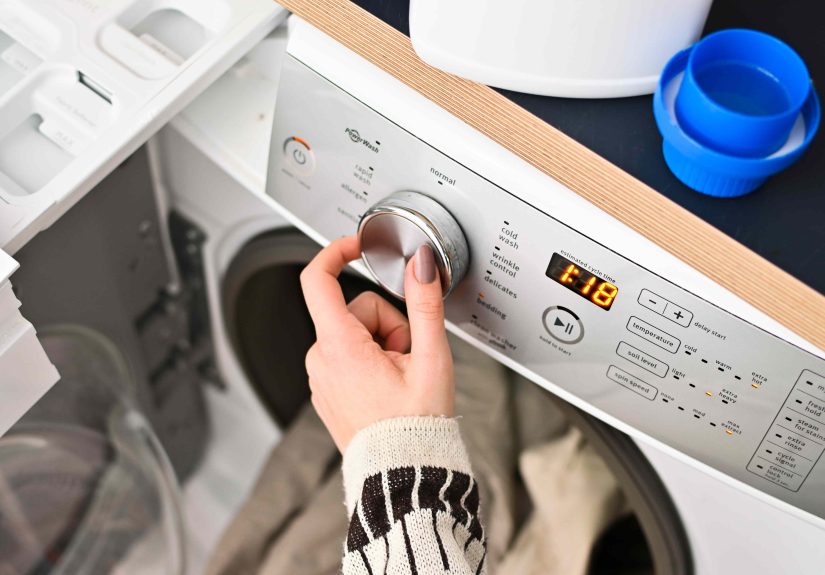
Washer settings aren’t always precise, and “hot” can vary by machine, home plumbing, and water heater settings. Many guides describe ranges like these:
| Setting | Typical Range | Best For | Watch Outs |
|---|---|---|---|
| Cold | About 60–80°F (varies) | Most colors, everyday cotton, delicates, darks | May struggle with heavy oils unless you pre-treat |
| Warm | About 90–100°F (varies) | Most cotton loads, mixed loads, moderate soil | Still not ideal for some dyes and some shrink-prone knits |
| Hot | 130°F+ (varies) | Sturdy whites, heavy soil, extra-hygiene situations | Shrinkage, fading, fiber stress |
Translation: Don’t assume your “hot” is truly hot, and don’t assume your “cold” is icy. Your washer is not a poet, but it does speak in vibes.
The Fabric-Nerd Factor: Not All Cotton Is the Same Cotton
Laundry pros don’t just look at the word “cotton.” They look at:
- Weave/knit: tightly woven cotton often tolerates heat better than loose knits.
- Twist and construction: some cotton yarns are more dimensionally stable than others.
- Finish: pre-shrunk cotton behaves differently than untreated cotton.
- Blend: cotton blended with spandex, rayon, or other fibers can be more temperature-sensitive.
- Dye: deep colors and trendy washes can be heat-reactive (especially early in the garment’s life).
If you want a simple rule: the more “structured” and “sturdy” the cotton feels, the better it handles heat. If it’s drapey, thin, stretchy, or brand-new-and-very-dark, treat it gently.
When Hot Water Makes Sense for Cotton
1) White Cotton That Needs Brightening
White cotton sheets, socks, and tees can gradually dull due to body oils, residue, and time. Warm water often does the job. Hot can help sometimesbut don’t skip the basics: correct detergent amount, not overloading the washer, and rinsing well.
2) Towels and Washcloths (Sometimes)
Towels are thick, absorbent, and excellent at collecting body oils and product buildup. Warm water is typically a sweet spot: effective cleaning with less wear. Hot water can be useful for a periodic reset, but overdoing it can stiffen fibers fasterespecially if you’re also using too much detergent or fabric softener.
3) Underwear and Socks (Label-Approved)
These items face sweat, skin oils, and close contact. If the care label allows, warm water is usually enough. Hot can be helpful when you want extra insurance, but it’s not mandatory for every loadespecially if it shortens the life of elastic or dyes.
4) Heavy Soil: Gardening, Grease, and “How Did This Happen?” Loads
If your cotton has ground-in dirt or oily stains, warm-to-hot can helpbut pre-treating matters more than temperature alone. Scrape off solids, pre-treat stains, and give the detergent time to work before you recruit hot water like it’s the hero of the story.
5) Extra Hygiene Situations
In settings where disinfection is critical (healthcare laundering guidance is much stricter than home laundry), high temperatures and proper chemistry are used. At home, if you’re dealing with illness, focus on the warmest label-safe wash, good detergent, and complete drying. Many washer “sanitize” cycles, when available, are specifically designed for this kind of job.
When Hot Water Is a Bad Idea (Even for Cotton)
- Darks and brights you want to keep vibrant.
- New cotton (especially dark denim, black tees, richly dyed items) that hasn’t “settled.”
- Cotton knits that already feel a little “shrink-curious.”
- Cotton blends with stretch (spandex/elastane) where heat can reduce recovery over time.
- Anything that says “cold” or “warm” on the care label (the label is the boss).
The Laundry-Pro Decision Tree: Hot, Warm, or Cold for Cotton?
-
Read the care label.
If it says cold-only, believe it. If it says warm, don’t “upgrade” to hot out of optimism.
-
Ask: is it white, light, or dark?
Dark cotton is usually happiest in cold. Whites can tolerate warmer washes, depending on fabric construction.
-
Ask: is it heavily soiled or just normal-life dirty?
Normal-life dirty = cold or warm. Heavy soil = warm, plus pre-treating; hot only if label-safe and truly needed.
-
Ask: do I care more about longevity or maximum cleaning?
If you want the garment to look good longer, colder is gentler. If you need a deeper reset, warmer may help.
-
Finish with smart drying.
Even if you wash in hot, the dryer can be the real shrink villain. Low heat or air-drying protects cotton.
How to Wash Cotton the “Pro” Way (Without Overthinking It)
Step 1: Sort Like You Mean It
- Whites (sturdy cotton): separate from colors.
- Darks/brights: keep together; cold water helps protect dye.
- Lint factories (towels) and lint magnets (athletic wear, some knits): consider separating.
Step 2: Pick a Temperature Strategy That Works Most of the Time
Most laundry pros would be perfectly happy if you used this simple default:
- Cold for most colored cotton and everyday loads.
- Warm for sheets, towels, underwear, and mixed cotton loads when you want a stronger clean.
- Hot occasionally for sturdy whites or special circumstancesonly when label-safe.
Step 3: Don’t Let Detergent Become the Plot Twist
Using more detergent than recommended can leave residue that traps odor and dulls fabricespecially in towels and heavy cotton. If your cotton comes out “clean” but not “fresh,” try using the correct dose, adding an extra rinse, and avoiding overloads.
Step 4: Treat Stains Before the Washer “Bakes” Them In
Heat can set certain stains. If it’s a mystery stain, treat it first and wash in cold or warm. Check the item before dryingbecause dryers are very confident and very wrong sometimes.
Hot Water vs. Cold Water: The Energy (and Money) Side
Heating water is one of the biggest energy costs tied to laundry. Using cold water more often can reduce energy use, and many modern detergents are designed to perform well at lower temperatures. That doesn’t mean “never use hot,” but it does mean hot shouldn’t be your autopilot settingespecially for everyday cotton.
Myth Busting: “Hot Water Is the Only Way to Truly Clean Cotton”
Nope. Hot water is a way, not the way. Cleaning performance depends on:
- Detergent formulation (some are optimized for cold water)
- Cycle time and agitation
- Load size (overloading reduces cleaning)
- Pre-treatment (often the real MVP)
- Drying (important for odor control and hygiene)
If your cotton doesn’t smell clean after a cold wash, the fix may not be “hotter water.” It might be “less detergent,” “smaller loads,” “an extra rinse,” or “cleaning the washer.” Laundry is a system, and your T-shirts are just trying to survive it.
FAQ: The Questions People Whisper to Their Washing Machines
Will hot water always shrink cotton?
Not alwaysbut it increases the risk, especially for knits, looser weaves, non-pre-shrunk items, and anything that also gets high-heat drying. If you want to reduce shrink surprises, choose cold or warm and dry on low heat.
Is warm water “pointless”?
Warm is actually the sweet spot for a lot of cotton laundry: it improves cleaning compared to cold for certain soils, while being gentler than hot. It’s the practical middle child of wash tempsand honestly, it deserves more respect.
What about sanitizing cotton?
If you need extra hygiene (like during illness), use the warmest label-safe setting or a sanitize cycle if your washer has one, and dry items completely. Follow product and appliance directions closely, and never mix cleaning chemicals.
Should I wash cotton sheets in hot water?
Many cotton sheets can handle warm or hot, but warm is often enough for routine washing. Hot can be used occasionally when you want a deeper resetjust don’t combine it with brutal high-heat drying if you want sheets to last.
Bottom Line: The “Right” Temperature for Cotton Depends on the Mission
If your mission is long-lasting color and fit, choose cold or warm for most cotton. If your mission is extra cleaning power for sturdy whites or heavy soil, hot can helpwhen the care label agrees. In most homes, the most “pro” approach is not extreme. It’s strategic.
Use hot water like hot sauce: amazing in the right moment, regrettable as a personality.
Laundry Room Diaries: 5 Real-World Experiences That Change How You Wash Cotton (Extra )
To make this topic feel less like a textbook and more like real life (where socks disappear and nobody knows why), here are common experiences people report when they experiment with hot vs. warm vs. cold for cotton. Think of these as “street-tested” lessons from households that learned the hard wayso you don’t have to.
1) The “My Black Tee Used to Be Black” Moment
A lot of people start this journey after noticing their dark cotton tees fade faster than expected. They didn’t do anything “wrong” in the obvious waythey just washed dark cotton with warm or hot water out of habit. After switching dark cotton loads to cold water, many notice their blacks stay deeper longer and graphic prints look less crackly. The surprising part? Clothes still come out cleanespecially when stains get pre-treated and loads aren’t crammed like a suitcase before a flight.
2) The “Hot Water Didn’t Fix the Towel Smell” Plot Twist
Some folks try hot water because towels smell a little musty even after washing. Hot water helps sometimes, but the bigger game-changers tend to be: using the right detergent amount, running an extra rinse, and avoiding fabric softener buildup. Once they reduce residue, towels often smell fresher even on warm washes. The takeaway experience here is hilarious and humbling: the problem wasn’t that the water wasn’t hot enoughit was that the towel was basically holding onto a “souvenir collection” of old detergent.
3) The “Cotton Shrunk…But the Dryer Did the Crime” Realization
Many people blame the washer when cotton shrinks, then realize the shrinkage happened after a high-heat dry. They’ll wash in warm or even cold and still end up with a shirt that now fits a younger sibling. When they switch to low-heat drying (or pull cotton items out slightly damp to air-finish), shrinkage becomes less dramatic. The lived experience lesson: if you’re worried about cotton size, the dryer setting deserves at least as much attention as wash temperature.
4) The “Whites Look Better After a Warm Routine” Upgrade
Some households default to cold for everything (for savings and fabric care) and then wonder why white cotton socks and tees look dingy. A common “aha” moment is adopting a simple routine: wash sturdy whites in warm water most of the time, use hot only occasionally when needed, and separate whites from dark lint. People often notice whites stay brighter without needing constant heavy-duty measures. It’s less about blasting everything with heat and more about choosing a temperature that fits the fabric and the goal.
5) The “I Stopped Guessing and Started Checking Labels” Adulting Level-Up
This is the least glamorous experience and the most effective. People who stop guessing and start following care labels report fewer disasters: less dye bleed, fewer “why is this smaller,” and fewer items that feel rough or tired too quickly. The label-first habit also helps with cotton blendsbecause cotton mixed with stretch fibers can behave totally differently than 100% cotton. The practical result is simple: fewer replacements, fewer laundry regrets, and more clothes that keep their shape and color longer.
In other words: when it comes to cotton, hot water isn’t the villain or the hero. It’s the loud friend who needs boundaries. Use it when it helps. Skip it when it harms. And let the care label be the calm, responsible voice in the laundry room.