Table of Contents >> Show >> Hide
- What is sleep onset insomnia?
- Why sleep onset insomnia happens (the science without the snooze)
- Common causes and contributors
- 1) Stress, anxiety, and “bedtime brainstorming”
- 2) Stimulants and stealth stimulants
- 3) Alcohol: the “helps you fall asleep” trap
- 4) Screens, light, and late-night stimulation
- 5) A schedule mismatch (including being in bed too early)
- 6) Medical and mental health conditions
- 7) Medications and substances
- Sleep onset insomnia vs. a “late body clock” (delayed sleep-wake phase)
- How sleep onset insomnia is diagnosed
- Treatments that actually work
- CBT-I: the first-line, best-evidence treatment
- Key CBT-I components (and why they help sleep onset)
- 1) Stimulus control: retrain “bed = sleep”
- 2) Sleep restriction therapy: less time in bed, more sleep efficiency
- 3) Cognitive tools: stop feeding the sleep-anxiety loop
- 4) Relaxation training (useful, but not the whole plan)
- Medication options (usually short-term, and very individualized)
- What about melatonin and “natural” sleep aids?
- A simple plan you can start tonight
- When to see a doctor or sleep specialist
- Experiences: What sleep onset insomnia feels like in real life (and what tends to help)
- Final thoughts
- SEO Tags
You’re exhausted. Your pillow is doing its job. Your brain, however, has decided it’s time to host a late-night talk show called “What If Everything Goes Wrong?”
That struggle to fall asleep at the start of the night is often called sleep onset insomnia (also known as initial insomnia). And while it can feel like a personal betrayal by your own nervous system, it’s usually a solvable problemespecially when you match the pattern to the right solution.
In this guide, we’ll break down what sleep onset insomnia is, the most common causes, how it’s evaluated, and which treatments have the best track record (spoiler: it’s not “just try harder”).
What is sleep onset insomnia?
Sleep onset insomnia means you have trouble initiating sleep at bedtimeoften spending 30+ minutes (sometimes hours) awake before drifting off. It can happen occasionally (a rough week) or become chronic (a rough season… or year).
Clinically, “insomnia disorder” is typically diagnosed when sleep difficulty happens at least 3 nights per week, lasts 3 months or more, and causes daytime impairment (fatigue, mood issues, concentration problems, etc.). But even if you don’t check every box, the experience can still be miserableand worth addressing.
How it usually feels
- Racing thoughts the moment the lights go out
- Clock-watching and mental math (“If I fall asleep NOW, I’ll get 5 hours…”)
- Body tired, mind wired
- Sleep anxietyworrying about sleep becomes the thing that blocks sleep
Why sleep onset insomnia happens (the science without the snooze)
Falling asleep is basically a negotiation among three systems: sleep drive (pressure that builds the longer you’re awake), your circadian rhythm (your internal clock), and your arousal system (stress hormones, alertness, threat detectionthanks, evolution).
Sleep onset insomnia often shows up when the arousal system wins the argument. Sometimes it’s a short-term spike (stress). Other times it’s a learned patternyour brain starts associating “bed” with “effort, frustration, and Olympic-level worrying.”
Common causes and contributors
1) Stress, anxiety, and “bedtime brainstorming”
Life stress is a top trigger: work pressure, health worries, relationship conflict, grief, money. Even positive stress (travel, a new job, big events) can flip the switch from sleepy to vigilant.
2) Stimulants and stealth stimulants
Caffeine is famous, but it’s also sneakycoffee, tea, soda, energy drinks, chocolate, “pre-workout,” and some headache meds. Nicotine is another stimulant that can keep sleep onset out of reach.
3) Alcohol: the “helps you fall asleep” trap
Alcohol may make you drowsy at first, but it can fragment sleep later in the night and worsen overall sleep quality. If you’re using it as a sleep tool, it often backfires over time.
4) Screens, light, and late-night stimulation
Bright light in the evening (especially close to bedtime) tells your brain, “Great news: it’s daytime.” Add emotionally activating contentdoomscrolling, news, arguments, intense showsand sleep onset can get delayed even more.
5) A schedule mismatch (including being in bed too early)
If you go to bed before your body is biologically ready, you can lie awake long enough to develop conditioned arousal: the bed becomes a place where you’re awake and annoyed.
6) Medical and mental health conditions
Pain, reflux, asthma, menopause symptoms, depression, PTSD, and many chronic conditions can make it harder to settle. Sometimes the insomnia is “comorbid”meaning it travels with other conditions and still deserves direct treatment.
7) Medications and substances
Some medications can interfere with sleep onset depending on timing and individual sensitivity (certain stimulants, some antidepressants, steroids, decongestants, etc.). A clinician can help you review your list and adjust timing if appropriate.
Sleep onset insomnia vs. a “late body clock” (delayed sleep-wake phase)
A big reason people stay stuck is mislabeling the problem. True sleep onset insomnia is trouble falling asleep even when your schedule is reasonable. But delayed sleep-wake phase disorder (a circadian rhythm issue) is more like: “I can sleep fine… just not at the time society demands.”
A quick sorting guide
- More likely insomnia: You struggle to fall asleep even on weekends or vacations, and sleep still feels “light” or effortful.
- More likely delayed body clock: If allowed to follow your natural schedule, you fall asleep easily (just late) and sleep normally.
Why this matters: insomnia often responds best to CBT-I, while a delayed body clock is more about timing (consistent wake time, morning light exposure, and sometimes carefully timed melatonin under guidance).
How sleep onset insomnia is diagnosed
Most of the time, evaluation starts with a detailed history: bedtime and wake time, how long it takes to fall asleep (sleep latency), awakenings, naps, caffeine/alcohol use, stress, and what you do in the hour before bed.
Tools clinicians commonly use
- Sleep diary for 1–2 weeks (bedtime, estimated sleep time, awakenings, naps)
- Questionnaires like the Insomnia Severity Index (ISI)
- Screening for sleep apnea, restless legs, circadian rhythm disorders, depression/anxiety
- Sleep study (polysomnography) when symptoms suggest another sleep disorder (loud snoring, witnessed pauses in breathing, unusual movements, etc.)
Treatments that actually work
CBT-I: the first-line, best-evidence treatment
Cognitive Behavioral Therapy for Insomnia (CBT-I) is considered the first-line treatment for chronic insomnia by major medical organizations. It targets both the behaviors that keep insomnia going and the thoughts that turn bedtime into a performance review.
CBT-I is usually delivered over multiple sessions (often around 6–8), but it can also be done through structured digital programs when access is limited. The goal isn’t perfect sleep overnightit’s rebuilding healthy sleep patterns and confidence over time.
Key CBT-I components (and why they help sleep onset)
1) Stimulus control: retrain “bed = sleep”
- Go to bed only when sleepy (not just “it’s 10:00, I must obey the clock”).
- Use the bed for sleep and sex onlyno emails, no scrolling, no life-admin meetings.
- If you can’t fall asleep after ~20 minutes, get up and do something quiet and low-light.
- Return to bed when sleepy again. Repeat as needed (yes, it’s annoyingbriefly).
- Wake up at a consistent time every morning.
Why it works: it breaks the learned association between the bedroom and wakefulness. Your brain is very literal: it learns patterns, not intentions.
2) Sleep restriction therapy: less time in bed, more sleep efficiency
This sounds backward until it isn’t: spending too long in bed awake can train your body to be awake in bed. Sleep restriction temporarily tightens your “time in bed” window to better match your actual sleep, then gradually expands it as sleep becomes more consolidated.
A clinician typically guides this (especially if you have bipolar disorder, seizure disorders, or safety-sensitive jobs), but the core idea is simple: build a stronger sleep drive and reduce long stretches of frustrated wakefulness.
3) Cognitive tools: stop feeding the sleep-anxiety loop
- Reframe catastrophic thoughts: “If I don’t sleep, tomorrow is ruined” → “Tomorrow might be harder, not impossible.”
- Schedule worry time: do a 10-minute “brain dump” earlier in the evening, not in bed.
- Paradoxical intention: sometimes trying to stay gently awake (without effort) reduces pressure and helps sleep arrive.
4) Relaxation training (useful, but not the whole plan)
Breathing exercises, progressive muscle relaxation, mindfulness, and guided imagery can reduce arousal. They’re most effective when paired with stimulus control and sleep schedulingnot used as a solo “knockout button.”
Medication options (usually short-term, and very individualized)
Medication can be helpful for some peopleespecially short-termwhile you’re building durable skills through CBT-I. The decision should be individualized with a clinician, considering benefits, side effects, and your medical history.
Common prescription categories used for sleep onset
- Non-benzodiazepine “Z-drugs” (like zolpidem, zaleplon, eszopiclone)
- Benzodiazepines (used more cautiously due to dependence and next-day effects)
- Melatonin receptor agonists (e.g., ramelteon) aimed at sleep onset
- Orexin receptor antagonists (often more about sleep maintenance, depending on the medication)
Important safety note on prescription sleep meds
Some insomnia medications carry warnings about rare but serious complex sleep behaviors (sleepwalking, sleep-driving, doing activities while not fully awake). If that ever happens, it’s a stop-and-call-your-clinician situation. Mixing sleep meds with alcohol or other sedatives can significantly increase risks.
If you’re older, have breathing problems during sleep, take opioids, or have a history of substance use, medication choices need extra caution. This is one reason CBT-I is so valued: it improves sleep without the same risk profile.
What about melatonin and “natural” sleep aids?
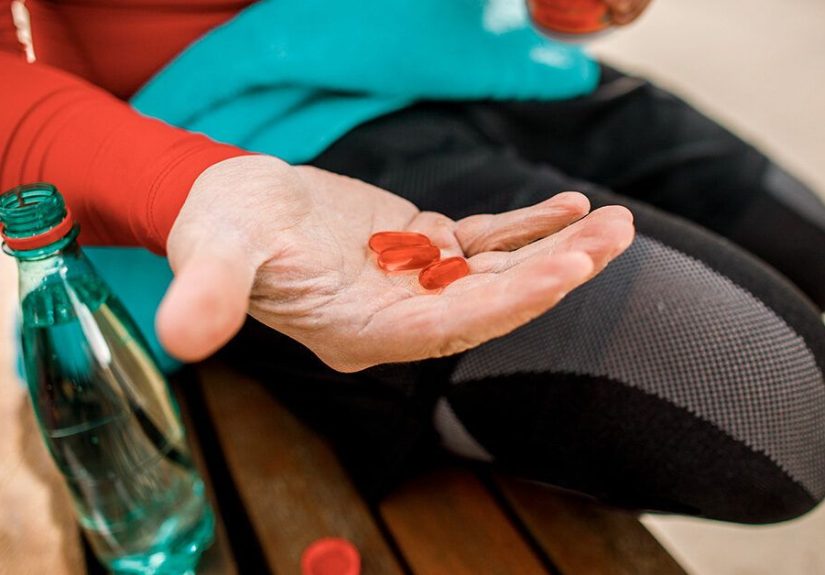
Melatonin is a hormone your brain naturally produces to help regulate your sleep-wake timing. As a supplement, it tends to work best for circadian timing issues (jet lag, shift work, delayed sleep-wake phase) rather than being a guaranteed fix for chronic insomnia.
Practical, evidence-aligned melatonin tips (talk to a clinician if unsure)
- Start low (many people do fine with low doses; higher isn’t always better).
- Timing matters as much as doseespecially if your problem is a late body clock.
- Watch next-day grogginess and vivid dreamscommon signs of “too much” or poorly timed use.
- Avoid mixing with alcohol and review for interactions if you take other medications.
“Natural” doesn’t automatically mean “risk-free,” and supplements vary widely in quality. If you’re pregnant, managing a complex medical condition, or considering long-term use, it’s worth getting medical guidance.
A simple plan you can start tonight
Do this (high yield)
- Pick a consistent wake time for the next 7 days (yes, weekends count).
- Delay bedtime until you’re truly sleepy (not just “I should”).
- Cut caffeine earliermany people need a much earlier cutoff than they think.
- Create a 30–60 minute wind-down: dim lights, quiet activity, no intense conversations.
- If you’re awake in bed and frustrated, get up briefly and do something calm in low light. Return only when sleepy.
Avoid this (it feeds the insomnia loop)
- Trying to “force” sleep (sleep hates pressure)
- Staying in bed for long stretches while wide awake
- Checking the time repeatedly
- Falling asleep on the couch at 8 p.m. and then “mysteriously” not being sleepy at 11
When to see a doctor or sleep specialist
Consider getting help if:
- Your sleep onset insomnia happens 3+ nights per week and lasts 3+ months
- You have significant daytime impairment (mood, safety, driving, work performance)
- You suspect another sleep disorder (snoring/gasping, restless legs, unusual behaviors in sleep)
- You’re relying on alcohol, cannabis, or sedatives to sleep
- You feel depressed, panicky, or hopelessespecially if sleep loss is amplifying it
Good news: insomnia is treatable, and you don’t need to white-knuckle it alone. The fastest path is usually accurate pattern-matching + a structured plan (often CBT-I).
Experiences: What sleep onset insomnia feels like in real life (and what tends to help)
This section isn’t medical adviceit’s a “you’re not weird” tour of common patterns people describe. If any of these feel painfully familiar, that’s the point: sleep onset insomnia has personalities. And once you recognize yours, you can stop throwing random fixes at the wall like spaghetti at midnight.
1) The Clock-Watcher
This person falls into bed, checks the time, and instantly starts negotiating: “If I fall asleep in 10 minutes, I’ll get 6 hours and 12 minutes. If I fall asleep in 20 minutes, I’ll still survive, but barely.” The brain treats this math like an emergency broadcast. The more they calculate, the more alert they become. What helps isn’t “try harder.” It’s removing fuel: turning the clock away, banning bedtime time-checking, and using stimulus control (get out of bed when frustrated). Many people report that the first week feels awkwardlike retraining a puppy that learned the wrong trickbut then the brain stops expecting a nightly sleep performance review.
2) The “Too Early to Bed” Overachiever
Sometimes sleep onset insomnia isn’t a broken sleep systemit’s a scheduling problem wearing a trench coat. You’re exhausted at 9:00 p.m., you go to bed at 9:30, and then you’re awake until 11:30. Why? Because your circadian rhythm may be saying “not yet,” or you napped late, or you spent too much time in bed earlier. People in this group often improve quickly when they shift to a consistent wake time and delay bedtime until they’re genuinely sleepy. It feels counterintuitive (especially if you love being “responsible”), but sleep responds better to biology than to good intentions.
3) The Late-Body-Clock Person Misdiagnosed as Insomniac
This person can fall asleep easilyat 2 a.m. If they’re on vacation, they sleep like a champion. On workdays, they lie awake earlier, feeling broken. They’re not necessarily broken; their clock is just late. What tends to help here is different: consistent wake time, morning light exposure, and sometimes carefully timed melatonin (with guidance) rather than pure “sleep hygiene.” Many describe a huge emotional shift once they realize: “Oh, this isn’t a willpower problem. It’s timing.”
4) The Bedtime News Anchor (a.k.a. Doomscrolling MVP)
This pattern looks like: phone in bed, bright screen, intense content, “just one more” video, and suddenly it’s midnight and your brain is vibrating. People often blame themselves for “no discipline,” but the combo of bright light + emotional stimulation is basically a sleep-repellent cocktail. The fix that many find doable isn’t perfectionit’s a simple rule: phones charge outside the bedroom, or screens off for the last 30–60 minutes, and the wind-down is low-drama (paper book, gentle stretching, a shower, calming music). The key is making the new routine easy enough that your tired self can follow it without a motivational speech.
5) The Worrier Who Only Worries at Night
Daytime: mostly functional. Nighttime: a courtroom where every awkward conversation from 2017 is re-litigated. People in this group often do best with two tools: (1) scheduled worry time earlier in the evening (write the worries, write one next step, close the notebook), and (2) cognitive reframes that reduce “sleep panic.” The goal isn’t to eliminate thoughts; it’s to stop treating thoughts like alarms that require immediate action at 11:46 p.m.
Across all these experiences, a theme shows up: sleep onset insomnia improves most when you stop chasing a magic knockout trick and start building a systemone that lowers arousal, aligns timing, and rebuilds the bed as a cue for sleep. And yes, it’s unfair that sleep is something you can’t force. But once you stop trying to wrestle it into submission, sleep often comes back like a cat: on its own terms, and usually when you’re pretending not to care.
Final thoughts
Sleep onset insomnia can feel personal, but it’s usually a blend of biology + habits + stress conditioning. The most reliable path forward is structured: identify whether this is true insomnia or a timing issue, then use CBT-I strategies (stimulus control, sleep scheduling, cognitive tools) as the foundation. Medications and supplements can play a role for some people, but they’re typically supporting actorsnot the star of the show.