Table of Contents >> Show >> Hide
- What Sophrology Is (and What It Isn’t)
- Sophrology Benefits: Why People Use It
- What the Science Says (Without Overpromising)
- How a Sophrology Session Usually Works
- A 10-Minute Sophrology Practice You Can Do Today
- How to Make Sophrology Stick (Without Turning It Into Homework)
- Who Should Be Cautious (and How to Practice Safely)
- Sophrology vs. Meditation vs. Breathwork: How to Choose
- Conclusion
Sophrology (so-FROH-loh-jee) is one of those wellness words that sounds like it should come with a monocle and a tiny cup of espresso.
But the practice itself is surprisingly practical: it’s a structured set of breathing, body-awareness, gentle movement, and guided visualization
exercises designed to help you feel calmer, more focused, and more “in your body” (without having to move to a mountaintop).
Think of sophrology as a mind-body toolkit that borrows familiar ingredientsbreathwork, mindfulness, relaxation training, and imageryand organizes
them into a repeatable method you can use for everyday stress, sleep trouble, performance nerves, or just the general modern condition of being
mentally “open in 37 tabs.”
What Sophrology Is (and What It Isn’t)
The quick backstory
Sophrology was created in the 1960s by Alfonso Caycedo, a neuropsychiatrist, and it blends Western approaches to mind-body awareness with influences
from practices like yoga and meditation. In plain terms: it’s a modern relaxation-and-awareness method with a structured routine and a big emphasis
on noticing sensations in the body and shaping your attention on purpose.
The building blocks
- Breathing techniques (often slow, diaphragmatic breathing to encourage relaxation)
- Body awareness (like body scanning to notice tension and sensations)
- Gentle movement (simple tension-release or “dynamic relaxation” exercises)
- Guided visualization (imagining calming or confidence-building scenes with sensory detail)
- Mindful attention (learning to notice thoughts without immediately taking them to dinner)
If you’re wondering, “Is this hypnosis?”not exactly. Some sophrology sessions may use a deeply relaxed, focused state, and some sources compare it
to hypnosis or psychotherapy-adjacent approaches, but in typical practice it’s closer to guided relaxation training than stage-hypnosis theatrics.
Sophrology Benefits: Why People Use It
Sophrology is commonly used as a self-care practice (and sometimes alongside clinical care) to support stress management, sleep, performance, and
coping during challenging life moments. Here’s how the benefits usually show up in real life.
1) Stress and anxiety support
When stress hits, your body often responds first: tightened shoulders, shallow breathing, clenched jaw, racing heart. Sophrology aims to interrupt
that loop by working from the “outside in”relaxing breath and muscles to nudge the nervous system toward a calmer setting. Breathing practices like
diaphragmatic breathing are commonly associated with improved relaxation and reductions in heart rate and blood pressure.
The point isn’t to delete stress (if only). The point is to train a faster recovery: less time stuck in fight-or-flight, more time in “I can handle
this” mode.
2) Better sleep and an easier “wind-down”
Many people try sophrology because bedtime becomes negotiation: your body is tired, but your brain is hosting a late-night talk show. Practices that
combine slow breathing, body scanning, and calming imagery can help shift attention away from rumination and toward physical settling.
Mindfulness-based practices are widely used for sleep and stress, and major medical organizations describe meditation and breath-focused practices as
accessible ways to reduce stress and improve well-being.
3) Pain coping and medical-procedure stress
Sophrology is often used as a coping strategy during stressful medical experiencesthink procedures that provoke anxiety, discomfort, or the dreaded
“waiting room spiral.” Some research and clinical discussions explore guided relaxation approaches (including imagery and breathing) for symptom
distress and procedure-related anxiety.
4) Pregnancy, childbirth prep, and big transitions
A lot of sophrology programs emphasize breathing, body awareness, and rehearsal-style visualizationtools that can be appealing during pregnancy and
birth preparation. Some studies discussed in public health sources have explored sophrology-style training in pregnancy contexts, while also noting
that more research is needed to isolate sophrology’s specific effects.
5) Focus, performance, creativity, and confidence
This is the “big meeting / big test / big game” category. Sophrology uses mental rehearsal (visualization) and body calming to support performance
under pressure. If you’ve ever noticed your mind goes blank the second someone says “Quick, introduce yourself,” you understand the value of a
practice that trains attention and steadiness.
What the Science Says (Without Overpromising)
Evidence specific to sophrology
Research on sophrology exists, but compared with more established interventions (like mindfulness-based stress reduction), the evidence base is still
smaller and less standardized. There are published protocols for randomized controlled trials investigating sophrology-based interventions in
high-stress populations, indicating ongoing scientific interest.
If you see sweeping claims like “proven to cure anxiety forever,” treat that as a marketing slogan, not a scientific conclusion. A smarter way to
think about sophrology is: it’s a structured relaxation-and-attention training method that may help some people, especially for stress-related
symptoms, but it’s not a substitute for medical or mental health treatment when those are needed.
Evidence for the “ingredients” (breathing, mindfulness, imagery, relaxation)
Even when sophrology-specific research is limited, its core components are well-known in mind-body health. For example:
- Diaphragmatic breathing is described as supporting relaxation and can help reduce heart rate and blood pressure.
- Mindfulness meditation is widely discussed by clinical programs as beneficial for stress and symptoms like anxiety, sleep disturbance,
and pain. - Guided imagery is recognized in cancer-care resources as a technique that may help relieve stress, pain, anxiety, and depression.
- Progressive muscle relaxation is taught in academic medical settings as a way to build awareness of tension and practice releasing it.
How a Sophrology Session Usually Works
In-person, online, or DIY
A typical session is guided: you’ll be invited to notice your breathing, scan your body, do simple movement-based relaxation, and use visualization
or sensory imagination to reinforce calm or confidence. Some people work with a practitioner; others use audio guidance and practice on their own.
The “levels” idea
Some sophrology frameworks describe a progressive series of levels (often presented as 12), moving from basic body awareness and relaxation toward
deeper skills like mental rehearsal, values-based focus, and resilience-building. If “levels” makes you picture a video game boss fightrelax. It’s
usually just a way of organizing skills from beginner to advanced.
A 10-Minute Sophrology Practice You Can Do Today
You don’t need special equipment. You do need a willingness to practice while your brain complains, “This is weird,” and your shoulders insist they
have a full-time job being earrings.
Step 1: Settle your posture (30 seconds)
Sit or stand comfortably. Let your shoulders drop. Unclench your jaw. If you’re sitting, feel the weight of your body in the chair. If you’re
standing, feel your feet on the ground.
Step 2: Diaphragmatic breathing (2 minutes)
Place a hand on your belly. Inhale through your nose so your belly gently rises, then exhale slowly. Keep it comfortableno heroic breath-holding.
Slow breathing practices are commonly used to support relaxation.
Step 3: A quick body scan (2 minutes)
Bring attention from your feet upward: feet, legs, back, stomach, hands, shoulders, jaw, face. Notice sensations (pressure, warmth, tightness,
tingling). Softening the shoulders and jaw is a classic “fast win” for many people.
Step 4: Dynamic tension-release (2 minutes)
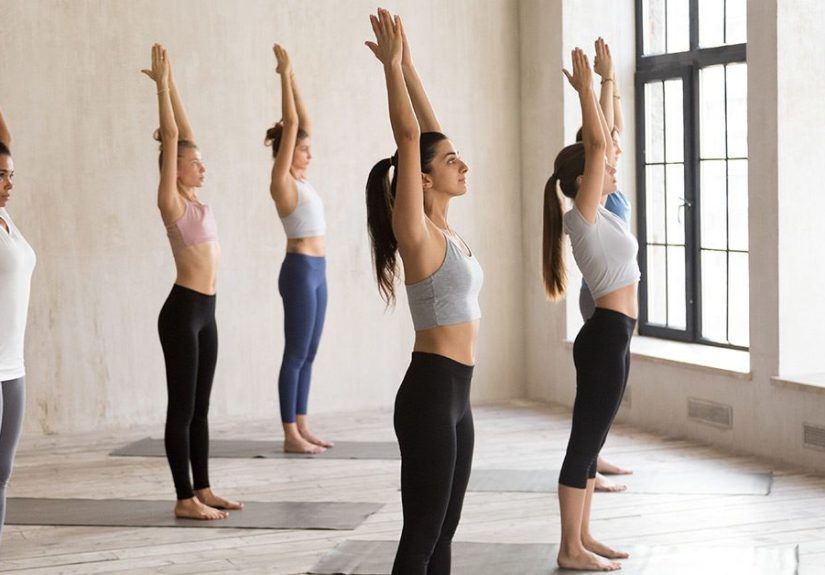
Try a simple shoulder-and-arm release: inhale, lift arms overhead, gently clench fists and tense shoulders for a moment, then exhale and release,
letting the arms drop. Repeat 2–3 times. This style of exercise is commonly taught as a way to notice stored tension and practice letting it go.
Step 5: Guided visualization (3 minutes)
Picture a calming place or a favorite memory. Add sensory detail: what you see, hear, smell, and feel. If your mind wanders, that’s normaljust
return to the image. Guided imagery techniques often emphasize using the senses to make the scene vivid and relaxing.
Step 6: The “return ticket” (30 seconds)
Open your eyes (if closed). Take one normal breath. Notice the room. Move your fingers and toes. The goal is to carry a little calm back into your
daynot to float away like a peaceful balloon.
How to Make Sophrology Stick (Without Turning It Into Homework)
Anchor it to something you already do
Pair practice with a daily cue: after brushing your teeth, before your first class/meeting, or right after you shut your laptop. Consistency beats
intensity.
Keep it honest
Don’t force yourself to feel “amazing.” Some days you’ll feel calmer. Some days you’ll mostly notice how loud your thoughts are. Both are data. The
practice is attention training, not mood theater.
Track small wins
Instead of asking, “Did my stress vanish?” try: “Did my shoulders drop even 10%?” “Did I fall asleep five minutes faster?” “Did I pause before
snapping at someone?” Those tiny shifts are often the real payoff.
Who Should Be Cautious (and How to Practice Safely)
Sophrology is generally low-risk for many people, but mind-body practices aren’t one-size-fits-all.
If you’re dealing with significant anxiety, trauma, or panic
Body-focused practices can sometimes bring up uncomfortable sensations or emotions. If that happens, scale down (shorter sessions, eyes open, more
grounding) and consider working with a qualified clinician. National health sources discussing meditation and mindfulness note that negative effects
(including anxiety) can occur for some people.
If you have breathing or cardiopulmonary conditions
Gentle breathing is usually fine, but avoid aggressive breathwork or long breath holds unless a healthcare professional says it’s appropriate for you.
Keep breathing comfortable and natural.
Use sophrology as support, not a replacement
Sophrology can be a valuable complement to medical care and mental health treatment, but it shouldn’t replace professional evaluation for persistent
symptoms like severe insomnia, chronic pain, panic, or depression.
Sophrology vs. Meditation vs. Breathwork: How to Choose
- Choose sophrology if you like structure, gentle movement, and visualization (and you want a method that feels like a “program,” not just a vibe).
- Choose mindfulness meditation if you want to practice observing thoughts and sensations with less emphasis on imagery.
- Choose simple breathwork if you want the fastest “anywhere” tool (especially for stress spikes or pre-performance nerves).
The best choice is the one you’ll actually do. Your nervous system doesn’t care about labelsit cares about repetition.
Conclusion
Sophrology is a structured mind-body practice built from familiar, evidence-informed toolsbreathing, relaxation, body awareness, and guided imagery
organized into a repeatable routine. People use it to support stress management, sleep, confidence, and coping during demanding situations, and
research interest continues to grow. Like any wellness method, it works best when you treat it as training: short sessions, practiced consistently,
with realistic expectations and appropriate support when symptoms are serious.
Experience Notes: What Sophrology Can Look Like in Real Life (Approx. )
The “presentation brain freeze” reset: A college student practices a 7-minute routine before giving a class presentationtwo minutes of
belly breathing, a quick shoulder tension-release, and a confidence visualization (seeing themselves speaking clearly, feeling feet grounded). The
biggest change isn’t “no nerves,” but fewer physical stress signals: less throat tightness, steadier breathing, and more ability to recover after a
stumble. Over a few weeks, the student starts using the same mini-practice before interviews and even tough conversations, because it’s portable and
doesn’t require silencejust attention.
The “I can’t turn my brain off” sleeper: A busy parent tries sophrology at bedtime after realizing their nightly routine is basically
“scroll → worry → scroll harder.” They swap the last five minutes of scrolling for a body scan and guided imagery: noticing the bed supporting their
body, softening the jaw, then imagining a calm place in sensory detail. Some nights it works quickly; other nights the mind still chatters. But after
a couple of weeks, there’s a subtle shift: less frustration about being awake, and a shorter path back to calm when thoughts ramp up.
The waiting-room spiral: Someone facing a stressful medical appointment uses a short grounding sequence: inhale slowly, exhale longer,
relax the shoulders, then visualize a safe memory (a specific beach trip, a familiar kitchen, a loved one’s voice). The goal isn’t denialit’s keeping
the body from escalating into panic while waiting. They report feeling more control over their response, even when the situation itself is out of
their control. It’s the difference between “I’m trapped in this feeling” and “I’m noticing this feeling, and I can soften around it.”
The athlete’s “quiet focus” drill: A high-school athlete adds a 10-minute sophrology-style practice after training: breathing, muscle
release, and mental rehearsal (seeing the first few plays, feeling calm under pressure). On game day, they use a 60-second version on the sidelines:
feet grounded, one slow breath, shoulders down, attention on the next moment. The payoff shows up as quicker emotional recovery after mistakesless
spiraling, more reset.
The everyday stress upgrade: Someone who gets tension headaches notices they unconsciously clench their shoulders all day. They start
using a “micro-sophrology” break between tasks: exhale fully, inhale, tense shoulders for two seconds, exhale and release. The practice becomes a
built-in checkpoint that reminds them, “Oh right, I’m doing the stress-hunch again.” Over time, the body learns a new baseline, and the stress-hunch
becomes a shorter visit instead of a permanent roommate.