Table of Contents >> Show >> Hide
- Why Glass Knobs Work So Well as Clothing Hooks
- Choosing the Right Glass Knobs for Hook Duty
- Installation 101: How to Make Sure Your “Hook” Doesn’t Become a Projectile
- Where Glass Knob Clothing Hooks Shine
- Design Tips That Make Glass Knob Hooks Look Intentional
- Make It Clothes-Friendly (and Wall-Friendly)
- Quick DIY: Step-by-Step Guide to Turning Glass Knobs into Wall Hooks
- Common Mistakes (So You Don’t Learn Them the Hard Way)
- Maintenance & Safety: Keep It Pretty, Keep It Practical
- Conclusion: Small Hardware, Big Storage Energy
- Experiences & Lessons Learned From Real Homes
- The winter coat stress test (aka: the day your hooks meet reality)
- The rental apartment dilemma: “I want hooks, but I also want my deposit”
- The bathroom surprise: wet towels are heavier than you think
- The “why is my knob crooked?” moment
- The “snagged my sweater” regret (and how people prevent it)
- The unexpected win: everyone actually uses them
- The long-term lesson: check screws like you check smoke detector batteries
If your home had a “lost and found” box, it would be your chair. You know the one: half-closet, half-laundry limbo,
100% judgmental. The good news? You don’t need a new closet system or a reality TV crew to fix it. You need one small,
sparkly hero: glass knobsrecruited as clothing hooks.
Yep, the same glass cabinet knobs that make a dresser look fancy can also keep coats, scarves, and bags from forming
a textile mountain range on your floor. Done right, glass knobs are a surprisingly strong, stylish, and space-saving
way to add storage in tight spotsentryways, bedrooms, bathrooms, closets, and anywhere clutter likes to throw a party.
Why Glass Knobs Work So Well as Clothing Hooks
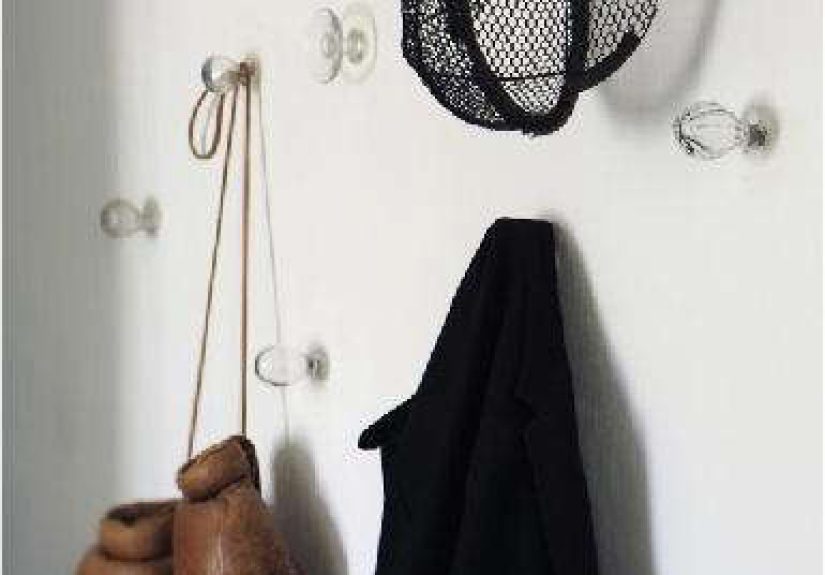
They’re small, but they make a big visual impact
Glass knobs catch light and add that “I totally meant to decorate like this” vibe, even if the real motivation was
“please stop losing your keys.” They can look vintage, modern, glam, cottage-y, or delightfully weird (in a good way)
depending on shape, cut, and hardware finish.
They’re a storage upgrade without the bulk
Traditional coat racks can be chunky. Glass knobs sit close to the wall, so they’re great for narrow hallways, tiny
entryways, and those awkward slivers of wall that aren’t big enough for furniture but are definitely big enough for
chaos.
They’re perfect for “light to medium” daily stuff
Think: hoodies, denim jackets, purses, dog leashes, scarves, hats, lanyards, and the “I’ll wear it again” sweater.
(We all have one. It’s basically a pet at this point.)
Choosing the Right Glass Knobs for Hook Duty
Pick a shape that won’t bully your clothes
The best knobs for hanging clothing are rounded or slightly faceted with smooth edges. Sharp, pointy cuts can snag
delicate fabrics. If you love a spiky crystal look, save it for heavier items (canvas tote bags, denim, coats) and
keep silk and knits somewhere gentler.
Size matters (but not in a dramatic way)
For most households, knobs in the 1.25–1.75 inch range hit the sweet spot: big enough to hold a strap or collar,
small enough to avoid getting shoulder-checked in the hallway. Larger knobs can work for bulkier items (robes, winter
jackets), while smaller ones are great for keys and jewelry.
Go for sturdy hardware, not just a pretty face
Look for knobs with quality through-bolts or machine screws, and finishes that won’t rust if you’re using them in a
bathroom or laundry room. If you’re buying vintage glass doorknobs or antique knobs, inspect for cracks and chips.
Hairline fractures are basically a “coming soon” sign for breakage.
Installation 101: How to Make Sure Your “Hook” Doesn’t Become a Projectile
Here’s the truth: glass knobs aren’t magical. The wall attachment is what determines whether your knob-hook feels
solid or starts doing interpretive dance every time you hang a hoodie.
Best case: anchor into a stud
If you can land your knob in a wall stud, do it. Stud mounting is the “sleep well at night” optionespecially for
heavier coats and bags. A stud finder helps, but the old knock-and-listen method works too if you’re feeling
adventurous (and slightly chaotic).
No stud? Use the right drywall anchor (not vibes)
Drywall alone is not a reliable support for load-bearing lifestyle choices. If you’re not hitting a stud, use a
drywall anchor matched to your item’s weight, the wall material, and how often you’ll use the hook.
- Light-duty: small expansion anchors or self-drilling anchors for keys, hats, and lightweight scarves.
- Medium-duty: stronger self-drilling anchors or metal hollow-wall anchors for purses, hoodies, and light bags.
- Heavy-duty: toggle bolts / strap toggles for winter coats, backpacks, or anything that can make a “thud” sound.
Rule of thumb: choose anchors rated comfortably above what you’ll hang, and remember that “rated” assumes a decent
wall in decent condition. If your drywall has seen thingswater damage, crumbling, mystery patchesupgrade your
plan.
Match your screw length to the wall (and the knob)
Many glass cabinet knobs come with screws meant for cabinet doors, not walls. You might need a longer machine screw
to pass through the knob and fully engage an anchor. If you’re working with a through-bolt that sticks out too far,
trimming it is commonjust use the right tool and protect the threads.
Use a backplate or washer for extra stability
Want your knob-hook to feel more “installed” and less “craft fair prototype”? Add a small decorative backplate, a
wide washer, or mount multiple knobs on a wood board (like a mini rack). A board can spread the load and lets you
screw into studs even when your knobs aren’t perfectly aligned with stud spacing.
Where Glass Knob Clothing Hooks Shine
1) Entryway storage that doesn’t eat your floor
A row of glass knobs turns a blank wall into a landing zone for jackets, purses, and dog leashes. Pair with a small
tray for keys and you’ve basically built an “I’m organized now” starter pack.
2) Bedroom “chair replacement”
If your chair is currently a fabric pancake stack, install 3–5 knobs behind the door or near your closet. Create a
rule: one knob per category (jacket, bag, tomorrow’s outfit, gym stuff). Does everyone follow rules? No. But it helps.
3) Bathroom robe and towel helpers
Glass knobs look gorgeous in bathrooms, especially with brass or matte black hardware. Use rust-resistant screws and
anchors, and keep towel weight in mind (wet towels are secretly training for a powerlifting competition).
4) Closet walls and inside-door organization
Hooks inside the closet are underrated. Install knobs for belts, scarves, hats, and handbags. It’s the easiest way
to see what you own, which is also the easiest way to stop buying the same black scarf eight times.
5) Laundry room “in-between” zone
Put glass knobs near your washer/dryer for “not clean, not dirty” itemshoodies, jeans, and the shirt you wore for
twelve minutes. It keeps clothing off surfaces and makes your laundry area feel instantly tidier.
Design Tips That Make Glass Knob Hooks Look Intentional
Create a pattern (even a loose one)
Uniform knobs in a straight line look clean and modern. A playful mix of knobs works toojust keep one thing
consistent (finish, size family, or spacing) so it reads as “eclectic design” instead of “I ran out of knobs and
panic-bought three random ones.”
Spacing that respects elbows and puffy coats
For coats and bags, allow enough space so items don’t pile into a single mega-blob. Wider spacing feels calmer and
makes each hook more usable. For scarves and accessories, you can place knobs closer together.
Height mattersespecially if kids live there
If the hook is for adults, place it where coats hang without dragging. If it’s for kids, install a lower row so they
can actually use it without performing a parkour routine. Bonus: kids love having “their own” hook. (It’s like a tiny
apartment lease, but with less paperwork.)
Make It Clothes-Friendly (and Wall-Friendly)
Prevent snags and slips
- Snag-prone fabrics: use smoother knobs or add a small rubber O-ring around the knob’s widest point.
- Slippery straps: choose knobs with a bit of contour, or add a tiny clear silicone bumper to increase grip.
Protect paint and keep things quiet
If bags bang into the wall, add a felt pad behind a backplate or place a thin clear bumper where items might swing.
Your walls will thank you. Your ears will also thank you.
Quick DIY: Step-by-Step Guide to Turning Glass Knobs into Wall Hooks
Tools & materials
- Glass cabinet knobs (or vintage glass doorknobs in good condition)
- Appropriate screws / machine screws (length depends on knob + anchor)
- Drywall anchors (or wood screws if mounting into studs)
- Drill + bits
- Stud finder (optional but very helpful)
- Level + measuring tape
- Pencil
- Optional: backplates/washers, a wood board, and a screwdriver
Steps
- Plan your layout: mark positions with painter’s tape or light pencil marks.
- Find studs if possible: if you hit one, you’re living the dream.
- Drill pilot holes: match the anchor or screw requirements.
- Install anchors: ensure they sit flush and snug (no spinning).
- Attach the knob: tighten until firmdon’t over-tighten glass.
- Test gently first: a few light pulls before you hang the winter coat collection.
- Check periodically: retighten once in a while, especially in high-traffic areas.
Common Mistakes (So You Don’t Learn Them the Hard Way)
Using cabinet screws without checking length
If the screw barely catches the anchor, the hook will loosen quickly. If it’s too long, it can bottom out or stick
out behind thin mounting surfaces. Measure first, then buy hardware. Your future self will high-five you.
Assuming “any anchor is fine”
Anchors aren’t interchangeable. Some are great for picture frames and absolutely terrible for repeated tugging (which
is exactly what coat hooks experience every day). When in doubt, upgrade to a stronger anchor type.
Over-tightening glass
Glass doesn’t enjoy being bullied. Tighten until snug and stable, then stop. If you need more stability, use a
backplate or washer rather than cranking harder.
Maintenance & Safety: Keep It Pretty, Keep It Practical
How to clean glass knobs
Use a soft cloth with mild soap and water. For extra shine, a small amount of vinegar diluted in water can help.
Avoid abrasive cleaners that scratch and turn “sparkly” into “sad.”
Safety check routine
- Retighten knobs occasionally (seasonal changes and daily use can loosen hardware).
- Replace cracked or chipped knobs immediately.
- Avoid placing hooks where people frequently bump into them (corners, tight hallways, behind doors that swing wide).
- If you need heavy-duty performance, mount on a board anchored into studs.
Conclusion: Small Hardware, Big Storage Energy
Glass knobs as clothing hooks are one of those rare home upgrades that are cheap, fast, and genuinely usefulwhile
also looking like you tried. They’re great for entryway organization, closet storage, bathroom robe hooks, and any
space where clutter likes to gather.
Do the installation rightstuds when you can, proper drywall anchors when you can’tand you’ll get a wall-mounted
storage solution that’s sturdy, charming, and far less judgmental than the chair that currently holds your wardrobe.
Experiences & Lessons Learned From Real Homes
Let’s talk about the part that DIY tutorials don’t always capture: what actually happens after you install glass knob
hooks and start living with them. Below are common “real home” experiences people run intoplus what tends to work best
when the honeymoon phase ends and winter coats show up like they pay rent.
The winter coat stress test (aka: the day your hooks meet reality)
Hooks that feel solid with a light jacket can suddenly feel… questionable when you add a heavy parka, a backpack, and
a scarf that could double as a throw blanket. The fix most homeowners end up loving is the “mounted board” approach:
attach a nice wood plank to studs, then install the glass knobs onto the plank. It spreads the load, makes spacing
easy, and gives you a forgiving surface so your knobs don’t have to match stud locations perfectly. It also looks
intentionallike a boutique coat rack, not an emergency.
The rental apartment dilemma: “I want hooks, but I also want my deposit”
Renters often start with one or two knobs for keys or a light bag, using carefully chosen anchors and placing them in
low-risk spots. The lesson: keep it light-duty and minimize repeated heavy tugging. If you’re renting and still want
a bigger setup, one popular strategy is to mount knobs onto a board and attach the board using strong, removable
solutions that are appropriate for the wall type (always follow manufacturer instructions and weight limits). That
way, you’re not peppering your wall with a dozen holes, and removal is simpler.
The bathroom surprise: wet towels are heavier than you think
People love the look of glass knobs as towel hooksuntil the first week of actual towel use. A wet bath towel can pull
harder than expected, especially if kids yank it off like they’re starting a lawn mower. If your hooks feel loose in
a bathroom, the common “level-up” is switching to a stronger anchor type or relocating towel storage to a stud-mounted
board. Also: moisture can be tough on cheaper screws, so using corrosion-resistant hardware prevents that rusty
“why does my fancy hook look like it fought a submarine” situation.
The “why is my knob crooked?” moment
This is practically a rite of passage. Sometimes the anchor isn’t seated flush. Sometimes the screw length isn’t quite
right. Sometimes drywall is uneven because houses are living creatures with opinions. The real-world fix is usually one
of these:
- Re-seat the anchor: remove the knob, ensure the anchor is fully set, and reinstall.
- Add a washer/backplate: it can stabilize the knob and hide minor wall imperfections.
- Switch to a different anchor style: especially if the current one spins or loosens over time.
- Mount on a board: the ultimate “I’m done fighting drywall” solution.
The “snagged my sweater” regret (and how people prevent it)
Highly faceted knobs look amazing, but some fabrics don’t love them. Homeowners who wear delicate knits often reserve
the sharp-cut crystal knobs for bags and coats, and use smoother round knobs for sweaters and scarves. Another
real-life trick: adding a discreet rubber O-ring or clear bumper around the widest part of the knob to soften edges
and increase grip. It’s a tiny tweak that can turn “pretty but annoying” into “pretty and perfect.”
The unexpected win: everyone actually uses them
A lot of storage solutions fail because they’re too far away, too complicated, or too “nice to touch.” Glass knobs
hit a sweet spot: they’re tactile, visible, and easy. In many homes, that means coats and bags finally stop migrating
to the floor. The best setups tend to be simple: a row of hooks at adult height, a lower row for kids, and one
designated hook for the “daily essentials” bag so it never disappears into the couch dimension.
The long-term lesson: check screws like you check smoke detector batteries
Hooks loosen over time. It’s normal. A quick seasonal tighten-up prevents wobble and protects the glass. People who
love their knob-hook setup long-term usually treat it like any other hardware: inspect it occasionally, don’t overload
it, and upgrade the mounting method if the items get heavier (hello, backpack era).
Bottom line: glass knobs can be genuinely excellent clothing hooks in real, busy householdsas long as you match the
installation method to the job. Light stuff on individual knobs is easy. Heavy stuff deserves studs, strong anchors,
or a stud-mounted board. And once you get it right, you’ll wonder why you ever let a chair run your storage system.