Table of Contents >> Show >> Hide
- What ITP Is (And Why Symptoms Look the Way They Do)
- Skin Symptoms: The “Clues on the Surface”
- Mucosal Bleeding: Nose, Mouth, and Gums
- Menstrual Symptoms: When Periods Become a Platelet Problem
- Other Bleeding Symptoms You Shouldn’t Ignore
- Red Flags: When Symptoms Become an Emergency
- Symptoms in Children vs. Adults
- “Can You Have ITP With No Symptoms?” Yes.
- How Clinicians Evaluate Symptoms
- Day-to-Day Life With ITP Symptoms
- How to Describe Your Symptoms (So Your Appointment Is Actually Useful)
- Conclusion: The Big Picture on ITP Symptoms
- Experiences Related to Symptoms of Immune Thrombocytopenia ()
If your body were a busy city, platelets would be the tiny road-repair crews that rush out to patch potholes (aka, little leaks in blood vessels). In immune thrombocytopenia (ITP), your immune system mistakenly targets those repair crews, leaving you with fewer platelets than you need. The result? Your blood can still clotbut it may do the job slower, sloppier, and with more “construction delays” than usual.
The tricky part is that ITP symptoms can range from “I’m totally fine” to “why do I look like I lost a wrestling match with a coffee table?” Some people have no symptoms and find out only after routine bloodwork. Others notice skin changes, frequent nosebleeds, heavier periods, or bleeding that’s surprisingly enthusiastic about sticking around.
This guide breaks down the most common ITP symptoms, the subtle ones people miss, and the red flags that deserve urgent medical attentionso you can spot what matters without spiraling into worst-case-scenario mode.
What ITP Is (And Why Symptoms Look the Way They Do)
ITP is an autoimmune condition where the immune system destroys platelets and may also reduce how well your body makes them. Because platelets help form the initial “plug” that stops bleeding, having fewer platelets increases the chances of easy bruising and bleedingespecially on skin and moist surfaces like the mouth and nose.
One important reality check: the severity of symptoms doesn’t always match a specific number. Some people with quite low platelet counts feel okay, while others notice frequent bleeding with counts that are only moderately low. Your overall health, medications, lifestyle, and even how injury-prone your week has been can influence what you see.
Skin Symptoms: The “Clues on the Surface”
Skin changes are among the most recognizable signs of ITPoften because they show up uninvited and refuse to explain themselves.
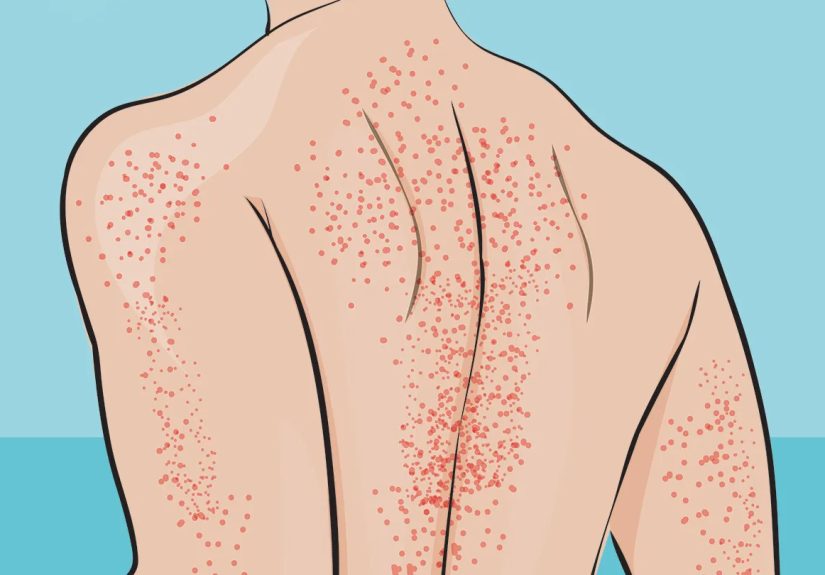
Petechiae: Tiny Dots That Don’t Blanch
Petechiae are pinpoint-sized red or purple dots caused by very small bleeding under the skin. They often appear on the legs, ankles, or areas where clothing is snug (hello, sock lines). A helpful detail: petechiae typically don’t turn white when you press on them, unlike many harmless rashes.
Purpura and Easy Bruising
Purpura refers to larger patches of purple, red, or brownish discoloration from bleeding under the skin. You may also notice bruises that appear easily, look bigger than expected, or show up with no clear “yep, I walked into a doorknob” explanation.
Hematomas: The “Raised Bruise” Moment
A hematoma is a collection of blood under the skin that may feel like a lump. It can happen after minor bumpsor after something you didn’t even register as an injury. If you notice a rapidly growing lump or severe pain, it’s worth medical attention.
Mucosal Bleeding: Nose, Mouth, and Gums
Bleeding from mucosal surfaces (the moist lining of the nose and mouth) is common in ITP because those tissues are delicate and richly supplied with blood vessels.
Nosebleeds (Epistaxis)
Nosebleeds can happen more often, last longer, or be harder to stop. Dry air, allergies, colds, and nose picking (no judgmentjust reality) can make them more frequent. The key ITP clue is bleeding that’s frequent, prolonged, or unusually heavy.
Bleeding Gums and Mouth Blisters
You might see bleeding when brushing or flossing, bleeding after dental work, or blood blisters inside the cheeks. If your mouth bleeds “too easily” despite gentle care, it’s a symptom worth mentioning to a clinicianespecially if paired with bruising or petechiae.
Menstrual Symptoms: When Periods Become a Platelet Problem
For many people, heavy menstrual bleeding is one of the most disruptive symptoms of ITP. It can look like:
- Periods that are heavier than your personal baseline
- Bleeding that lasts longer than usual
- Passing large clots (especially if this is new for you)
- Needing to change pads/tampons more often than expected
Heavy periods can also cause fatigue because of iron loss over time. If you feel unusually tired, short of breath with normal activity, or lightheaded, mention ityour clinician may check iron levels in addition to platelet counts.
Other Bleeding Symptoms You Shouldn’t Ignore
ITP can cause bleeding in places you don’t see at first glance. Some signs deserve prompt evaluation:
Bleeding That Lasts Longer Than It Should
Small cuts that keep oozing, bleeding that restarts after it “stopped,” or prolonged bleeding after shaving, flossing, or minor injuries can be a sign that your platelet plug is understaffed.
Blood in Urine or Stool
Blood in urine or stool can have many causes, but in someone with ITP, it can be a sign of bleeding that requires medical attention. If you notice this, contact a healthcare provider promptly.
Unusually Easy Bleeding After Procedures
Dental work, minor surgeries, or even injections can lead to more bleeding than expected if platelet counts are low. This doesn’t mean you can’t have proceduresit means your care team may need a plan to reduce bleeding risk.
Red Flags: When Symptoms Become an Emergency
Most people with ITP do not experience life-threatening bleeding, but serious bleeding can happenespecially with very low platelet counts or additional risk factors. Seek urgent care if you notice:
- Bleeding that won’t stop with pressure
- Large-volume or rapidly worsening bleeding
- Severe headache, confusion, fainting, or new neurological symptoms
- A significant head injury (even if you feel okay at first)
- Severe weakness, dizziness, or signs of major blood loss
These symptoms aren’t meant to scare you; they’re meant to help you act quickly if something is truly urgent.
Symptoms in Children vs. Adults
ITP can look different depending on age and how the condition develops.
Children
In children, ITP sometimes appears after a viral infection. Symptoms may show up suddenlyoften as bruising or petechiae. Many children improve over time, and some recover without treatment, depending on platelet count and bleeding severity.
Adults
In adults, ITP may develop more gradually and can be persistent (sometimes called chronic ITP). Symptoms can fluctuatecalm for months, then suddenly loud again. Adults may notice fatigue, frequent bruising, or recurrent nosebleeds as their “pattern.”
“Can You Have ITP With No Symptoms?” Yes.
Some people have no noticeable symptoms and learn they have low platelets from routine blood tests, pre-surgery labs, or workups for something unrelated. That’s why clinicians focus not only on platelet numbers, but also on bleeding symptoms and overall risk.
How Clinicians Evaluate Symptoms
When ITP is suspected, clinicians usually start with a complete blood count (CBC) to confirm a low platelet count and look at other blood cell lines. They may also:
- Review medications and supplements (some can increase bleeding risk)
- Ask about recent infections and vaccinations
- Check for signs of other conditions that can cause low platelets
- Evaluate bleeding history (nosebleeds, gum bleeding, heavy periods, etc.)
Because symptoms overlap with other causes of thrombocytopenia, diagnosis is often about putting the puzzle pieces togetherwithout forcing a single symptom to do all the detective work.
Day-to-Day Life With ITP Symptoms
ITP isn’t just about bruises; it can affect routines and confidence. People often adjust habits to reduce bleeding risk, such as:
- Using a soft toothbrush and gentle flossing technique
- Being cautious with contact sports or high-fall-risk activities
- Checking with a clinician before using medicines that increase bleeding risk (like certain NSAIDs)
- Keeping track of symptom patterns (photos of bruises can actually help)
That said, ITP management is individualized. Many people live full, active lives with the right planand the right plan often starts with recognizing symptoms early and describing them clearly.
How to Describe Your Symptoms (So Your Appointment Is Actually Useful)
If you’re preparing to talk with a healthcare provider, here are details that make your story easier to interpret:
- When it started: sudden vs. gradual
- Where: legs, arms, inside mouth, frequent nosebleeds, etc.
- How often: daily, weekly, only after brushing, etc.
- How severe: “a few dots” vs. widespread petechiae; brief vs. prolonged bleeding
- Triggers: after illness, after new medication, after dental work
- Impact: missed school/work, fatigue, anxiety, limitations in activities
Conclusion: The Big Picture on ITP Symptoms
Immune thrombocytopenia symptoms are mostly about bleeding and bruisingsometimes obvious, sometimes subtle, and occasionally nonexistent until a blood test spills the secret. Watch for petechiae, easy bruising, nosebleeds, gum bleeding, and heavy menstrual bleeding. If you notice blood in urine or stool, prolonged bleeding, or any serious red-flag symptomsespecially after a head injuryseek medical care promptly.
Most importantly: if something feels “off,” you don’t need to diagnose yourself. Your job is to notice patterns and share them. Your clinician’s job is to connect the dotspreferably with lab results, not vibes.
Experiences Related to Symptoms of Immune Thrombocytopenia ()
People who live with ITP often describe the experience as a strange mix of “nothing is happening” and “why is my body auditioning for a bruise commercial?” One common theme is how subtle the early signs can be. Someone may first notice tiny red dots around their ankles after a long day, assume it’s irritation from socks, and move on. Then the dots return, more widespread, and suddenly the phrase “maybe I should get this checked out” stops being a casual thought and becomes a calendar event.
Bruising is another frequent plot twist. Many people describe bruises that appear without a memorable bumplike discovering a purple mark and mentally rewinding their week the way you rewind a security camera. “Did I hit the counter? Did the dog tackle me? Was I attacked by a rogue doorknob?” The humor helps, but it’s also unsettling when your body won’t provide a receipt for the damage.
Nosebleeds can feel similarly unpredictable. Some describe a pattern where nosebleeds show up in dry weather, during allergy season, or after a mild cold. What makes ITP different is the persistence: bleeding that takes longer to stop or happens more frequently than your usual baseline. People often learn practical tricksstaying calm, applying steady pressure, sitting uprightand also learn when to call for help because “this is not my normal” is valuable medical information.
For those who menstruate, heavy periods are often the symptom that most disrupts daily life. People describe planning outfits around backup supplies, mapping bathrooms like a travel route, and feeling drained in a way that’s more than just typical tiredness. Over time, some realize the fatigue isn’t only from a busy scheduleit may be from blood loss and low iron. That realization can be oddly validating: it’s not laziness, it’s physiology.
Another shared experience is the emotional whiplash of fluctuating symptoms. There can be weeks where everything feels normal, then a sudden return of petechiae or bruising triggers worry. Many people find that tracking symptomsnotes, photos, dateshelps them feel more in control and gives clinicians clearer context. It turns vague anxiety into concrete data: “Here’s what changed, here’s when it started, here’s what’s different from last month.”
Finally, people often talk about learning balance. Living with ITP symptoms doesn’t mean living in bubble wrap, but it can mean being more intentionalasking about medications that increase bleeding risk, being mindful with higher-impact activities, and recognizing that getting help early is a strength, not overreacting. Over time, many build a sense of confidence: not because symptoms are fun, but because they become familiarand manageable with the right support.