Table of Contents >> Show >> Hide
- What the Latest Numbers Really Show
- Why Are TB Cases Rising Again?
- Why Young Children Are Especially Vulnerable
- How TB Spreads: A Quick Refresher
- Signs and Symptoms Parents Should Know
- How TB Is Diagnosed and Treated Today
- What Families Can Do: Practical, Real-World Steps
- Public Health Response: Why Your Voice Still Matters
- Real-World Experiences: How Families and Clinicians Are Living This
- Conclusion: An Old Foe, New Responsibility
Tuberculosis (TB) sounds like something out of an old history book, wedged between “black-and-white photos” and “people wearing top hats.”
But the latest data say otherwise. After nearly three decades of decline, TB cases in the United States have been climbing again since 2021
and the most worrying uptick is among children and young teens.
In 2023, the U.S. reported 9,615 TB cases, a 16% jump from 2022 and the highest number since 2013. Provisional numbers for 2024 are even higher,
with more than 10,300 cases and an 8% increase over 2023.
Every age group saw an increase, but the largest relative jump was among kids ages 5–14. Suddenly, a disease many people thought was “gone”
is very much back on the public health radar especially for families.
The good news? TB is preventable, testable, and curable with the right care. The less-good news is that rising cases mean we have to stop
treating TB like an old-timey problem and start treating it like what it is: a modern, ongoing threat that disproportionately affects the most vulnerable,
including young children.
What the Latest Numbers Really Show
Let’s unpack the data behind the headlines. According to the Centers for Disease Control and Prevention (CDC), TB incidence increased across
every age group in 2023, but children 5–14 years old had the sharpest relative rise in both case counts and rates.
While adults still account for most TB cases, this spike in pediatric and young adolescent cases is a loud warning signal: kids are getting infected
in the here and now, not just in faraway places or distant decades.
Geographic patterns tell a similar story. States like California and Texas have seen substantial increases in TB since 2020, returning to or exceeding
pre-pandemic levels. Major cities such as New York City also reported their highest TB numbers in years,
with growing concerns about cases in young children and other high-risk groups.
Provisional national data for 2024 show more than 10,300 cases the highest numbers in over a dozen years with increases in 34 states and
the District of Columbia. These bumps are not random; they track with broader shifts in global travel,
migration, and the lingering effects of the COVID-19 pandemic on healthcare systems.
Why Are TB Cases Rising Again?
TB hasn’t suddenly become more contagious or “stronger” as a bacteria. Instead, multiple overlapping trends are nudging case numbers upward:
1. Pandemic Disruptions to Health Services
During the COVID-19 pandemic, routine healthcare visits, screenings, and public health outreach all took a hit. Globally, TB programs reported
fewer diagnoses and more treatment interruptions between 2020 and 2022.
When people aren’t tested or treated on time, TB doesn’t politely pause it keeps spreading quietly in communities.
2. Increased Travel and Migration
TB is far more common in many parts of the world than it is in the U.S., so global travel and migration significantly shape U.S. case patterns.
Most people diagnosed with TB in recent U.S. data were born outside the country, often in regions where TB is endemic.
As international travel rebounded after COVID, opportunities for TB exposure and importation increased too.
3. Latent TB Becoming Active
The CDC estimates that up to 13 million people in the U.S. may have latent TB infection meaning the bacteria are present but “sleeping” in the body.
These individuals are not sick and can’t spread TB, but if their immune systems weaken, the infection can reactivate and become contagious.
Conditions like diabetes, HIV, cancer therapies, and certain immune-suppressing medications all raise the risk of latent TB waking up.
4. Unequal Access to Care and Public Health Resources
TB doesn’t affect everyone equally. Communities of color, people experiencing homelessness, those in congregate settings (shelters, prisons,
long-term care facilities), and immigrants often face the greatest TB burden.
Local public health departments the teams that do TB testing, contact tracing, and treatment follow-up report struggling to keep up as funding
and staffing lag behind rising caseloads.
Why Young Children Are Especially Vulnerable
TB in children is a double red flag: it’s both a serious health threat for the child and a sign that transmission is happening in the community right now.
Pediatric TB usually indicates that a child has had close, sustained contact with an infectious adult, often in the same household or daycare setting.
Biologically, kids are not just “small adults.” Young immune systems react differently to TB bacteria:
- Infants and toddlers are at much higher risk of developing severe forms of TB such as TB meningitis or widespread (miliary) TB
shortly after infection. - School-age children (5–14) typically have lower overall risk than infants, but current U.S. data show the fastest relative increase
in TB rates in this group, meaning more infections are being detected than before. - Adolescents begin to resemble adults in both disease patterns and infectiousness, and they can play a larger role in spreading TB.
When you see TB in a young child, you can almost always assume there is at least one adult with active TB somewhere in that child’s orbit.
That’s why pediatric TB is often described as a “sentinel event” a warning sign that public health systems need to find and treat hidden
adult cases quickly.
How TB Spreads: A Quick Refresher
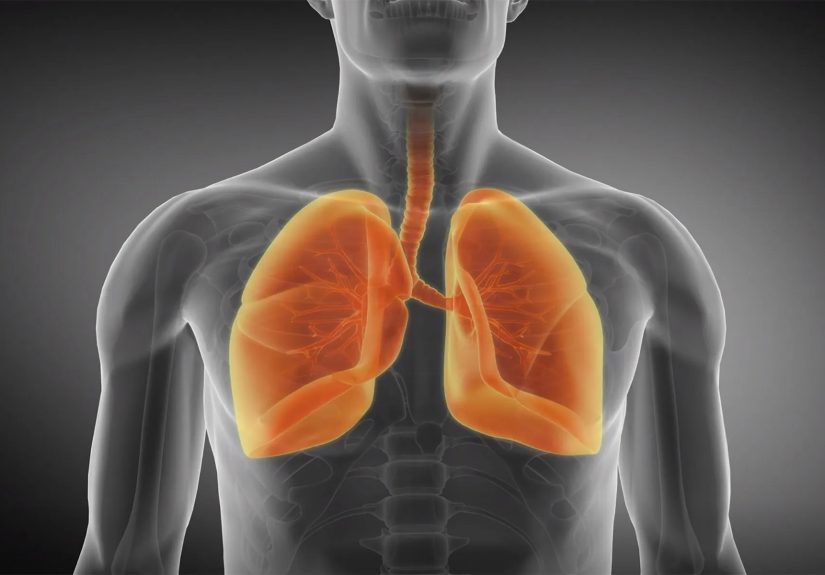
TB is caused by the bacteria Mycobacterium tuberculosis and usually affects the lungs, though it can also involve the brain, spine, kidneys,
or other organs. It spreads through the air via tiny droplets when someone with active pulmonary TB coughs, laughs, speaks loudly, or sings.
A few important clarifications for worried parents:
- TB is not spread by shaking hands, sharing dishes, touching doorknobs, or casual brief contact.
- It usually requires prolonged close contact think living in the same household or spending many hours together in enclosed spaces.
- Many people who are infected never develop active disease; their infection remains latent unless their immune system weakens.
Signs and Symptoms Parents Should Know
TB can be sneaky, especially in children. Symptoms may develop slowly and look like a stubborn version of something else.
Always talk with a healthcare professional for specific advice, but common signs of pulmonary TB include:
- Cough lasting three weeks or longer
- Fever that lingers or keeps coming back
- Night sweats (waking up with damp or soaked pajamas or sheets)
- Unintentional weight loss or poor weight gain
- Fatigue, unusual sleepiness, or decreased activity
- Chest pain or trouble breathing
- Coughing up blood (less common in children but always an emergency sign)
In very young children, symptoms can be less specific irritability, poor feeding, or just “not acting like themselves.”
Any child who has had close contact with someone diagnosed with TB, especially in the home, should be evaluated even if they feel well.
How TB Is Diagnosed and Treated Today
The days of diagnosing TB purely by waiting for an old-school skin test and chest X-ray are largely gone. Today, clinicians can use:
- TB skin tests (TST), often used in schools, workplaces, or for routine screening.
- Blood tests (IGRAs), which can be particularly helpful in people who received the BCG vaccine outside the U.S.
and might have false-positive skin test results. - Chest X-rays and imaging, to look for lung changes suggestive of active TB disease.
- Sputum or other specimen tests, including rapid molecular tests that can detect TB bacteria and some drug resistance patterns.
TB is highly treatable with antibiotics, but treatment is not a quick course of pills. Most regimens for active TB last at least 4–6 months and
use multiple drugs at once to prevent resistance. Children can be treated with age-appropriate dosing and careful monitoring for side effects.
Drug-resistant TB requires more complex regimens, but effective options still exist when specialist care is available.
For latent TB infection, shorter preventive regimens some as brief as 3–4 months have become more common, making it easier
for families to complete treatment and reduce the risk of future disease.
What Families Can Do: Practical, Real-World Steps
You don’t need to become a TB expert overnight, but you can take a few thoughtful steps to protect your family:
1. Know Your Risk Factors
Talk with your child’s healthcare provider if your family has:
- Lived or spent extended time in a country where TB is common
- Had close contact with someone diagnosed with TB disease
- Children with conditions that weaken the immune system
- Household members who live or work in shelters, correctional facilities, or long-term care centers
In these situations, TB testing (often a blood test) may be recommended even if everyone feels perfectly fine.
2. Take Exposure Seriously, Not Silently
If a school, daycare, or health department notifies you that your child may have been exposed to TB, it’s not a reason to panic but it definitely
is a reason to follow up. Testing, follow-up appointments, and (if needed) preventive treatment are how you turn a scary letter into a success story.
3. Support Treatment to the Finish Line
TB therapy is a marathon, not a sprint. Stopping medications early is one of the biggest risk factors for recurrence and drug-resistant TB.
Many public health programs offer directly observed therapy (DOT) or “video DOT,” reminders, and other support to help families stay on track.
4. Remember the Big Picture: TB Is Curable
Rising numbers can sound alarming, but the takeaway for parents isn’t “be afraid of everyone.” It’s “be informed, be proactive, and partner with
healthcare and public health teams.” When TB is found early and treated correctly, kids can and do recover fully.
Public Health Response: Why Your Voice Still Matters
TB control depends heavily on public health infrastructure the mostly invisible systems that make sure screening, lab testing, contact tracing,
and medication programs keep moving. Experts have warned that even as TB cases rise, many health departments don’t have the resources they need
to keep up.
At the same time, global TB remains a massive challenge. In 2023, TB again became the world’s leading infectious disease killer, with millions of
new cases and over a million deaths, including many children under 5.
What happens abroad doesn’t stay abroad global TB trends eventually ripple into U.S. communities through travel, migration, and shared health systems.
That’s why advocacy matters. Funding for TB programs, both in the U.S. and worldwide, directly affects our ability to protect vulnerable groups,
including American children. When parents, clinicians, and communities push for sustained investment in TB prevention and care, they’re not just
supporting anonymous “public health work” they’re protecting actual kids in real neighborhoods.
Real-World Experiences: How Families and Clinicians Are Living This
Statistics tell one part of the story; everyday experiences tell the rest. The following examples are composites based on common patterns described
by clinicians and public health workers not accounts of any single identifiable person but they capture what rising TB cases look like on the ground.
A Pediatric Clinic’s Wake-Up Call
In one community clinic, TB had been a “background topic” for years mentioned in training, occasionally tested for, rarely seen. Then, over the
span of a few months, providers started noticing a pattern: a 9-year-old with a lingering cough and low-grade fevers; a 12-year-old who kept losing weight;
a toddler with unexplained fevers and a concerning chest X-ray. None of them looked like the dramatic textbook cases, but something didn’t add up.
As the clinic began testing more aggressively, they uncovered multiple cases of TB infection and a few active cases linked to a single extended family.
Public health teams stepped in, testing household members, school contacts, and caregivers. Within weeks, dozens of people had been evaluated. Several
children started preventive treatment, while a few adults began full TB therapy.
For the clinicians, it was a shift in mindset. TB wasn’t a rare curiosity anymore; it was something they had to think about routinely when kids
presented with persistent respiratory symptoms and relevant risk factors. For the families, it was scary but also strangely relieving to finally
have an explanation and a clear treatment plan.
A Family Navigates TB Together
Consider a family who emigrated to the U.S. a few years ago from a country where TB is common. The parents worked long hours, and the kids thrived
in school and daycare. When the father developed a chronic cough and began losing weight, he brushed it off as stress and long shifts.
Only when he started feeling short of breath climbing stairs did he go to a clinic and testing confirmed active TB.
Overnight, the family’s world shifted. The health department arranged testing for everyone in the household. The youngest child had a normal chest X-ray
but a positive TB blood test, indicating latent infection. The older sibling had early signs of lung involvement. Both children started treatment;
the father began a longer, more intensive regimen.
It was a tough season many appointments, side-effect checks, scheduling around school and work but they had support: interpreters,
case managers, medication reminders, and even transportation assistance. Months later, the kids completed preventive therapy, and the father
finished his course of treatment. TB went from a terrifying unknown to a shared family victory.
Community Outbreaks and the Ripple Effect
In some areas, localized outbreaks have grabbed headlines for example, large clusters in certain counties or cities documenting dozens of active
and latent cases within a relatively short period. Behind those numbers are school nurses fielding worried questions,
daycare directors coordinating testing events, and public health workers spending long days tracking down contacts and making sure people stay on treatment.
For parents, these outbreaks can feel overwhelming: Is it safe to send my child to school? Should we travel? What does “exposure” really mean?
Clinicians often find themselves doing double duty explaining TB basics while also helping families navigate testing, imaging, and follow-up visits.
The recurring theme in these stories is not hopelessness; it’s adjustment. Communities re-learn how to take TB seriously without spiraling into panic.
People discover that “We caught it early and we’re on treatment” is a very different sentence than “We ignored it until it spread.”
What These Experiences Have in Common
Across clinics, families, and communities, several threads keep appearing:
- TB often hides behind vague, slow-burn symptoms especially in kids.
- Early testing and clear communication transform scary situations into manageable ones.
- Support systems from school nurses to public health case managers make the difference between incomplete and successful treatment.
- Stigma and misinformation still delay care; honest conversations and community education help counter that.
Rising TB cases in the U.S., especially among children, are a serious concern. But they’re also a call to action that comes with tools:
accurate tests, effective medications, and decades of public health experience. When those tools are fully funded, thoughtfully used,
and equitably accessible, TB becomes not a mysterious threat but a solvable problem even for the youngest among us.
Conclusion: An Old Foe, New Responsibility
The resurgence of TB in the United States is a reminder that infectious diseases don’t retire just because we’re tired of hearing about them.
After years of steady decline, TB cases are rising again, with notable increases among children and young adolescents. That’s the bad news.
The good news is that we’re not starting from scratch. We know how TB spreads. We have accurate tests. We have effective treatments.
We understand that pediatric TB points to recent transmission and demands rapid action. And we have public health playbooks that work
when they’re properly supported.
For families, the message isn’t “be afraid of every cough.” It’s “pay attention to persistent symptoms, understand your risk, and don’t brush off testing.”
For clinicians and policymakers, the message is clear: kids’ rising TB rates are an early warning we can’t afford to ignore.
TB may be an old foe, but with informed parents, engaged communities, and strong public health systems, it doesn’t have to be a permanent one
especially not for young children growing up in the U.S. today.