Table of Contents >> Show >> Hide
- Sell vs. Donate: A quick decision filter (no spreadsheet required)
- The 10 best items to sell at your next garage sale
- 1) Tools and DIY supplies (the garage sale MVP)
- 2) Small kitchen appliances (if they workno “vintage smoke machine” vibes)
- 3) Quality kids’ clothing and shoes (sold as bundles)
- 4) Toys, games, and kids’ books (complete sets win)
- 5) Sporting goods and workout gear (small-to-medium items)
- 6) Home décor (the “I didn’t know I needed this” aisle)
- 7) Furniture that fits in a car (and doesn’t require a team of movers)
- 8) Electronics (only if you can test them)
- 9) Hobby and craft supplies (aka “someone else’s next hyperfixation”)
- 10) Brand-name clothing, coats, and handbags (the “label hunters” crowd)
- What you’re better off donating (or not donating at all)
- Garage sale pricing tips that actually work in the real world
- Set up your sale for maximum “Yes, I’ll take it” energy
- Donation strategy: make your “leftovers plan” before the sale starts
- Conclusion
- Bonus: Real-world garage sale experiences (the stuff people learn the hard way)
A garage sale is basically a pop-up museum of your past decisionsonly this museum has folding tables, sunburn,
and someone asking if you’ll take fifty cents for an item you lovingly described as “barely used.” Still: when you
do it right, a yard sale can clear clutter fast, put cash in your pocket, and keep perfectly good stuff out of the
landfill. The trick is knowing what actually sells (quickly, for real money) and what’s better off donated, recycled,
or responsibly disposed of.
This guide breaks down the 10 best items to sell at a garage sale, plus the categories you’re
better off donating (or not donating at allmore on that). You’ll also get practical
garage sale pricing tips, display strategies, and a real-world “what people wish they’d known” section
at the end.
Sell vs. Donate: A quick decision filter (no spreadsheet required)
Before we jump into the top sellers, here’s the simplest way to decide what goes on the table versus into a donation box:
- Sell it if it’s easy to carry, easy to understand, easy to test, and clearly useful.
- Donate it if it’s low-value but still usable, and a nonprofit can actually accept it.
- Recycle/dispose if it’s broken, unsafe, recalled, moldy, infested, or potentially hazardous.
Translation: if you need a five-minute explanation to convince someone it’s worth $3, it’s probably not a garage sale item.
(That doesn’t mean it’s trashjust maybe not “Saturday morning impulse-buy” material.)
The 10 best items to sell at your next garage sale
These are the categories that reliably draw buyers, move quickly, and usually bring the best return for the effort.
For each, you’ll see what sells best, how to prep it, and a pricing approach that keeps things simple.
1) Tools and DIY supplies (the garage sale MVP)
Tools are top-tier garage sale gold because people love a bargain on items they “only need once” (until they buy three more).
Hand tools, toolboxes, extension cords, clamps, levels, drill bits, hardware organizersthese tend to sell fast.
- Prep: Wipe off dust, bundle related items (e.g., screwdriver set + small hardware box).
- Pricing tip: Price in easy increments and leave room to negotiate on bigger items.
- Better to donate: Rusted, incomplete, or unsafe items (frayed cords, cracked handles). Recycle if necessary.
2) Small kitchen appliances (if they workno “vintage smoke machine” vibes)
Coffee makers, toasters, slow cookers, air fryers, blenders, mixerssmall appliances sell when they’re clean and demonstrably functional.
Buyers want convenience, not a mystery.
- Prep: Clean thoroughly, tape the cord neatly, include accessories (lids, blades, manuals if you have them).
- Smart move: Set up a “test station” (power strip) so shoppers can see it turn on.
- Better to donate: Items that are working and clean but too cheap to bother pricing individuallybundle them.
3) Quality kids’ clothing and shoes (sold as bundles)
Parents love deals, and kids outgrow things faster than you can remove the tags. The secret is bundling:
“5 onesies for $5” moves faster than individual pricing and saves you hours.
- Prep: Wash, sort by size, and bundle by type (pajamas, school clothes, coats).
- Pricing tip: Bundles beat single items unless it’s a premium brand in like-new condition.
- Better to donate: Stained, heavily worn pieces, or anything missing buttons/zippers.
4) Toys, games, and kids’ books (complete sets win)
Board games, puzzles, action figures, LEGO-style bricks, picture books, and early readers are reliable sellersespecially
when they’re clean and complete. Parents want “ready to play,” not “missing two corner pieces and hope.”
- Prep: Bag small parts, tape boxes shut, label if anything is missing.
- Display: Put kids’ items together so families can browse in one spot.
- Better to donate: Extra books and gently used toys that aren’t worth pricingdonation centers often move these quickly.
5) Sporting goods and workout gear (small-to-medium items)
Dumbbells, resistance bands, yoga mats, tennis rackets, rollerblades, camping gear, and bikes can do wellespecially in good weather.
People love trying a hobby “for cheap.”
- Prep: Clean, inflate balls/tires, and keep sets together.
- Pricing tip: Aim for “too good to ignore” so it leaves your driveway instead of returning to your garage.
- Better to donate: Gently used gear that’s low-value but still usablelocal youth programs may appreciate it.
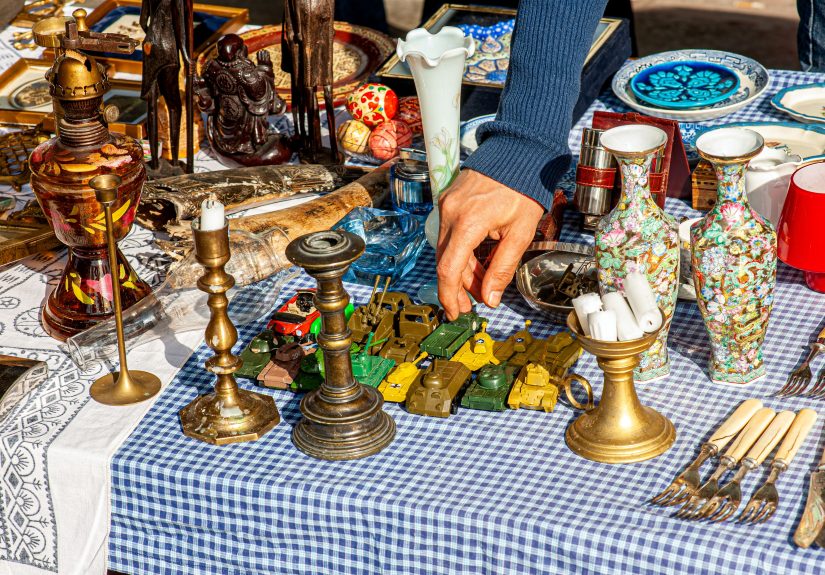
6) Home décor (the “I didn’t know I needed this” aisle)
Frames, mirrors (unbroken), lamps, vases, baskets, throw pillows, seasonal decorations, and wall art are classic impulse buys.
If your sale has a “cute table,” you’ll see people slow down and start grabbing.
- Prep: Dust and wipe down. Group by style or season.
- Display: Create a mini vignette (tray + candle + small vase) to make items feel curated.
- Better to donate: Items that are in great shape but too nichethrift shoppers love a treasure hunt.
7) Furniture that fits in a car (and doesn’t require a team of movers)
Small solid piecesnightstands, end tables, stools, chairs, shelvesoften sell well if they’re sturdy and clean.
If it’s wobbly, sticky, or smells like the 2006 college apartment era, it’ll sit.
- Prep: Tighten screws, wipe surfaces, be honest about minor flaws.
- Pricing strategy: Price to movebuyers factor in hauling effort.
- Better to donate: Usable pieces in good condition that you don’t want to store for “maybe someone will buy it.”
8) Electronics (only if you can test them)
Speakers, small TVs/monitors (if modern), streaming devices, headphones, game consoles, and routers can sellbut only when
shoppers can confirm they work. If you can’t test it, buyers assume it’s broken (sometimes correctly).
- Prep: Include cords/remotes, factory reset when appropriate, and label what’s included.
- Sell safely: Avoid selling anything recalled or unsafe; check recalls when in doubt.
- Better to donate: Only if it’s working and the charity accepts electronics. Otherwise use e-waste recycling.
9) Hobby and craft supplies (aka “someone else’s next hyperfixation”)
Yarn, fabric, scrapbook supplies, sewing patterns, art sets, knitting needles, paintbrushes, and even partially used
(non-hazardous) craft materials can move surprisingly fast. Crafters love a bargain bag.
- Prep: Bundle by type (all yarn together, all jewelry-making bits together).
- Pricing tip: “Bag deals” reduce decision fatigue and speed up sales.
- Better to donate: Extra supplies schools, community centers, and after-school programs can actually use.
10) Brand-name clothing, coats, and handbags (the “label hunters” crowd)
The average garage sale shopper isn’t trying to build a couture wardrobeyet brand names still catch eyes.
Clean denim, jackets, boots, purses, and athletic wear can do well, especially when displayed neatly.
- Prep: Wash, lint-roll, and hang a few “best pieces” on a rack or sturdy hangers.
- Pricing tip: Price everyday items low; reserve higher prices for like-new, recognizable brands.
- Better to donate: Everyday basics and anything that requires “just a little sewing.” Donation centers may still accept clean basics.
What you’re better off donating (or not donating at all)
Here’s the hard truth: some items are so low-demand, high-risk, or hard to handle that they become “time vampires.”
They drain your energy, your space, and your optimismwithout paying rent. Many also come with safety or hygiene concerns.
Donate (when accepted) instead of trying to sell
- Everyday books and DVDs (unless rare/collectible): bundle or donate.
- Basic kitchenware (mugs, plates): bundle “kitchen starter set” or donate.
- Gently used linens (towels, sheets): donate if clean and in good condition.
- Basic décor you don’t want to price: donatethrift shoppers love variety.
Don’t sell or donate: recycle or dispose responsibly
- Child safety items like used car seats, helmets, and certain baby gear: safety history is unknown; skip resale/donation.
- Recalled items: it’s not worth the riskcheck recalls before passing items along.
- Moldy, infested, or heavily damaged items: these can contaminate donation streams and create cleanup hazards.
- Hazardous materials (paint, pesticides, chemicals, propane tanks): use local hazardous waste programs.
- Old or broken electronics: use an e-waste recycler instead of dumping it on a charity.
- Mattresses/box springs: many organizations won’t accept them due to hygiene and pest concerns.
- Opened personal care products and used undergarments: hygiene concerns make these a no-go.
Garage sale pricing tips that actually work in the real world
Pricing is where garage sales go to either thrive… or become a slow, sad exhibit of “items nobody wanted at any price.”
Use these principles to keep your sale moving:
- Price for the market, not your memories. Sentimental value doesn’t convert to cash.
- Use simple increments. Quarters and halves keep math easy and lines short.
- Bundle to win. Bundles feel like a deal and reduce your leftover pile.
- Plan for negotiation. Mark slightly above your lowest acceptable price on higher-ticket items.
- Label clearly. If buyers have to ask the price, they often won’t.
Set up your sale for maximum “Yes, I’ll take it” energy
Merchandise like a friendly tiny store
- Group categories together (kitchen, kids, tools, décor).
- Keep breakables stable and visible.
- Put your best items near the front to pull people in.
Make paying easy
- Have plenty of small bills and coins for change.
- Consider a simple digital payment option if you’re comfortable (buyers often expect it).
- Keep a “hold” area so sold items don’t wander off.
Know your local rules
Some cities and HOAs have rules about signs, hours, or permits. A quick check can save you from the world’s least fun
garage sale visitor: the person with a clipboard.
Donation strategy: make your “leftovers plan” before the sale starts
The best garage sales don’t end with a stressed-out “what do we do with all this?” moment at 4:03 p.m.
Decide ahead of time:
- Donation-ready boxes (clean, usable items a charity accepts)
- Recycle pile (e-waste, scrap metal, cardboard)
- Trash pile (broken, unsafe, soiled items)
Tax note (not advice, just a heads-up)
If you donate to a qualified organization and plan to claim a deduction, keep receipts and be realistic about value.
“Fair market value” usually looks a lot more like “what a thrift shopper would pay,” not “what you paid new.”
Conclusion
A great garage sale isn’t about selling every last object you’ve ever ownedit’s about making smart choices that
save time, reduce stress, and move clutter out of your life. Focus on the items that reliably sell (tools, small
appliances, bundles of kids’ stuff, décor, small furniture), price to move, and set up a donation plan before the
first shopper arrives. You’ll walk away with more cash, more space, and far fewer “why did we keep this?” moments.
Below you’ll find a bonus “real-world experiences” section (so you can dodge common mistakes), plus the SEO tags
in JSON format at the very end.
Bonus: Real-world garage sale experiences (the stuff people learn the hard way)
One common experience is the sentimental pricing trap. People start a garage sale with noble intentions,
then pick up an old bread maker and think, “But this made our family pancakes for years.” Suddenly it’s priced like a
collector’s item. Shoppers, meanwhile, are thinking, “This is a device I might use twice.” The sale stalls until someone
makes a low offer, and the seller has to choose between pride and progress. The lesson: decide your goalcash or spacebefore
you touch a price sticker, and remember that garage sale pricing is closer to “quick decision” than “long debate.”
Another frequent story: the power strip miracle. Someone sets up a little testing corner for small appliances
and electronicsnothing fancy, just a surge protector and a sign that says “Feel free to test.” Suddenly, items that would
have been ignored become easy “yes” purchases. A shopper can see the blender turn on, hear the speaker connect, and confirm
the lamp actually lights up. That tiny setup builds trust, reduces haggling (“Does it work?”), and cuts down on returns or
complaints. It also nudges buyers into adding “just one more item” because they feel confident it’s not a dud.
Many sellers also talk about the bundle effect: the moment they stopped pricing every toy, sock, or paperback
individually, their sale became dramatically easier. Instead of answering a hundred tiny questions, they created simple deals:
“Fill a bag for $5,” “All kids’ books: $1 each or 6 for $5,” “Any three shirts for $5.” Buyers love bundles because it feels
like a win, and sellers love bundles because the tables clear faster. The unexpected bonus is emotional: it’s easier to let
go of clutter when it leaves in a happy pile instead of one item at a time.
A classic garage sale moment is the early-bird rush. People show up right at opening (or before), and the first
30 minutes can determine your whole day. Sellers who are readycash box stocked, tables staged, prices visibleoften report
strong momentum. Sellers who are still taping price tags while answering questions feel flustered and miss sales. The takeaway
is simple: do your pricing and setup the day before whenever possible, and keep your “best stuff” near the front so early
shoppers don’t walk away before they see what you’ve got.
Then there’s the leftovers reality check. Many people assume they’ll donate whatever doesn’t sell, only to
learn that donation centers often can’t accept certain categories (due to safety, hygiene, storage space, or disposal costs).
The “we’ll just donate it” plan can turn into a second job: sorting again, finding specialty drop-offs, and hauling loads you
thought would be a single trip. The better experiencereported by organized sellersis to pre-sort into donate/recycle/trash
bins before the sale begins, using local guidelines. That way, at the end of the day, you’re not staring at a driveway full
of orphans and wondering who’s going to adopt a broken treadmill.
Finally, there’s the surprise best-seller experience: the item you assumed no one would want becomes the star.
Sometimes it’s a neat box of cords and adapters (because someone always needs the exact one you’ve got). Sometimes it’s a stack
of flower pots, a set of sturdy hangers, or a small shelf that “just fits” in a shopper’s car. The lesson here is encouraging:
garage sales reward clarity and usefulness. If something is clean, complete, and easy to grab, it has a better shot than you
thinkespecially when you price it like you want it gone, not like you’re opening a boutique.